
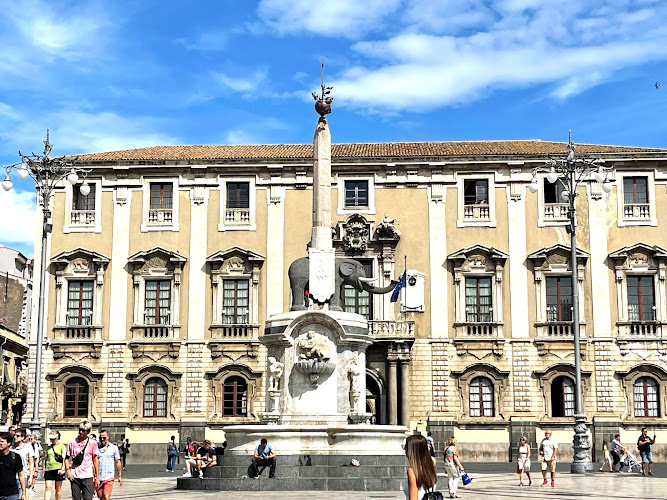
Palazzo degli Elefanti
About Palazzo degli Elefanti
Description
The Palazzo degli Elefanti, standing proudly in the heart of Catania’s Piazza del Duomo, is one of those places that quietly steals your attention before you even realize it. Built in the early 18th century, after the devastating earthquake of 1693, this palace is more than just a government building—it’s a living piece of Sicilian history. It currently serves as Catania’s Town Hall, but its grandeur and artistry make it a must-see for travelers curious about the city’s story.
When you walk up to its façade, you’ll notice the rich Sicilian Baroque style, a hallmark of Catania’s post-earthquake rebirth. The architect Giovanni Battista Vaccarini, a name you’ll hear a lot around here, played a big role in shaping this look. The palace’s elegant symmetry, ornate balconies, and stone carvings are textbook examples of his mastery. And yet, there’s something warm and approachable about it—like it’s not trying too hard to impress, but does anyway.
Inside, the building is full of paintings, frescoes, and sculptures that tell stories of Catania’s past. Some rooms are open to the public, and if you’re lucky enough to visit during one of the guided tours, you might even catch a glimpse of the council chambers where city decisions are still made today. The art here isn’t just decoration—it’s part of the city’s identity. The frescoes on the ceilings, for instance, capture moments of triumph and resilience, reflecting how the people of Catania rebuilt their city from ashes.
I remember the first time I stepped inside. The marble floors were cool underfoot, and the faint echo of footsteps gave the place a quiet dignity. It’s the kind of building that makes you slow down, even if you’re the type to rush through landmarks. And outside, the view of the Elephant Fountain—Catania’s beloved symbol—adds a touch of whimsy that balances the palace’s stately presence.
While some visitors might find it less “showy” than other Italian palaces, that’s part of its charm. It’s elegant without being overbearing, historical without feeling frozen in time. The Palazzo degli Elefanti is a place where the everyday life of Catania meets its centuries-old soul.
Key Features
- Architectural Style: A prime example of Sicilian Baroque design, rebuilt after the 1693 earthquake under Giovanni Battista Vaccarini’s direction.
- Art and Decor: Houses a rich collection of paintings, frescoes, and sculptures reflecting Catania’s history and culture.
- Civic Importance: Serves as the city’s Town Hall, where local government meetings and civic events take place.
- Central Location: Located in Piazza del Duomo, right beside the Cathedral of Saint Agatha and the famous Elephant Fountain.
- Accessibility: Wheelchair-accessible entrances, restrooms, and parking make it convenient for all visitors.
- Atmosphere: Combines historical grandeur with the everyday rhythm of city life, offering a genuine feel of Catanese culture.
Best Time to Visit
If you ask me, the best time to visit Palazzo degli Elefanti is during spring or early autumn. The weather in Catania then is just right—not too hot, not too chilly—and the light hits the Baroque stonework in a way that photographers dream about. The palace sits in the heart of the square, and in summer, that area can get pretty crowded (and warm). But in the shoulder seasons, you can actually take your time admiring the details without being jostled by tour groups.
Winter has its own charm too. The square is quieter, and you can linger longer inside, soaking up the atmosphere. Around the Feast of Saint Agatha in February, the whole area comes alive with processions and festivities. It’s chaotic, yes, but in the best possible way. If you enjoy seeing a city at its most passionate, that’s your moment.
How to Get There
Getting to Palazzo degli Elefanti is straightforward since it’s right in the center of Catania. Most visitors arrive by foot after exploring nearby landmarks like the Cathedral of Saint Agatha or the Elephant Fountain. If you’re staying near Via Etnea, it’s just a pleasant stroll away—no need for a car.
For those coming from further out, local buses and taxis stop nearby. The Catania Centrale train station is about a 15–20 minute walk, or a short ride by bus or taxi. If you’re driving, there are parking options around the historic center, though be warned: navigating Catania’s narrow streets can be an adventure in itself. I’ve done it once, and let’s just say I now prefer walking.
The palace’s accessibility features make it easy for everyone to visit. Entrances, restrooms, and parking areas are wheelchair-friendly, which isn’t something you can say for every historic site in Italy. That alone makes it worth a mention.
Tips for Visiting
Here’s the thing about Palazzo degli Elefanti—it’s not just about ticking off another landmark from your list. It’s about slowing down and letting the place speak to you. So, here are a few tips from someone who’s been there more than once:
- Take your time inside. Don’t rush through the halls. The art and architecture reveal more the longer you look.
- Visit early in the day. The square is quieter, and you’ll get better photos with the morning light bouncing off the stone façade.
- Combine your visit. Since it’s right by the Cathedral and the Elephant Fountain, plan to see all three in one go. They tell a connected story of Catania’s spirit.
- Ask about guided tours. Occasionally, the city offers tours that include rooms not usually open to the public. Totally worth it if you can catch one.
- Bring a bit of patience. Like many Italian civic buildings, opening hours can shift due to events or meetings. Check ahead or ask locals—they’re usually happy to help.
- Look up. Seriously. The ceilings here are works of art, and it’s easy to miss their details if you’re too focused on what’s at eye level.
And one last thing—don’t be afraid to linger outside afterward. Grab a coffee from one of the nearby cafés, sit on the edge of the square, and just people-watch. You’ll see school kids running across the piazza, elderly locals chatting by the fountain, and travelers like you trying to capture the perfect shot. It’s in those little moments that you really feel the heartbeat of Catania.
Palazzo degli Elefanti isn’t just a building. It’s a symbol of endurance, creativity, and civic pride. Whether you’re an architecture lover, a history buff, or someone who simply appreciates a good story told in stone, it’s one of those places that stays with you long after you’ve left. And honestly, that’s the best kind of souvenir you can take home.
Key Features
- Key Features
- Best Time to Visit
- How to Get There
- Tips for Visiting
More Details
Updated November 10, 2025
Table of Contents
Description
The Palazzo degli Elefanti, standing proudly in the heart of Catania’s Piazza del Duomo, is one of those places that quietly steals your attention before you even realize it. Built in the early 18th century, after the devastating earthquake of 1693, this palace is more than just a government building—it’s a living piece of Sicilian history. It currently serves as Catania’s Town Hall, but its grandeur and artistry make it a must-see for travelers curious about the city’s story.
When you walk up to its façade, you’ll notice the rich Sicilian Baroque style, a hallmark of Catania’s post-earthquake rebirth. The architect Giovanni Battista Vaccarini, a name you’ll hear a lot around here, played a big role in shaping this look. The palace’s elegant symmetry, ornate balconies, and stone carvings are textbook examples of his mastery. And yet, there’s something warm and approachable about it—like it’s not trying too hard to impress, but does anyway.
Inside, the building is full of paintings, frescoes, and sculptures that tell stories of Catania’s past. Some rooms are open to the public, and if you’re lucky enough to visit during one of the guided tours, you might even catch a glimpse of the council chambers where city decisions are still made today. The art here isn’t just decoration—it’s part of the city’s identity. The frescoes on the ceilings, for instance, capture moments of triumph and resilience, reflecting how the people of Catania rebuilt their city from ashes.
I remember the first time I stepped inside. The marble floors were cool underfoot, and the faint echo of footsteps gave the place a quiet dignity. It’s the kind of building that makes you slow down, even if you’re the type to rush through landmarks. And outside, the view of the Elephant Fountain—Catania’s beloved symbol—adds a touch of whimsy that balances the palace’s stately presence.
While some visitors might find it less “showy” than other Italian palaces, that’s part of its charm. It’s elegant without being overbearing, historical without feeling frozen in time. The Palazzo degli Elefanti is a place where the everyday life of Catania meets its centuries-old soul.
Key Features
- Architectural Style: A prime example of Sicilian Baroque design, rebuilt after the 1693 earthquake under Giovanni Battista Vaccarini’s direction.
- Art and Decor: Houses a rich collection of paintings, frescoes, and sculptures reflecting Catania’s history and culture.
- Civic Importance: Serves as the city’s Town Hall, where local government meetings and civic events take place.
- Central Location: Located in Piazza del Duomo, right beside the Cathedral of Saint Agatha and the famous Elephant Fountain.
- Accessibility: Wheelchair-accessible entrances, restrooms, and parking make it convenient for all visitors.
- Atmosphere: Combines historical grandeur with the everyday rhythm of city life, offering a genuine feel of Catanese culture.
Best Time to Visit
If you ask me, the best time to visit Palazzo degli Elefanti is during spring or early autumn. The weather in Catania then is just right—not too hot, not too chilly—and the light hits the Baroque stonework in a way that photographers dream about. The palace sits in the heart of the square, and in summer, that area can get pretty crowded (and warm). But in the shoulder seasons, you can actually take your time admiring the details without being jostled by tour groups.
Winter has its own charm too. The square is quieter, and you can linger longer inside, soaking up the atmosphere. Around the Feast of Saint Agatha in February, the whole area comes alive with processions and festivities. It’s chaotic, yes, but in the best possible way. If you enjoy seeing a city at its most passionate, that’s your moment.
How to Get There
Getting to Palazzo degli Elefanti is straightforward since it’s right in the center of Catania. Most visitors arrive by foot after exploring nearby landmarks like the Cathedral of Saint Agatha or the Elephant Fountain. If you’re staying near Via Etnea, it’s just a pleasant stroll away—no need for a car.
For those coming from further out, local buses and taxis stop nearby. The Catania Centrale train station is about a 15–20 minute walk, or a short ride by bus or taxi. If you’re driving, there are parking options around the historic center, though be warned: navigating Catania’s narrow streets can be an adventure in itself. I’ve done it once, and let’s just say I now prefer walking.
The palace’s accessibility features make it easy for everyone to visit. Entrances, restrooms, and parking areas are wheelchair-friendly, which isn’t something you can say for every historic site in Italy. That alone makes it worth a mention.
Tips for Visiting
Here’s the thing about Palazzo degli Elefanti—it’s not just about ticking off another landmark from your list. It’s about slowing down and letting the place speak to you. So, here are a few tips from someone who’s been there more than once:
- Take your time inside. Don’t rush through the halls. The art and architecture reveal more the longer you look.
- Visit early in the day. The square is quieter, and you’ll get better photos with the morning light bouncing off the stone façade.
- Combine your visit. Since it’s right by the Cathedral and the Elephant Fountain, plan to see all three in one go. They tell a connected story of Catania’s spirit.
- Ask about guided tours. Occasionally, the city offers tours that include rooms not usually open to the public. Totally worth it if you can catch one.
- Bring a bit of patience. Like many Italian civic buildings, opening hours can shift due to events or meetings. Check ahead or ask locals—they’re usually happy to help.
- Look up. Seriously. The ceilings here are works of art, and it’s easy to miss their details if you’re too focused on what’s at eye level.
And one last thing—don’t be afraid to linger outside afterward. Grab a coffee from one of the nearby cafés, sit on the edge of the square, and just people-watch. You’ll see school kids running across the piazza, elderly locals chatting by the fountain, and travelers like you trying to capture the perfect shot. It’s in those little moments that you really feel the heartbeat of Catania.
Palazzo degli Elefanti isn’t just a building. It’s a symbol of endurance, creativity, and civic pride. Whether you’re an architecture lover, a history buff, or someone who simply appreciates a good story told in stone, it’s one of those places that stays with you long after you’ve left. And honestly, that’s the best kind of souvenir you can take home.
Key Highlights
- Key Features
- Best Time to Visit
- How to Get There
- Tips for Visiting
Location
Places to Stay Near Palazzo degli Elefanti
Find and Book a Tour
Explore More Travel Guides
No reviews found! Be the first to review!
Traveler Reviews for Palazzo degli Elefanti
There are no reviews yet. Be the first one to write one.
Have you visited Palazzo degli Elefanti? Help other travelers by sharing your review.
You Might Also Like
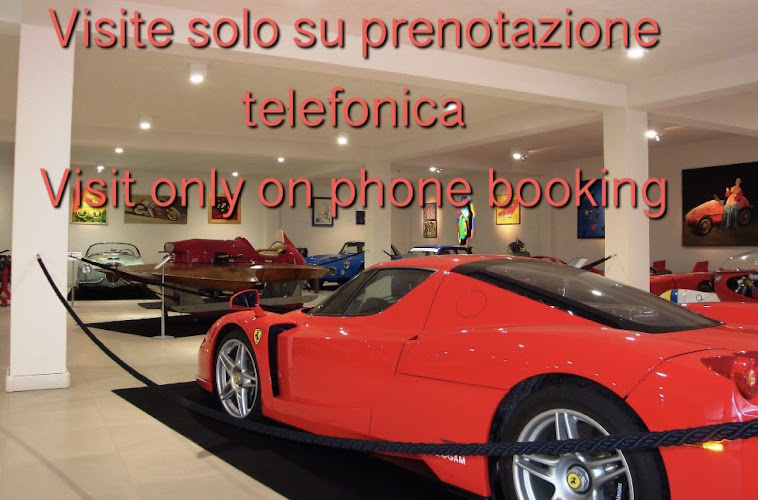
Mogam
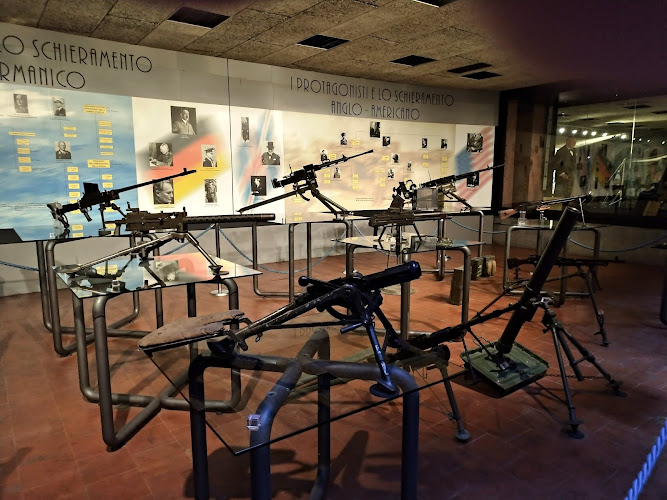
Museo Storico dello Sbarco in Sicilia 1943
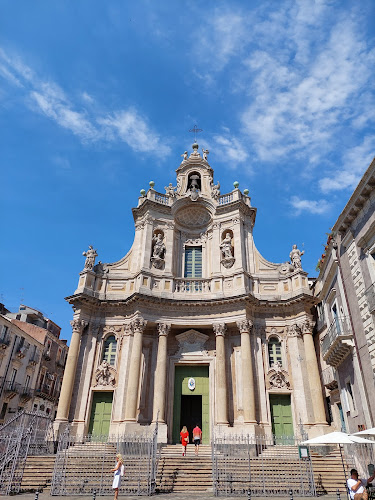
Basilica della Collegiata
Find Accommodations Nearby
Recommended Tours & Activities
Visitor Reviews
There are no reviews yet. Be the first one to write one.
Share Your Experience
Have you visited Palazzo degli Elefanti? Help other travelers by leaving a review.