About Museo Storico dello Sbarco in Sicilia 1943

Description

There’s something haunting yet deeply moving about walking through the Museo Storico dello Sbarco in Sicilia 1943. It’s not just another war museum filled with dusty relics and faded maps—it’s an experience that pulls you right into one of the most pivotal moments of World War II. Located in Catania, this museum tells the story of Operation Husky, the Allied invasion of Sicily in July 1943, which marked the beginning of Italy’s liberation from fascism. But what makes it stand out is how it makes history feel alive. You don’t just read about the war—you feel it, see it, and in some ways, live it for a moment.

When I first stepped inside, I remember being struck by the sounds—sirens, explosions, the hum of planes overhead. It’s all part of a carefully crafted immersive setup that makes you feel like you’ve been transported back in time. The museum uses multimedia effects, reconstructed environments, and authentic artifacts to tell stories of soldiers and civilians alike. And honestly, it’s hard not to be moved. You’ll find yourself wandering through recreated bomb shelters, listening to the echoes of fear and hope that defined that era. It’s educational, yes, but it’s also emotional in a way that few museums manage to achieve.

Despite its focus on war, the museum isn’t grim or overly heavy. It’s respectful, balanced, and surprisingly human. It reminds visitors that behind every strategic operation and military maneuver were real people—families, children, soldiers—each with their own stories. The exhibits are thoughtfully arranged across multiple floors, guiding you through the lead-up to the invasion, the chaos of the landings, and the aftermath that reshaped Sicily forever. It’s the kind of place that leaves you quiet for a few moments after leaving, just to process what you’ve seen.

Key Features

  • Immersive Exhibits: Step into life-sized reconstructions of wartime Sicily, complete with bomb shelters, sound effects, and lighting that recreate the tension and uncertainty of 1943.
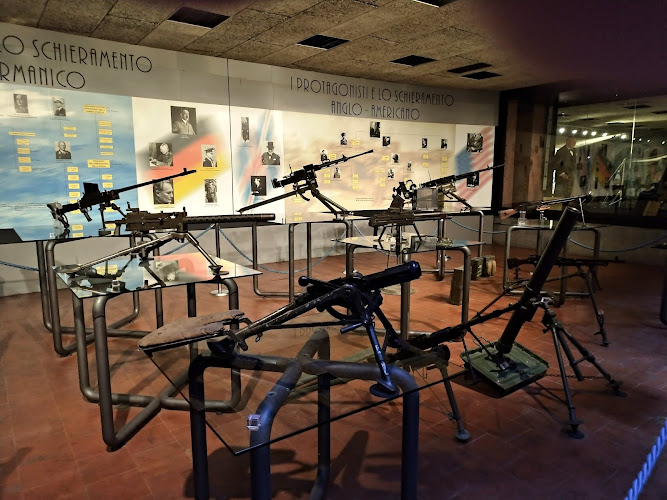
  • Authentic Artifacts: Displays include uniforms, weapons, personal letters, and photographs—each piece telling a small but powerful part of the larger story.
  • Multimedia Presentations: Interactive screens and videos help visitors understand the political and social context of the Allied invasion.
  • Emotional Storytelling: The museum doesn’t just focus on military strategy—it highlights the human side of war, from the fear of civilians to the courage of soldiers.
  • Educational for All Ages: It’s a great stop for families, with exhibits that engage both adults and children in learning about history in a vivid, accessible way.
  • Accessibility: The museum is fully wheelchair accessible, with adapted restrooms and easy navigation throughout the building.

What I personally love about this museum is how it manages to balance education with empathy. You walk away not only knowing more about history but also feeling connected to it. And that’s a rare thing. The curators clearly put a lot of heart into making sure every visitor—whether a history buff, a casual traveler, or a curious child—walks out having learned something meaningful.

Best Time to Visit

If you’re planning a trip to Catania, timing your visit to the Museo Storico dello Sbarco in Sicilia 1943 can make all the difference. The museum is indoors, so it’s a great option year-round, but I’d say spring and autumn are ideal. The weather in Catania is comfortable, and you can easily combine your museum visit with a stroll along the city’s seafront or a coffee in one of the nearby piazzas. Summer can be hot—very hot—so if you go then, try to visit in the morning when it’s cooler and less crowded.

Weekdays are generally quieter, which gives you more space to take your time and reflect as you move through the exhibits. If you’re the kind of traveler who likes to linger, reading every panel and watching every video (guilty as charged), then early afternoons during the week are perfect. Weekends tend to draw more locals and families, which can add a nice buzz of energy but might make it harder to soak in the atmosphere in peace.

And here’s a small tip from experience—try to avoid going right before closing. The museum deserves more than a rushed hour. Give yourself at least two hours to really absorb everything. Trust me, you’ll want that time.

How to Get There

Getting to the museum is pretty straightforward. It’s located within Catania’s Le Ciminiere cultural complex, which is close to the city center. If you’re staying in Catania, you can easily reach it on foot or by public transport. There are several bus routes that stop nearby, and taxis are also a convenient option if you’re short on time. For those driving, there’s accessible parking available, which is a relief since parking in Catania can sometimes be, well, an adventure.

If you’re coming from outside the city, the Catania Centrale train station is just a short walk away—less than ten minutes. That’s one of the things I love about this museum: it’s easy to fit into your itinerary without a lot of logistical hassle. You can spend your morning exploring the city’s markets or the Duomo, pop into the museum for a few hours, and still have time for an evening gelato by the sea. It’s that convenient.

Tips for Visiting

Here’s where a few insider insights can really help make your visit smoother and more memorable:

  • Take your time: This isn’t a museum you rush through. The exhibits are detailed and layered, so give yourself time to take it all in.
  • Bring a light jacket: The museum’s climate control keeps the exhibits preserved, which sometimes means it’s a bit cooler inside than you’d expect.
  • Ask questions: The staff are friendly and knowledgeable. If you’re curious about something, don’t hesitate to ask—they often share fascinating tidbits not found on the display panels.
  • Photography: Check the current policy before snapping photos. Some areas may restrict photography to protect artifacts or maintain the immersive atmosphere.
  • Combine your visit: After exploring the museum, consider visiting other parts of the Le Ciminiere complex, which hosts various cultural exhibitions and events throughout the year.
  • Bring kids: It might sound surprising, but children often find the interactive parts of the museum engaging. It’s a great way to introduce them to history in a hands-on way.

And one more thing—don’t skip the reconstructed air raid shelter experience. It’s one of the most powerful parts of the museum. Sitting in the dim light, hearing the distant rumble of bombs, you get a visceral sense of what ordinary Sicilians went through during the war. It’s chilling, yes, but also profoundly human. I remember leaving that section with goosebumps, thinking about how much courage it must have taken to live through those nights.

All in all, the Museo Storico dello Sbarco in Sicilia 1943 is more than a stop on your sightseeing list—it’s a journey into the heart of Sicily’s wartime history. It’s the kind of place that leaves a mark, not because it’s flashy or grand, but because it’s honest. Whether you’re a history lover, a curious traveler, or just someone who appreciates stories that matter, this museum will give you plenty to think about. And maybe, just maybe, you’ll walk out seeing the world a little differently.

Key Features

  • Key Features
  • Best Time to Visit
  • How to Get There
  • Tips for Visiting

More Details

Updated November 30, 2025

Description

There’s something haunting yet deeply moving about walking through the Museo Storico dello Sbarco in Sicilia 1943. It’s not just another war museum filled with dusty relics and faded maps—it’s an experience that pulls you right into one of the most pivotal moments of World War II. Located in Catania, this museum tells the story of Operation Husky, the Allied invasion of Sicily in July 1943, which marked the beginning of Italy’s liberation from fascism. But what makes it stand out is how it makes history feel alive. You don’t just read about the war—you feel it, see it, and in some ways, live it for a moment.

When I first stepped inside, I remember being struck by the sounds—sirens, explosions, the hum of planes overhead. It’s all part of a carefully crafted immersive setup that makes you feel like you’ve been transported back in time. The museum uses multimedia effects, reconstructed environments, and authentic artifacts to tell stories of soldiers and civilians alike. And honestly, it’s hard not to be moved. You’ll find yourself wandering through recreated bomb shelters, listening to the echoes of fear and hope that defined that era. It’s educational, yes, but it’s also emotional in a way that few museums manage to achieve.

Despite its focus on war, the museum isn’t grim or overly heavy. It’s respectful, balanced, and surprisingly human. It reminds visitors that behind every strategic operation and military maneuver were real people—families, children, soldiers—each with their own stories. The exhibits are thoughtfully arranged across multiple floors, guiding you through the lead-up to the invasion, the chaos of the landings, and the aftermath that reshaped Sicily forever. It’s the kind of place that leaves you quiet for a few moments after leaving, just to process what you’ve seen.

Key Features

  • Immersive Exhibits: Step into life-sized reconstructions of wartime Sicily, complete with bomb shelters, sound effects, and lighting that recreate the tension and uncertainty of 1943.
  • Authentic Artifacts: Displays include uniforms, weapons, personal letters, and photographs—each piece telling a small but powerful part of the larger story.
  • Multimedia Presentations: Interactive screens and videos help visitors understand the political and social context of the Allied invasion.
  • Emotional Storytelling: The museum doesn’t just focus on military strategy—it highlights the human side of war, from the fear of civilians to the courage of soldiers.
  • Educational for All Ages: It’s a great stop for families, with exhibits that engage both adults and children in learning about history in a vivid, accessible way.
  • Accessibility: The museum is fully wheelchair accessible, with adapted restrooms and easy navigation throughout the building.

What I personally love about this museum is how it manages to balance education with empathy. You walk away not only knowing more about history but also feeling connected to it. And that’s a rare thing. The curators clearly put a lot of heart into making sure every visitor—whether a history buff, a casual traveler, or a curious child—walks out having learned something meaningful.

Best Time to Visit

If you’re planning a trip to Catania, timing your visit to the Museo Storico dello Sbarco in Sicilia 1943 can make all the difference. The museum is indoors, so it’s a great option year-round, but I’d say spring and autumn are ideal. The weather in Catania is comfortable, and you can easily combine your museum visit with a stroll along the city’s seafront or a coffee in one of the nearby piazzas. Summer can be hot—very hot—so if you go then, try to visit in the morning when it’s cooler and less crowded.

Weekdays are generally quieter, which gives you more space to take your time and reflect as you move through the exhibits. If you’re the kind of traveler who likes to linger, reading every panel and watching every video (guilty as charged), then early afternoons during the week are perfect. Weekends tend to draw more locals and families, which can add a nice buzz of energy but might make it harder to soak in the atmosphere in peace.

And here’s a small tip from experience—try to avoid going right before closing. The museum deserves more than a rushed hour. Give yourself at least two hours to really absorb everything. Trust me, you’ll want that time.

How to Get There

Getting to the museum is pretty straightforward. It’s located within Catania’s Le Ciminiere cultural complex, which is close to the city center. If you’re staying in Catania, you can easily reach it on foot or by public transport. There are several bus routes that stop nearby, and taxis are also a convenient option if you’re short on time. For those driving, there’s accessible parking available, which is a relief since parking in Catania can sometimes be, well, an adventure.

If you’re coming from outside the city, the Catania Centrale train station is just a short walk away—less than ten minutes. That’s one of the things I love about this museum: it’s easy to fit into your itinerary without a lot of logistical hassle. You can spend your morning exploring the city’s markets or the Duomo, pop into the museum for a few hours, and still have time for an evening gelato by the sea. It’s that convenient.

Tips for Visiting

Here’s where a few insider insights can really help make your visit smoother and more memorable:

  • Take your time: This isn’t a museum you rush through. The exhibits are detailed and layered, so give yourself time to take it all in.
  • Bring a light jacket: The museum’s climate control keeps the exhibits preserved, which sometimes means it’s a bit cooler inside than you’d expect.
  • Ask questions: The staff are friendly and knowledgeable. If you’re curious about something, don’t hesitate to ask—they often share fascinating tidbits not found on the display panels.
  • Photography: Check the current policy before snapping photos. Some areas may restrict photography to protect artifacts or maintain the immersive atmosphere.
  • Combine your visit: After exploring the museum, consider visiting other parts of the Le Ciminiere complex, which hosts various cultural exhibitions and events throughout the year.
  • Bring kids: It might sound surprising, but children often find the interactive parts of the museum engaging. It’s a great way to introduce them to history in a hands-on way.

And one more thing—don’t skip the reconstructed air raid shelter experience. It’s one of the most powerful parts of the museum. Sitting in the dim light, hearing the distant rumble of bombs, you get a visceral sense of what ordinary Sicilians went through during the war. It’s chilling, yes, but also profoundly human. I remember leaving that section with goosebumps, thinking about how much courage it must have taken to live through those nights.

All in all, the Museo Storico dello Sbarco in Sicilia 1943 is more than a stop on your sightseeing list—it’s a journey into the heart of Sicily’s wartime history. It’s the kind of place that leaves a mark, not because it’s flashy or grand, but because it’s honest. Whether you’re a history lover, a curious traveler, or just someone who appreciates stories that matter, this museum will give you plenty to think about. And maybe, just maybe, you’ll walk out seeing the world a little differently.

Key Highlights

  • Key Features
  • Best Time to Visit
  • How to Get There
  • Tips for Visiting

Location

Places to Stay Near Museo Storico dello Sbarco in Sicilia 1943

Find and Book a Tour

Explore More Travel Guides

No reviews found! Be the first to review!

Traveler Reviews for Museo Storico dello Sbarco in Sicilia 1943

There are no reviews yet. Be the first one to write one.

Share Your Experience

Have you visited Museo Storico dello Sbarco in Sicilia 1943? Help other travelers by sharing your review.

Find Accommodations Nearby

Recommended Tours & Activities

Visitor Reviews

There are no reviews yet. Be the first one to write one.

Share Your Experience

Have you visited Museo Storico dello Sbarco in Sicilia 1943? Help other travelers by leaving a review.