Acquario di Genova
About Acquario di Genova
Description
The Acquario di Genova stands as Europe's largest aquarium and one of the most impressive marine exhibitions anywhere in the world. Located right on the historic Porto Antico waterfront, this massive facility takes visitors on an incredible journey through Earth's aquatic ecosystems. When I first heard about the scale of this place, I honestly thought people were exaggerating – but walking through those enormous halls filled with over 12,000 animals representing 600 different species really puts things in perspective. The aquarium sprawls across nearly 10,000 square meters of exhibition space, which sounds technical until you actually experience it. You're not just looking at fish in tanks here. The designers created entire underwater worlds that replicate specific marine environments from the Mediterranean Sea to tropical coral reefs to Antarctic waters. Each area feels purposefully crafted to transport visitors into these aquatic realms, making it less of a traditional aquarium visit and more of an immersive expedition. What really sets this attraction apart is how it balances entertainment with genuine conservation messaging. The facility participates in international breeding programs for endangered species and conducts serious marine research. But they manage to communicate all this without being preachy or boring, which is honestly refreshing. You'll find yourself learning about ocean conservation almost accidentally while being mesmerized by a shark gliding past your face or dolphins playing in their spacious pools. The building itself has an interesting history too. Designed by renowned architect Renzo Piano for Genoa's 1992 Expo, it's become an architectural landmark that helped revitalize the entire Old Port area. And let me tell you, that renovation really paid off – the whole waterfront district now buzzes with activity.Key Features
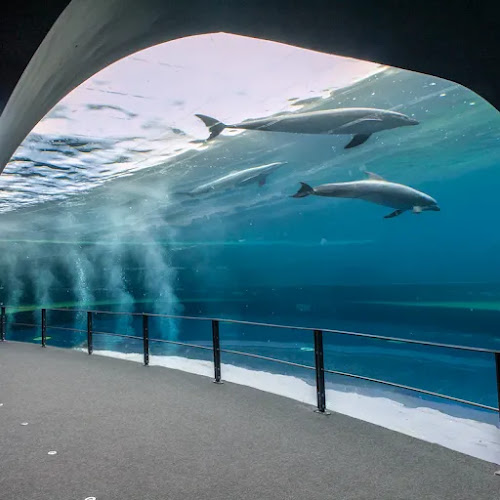
The Acquario di Genova packs an incredible amount into its exhibition spaces, offering experiences that appeal to marine biology enthusiasts and casual visitors alike. Here's what makes this aquarium truly exceptional:- Dolphin Pavilion - The outdoor dolphin area provides one of the most memorable experiences at the aquarium, where visitors can observe these intelligent marine mammals in a large pool that allows for natural behaviors and social interaction
- Biodiversity Pavilion - This newer addition focuses on Madagascar's unique ecosystems and tropical forest environments, showing that biodiversity extends far beyond ocean waters
- Shark Tank - Walking through the underwater tunnel while sharks swim overhead creates an unforgettable perspective that photographs simply cannot capture adequately
- Tactile Tank - Interactive exhibits allow visitors (especially kids) to actually touch rays and other suitable marine species under supervised conditions, creating hands-on educational moments
- Jellyfish Exhibition - These ethereal creatures float in specially designed tanks with lighting that makes them look almost otherworldly – genuinely mesmerizing to watch
- Penguin Island - The Antarctic section houses adorable Magellanic penguins in a climate-controlled environment that replicates their natural habitat
- Tropical Reef Display - Vibrant coral reef ecosystems showcase the incredible colors and diversity found in warmer waters around the globe
- Mediterranean Tank - Since you're on the Mediterranean coast, seeing local species in their recreated environment adds regional context to your visit
- Seal Pool - These playful mammals provide endless entertainment, particularly during feeding times when their personalities really shine through
- Educational Programs - The aquarium offers workshops, guided tours, and special presentations throughout the day that deepen understanding of marine ecosystems
Best Time to Visit
Timing your visit to the Acquario di Genova can dramatically affect your experience. The aquarium attracts over 1.2 million visitors annually, making it one of Italy's most popular attractions, so strategic planning really matters here. Weekdays during the school year (September through early June, excluding holidays) offer the most peaceful experience. You'll still encounter other visitors, but the crowds remain manageable enough to actually spend time at each exhibit without feeling rushed. Tuesday through Thursday mornings right when the aquarium opens at 9:00 AM typically see the lightest crowds. I've talked to several travelers who visited during these windows, and they all mentioned having entire sections nearly to themselves for stretches of time. Weekends bring Italian families and international tourists in significant numbers. If weekends are your only option, arrive before 10:00 AM or after 3:00 PM to avoid the absolute peak rush. But honestly, middle-of-the-day weekend visits can feel overwhelming with the combination of crowds and noise echoing through the enclosed spaces. Summer months from June through August represent the busiest season. School holidays throughout Europe bring families to the Ligurian coast, and the aquarium sits high on everyone's itinerary. During these months, booking tickets online well in advance becomes essential – the aquarium frequently sells out days ahead. Plus, summer heat makes the air-conditioned aquarium even more appealing, drawing additional visitors seeking relief from the Mediterranean sun. Italian school holiday periods deserve special attention when planning. Easter week, Christmas through early January, and the weeks around Italian Liberation Day (April 25) and Republic Day (June 2) see massive local crowds. These periods can test your patience unless you're prepared for the hustle. Weather actually plays a role in aquarium crowds too. Rainy days in Genoa send everyone indoors, making the aquarium especially packed. Conversely, gorgeous sunny days pull some visitors toward the beach and outdoor activities, potentially thinning crowds at indoor attractions. For the absolute best experience, aim for a weekday morning in October or November. Autumn in Genoa brings mild temperatures, fewer tourists, and the aquarium feels much more relaxed. Spring months of April and May (outside holiday weeks) work wonderfully too, though they tend to be slightly busier than autumn.How to Get There
Getting to the Acquario di Genova is remarkably straightforward regardless of where you're coming from. The Porto Antico location puts the aquarium in the heart of Genoa's accessible waterfront district. If you're arriving by train – which honestly makes the most sense for most travelers – Genoa has two main stations: Principe and Brignole. From Principe station, you can actually walk to the aquarium in about 15 minutes through the historic center. It's a pleasant route that takes you past interesting architecture and gives you a feel for the city. From Brignole station, the walk extends to around 30 minutes, or you can catch a bus (routes 1 or 13) that drops you near the Porto Antico. Driving into Genoa presents the usual challenges of any Italian city – narrow streets, confusing signage, and aggressive local drivers. But if you're committed to driving, follow signs for "Porto Antico" or "Acquario." Paid parking lots sit within walking distance of the aquarium. The Calata Cattaneo parking facility is closest, though it fills up quickly on busy days. Parking isn't cheap in this area (expect around €2-3 per hour), but it's secure and convenient. The Genoa airport, Cristoforo Colombo, is about 10 kilometers from the city center. The Volabus shuttle service runs regularly between the airport and Principe train station, taking roughly 30 minutes and costing just a few euros. From there, it's that easy walk to the aquarium. Taxis from the airport run around €20-25, which might make sense if you've got luggage or are traveling as a group. For those staying elsewhere on the Italian Riviera or French Riviera, Genoa's train connections are excellent. Direct trains from Nice, Santa Margherita Ligure, Cinque Terre, and La Spezia make day trips entirely feasible. The coastal train ride itself offers stunning Mediterranean views that add to the overall experience. Once you're in the Porto Antico area, you really can't miss the aquarium. It's the massive ship-shaped building dominating the waterfront. The area is pedestrian-friendly with clear signage pointing visitors toward the entrance. Public transportation within Genoa uses an integrated ticket system. A single ticket costs around €1.50 and is valid for 100 minutes across buses and metro. But honestly, if you're staying anywhere near the center, walking to the aquarium makes more sense and lets you experience more of the city.Tips for Visiting
Making the most of your Acquario di Genova visit requires a bit of insider knowledge. After hearing from dozens of visitors and piecing together experiences, these practical tips can transform a good visit into a great one. Purchase tickets online before you arrive. This cannot be stressed enough. The ticket office lines can stretch ridiculously long during peak times, eating up valuable time you could spend inside. Online tickets usually cost the same and let you enter through a faster queue. Some websites offer combination tickets that include other Porto Antico attractions like the Biosphere or the Galata Maritime Museum, which can save money if you're planning a full day in the area. Plan for at least three hours inside. Many first-time visitors underestimate how much there is to see and end up rushing through the later sections. The aquarium's layout guides you through a specific path, and each ecosystem deserves proper attention. If you're traveling with kids who want to participate in all the interactive elements, budget even more time. The cafeteria inside serves predictably overpriced tourist food. It's not terrible, but it's not great either. Consider eating before you arrive or after you finish. The Porto Antico has numerous restaurants and cafes within a five-minute walk, offering better value and quality. That said, if you've got young kids who need snacks, bringing your own is perfectly acceptable – just be discreet about it. Feeding times offer the most dynamic animal viewing. Check the daily schedule posted at the entrance or on their website for exact times. Watching the dolphins or penguins during feeding sessions reveals their personalities and behaviors you'd miss during passive viewing. These presentations also include keeper talks explaining interesting facts about the animals. Photography is allowed throughout the aquarium without flash. But here's something many visitors discover too late – photographing through glass tanks is tricky. Get close to the glass and angle your camera to minimize reflections. The lighting in most tanks is optimized for viewing rather than photography, so accept that your photos might not match what your eyes see. Wear comfortable shoes. This sounds obvious, but the aquarium involves a lot of walking and standing on hard floors. Those cute sandals or fashionable but unsupportive shoes will leave your feet aching halfway through. The accessibility features are genuinely well-implemented. Wheelchair users can navigate the entire facility with relative ease thanks to ramps and elevators. The staff seems well-trained in assisting visitors with mobility challenges. If you need specific accommodations, calling ahead helps ensure everything's arranged. Families with strollers face a decision – bring it or wear the baby. The aquarium accommodates strollers, but maneuvering through crowds during busy times can be frustrating. Some parents prefer baby carriers for easier mobility. Storage areas near the entrance can hold strollers if you change your mind. Download the aquarium's app if you want deeper information about specific species and exhibits. It offers additional content beyond what's on the display placards, though honestly, the placards themselves are pretty comprehensive. Visit the gift shop after you've toured the exhibits rather than before. This prevents carrying bags through the crowded spaces and reduces the temptation to buy things your kids point at before they've even seen the animals. The bathrooms can develop long lines during peak hours. Use them opportunistically when you see no wait rather than waiting until urgency strikes. One unexpected tip – the temperature inside stays quite cool to preserve the aquatic environments. Even on hot summer days, bringing a light sweater or jacket makes sense, especially for kids who get cold easily. Finally, manage expectations about animal activity. Marine life doesn't perform on demand. Some visits you'll see dolphins leaping and playing; other times they'll be resting. Sharks might swim right past the viewing glass or stay on the far side of their tank. That's the nature of observing living creatures in as natural an environment as possible. The unpredictability is actually part of what makes each visit unique.Key Features
- Large, diverse exhibits covering Mediterranean to tropical and polar ecosystems
- Signature large tanks with sharks, rays and schooling fish
- Dolphin area and encounters/experiences (bookable) offered by the aquarium
- Interactive and educational displays focused on marine conservation
- Waterfront location in Porto Antico with easy access to other attractions
More Details
Updated March 30, 2026
Table of Contents
Description
The Acquario di Genova stands as Europe’s largest aquarium and one of the most impressive marine exhibitions anywhere in the world. Located right on the historic Porto Antico waterfront, this massive facility takes visitors on an incredible journey through Earth’s aquatic ecosystems. When I first heard about the scale of this place, I honestly thought people were exaggerating – but walking through those enormous halls filled with over 12,000 animals representing 600 different species really puts things in perspective.
The aquarium sprawls across nearly 10,000 square meters of exhibition space, which sounds technical until you actually experience it. You’re not just looking at fish in tanks here. The designers created entire underwater worlds that replicate specific marine environments from the Mediterranean Sea to tropical coral reefs to Antarctic waters. Each area feels purposefully crafted to transport visitors into these aquatic realms, making it less of a traditional aquarium visit and more of an immersive expedition.
What really sets this attraction apart is how it balances entertainment with genuine conservation messaging. The facility participates in international breeding programs for endangered species and conducts serious marine research. But they manage to communicate all this without being preachy or boring, which is honestly refreshing. You’ll find yourself learning about ocean conservation almost accidentally while being mesmerized by a shark gliding past your face or dolphins playing in their spacious pools.
The building itself has an interesting history too. Designed by renowned architect Renzo Piano for Genoa’s 1992 Expo, it’s become an architectural landmark that helped revitalize the entire Old Port area. And let me tell you, that renovation really paid off – the whole waterfront district now buzzes with activity.
Key Features
The Acquario di Genova packs an incredible amount into its exhibition spaces, offering experiences that appeal to marine biology enthusiasts and casual visitors alike. Here’s what makes this aquarium truly exceptional:
- Dolphin Pavilion – The outdoor dolphin area provides one of the most memorable experiences at the aquarium, where visitors can observe these intelligent marine mammals in a large pool that allows for natural behaviors and social interaction
- Biodiversity Pavilion – This newer addition focuses on Madagascar’s unique ecosystems and tropical forest environments, showing that biodiversity extends far beyond ocean waters
- Shark Tank – Walking through the underwater tunnel while sharks swim overhead creates an unforgettable perspective that photographs simply cannot capture adequately
- Tactile Tank – Interactive exhibits allow visitors (especially kids) to actually touch rays and other suitable marine species under supervised conditions, creating hands-on educational moments
- Jellyfish Exhibition – These ethereal creatures float in specially designed tanks with lighting that makes them look almost otherworldly – genuinely mesmerizing to watch
- Penguin Island – The Antarctic section houses adorable Magellanic penguins in a climate-controlled environment that replicates their natural habitat
- Tropical Reef Display – Vibrant coral reef ecosystems showcase the incredible colors and diversity found in warmer waters around the globe
- Mediterranean Tank – Since you’re on the Mediterranean coast, seeing local species in their recreated environment adds regional context to your visit
- Seal Pool – These playful mammals provide endless entertainment, particularly during feeding times when their personalities really shine through
- Educational Programs – The aquarium offers workshops, guided tours, and special presentations throughout the day that deepen understanding of marine ecosystems
Best Time to Visit
Timing your visit to the Acquario di Genova can dramatically affect your experience. The aquarium attracts over 1.2 million visitors annually, making it one of Italy’s most popular attractions, so strategic planning really matters here.
Weekdays during the school year (September through early June, excluding holidays) offer the most peaceful experience. You’ll still encounter other visitors, but the crowds remain manageable enough to actually spend time at each exhibit without feeling rushed. Tuesday through Thursday mornings right when the aquarium opens at 9:00 AM typically see the lightest crowds. I’ve talked to several travelers who visited during these windows, and they all mentioned having entire sections nearly to themselves for stretches of time.
Weekends bring Italian families and international tourists in significant numbers. If weekends are your only option, arrive before 10:00 AM or after 3:00 PM to avoid the absolute peak rush. But honestly, middle-of-the-day weekend visits can feel overwhelming with the combination of crowds and noise echoing through the enclosed spaces.
Summer months from June through August represent the busiest season. School holidays throughout Europe bring families to the Ligurian coast, and the aquarium sits high on everyone’s itinerary. During these months, booking tickets online well in advance becomes essential – the aquarium frequently sells out days ahead. Plus, summer heat makes the air-conditioned aquarium even more appealing, drawing additional visitors seeking relief from the Mediterranean sun.
Italian school holiday periods deserve special attention when planning. Easter week, Christmas through early January, and the weeks around Italian Liberation Day (April 25) and Republic Day (June 2) see massive local crowds. These periods can test your patience unless you’re prepared for the hustle.
Weather actually plays a role in aquarium crowds too. Rainy days in Genoa send everyone indoors, making the aquarium especially packed. Conversely, gorgeous sunny days pull some visitors toward the beach and outdoor activities, potentially thinning crowds at indoor attractions.
For the absolute best experience, aim for a weekday morning in October or November. Autumn in Genoa brings mild temperatures, fewer tourists, and the aquarium feels much more relaxed. Spring months of April and May (outside holiday weeks) work wonderfully too, though they tend to be slightly busier than autumn.
How to Get There
Getting to the Acquario di Genova is remarkably straightforward regardless of where you’re coming from. The Porto Antico location puts the aquarium in the heart of Genoa’s accessible waterfront district.
If you’re arriving by train – which honestly makes the most sense for most travelers – Genoa has two main stations: Principe and Brignole. From Principe station, you can actually walk to the aquarium in about 15 minutes through the historic center. It’s a pleasant route that takes you past interesting architecture and gives you a feel for the city. From Brignole station, the walk extends to around 30 minutes, or you can catch a bus (routes 1 or 13) that drops you near the Porto Antico.
Driving into Genoa presents the usual challenges of any Italian city – narrow streets, confusing signage, and aggressive local drivers. But if you’re committed to driving, follow signs for “Porto Antico” or “Acquario.” Paid parking lots sit within walking distance of the aquarium. The Calata Cattaneo parking facility is closest, though it fills up quickly on busy days. Parking isn’t cheap in this area (expect around €2-3 per hour), but it’s secure and convenient.
The Genoa airport, Cristoforo Colombo, is about 10 kilometers from the city center. The Volabus shuttle service runs regularly between the airport and Principe train station, taking roughly 30 minutes and costing just a few euros. From there, it’s that easy walk to the aquarium. Taxis from the airport run around €20-25, which might make sense if you’ve got luggage or are traveling as a group.
For those staying elsewhere on the Italian Riviera or French Riviera, Genoa’s train connections are excellent. Direct trains from Nice, Santa Margherita Ligure, Cinque Terre, and La Spezia make day trips entirely feasible. The coastal train ride itself offers stunning Mediterranean views that add to the overall experience.
Once you’re in the Porto Antico area, you really can’t miss the aquarium. It’s the massive ship-shaped building dominating the waterfront. The area is pedestrian-friendly with clear signage pointing visitors toward the entrance.
Public transportation within Genoa uses an integrated ticket system. A single ticket costs around €1.50 and is valid for 100 minutes across buses and metro. But honestly, if you’re staying anywhere near the center, walking to the aquarium makes more sense and lets you experience more of the city.
Tips for Visiting
Making the most of your Acquario di Genova visit requires a bit of insider knowledge. After hearing from dozens of visitors and piecing together experiences, these practical tips can transform a good visit into a great one.
Purchase tickets online before you arrive. This cannot be stressed enough. The ticket office lines can stretch ridiculously long during peak times, eating up valuable time you could spend inside. Online tickets usually cost the same and let you enter through a faster queue. Some websites offer combination tickets that include other Porto Antico attractions like the Biosphere or the Galata Maritime Museum, which can save money if you’re planning a full day in the area.
Plan for at least three hours inside. Many first-time visitors underestimate how much there is to see and end up rushing through the later sections. The aquarium’s layout guides you through a specific path, and each ecosystem deserves proper attention. If you’re traveling with kids who want to participate in all the interactive elements, budget even more time.
The cafeteria inside serves predictably overpriced tourist food. It’s not terrible, but it’s not great either. Consider eating before you arrive or after you finish. The Porto Antico has numerous restaurants and cafes within a five-minute walk, offering better value and quality. That said, if you’ve got young kids who need snacks, bringing your own is perfectly acceptable – just be discreet about it.
Feeding times offer the most dynamic animal viewing. Check the daily schedule posted at the entrance or on their website for exact times. Watching the dolphins or penguins during feeding sessions reveals their personalities and behaviors you’d miss during passive viewing. These presentations also include keeper talks explaining interesting facts about the animals.
Photography is allowed throughout the aquarium without flash. But here’s something many visitors discover too late – photographing through glass tanks is tricky. Get close to the glass and angle your camera to minimize reflections. The lighting in most tanks is optimized for viewing rather than photography, so accept that your photos might not match what your eyes see.
Wear comfortable shoes. This sounds obvious, but the aquarium involves a lot of walking and standing on hard floors. Those cute sandals or fashionable but unsupportive shoes will leave your feet aching halfway through.
The accessibility features are genuinely well-implemented. Wheelchair users can navigate the entire facility with relative ease thanks to ramps and elevators. The staff seems well-trained in assisting visitors with mobility challenges. If you need specific accommodations, calling ahead helps ensure everything’s arranged.
Families with strollers face a decision – bring it or wear the baby. The aquarium accommodates strollers, but maneuvering through crowds during busy times can be frustrating. Some parents prefer baby carriers for easier mobility. Storage areas near the entrance can hold strollers if you change your mind.
Download the aquarium’s app if you want deeper information about specific species and exhibits. It offers additional content beyond what’s on the display placards, though honestly, the placards themselves are pretty comprehensive.
Visit the gift shop after you’ve toured the exhibits rather than before. This prevents carrying bags through the crowded spaces and reduces the temptation to buy things your kids point at before they’ve even seen the animals.
The bathrooms can develop long lines during peak hours. Use them opportunistically when you see no wait rather than waiting until urgency strikes.
One unexpected tip – the temperature inside stays quite cool to preserve the aquatic environments. Even on hot summer days, bringing a light sweater or jacket makes sense, especially for kids who get cold easily.
Finally, manage expectations about animal activity. Marine life doesn’t perform on demand. Some visits you’ll see dolphins leaping and playing; other times they’ll be resting. Sharks might swim right past the viewing glass or stay on the far side of their tank. That’s the nature of observing living creatures in as natural an environment as possible. The unpredictability is actually part of what makes each visit unique.
Key Highlights
- Large, diverse exhibits covering Mediterranean to tropical and polar ecosystems
- Signature large tanks with sharks, rays and schooling fish
- Dolphin area and encounters/experiences (bookable) offered by the aquarium
- Interactive and educational displays focused on marine conservation
- Waterfront location in Porto Antico with easy access to other attractions
Location
Places to Stay Near Acquario di Genova
Find and Book a Tour
Explore More Travel Guides
No reviews found! Be the first to review!
Acquario di Genova is a prominent attractions located in Genoa.
Visit us at: Ponte Spinola, 16128 Genova GE, Italy.
Traveler Reviews for Acquario di Genova
There are no reviews yet. Be the first one to write one.
Have you visited Acquario di Genova? Help other travelers by sharing your review.
Nearby Attractions
Find Accommodations Nearby
Recommended Tours & Activities
Visitor Reviews
There are no reviews yet. Be the first one to write one.
Share Your Experience
Have you visited Acquario di Genova? Help other travelers by leaving a review.
