

Natural Area Parco delle Mura
About Natural Area Parco delle Mura
Description
Parco delle Mura offers travelers something that's increasingly hard to find in today's world—a genuine escape that doesn't require you to venture hours away from civilization. This forested mountain area stretches across hillsides where ancient fortifications tell stories of centuries past, while well-maintained trails invite modern adventurers to explore at their own pace. And honestly, that's what makes this place special in my book. The park's defining characteristic is its unique blend of natural beauty and historical significance. Those hilltop forts weren't just randomly placed—they served strategic purposes throughout different periods of history, and now they punctuate your hiking experience with tangible connections to the past. I've always found that walking through places like this gives you a different perspective than staring at artifacts behind museum glass. Here, you're literally following in the footsteps of those who came before. What strikes most visitors first is the sheer scope of the trail network. We're talking about a comprehensive system that accommodates everyone from casual morning walkers to serious hikers looking for a challenging workout. The paths wind through dense forest coverage that provides natural temperature regulation even during warmer months. You'll find yourself moving between sun-dappled clearings and cool, shaded stretches that make the journey feel almost meditative. The fortifications themselves range from well-preserved structures to atmospheric ruins that spark the imagination. Some travelers rush past these historical markers, but I'd argue they're missing half the experience. Take a moment to climb up to these elevated positions and you'll understand why they were built where they were—the views alone justify the visit, even if you're not particularly interested in military history.Key Features
The Natural Area Parco delle Mura delivers an impressive array of features that cater to different visitor needs and preferences:- Extensive Trail Network: Multiple interconnected paths ranging from easy walks to more demanding hikes, giving you the freedom to customize your experience based on your fitness level and available time
- Historical Fort System: Several hilltop fortifications scattered throughout the park that serve as both destinations and landmarks for navigation during your explorations
- Forest Environment: Dense tree coverage creating a natural canopy that moderates temperatures and provides habitat for local wildlife
- Cycling Infrastructure: Dedicated bike lanes allowing cyclists to safely enjoy the park alongside hikers and walkers
- Wheelchair Accessible Facilities: Parking areas designed to accommodate visitors with mobility considerations
- Picnic Areas: Designated spots with tables where families can settle in for meals surrounded by nature
- Dog-Friendly Spaces: Areas specifically welcoming to four-legged companions, including a dedicated dog park where pets can socialize
- Kid-Appropriate Trails: Routes suitable for children's shorter legs and attention spans, making this a realistic family destination rather than just a hardcore hiker's paradise
- Out-and-Back Options: Trail configurations that let you turn around whenever you want without worrying about completing a full loop
- Varied Difficulty Levels: Clear indicators helping you choose paths that match your abilities and ambitions for the day
Best Time to Visit
Timing your visit to Parco delle Mura can make the difference between a good experience and a great one. Spring months from April through early June offer what many consider the sweet spot. The forests are waking up, wildflowers start appearing along the trails, and temperatures sit in that comfortable range where you're not freezing or sweating buckets. Plus, the daylight hours are getting longer, giving you more flexibility with your schedule. Fall, particularly September and October, runs a close second in terms of ideal visiting conditions. The summer crowds have thinned out, the colors in the forest shift into those gorgeous autumn tones, and the cooler air actually makes longer hikes more enjoyable. I've found that October especially delivers stunning photography opportunities if that's your thing. Summer technically works, but you need to adjust your expectations and timing. The forest canopy does provide relief, but midday heat can still make longer trails feel like more of a slog than an adventure. Early morning visits become essential during July and August—aim to start your hike by 7 or 8 AM and you'll beat both the heat and the crowds. The extended daylight hours mean you could also do evening visits, though visibility in the forest decreases faster than you might expect. Winter visits require more careful planning. Some trails can become muddy or icy, and the bare trees change the entire character of the landscape. But if you're properly equipped and choose your routes wisely, you might discover you have significant portions of the park almost entirely to yourself. There's something peaceful about winter hiking that summer visits just can't replicate. Weekdays versus weekends makes a noticeable difference regardless of season. Saturday and Sunday mornings see families, joggers, cyclists, and hikers all converging on popular trails. If you're seeking solitude or just prefer not navigating around groups taking selfies, weekday visits deliver a completely different atmosphere.How to Get There
Reaching Parco delle Mura is more straightforward than you might expect for a natural area of this size. The park benefits from its proximity to urban areas, making it accessible without requiring elaborate expedition planning. For those driving, the park maintains several entrance points with dedicated parking facilities. The wheelchair-accessible parking lots I mentioned earlier are clearly marked and typically located near the more accessible trail entrances. GPS coordinates work reliably for finding these lots, though I'd recommend downloading offline maps as a backup—cell coverage can get spotty once you're deeper into the forested areas. Public transportation serves the park reasonably well, though schedules vary depending on the day of week and season. Bus routes connect to several entrance points, making car-free visits entirely feasible. Just double-check return schedules before you head out, especially if you're visiting during off-peak times. Missing the last bus and facing a long walk back to town isn't anyone's idea of a perfect ending to a nature outing. Cycling to the park has become increasingly popular, and the infrastructure supports it. Bike lanes connect to the broader cycling network in the surrounding area, and once you arrive, you can continue riding on designated paths within the park itself. Secure bike racks are available at major access points. If you're staying in the general vicinity, some entrance points are within reasonable walking distance from accommodation areas. This obviously depends on where exactly you're based, but it's worth checking whether you can simply walk to the park rather than dealing with transportation logistics. Taxi services and rideshare apps work for getting to and from the park, though availability for pickups from less-traveled entrance points can be hit or miss. Having a backup plan or being prepared for a walk to a more accessible pickup location is smart.Tips for Visiting
Let me share some practical wisdom that'll help you make the most of your Parco delle Mura experience. First off, footwear matters more than you think. I've seen too many people attempt trails in completely inappropriate shoes and end up uncomfortable or worse. Proper hiking boots or at least sturdy athletic shoes with good tread will transform your visit. The trails vary significantly in terrain, and what looks fine on a map can include rocks, roots, and uneven surfaces. Water and snacks aren't optional—they're essential. Even on shorter hikes, having hydration and some energy food in your pack makes sense. The picnic tables scattered throughout the park are perfect for taking breaks, but don't count on finding facilities or vendors inside the park itself. Come prepared with whatever you'll need. For families visiting with children, picking age-appropriate trails is crucial but don't underestimate what kids can handle when they're engaged. The fort ruins serve as excellent motivation points—kids who might complain about "just walking" often get excited about reaching historical structures. Framing the hike as an adventure or exploration mission rather than exercise works wonders. Dog owners should bring waste bags and be respectful of other visitors. While dogs are allowed in most areas and there's even a dedicated dog park, keeping your pet under control on shared trails is basic courtesy. Some dogs get overexcited around other hikers or cyclists, creating situations that are preventable with proper management. Trail difficulty ratings exist for a reason. If you're not a regular hiker, starting with easier routes and working your way up makes more sense than biting off more than you can chew and spending the next day unable to walk properly. There's no shame in choosing routes that match your current fitness level—you'll enjoy the experience far more. Bringing a physical map or downloading offline trail maps before you arrive saves headaches when cell service drops. GPS works, but apps that require data connection become useless in dead zones. Old school paper maps never run out of battery either. Photography enthusiasts should consider bringing multiple lenses if you're serious about capturing the experience. The forested areas require different equipment than the open fort areas, and wildlife opportunities pop up when you least expect them. Check weather forecasts before heading out and dress in layers. Forest microclimates can be surprisingly different from surrounding areas, and you'll warm up once you start moving. That jacket that seemed unnecessary at the trailhead might be perfect at a shady fort on a hilltop. Starting early isn't just about avoiding crowds—it's about experiencing the park at its best. Morning light filtering through the forest canopy creates magical moments that midday sun just can't match. Plus wildlife is more active during early hours. Finally, respect the space. Pack out everything you pack in, stay on marked trails to protect the ecosystem, and remember that you're a guest in this environment. These seem like obvious points, but parks like this depend on visitors treating them responsibly to remain accessible and beautiful for future travelers.Key Features
- 17th–19th century fortifications and the Mura Nuove (New Walls)
- Extensive network of hiking and trail-running paths across 617 hectares
- Panoramic viewpoints over Genoa and the Ligurian Sea
- Accessible from the city via funiculars and short urban approaches
- Diverse Mediterranean woodland (oak, chestnut, maquis) and quiet picnic spots
More Details
Updated March 30, 2026
Table of Contents
Description
Parco delle Mura offers travelers something that’s increasingly hard to find in today’s world—a genuine escape that doesn’t require you to venture hours away from civilization. This forested mountain area stretches across hillsides where ancient fortifications tell stories of centuries past, while well-maintained trails invite modern adventurers to explore at their own pace. And honestly, that’s what makes this place special in my book.
The park’s defining characteristic is its unique blend of natural beauty and historical significance. Those hilltop forts weren’t just randomly placed—they served strategic purposes throughout different periods of history, and now they punctuate your hiking experience with tangible connections to the past. I’ve always found that walking through places like this gives you a different perspective than staring at artifacts behind museum glass. Here, you’re literally following in the footsteps of those who came before.
What strikes most visitors first is the sheer scope of the trail network. We’re talking about a comprehensive system that accommodates everyone from casual morning walkers to serious hikers looking for a challenging workout. The paths wind through dense forest coverage that provides natural temperature regulation even during warmer months. You’ll find yourself moving between sun-dappled clearings and cool, shaded stretches that make the journey feel almost meditative.
The fortifications themselves range from well-preserved structures to atmospheric ruins that spark the imagination. Some travelers rush past these historical markers, but I’d argue they’re missing half the experience. Take a moment to climb up to these elevated positions and you’ll understand why they were built where they were—the views alone justify the visit, even if you’re not particularly interested in military history.
Key Features
The Natural Area Parco delle Mura delivers an impressive array of features that cater to different visitor needs and preferences:
- Extensive Trail Network: Multiple interconnected paths ranging from easy walks to more demanding hikes, giving you the freedom to customize your experience based on your fitness level and available time
- Historical Fort System: Several hilltop fortifications scattered throughout the park that serve as both destinations and landmarks for navigation during your explorations
- Forest Environment: Dense tree coverage creating a natural canopy that moderates temperatures and provides habitat for local wildlife
- Cycling Infrastructure: Dedicated bike lanes allowing cyclists to safely enjoy the park alongside hikers and walkers
- Wheelchair Accessible Facilities: Parking areas designed to accommodate visitors with mobility considerations
- Picnic Areas: Designated spots with tables where families can settle in for meals surrounded by nature
- Dog-Friendly Spaces: Areas specifically welcoming to four-legged companions, including a dedicated dog park where pets can socialize
- Kid-Appropriate Trails: Routes suitable for children’s shorter legs and attention spans, making this a realistic family destination rather than just a hardcore hiker’s paradise
- Out-and-Back Options: Trail configurations that let you turn around whenever you want without worrying about completing a full loop
- Varied Difficulty Levels: Clear indicators helping you choose paths that match your abilities and ambitions for the day
Best Time to Visit
Timing your visit to Parco delle Mura can make the difference between a good experience and a great one. Spring months from April through early June offer what many consider the sweet spot. The forests are waking up, wildflowers start appearing along the trails, and temperatures sit in that comfortable range where you’re not freezing or sweating buckets. Plus, the daylight hours are getting longer, giving you more flexibility with your schedule.
Fall, particularly September and October, runs a close second in terms of ideal visiting conditions. The summer crowds have thinned out, the colors in the forest shift into those gorgeous autumn tones, and the cooler air actually makes longer hikes more enjoyable. I’ve found that October especially delivers stunning photography opportunities if that’s your thing.
Summer technically works, but you need to adjust your expectations and timing. The forest canopy does provide relief, but midday heat can still make longer trails feel like more of a slog than an adventure. Early morning visits become essential during July and August—aim to start your hike by 7 or 8 AM and you’ll beat both the heat and the crowds. The extended daylight hours mean you could also do evening visits, though visibility in the forest decreases faster than you might expect.
Winter visits require more careful planning. Some trails can become muddy or icy, and the bare trees change the entire character of the landscape. But if you’re properly equipped and choose your routes wisely, you might discover you have significant portions of the park almost entirely to yourself. There’s something peaceful about winter hiking that summer visits just can’t replicate.
Weekdays versus weekends makes a noticeable difference regardless of season. Saturday and Sunday mornings see families, joggers, cyclists, and hikers all converging on popular trails. If you’re seeking solitude or just prefer not navigating around groups taking selfies, weekday visits deliver a completely different atmosphere.
How to Get There
Reaching Parco delle Mura is more straightforward than you might expect for a natural area of this size. The park benefits from its proximity to urban areas, making it accessible without requiring elaborate expedition planning.
For those driving, the park maintains several entrance points with dedicated parking facilities. The wheelchair-accessible parking lots I mentioned earlier are clearly marked and typically located near the more accessible trail entrances. GPS coordinates work reliably for finding these lots, though I’d recommend downloading offline maps as a backup—cell coverage can get spotty once you’re deeper into the forested areas.
Public transportation serves the park reasonably well, though schedules vary depending on the day of week and season. Bus routes connect to several entrance points, making car-free visits entirely feasible. Just double-check return schedules before you head out, especially if you’re visiting during off-peak times. Missing the last bus and facing a long walk back to town isn’t anyone’s idea of a perfect ending to a nature outing.
Cycling to the park has become increasingly popular, and the infrastructure supports it. Bike lanes connect to the broader cycling network in the surrounding area, and once you arrive, you can continue riding on designated paths within the park itself. Secure bike racks are available at major access points.
If you’re staying in the general vicinity, some entrance points are within reasonable walking distance from accommodation areas. This obviously depends on where exactly you’re based, but it’s worth checking whether you can simply walk to the park rather than dealing with transportation logistics.
Taxi services and rideshare apps work for getting to and from the park, though availability for pickups from less-traveled entrance points can be hit or miss. Having a backup plan or being prepared for a walk to a more accessible pickup location is smart.
Tips for Visiting
Let me share some practical wisdom that’ll help you make the most of your Parco delle Mura experience. First off, footwear matters more than you think. I’ve seen too many people attempt trails in completely inappropriate shoes and end up uncomfortable or worse. Proper hiking boots or at least sturdy athletic shoes with good tread will transform your visit. The trails vary significantly in terrain, and what looks fine on a map can include rocks, roots, and uneven surfaces.
Water and snacks aren’t optional—they’re essential. Even on shorter hikes, having hydration and some energy food in your pack makes sense. The picnic tables scattered throughout the park are perfect for taking breaks, but don’t count on finding facilities or vendors inside the park itself. Come prepared with whatever you’ll need.
For families visiting with children, picking age-appropriate trails is crucial but don’t underestimate what kids can handle when they’re engaged. The fort ruins serve as excellent motivation points—kids who might complain about “just walking” often get excited about reaching historical structures. Framing the hike as an adventure or exploration mission rather than exercise works wonders.
Dog owners should bring waste bags and be respectful of other visitors. While dogs are allowed in most areas and there’s even a dedicated dog park, keeping your pet under control on shared trails is basic courtesy. Some dogs get overexcited around other hikers or cyclists, creating situations that are preventable with proper management.
Trail difficulty ratings exist for a reason. If you’re not a regular hiker, starting with easier routes and working your way up makes more sense than biting off more than you can chew and spending the next day unable to walk properly. There’s no shame in choosing routes that match your current fitness level—you’ll enjoy the experience far more.
Bringing a physical map or downloading offline trail maps before you arrive saves headaches when cell service drops. GPS works, but apps that require data connection become useless in dead zones. Old school paper maps never run out of battery either.
Photography enthusiasts should consider bringing multiple lenses if you’re serious about capturing the experience. The forested areas require different equipment than the open fort areas, and wildlife opportunities pop up when you least expect them.
Check weather forecasts before heading out and dress in layers. Forest microclimates can be surprisingly different from surrounding areas, and you’ll warm up once you start moving. That jacket that seemed unnecessary at the trailhead might be perfect at a shady fort on a hilltop.
Starting early isn’t just about avoiding crowds—it’s about experiencing the park at its best. Morning light filtering through the forest canopy creates magical moments that midday sun just can’t match. Plus wildlife is more active during early hours.
Finally, respect the space. Pack out everything you pack in, stay on marked trails to protect the ecosystem, and remember that you’re a guest in this environment. These seem like obvious points, but parks like this depend on visitors treating them responsibly to remain accessible and beautiful for future travelers.
Key Highlights
- 17th–19th century fortifications and the Mura Nuove (New Walls)
- Extensive network of hiking and trail-running paths across 617 hectares
- Panoramic viewpoints over Genoa and the Ligurian Sea
- Accessible from the city via funiculars and short urban approaches
- Diverse Mediterranean woodland (oak, chestnut, maquis) and quiet picnic spots
Location
Places to Stay Near Natural Area Parco delle Mura
Find and Book a Tour
Explore More Travel Guides
No reviews found! Be the first to review!
Natural Area Parco delle Mura is a prominent attractions located in Genoa.
Visit us at: Genoa, Metropolitan City of Genoa, Italy.
Traveler Reviews for Natural Area Parco delle Mura
There are no reviews yet. Be the first one to write one.
Have you visited Natural Area Parco delle Mura? Help other travelers by sharing your review.
Nearby Attractions
You Might Also Like
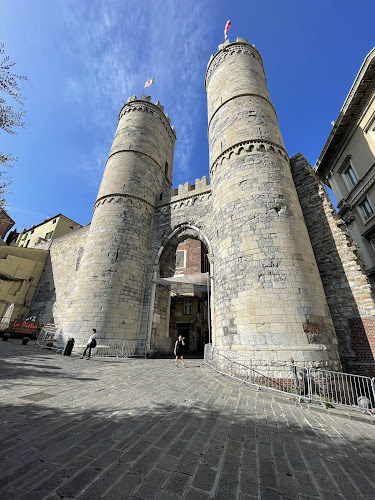
Porta Soprana

Palazzo Spinola National Gallery

Palazzo Doria Tursi
Find Accommodations Nearby
Recommended Tours & Activities
Visitor Reviews
There are no reviews yet. Be the first one to write one.
Share Your Experience
Have you visited Natural Area Parco delle Mura? Help other travelers by leaving a review.