About Royal Palace Museum

Description

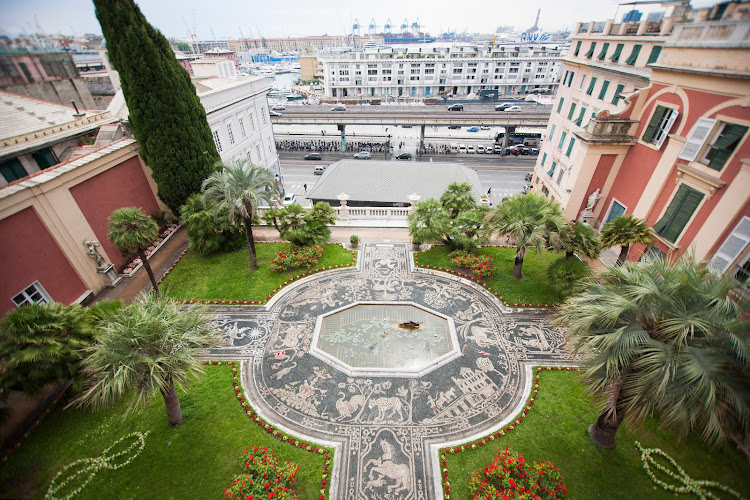
The Royal Palace Museum stands as one of those remarkable places that genuinely transports you back to an era of absolute monarchy and aristocratic splendor. When I first walked through those grand doors, I'll admit I wasn't quite prepared for the sheer opulence that awaited inside. This former royal residence has been transformed into a museum that showcases the lavish lifestyle of royalty through its remarkably preserved interiors, and honestly, calling it impressive would be an understatement. The palace itself is an architectural masterpiece that speaks volumes about the craftsmanship of its time. What really sets this museum apart from other historical attractions is the exceptional quality of its stuccowork and the breathtaking frescos that adorn the ceilings and walls throughout. Every room tells its own story, and you can spend hours just looking up at the intricate details that master artisans painstakingly created centuries ago. The Hall of Mirrors might just be the crown jewel of the entire palace. Walking through this spectacular gallery feels like stepping into a fairy tale, with light bouncing off countless mirrors creating an almost magical atmosphere. The ballroom is another space that leaves visitors speechless – imagine the grand celebrations and royal festivities that once filled this room with music and dancing. And then there's the throne room, where you can almost feel the weight of history and the presence of monarchs who once held court here. What makes the Royal Palace Museum particularly appealing to modern travelers is how accessible it is to everyone. The museum management has done an excellent job ensuring that visitors of all abilities can experience this historical treasure, which isn't always the case with older buildings. Families will find it welcoming and educational for children, though I'd recommend preparing younger kids beforehand since there's quite a bit of walking involved and the "don't touch" rule can be challenging for little hands that want to explore.

Key Features

The Royal Palace Museum offers visitors an extraordinary journey through royal history with several standout features that make it worth every minute of your time: • The Hall of Mirrors showcases spectacular reflective surfaces that create stunning visual effects and demonstrate the technical sophistication of historical mirror-making techniques • Elaborate stuccowork throughout the palace displays the pinnacle of decorative plasterwork artistry, with intricate patterns and designs that have survived remarkably well over time • Original frescos painted directly onto walls and ceilings depict historical scenes, mythological figures, and royal symbolism that provide insight into the cultural values of the period • The grand ballroom with its soaring ceilings and elegant proportions gives visitors a sense of the scale and grandeur of royal entertainment • An impressive throne room where monarchs once received dignitaries and conducted official state business • Wheelchair accessible entrance and restroom facilities ensuring the palace is welcoming to all visitors • Period furnishings and decorative arts that help recreate the authentic atmosphere of royal living quarters • Architectural details including ornate moldings, gilded accents, and marble work that showcase exceptional craftsmanship • Multiple themed rooms each with distinct decoration styles representing different periods or purposes within the palace • Well-preserved historical artifacts that belonged to the royal family and provide tangible connections to past inhabitants

Best Time to Visit

Timing your visit to the Royal Palace Museum can make a huge difference in your overall experience. I learned this the hard way during my first visit when I showed up on a Saturday afternoon and found myself shoulder-to-shoulder with what felt like half the city's population. But let me share what I've figured out through multiple visits and chatting with locals. Weekday mornings, particularly Tuesday through Thursday, tend to be your best bet for a more relaxed experience. The museum opens its doors early, and if you can drag yourself there within the first hour of opening, you'll get to enjoy the palace with significantly fewer people around. There's something special about walking through those grand halls in relative quiet – you can actually hear your footsteps echo and take photographs without strangers accidentally photobombing your shots. The shoulder seasons of spring and fall offer ideal conditions for visiting. During these months the weather is pleasant for walking to and from the museum, and tourist crowds haven't reached their summer peak. Late April through early June is particularly lovely, and then again from September through October. Summer months bring the largest crowds since school holidays mean families are traveling, plus the palace can get surprisingly warm inside despite its thick walls. Winter visits have their own charm, though. The palace takes on a different character when there's snow outside, and the indoor spaces feel even more cozy and intimate. Plus, you'll encounter the smallest crowds during January and February. Just bundle up for your journey there because even though the palace has heating, historic buildings can be drafty. I'd suggest avoiding major holidays and long weekends unless you don't mind crowds. The museum is popular with both international tourists and locals, so national holidays can mean packed galleries. Also, if your schedule allows, aim for afternoon visits on weekdays after 2 PM – many tour groups have moved on by then, creating a second sweet spot for crowd avoidance.

How to Get There

Getting to the Royal Palace Museum is relatively straightforward, though like any popular attraction in a historic city center, you'll want to plan your route in advance. The palace sits in a central location that's well-connected by various forms of transportation, which honestly makes life easier for travelers who aren't familiar with the area. Public transportation is probably your best option. The museum is accessible via several bus routes that stop within easy walking distance. Depending on where you're staying, you might find a direct bus that drops you practically at the doorstep. The local transit system is generally reliable, and museum staff are used to giving directions to confused tourists, so don't hesitate to ask if you're unsure. For those staying in the city center, walking might actually be the most enjoyable way to reach the palace. The surrounding neighborhood has plenty of interesting architecture and local shops worth exploring along the way. I've always found that approaching the palace on foot gives you a better sense of how it fits into the urban landscape and lets you stumble upon those hidden cafes and bakeries that tourists usually miss. Taxis and ride-sharing services can drop you right at the entrance, which is convenient if you're traveling with young children, have mobility concerns, or simply want to maximize your time. Just be aware that depending on traffic conditions, driving might take longer than public transit during peak hours. If you're considering driving yourself, I'd think twice about that plan. Parking near the palace can be challenging and expensive. Historic city centers weren't designed with modern traffic in mind, and the narrow streets around the museum can be confusing even with GPS. There are parking garages within reasonable walking distance, but you'll pay premium rates and still need to navigate on foot for the final stretch. Many hotels offer shuttle services or can arrange transportation to major attractions including the Royal Palace Museum. This option costs a bit more but eliminates navigation stress entirely, which some travelers find worthwhile.

Tips for Visiting

After visiting the Royal Palace Museum several times and making pretty much every mistake possible during my first visit, I've compiled some practical advice that'll help you make the most of your experience. First things first – wear comfortable shoes. I cannot stress this enough. The palace floors are often marble or hardwood, and you'll be walking and standing for extended periods. Those fashionable but impractical shoes you packed might look great in photos, but your feet will hate you by the end. Trust me on this one. Photography policies vary in different sections of the museum, so pay attention to signage. Some rooms allow photos without flash, while others prohibit photography entirely to preserve delicate frescos and fabrics. I've seen visitors get quite upset when asked to put their cameras away, but these rules exist for good reason. The places where photos are allowed will give you plenty of material for your social media anyway. Bring water and maybe a small snack. While there's no restaurant on site, you can carry water bottles, and there are restrooms available when needed. The palace doesn't have climate control everywhere, and especially during summer months, staying hydrated matters. You'll see locals doing this, so don't feel awkward about it. Consider renting an audio guide if available. The additional context about what you're seeing transforms the visit from just looking at pretty rooms to actually understanding their historical significance. I initially skipped this thinking I could just read plaques, but there's often way more information in the audio guides than on wall text. Plan for at least two to three hours if you want to properly appreciate everything. Rushing through defeats the purpose, and you'll miss details that make the palace special. But I've also seen people spend five or six hours there, so adjust based on your interest level in decorative arts and history. The lighting inside can be dim in certain areas since bright lights would damage the artwork and furnishings. This creates a lovely atmospheric quality but means photographs might require some patience to get right. Your eyes will adjust, though some visitors find the dimness challenging after extended periods. If you're visiting with kids, prep them beforehand about the no-touching rule. Everything in the palace is either original or carefully restored, and even oils from fingertips can cause damage over time. Making it into a game or challenge can help younger children remember. Families are definitely welcome here, and you'll see plenty of children visiting, but engaged kids make for happier parents and other visitors. Check if the museum offers any special exhibitions or events during your visit. Sometimes they host evening programs, special tours, or temporary exhibits that provide additional value and unique experiences beyond the standard admission. The gift shop near the exit offers some genuinely nice souvenirs that aren't just tourist kitsch. If you're into decorative arts or history books, you might find some interesting items. However, prices reflect the museum setting, so budget accordingly. Lastly, be patient with yourself and the experience. Historic palaces can be overwhelming with their sensory richness, and that's perfectly normal. Take breaks when needed, find a bench and just sit with the beauty around you. The Royal Palace Museum rewards both active exploration and quiet contemplation, and finding your own rhythm makes for a much more memorable visit than trying to see everything as quickly as possible.

Key Features

  • Grand Baroque interiors and frescoed ceilings
  • Hall of Mirrors with ornate gilding and stucco
  • Picture gallery with works by major European masters
  • Original period furnishings and decorative arts
  • UNESCO Rolli-listed historic palace in Genoa’s center

More Details

Updated March 30, 2026

Description

The Royal Palace Museum stands as one of those remarkable places that genuinely transports you back to an era of absolute monarchy and aristocratic splendor. When I first walked through those grand doors, I’ll admit I wasn’t quite prepared for the sheer opulence that awaited inside. This former royal residence has been transformed into a museum that showcases the lavish lifestyle of royalty through its remarkably preserved interiors, and honestly, calling it impressive would be an understatement.

The palace itself is an architectural masterpiece that speaks volumes about the craftsmanship of its time. What really sets this museum apart from other historical attractions is the exceptional quality of its stuccowork and the breathtaking frescos that adorn the ceilings and walls throughout. Every room tells its own story, and you can spend hours just looking up at the intricate details that master artisans painstakingly created centuries ago.

The Hall of Mirrors might just be the crown jewel of the entire palace. Walking through this spectacular gallery feels like stepping into a fairy tale, with light bouncing off countless mirrors creating an almost magical atmosphere. The ballroom is another space that leaves visitors speechless – imagine the grand celebrations and royal festivities that once filled this room with music and dancing. And then there’s the throne room, where you can almost feel the weight of history and the presence of monarchs who once held court here.

What makes the Royal Palace Museum particularly appealing to modern travelers is how accessible it is to everyone. The museum management has done an excellent job ensuring that visitors of all abilities can experience this historical treasure, which isn’t always the case with older buildings. Families will find it welcoming and educational for children, though I’d recommend preparing younger kids beforehand since there’s quite a bit of walking involved and the “don’t touch” rule can be challenging for little hands that want to explore.

Key Features

The Royal Palace Museum offers visitors an extraordinary journey through royal history with several standout features that make it worth every minute of your time:

• The Hall of Mirrors showcases spectacular reflective surfaces that create stunning visual effects and demonstrate the technical sophistication of historical mirror-making techniques

• Elaborate stuccowork throughout the palace displays the pinnacle of decorative plasterwork artistry, with intricate patterns and designs that have survived remarkably well over time

• Original frescos painted directly onto walls and ceilings depict historical scenes, mythological figures, and royal symbolism that provide insight into the cultural values of the period

• The grand ballroom with its soaring ceilings and elegant proportions gives visitors a sense of the scale and grandeur of royal entertainment

• An impressive throne room where monarchs once received dignitaries and conducted official state business

• Wheelchair accessible entrance and restroom facilities ensuring the palace is welcoming to all visitors

• Period furnishings and decorative arts that help recreate the authentic atmosphere of royal living quarters

• Architectural details including ornate moldings, gilded accents, and marble work that showcase exceptional craftsmanship

• Multiple themed rooms each with distinct decoration styles representing different periods or purposes within the palace

• Well-preserved historical artifacts that belonged to the royal family and provide tangible connections to past inhabitants

Best Time to Visit

Timing your visit to the Royal Palace Museum can make a huge difference in your overall experience. I learned this the hard way during my first visit when I showed up on a Saturday afternoon and found myself shoulder-to-shoulder with what felt like half the city’s population. But let me share what I’ve figured out through multiple visits and chatting with locals.

Weekday mornings, particularly Tuesday through Thursday, tend to be your best bet for a more relaxed experience. The museum opens its doors early, and if you can drag yourself there within the first hour of opening, you’ll get to enjoy the palace with significantly fewer people around. There’s something special about walking through those grand halls in relative quiet – you can actually hear your footsteps echo and take photographs without strangers accidentally photobombing your shots.

The shoulder seasons of spring and fall offer ideal conditions for visiting. During these months the weather is pleasant for walking to and from the museum, and tourist crowds haven’t reached their summer peak. Late April through early June is particularly lovely, and then again from September through October. Summer months bring the largest crowds since school holidays mean families are traveling, plus the palace can get surprisingly warm inside despite its thick walls.

Winter visits have their own charm, though. The palace takes on a different character when there’s snow outside, and the indoor spaces feel even more cozy and intimate. Plus, you’ll encounter the smallest crowds during January and February. Just bundle up for your journey there because even though the palace has heating, historic buildings can be drafty.

I’d suggest avoiding major holidays and long weekends unless you don’t mind crowds. The museum is popular with both international tourists and locals, so national holidays can mean packed galleries. Also, if your schedule allows, aim for afternoon visits on weekdays after 2 PM – many tour groups have moved on by then, creating a second sweet spot for crowd avoidance.

How to Get There

Getting to the Royal Palace Museum is relatively straightforward, though like any popular attraction in a historic city center, you’ll want to plan your route in advance. The palace sits in a central location that’s well-connected by various forms of transportation, which honestly makes life easier for travelers who aren’t familiar with the area.

Public transportation is probably your best option. The museum is accessible via several bus routes that stop within easy walking distance. Depending on where you’re staying, you might find a direct bus that drops you practically at the doorstep. The local transit system is generally reliable, and museum staff are used to giving directions to confused tourists, so don’t hesitate to ask if you’re unsure.

For those staying in the city center, walking might actually be the most enjoyable way to reach the palace. The surrounding neighborhood has plenty of interesting architecture and local shops worth exploring along the way. I’ve always found that approaching the palace on foot gives you a better sense of how it fits into the urban landscape and lets you stumble upon those hidden cafes and bakeries that tourists usually miss.

Taxis and ride-sharing services can drop you right at the entrance, which is convenient if you’re traveling with young children, have mobility concerns, or simply want to maximize your time. Just be aware that depending on traffic conditions, driving might take longer than public transit during peak hours.

If you’re considering driving yourself, I’d think twice about that plan. Parking near the palace can be challenging and expensive. Historic city centers weren’t designed with modern traffic in mind, and the narrow streets around the museum can be confusing even with GPS. There are parking garages within reasonable walking distance, but you’ll pay premium rates and still need to navigate on foot for the final stretch.

Many hotels offer shuttle services or can arrange transportation to major attractions including the Royal Palace Museum. This option costs a bit more but eliminates navigation stress entirely, which some travelers find worthwhile.

Tips for Visiting

After visiting the Royal Palace Museum several times and making pretty much every mistake possible during my first visit, I’ve compiled some practical advice that’ll help you make the most of your experience.

First things first – wear comfortable shoes. I cannot stress this enough. The palace floors are often marble or hardwood, and you’ll be walking and standing for extended periods. Those fashionable but impractical shoes you packed might look great in photos, but your feet will hate you by the end. Trust me on this one.

Photography policies vary in different sections of the museum, so pay attention to signage. Some rooms allow photos without flash, while others prohibit photography entirely to preserve delicate frescos and fabrics. I’ve seen visitors get quite upset when asked to put their cameras away, but these rules exist for good reason. The places where photos are allowed will give you plenty of material for your social media anyway.

Bring water and maybe a small snack. While there’s no restaurant on site, you can carry water bottles, and there are restrooms available when needed. The palace doesn’t have climate control everywhere, and especially during summer months, staying hydrated matters. You’ll see locals doing this, so don’t feel awkward about it.

Consider renting an audio guide if available. The additional context about what you’re seeing transforms the visit from just looking at pretty rooms to actually understanding their historical significance. I initially skipped this thinking I could just read plaques, but there’s often way more information in the audio guides than on wall text.

Plan for at least two to three hours if you want to properly appreciate everything. Rushing through defeats the purpose, and you’ll miss details that make the palace special. But I’ve also seen people spend five or six hours there, so adjust based on your interest level in decorative arts and history.

The lighting inside can be dim in certain areas since bright lights would damage the artwork and furnishings. This creates a lovely atmospheric quality but means photographs might require some patience to get right. Your eyes will adjust, though some visitors find the dimness challenging after extended periods.

If you’re visiting with kids, prep them beforehand about the no-touching rule. Everything in the palace is either original or carefully restored, and even oils from fingertips can cause damage over time. Making it into a game or challenge can help younger children remember. Families are definitely welcome here, and you’ll see plenty of children visiting, but engaged kids make for happier parents and other visitors.

Check if the museum offers any special exhibitions or events during your visit. Sometimes they host evening programs, special tours, or temporary exhibits that provide additional value and unique experiences beyond the standard admission.

The gift shop near the exit offers some genuinely nice souvenirs that aren’t just tourist kitsch. If you’re into decorative arts or history books, you might find some interesting items. However, prices reflect the museum setting, so budget accordingly.

Lastly, be patient with yourself and the experience. Historic palaces can be overwhelming with their sensory richness, and that’s perfectly normal. Take breaks when needed, find a bench and just sit with the beauty around you. The Royal Palace Museum rewards both active exploration and quiet contemplation, and finding your own rhythm makes for a much more memorable visit than trying to see everything as quickly as possible.

Key Highlights

  • Grand Baroque interiors and frescoed ceilings
  • Hall of Mirrors with ornate gilding and stucco
  • Picture gallery with works by major European masters
  • Original period furnishings and decorative arts
  • UNESCO Rolli-listed historic palace in Genoa’s center

Location

Places to Stay Near Royal Palace Museum

Find and Book a Tour

Explore More Travel Guides

No reviews found! Be the first to review!

Royal Palace Museum is a prominent museums located in Genoa.

Visit us at: Via Balbi, 10, 16126 Genova GE, Italy.

Traveler Reviews for Royal Palace Museum

There are no reviews yet. Be the first one to write one.

Share Your Experience

Have you visited Royal Palace Museum? Help other travelers by sharing your review.

Nearby Attractions

Via Balbi and the University district Palazzo Bianco and Palazzo Rosso (Rolli palaces and galleries) Genoa Cathedral (Cattedrale di San Lorenzo)

Find Accommodations Nearby

Recommended Tours & Activities

Visitor Reviews

There are no reviews yet. Be the first one to write one.

Share Your Experience

Have you visited Royal Palace Museum? Help other travelers by leaving a review.