Via Garibaldi
About Via Garibaldi
Description
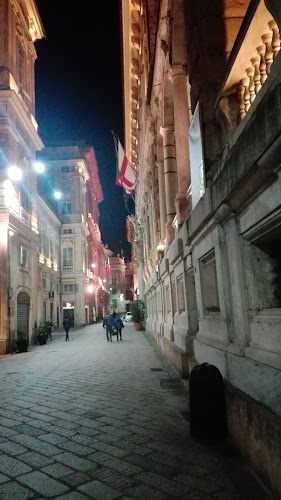
Via Garibaldi stands as one of Genoa's most extraordinary Renaissance streets, and honestly, walking down it feels like stepping into a time machine that actually works. This UNESCO World Heritage site stretches through the heart of the old city, lined with magnificent palaces that once belonged to Genoa's wealthiest and most powerful families during the height of the Republic's maritime dominance. I've visited quite a few historic streets across Europe, but there's something different about Via Garibaldi – maybe it's the sheer concentration of architectural splendor packed into just 250 meters, or perhaps it's the way these buildings still feel alive rather than preserved in amber. Originally called Strada Nuova when it was constructed in the 1550s, the street was basically the Beverly Hills of Renaissance Genoa. The aristocratic families who lived here weren't just wealthy merchants; they were international bankers who financed kings and shaped European politics. And they wanted everyone to know it through their architecture. The street became so famous that Peter Paul Rubens published a book about its palaces in 1622, essentially creating the first architectural guide to a single street. That's the kind of flex only Renaissance billionaires could pull off. What makes Via Garibaldi particularly special is that many of these palaces are still functional. Some house museums, others contain government offices, and a few remain private residences. Walking down the street on a quiet morning, you might catch glimpses of frescoed ceilings through doorways or hear classical music drifting from an upper window. It's not a museum piece frozen in time – it's a living street that has adapted across five centuries while maintaining its fundamental character.Key Features
The palaces along Via Garibaldi present an embarrassment of architectural riches that could honestly overwhelm first-time visitors. But that's part of the charm, really. Here's what makes this street genuinely unmissable:- Palazzo Rosso houses an incredible art collection including works by Van Dyck, Veronese, and Dürer, with rooms decorated exactly as they appeared when the noble families lived there
- Palazzo Bianco showcases primarily Genoese and Ligurian artists alongside Flemish masters, creating a fascinating dialogue between local and international Renaissance art
- Palazzo Tursi serves as Genoa's city hall but opens parts to visitors, including the room containing Paganini's legendary violin, the Cannone, which still gets played occasionally at special concerts
- The palaces feature rolli system architecture – these buildings were designed specifically to host state visits and impress foreign dignitaries, with grand staircases and reception halls that still take your breath away
- Interior courtyards and gardens provide unexpected oases of calm, many with original marble fountains and loggia spaces that demonstrate how Renaissance families blended indoor and outdoor living
- Palazzo Doria-Tursi's terraced gardens offer one of the few green spaces in Genoa's dense historic center, with views that contextualize the city's relationship with its steep topography
- Original frescoed facades on several buildings, though faded, hint at how colorful and decorative the entire street once appeared when newly built
- The uniform street width and palace heights create an intentional urban design that was revolutionary for the 1550s and influenced city planning across Europe
Best Time to Visit
Timing your visit to Via Garibaldi requires thinking about both weather and crowds, though honestly this street never reaches the insane tourist density you'll find in Venice or Florence. That's one of Genoa's best-kept secrets – world-class cultural sites without having to elbow through selfie-stick wielding masses. Spring months from April through early June offer ideal conditions. The weather becomes pleasantly warm without the intense Mediterranean heat that makes palace-hopping exhausting by midday. Museum attendance stays moderate, and you'll actually have space to contemplate the art without someone breathing down your neck. I visited in late May once and practically had Palazzo Rosso to myself for a solid hour on a Tuesday morning. That kind of intimate experience with major Renaissance art collections just doesn't happen in more famous Italian cities anymore. September and October provide similarly excellent visiting conditions. The summer crowds have dispersed, temperatures cool down to comfortable levels, and the golden autumn light does wonderful things to the palazzo facades during late afternoon. The city's cultural calendar picks up again after the August slowdown, so you might catch special exhibitions or concerts in the palaces. Summer brings the most challenging conditions, not because of overwhelming tourists but due to the heat. Genoa sits right on the coast, and the humidity can make exploring multiple palaces feel like work rather than pleasure. Many locals essentially abandon the city in August, and some smaller museums reduce their hours. If you must visit in summer, plan your Via Garibaldi exploration for early morning before 11 AM or after 5 PM when the temperatures become more manageable. Winter presents an underrated option for budget-conscious travelers. Hotel prices drop significantly, the museums are wonderfully quiet, and there's something atmospheric about these Renaissance palaces during grey winter days. Just be prepared for occasional rain and check museum schedules carefully since some reduce winter hours. But if you've ever wanted to stand alone in a room full of Van Dyck portraits and really look at them without time pressure, January in Genoa delivers that experience. Avoid major Italian holidays like Ferragosto in mid-August when many museums close entirely, and be aware that Mondays see many sites closed following the typical Italian museum schedule.How to Get There
Getting to Via Garibaldi is remarkably straightforward once you understand Genoa's geography, which admittedly takes a bit of mental adjustment since the city doesn't follow any logical grid pattern. The street sits in the centro storico (historic center), easily accessible whether you're arriving from the port, train station, or airport. From Genoa's Principe or Brignole train stations, the metro provides the quickest route. Take the metro to San Giorgio station, then it's about a seven-minute walk through the old town's narrow caruggi (the local dialect term for alleyways). Signs point toward "Musei di Strada Nuova" which is the museum system's official name. The walk takes you through authentic Genoa that hasn't been prettified for tourists – laundry hanging overhead, tiny shops selling focaccia, elderly residents sitting outside their doors. It's real and sometimes gritty in the best possible way. If you're staying near the old port area or Piazza De Ferrari, Via Garibaldi is within comfortable walking distance. From the aquarium district, head uphill (everything in Genoa involves going uphill at some point) toward Via San Luca, then follow signs to Strada Nuova. The walk takes maybe fifteen minutes and gives you a sense of how the city layers different historical periods on top of each other. Driving to Via Garibaldi ranks among the worst ideas you could have. Genoa's centro storico features streets barely wide enough for a Vespa, let alone a car. Parking near the historic center is expensive, complicated, and usually full. If you're arriving by car, leave it at your hotel or in one of the parking garages on the periphery and use public transport or walk. The city's bus system connects to Via Garibaldi, with several lines stopping at nearby Piazza della Nunziata or Piazza Fontane Marose. Routes 18, 19, and 20 all serve the area, though honestly the metro is simpler for most visitors. From the airport, take the Volabus shuttle to Principe train station, then follow the metro directions above. Total journey time runs about 45 minutes depending on traffic. Taxis are available but significantly more expensive and not necessarily faster given Genoa's traffic patterns.Tips for Visiting
Maximizing your Via Garibaldi experience requires some insider knowledge that guidebooks often skip over. First thing – buy the combined museum ticket covering Palazzo Rosso, Palazzo Bianco, and Palazzo Tursi. It costs significantly less than individual admissions and remains valid for two days, letting you split your visit if palace fatigue sets in. And it will set in because these collections are substantial. Don't try to rush through all three in two hours; you'll end up with museum blur where everything becomes a haze of Renaissance portraiture. Start with Palazzo Rosso in the morning when you're freshest. The art collection there is genuinely world-class, and the rooms deserve your full attention. The mirror gallery alone could occupy you for twenty minutes if you let yourself really look at it. Then wander down to Palazzo Bianco, which has a somewhat quieter vibe and excellent spaces for sitting and contemplating individual works. Photography policies vary by palazzo but generally allow non-flash photos for personal use. Actually read the room signs though – some spaces prohibit all photography to protect particularly delicate works. And please, please don't be the person who uses flash on 400-year-old paintings. The guards will stop you, and everyone will judge you. Wear comfortable shoes because the palaces feature original stone and marble floors that look gorgeous but aren't designed for modern athletic shoes, let alone heels or flip-flops. The historic centers cobblestones outside present their own challenges, especially after rain when they become surprisingly slippery. Many palaces have interior courtyards or small gardens that visitors rush past in their hurry to see the art collections. Don't make that mistake. These spaces demonstrate how Renaissance architecture created transitions between public street and private interior, and they're often the most peaceful spots in the entire complex. Take five minutes to sit in a courtyard and just absorb the atmosphere. The street has several good cafes and small restaurants, but they're often crowded during lunch hours. Consider visiting Via Garibaldi in the afternoon after lunch, or grab focaccia from one of the bakeries on side streets and picnic in a palace garden if permitted. If you're genuinely interested in architecture and have time, pick up one of the detailed guidebooks sold at museum shops. The English translations can be a bit rough, but they explain the rolli system and the specific architectural innovations each palazzo introduced. Understanding the context makes the buildings infinitely more interesting. Summer visits should account for the fact that not all palaces have air conditioning. The thick stone walls keep interiors cooler than outside, but it's not exactly comfortable. Carry water and take breaks. Winter visitors should note that historic buildings maintain lower temperatures than modern structures – bring layers. Check the museum websites before visiting because the palaces occasionally host special exhibitions that might interest you or, conversely, close certain rooms. The websites exist in English though they're not always updated promptly. Finally, venture onto the side streets branching off Via Garibaldi. Streets like Via Cairoli and Vico del Fico contain smaller palaces and interesting shops that reward curious wanderers. The main street is spectacular, but Genoa's real character emerges in the less-traveled spaces just steps away.Key Features
- Concentration of 16th–17th century palaces (Palazzi dei Rolli)
- UNESCO World Heritage designation for its historical urban ensemble
- Major museums housed in palaces (e.g., Palazzo Rosso, Palazzo Bianco, Palazzo Doria Tursi)
- Lavish frescoes, grand staircases and period interiors
- Picturesque street life with nearby cafes and hidden gardens
More Details
Updated March 30, 2026
Table of Contents
Description
Via Garibaldi stands as one of Genoa’s most extraordinary Renaissance streets, and honestly, walking down it feels like stepping into a time machine that actually works. This UNESCO World Heritage site stretches through the heart of the old city, lined with magnificent palaces that once belonged to Genoa’s wealthiest and most powerful families during the height of the Republic’s maritime dominance. I’ve visited quite a few historic streets across Europe, but there’s something different about Via Garibaldi – maybe it’s the sheer concentration of architectural splendor packed into just 250 meters, or perhaps it’s the way these buildings still feel alive rather than preserved in amber.
Originally called Strada Nuova when it was constructed in the 1550s, the street was basically the Beverly Hills of Renaissance Genoa. The aristocratic families who lived here weren’t just wealthy merchants; they were international bankers who financed kings and shaped European politics. And they wanted everyone to know it through their architecture. The street became so famous that Peter Paul Rubens published a book about its palaces in 1622, essentially creating the first architectural guide to a single street. That’s the kind of flex only Renaissance billionaires could pull off.
What makes Via Garibaldi particularly special is that many of these palaces are still functional. Some house museums, others contain government offices, and a few remain private residences. Walking down the street on a quiet morning, you might catch glimpses of frescoed ceilings through doorways or hear classical music drifting from an upper window. It’s not a museum piece frozen in time – it’s a living street that has adapted across five centuries while maintaining its fundamental character.
Key Features
The palaces along Via Garibaldi present an embarrassment of architectural riches that could honestly overwhelm first-time visitors. But that’s part of the charm, really. Here’s what makes this street genuinely unmissable:
- Palazzo Rosso houses an incredible art collection including works by Van Dyck, Veronese, and Dürer, with rooms decorated exactly as they appeared when the noble families lived there
- Palazzo Bianco showcases primarily Genoese and Ligurian artists alongside Flemish masters, creating a fascinating dialogue between local and international Renaissance art
- Palazzo Tursi serves as Genoa’s city hall but opens parts to visitors, including the room containing Paganini’s legendary violin, the Cannone, which still gets played occasionally at special concerts
- The palaces feature rolli system architecture – these buildings were designed specifically to host state visits and impress foreign dignitaries, with grand staircases and reception halls that still take your breath away
- Interior courtyards and gardens provide unexpected oases of calm, many with original marble fountains and loggia spaces that demonstrate how Renaissance families blended indoor and outdoor living
- Palazzo Doria-Tursi’s terraced gardens offer one of the few green spaces in Genoa’s dense historic center, with views that contextualize the city’s relationship with its steep topography
- Original frescoed facades on several buildings, though faded, hint at how colorful and decorative the entire street once appeared when newly built
- The uniform street width and palace heights create an intentional urban design that was revolutionary for the 1550s and influenced city planning across Europe
Best Time to Visit
Timing your visit to Via Garibaldi requires thinking about both weather and crowds, though honestly this street never reaches the insane tourist density you’ll find in Venice or Florence. That’s one of Genoa’s best-kept secrets – world-class cultural sites without having to elbow through selfie-stick wielding masses.
Spring months from April through early June offer ideal conditions. The weather becomes pleasantly warm without the intense Mediterranean heat that makes palace-hopping exhausting by midday. Museum attendance stays moderate, and you’ll actually have space to contemplate the art without someone breathing down your neck. I visited in late May once and practically had Palazzo Rosso to myself for a solid hour on a Tuesday morning. That kind of intimate experience with major Renaissance art collections just doesn’t happen in more famous Italian cities anymore.
September and October provide similarly excellent visiting conditions. The summer crowds have dispersed, temperatures cool down to comfortable levels, and the golden autumn light does wonderful things to the palazzo facades during late afternoon. The city’s cultural calendar picks up again after the August slowdown, so you might catch special exhibitions or concerts in the palaces.
Summer brings the most challenging conditions, not because of overwhelming tourists but due to the heat. Genoa sits right on the coast, and the humidity can make exploring multiple palaces feel like work rather than pleasure. Many locals essentially abandon the city in August, and some smaller museums reduce their hours. If you must visit in summer, plan your Via Garibaldi exploration for early morning before 11 AM or after 5 PM when the temperatures become more manageable.
Winter presents an underrated option for budget-conscious travelers. Hotel prices drop significantly, the museums are wonderfully quiet, and there’s something atmospheric about these Renaissance palaces during grey winter days. Just be prepared for occasional rain and check museum schedules carefully since some reduce winter hours. But if you’ve ever wanted to stand alone in a room full of Van Dyck portraits and really look at them without time pressure, January in Genoa delivers that experience.
Avoid major Italian holidays like Ferragosto in mid-August when many museums close entirely, and be aware that Mondays see many sites closed following the typical Italian museum schedule.
How to Get There
Getting to Via Garibaldi is remarkably straightforward once you understand Genoa’s geography, which admittedly takes a bit of mental adjustment since the city doesn’t follow any logical grid pattern. The street sits in the centro storico (historic center), easily accessible whether you’re arriving from the port, train station, or airport.
From Genoa’s Principe or Brignole train stations, the metro provides the quickest route. Take the metro to San Giorgio station, then it’s about a seven-minute walk through the old town’s narrow caruggi (the local dialect term for alleyways). Signs point toward “Musei di Strada Nuova” which is the museum system’s official name. The walk takes you through authentic Genoa that hasn’t been prettified for tourists – laundry hanging overhead, tiny shops selling focaccia, elderly residents sitting outside their doors. It’s real and sometimes gritty in the best possible way.
If you’re staying near the old port area or Piazza De Ferrari, Via Garibaldi is within comfortable walking distance. From the aquarium district, head uphill (everything in Genoa involves going uphill at some point) toward Via San Luca, then follow signs to Strada Nuova. The walk takes maybe fifteen minutes and gives you a sense of how the city layers different historical periods on top of each other.
Driving to Via Garibaldi ranks among the worst ideas you could have. Genoa’s centro storico features streets barely wide enough for a Vespa, let alone a car. Parking near the historic center is expensive, complicated, and usually full. If you’re arriving by car, leave it at your hotel or in one of the parking garages on the periphery and use public transport or walk.
The city’s bus system connects to Via Garibaldi, with several lines stopping at nearby Piazza della Nunziata or Piazza Fontane Marose. Routes 18, 19, and 20 all serve the area, though honestly the metro is simpler for most visitors.
From the airport, take the Volabus shuttle to Principe train station, then follow the metro directions above. Total journey time runs about 45 minutes depending on traffic. Taxis are available but significantly more expensive and not necessarily faster given Genoa’s traffic patterns.
Tips for Visiting
Maximizing your Via Garibaldi experience requires some insider knowledge that guidebooks often skip over. First thing – buy the combined museum ticket covering Palazzo Rosso, Palazzo Bianco, and Palazzo Tursi. It costs significantly less than individual admissions and remains valid for two days, letting you split your visit if palace fatigue sets in. And it will set in because these collections are substantial. Don’t try to rush through all three in two hours; you’ll end up with museum blur where everything becomes a haze of Renaissance portraiture.
Start with Palazzo Rosso in the morning when you’re freshest. The art collection there is genuinely world-class, and the rooms deserve your full attention. The mirror gallery alone could occupy you for twenty minutes if you let yourself really look at it. Then wander down to Palazzo Bianco, which has a somewhat quieter vibe and excellent spaces for sitting and contemplating individual works.
Photography policies vary by palazzo but generally allow non-flash photos for personal use. Actually read the room signs though – some spaces prohibit all photography to protect particularly delicate works. And please, please don’t be the person who uses flash on 400-year-old paintings. The guards will stop you, and everyone will judge you.
Wear comfortable shoes because the palaces feature original stone and marble floors that look gorgeous but aren’t designed for modern athletic shoes, let alone heels or flip-flops. The historic centers cobblestones outside present their own challenges, especially after rain when they become surprisingly slippery.
Many palaces have interior courtyards or small gardens that visitors rush past in their hurry to see the art collections. Don’t make that mistake. These spaces demonstrate how Renaissance architecture created transitions between public street and private interior, and they’re often the most peaceful spots in the entire complex. Take five minutes to sit in a courtyard and just absorb the atmosphere.
The street has several good cafes and small restaurants, but they’re often crowded during lunch hours. Consider visiting Via Garibaldi in the afternoon after lunch, or grab focaccia from one of the bakeries on side streets and picnic in a palace garden if permitted.
If you’re genuinely interested in architecture and have time, pick up one of the detailed guidebooks sold at museum shops. The English translations can be a bit rough, but they explain the rolli system and the specific architectural innovations each palazzo introduced. Understanding the context makes the buildings infinitely more interesting.
Summer visits should account for the fact that not all palaces have air conditioning. The thick stone walls keep interiors cooler than outside, but it’s not exactly comfortable. Carry water and take breaks. Winter visitors should note that historic buildings maintain lower temperatures than modern structures – bring layers.
Check the museum websites before visiting because the palaces occasionally host special exhibitions that might interest you or, conversely, close certain rooms. The websites exist in English though they’re not always updated promptly.
Finally, venture onto the side streets branching off Via Garibaldi. Streets like Via Cairoli and Vico del Fico contain smaller palaces and interesting shops that reward curious wanderers. The main street is spectacular, but Genoa’s real character emerges in the less-traveled spaces just steps away.
Key Highlights
- Concentration of 16th–17th century palaces (Palazzi dei Rolli)
- UNESCO World Heritage designation for its historical urban ensemble
- Major museums housed in palaces (e.g., Palazzo Rosso, Palazzo Bianco, Palazzo Doria Tursi)
- Lavish frescoes, grand staircases and period interiors
- Picturesque street life with nearby cafes and hidden gardens
Location
Places to Stay Near Via Garibaldi
Find and Book a Tour
Explore More Travel Guides
No reviews found! Be the first to review!
Via Garibaldi is a prominent Attractions located in Genoa.
Visit us at: Via Garibaldi, 16124 Genova GE, Italy.
Traveler Reviews for Via Garibaldi
There are no reviews yet. Be the first one to write one.
Have you visited Via Garibaldi? Help other travelers by sharing your review.
Nearby Attractions
Find Accommodations Nearby
Recommended Tours & Activities
Visitor Reviews
There are no reviews yet. Be the first one to write one.
Share Your Experience
Have you visited Via Garibaldi? Help other travelers by leaving a review.
