
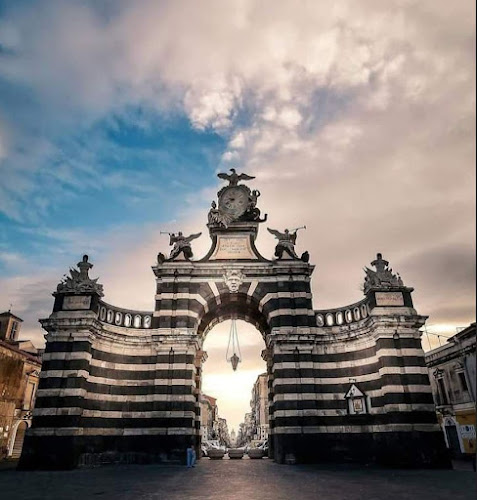
Porta Garibaldi
About Porta Garibaldi
Description
Porta Garibaldi in Catania is one of those places that quietly sneaks up on you. At first glance, it’s just a grand stone archway standing proud against the Sicilian sky, but give it a moment—and it tells you stories. Built in the late 18th century to honor King Ferdinand IV and Queen Maria Carolina, it’s a symbol of resilience and pride for the people of Catania. The structure itself, crafted from alternating layers of black lava stone and white limestone, mirrors the city’s dual personality—fiery and calm, elegant and raw. It’s a kind of metaphor for Sicily itself, really.
Walking through Porta Garibaldi feels like stepping through a portal in time. The archway has seen centuries of parades, protests, and quiet Sunday strolls. And while it’s not as flashy as some of Italy’s grander landmarks, it has this grounded charm that locals adore. You’ll often see families chatting nearby, kids chasing pigeons, or couples pausing for photos under the intricate crest that crowns the gate. It’s a piece of living history that still breathes, not just a relic behind a fence.
What I personally love most is how it captures the spirit of Catania—strong, a little rough around the edges, but full of heart. The craftsmanship is stunning when you get up close. You can see the marks of time etched into the stone, the subtle imperfections that make it feel real. And when the evening sun hits those alternating stones, the whole gate glows in soft gold and charcoal tones. It’s one of those moments that makes you stop scrolling through your phone and just take it in.
Key Features
- Historic Architecture: Built in 1768, the arch combines Baroque and Neoclassical influences, with contrasting black and white stone symbolizing Mount Etna’s volcanic origins and the purity of limestone.
- Cultural Symbol: Locals often refer to it simply as “u Furtinu,” meaning “the little gate,” a beloved emblem of Catania’s history and independence.
- Accessibility: The area offers wheelchair-accessible entrances and parking, making it easy for all visitors to explore comfortably.
- Family-Friendly: The surrounding square is open and safe, perfect for families with children to wander and enjoy the atmosphere.
- Photographic Hotspot: The arch’s striking stonework and dramatic symmetry make it a favorite backdrop for travelers and photographers alike.
- Local Life: The neighborhood around Porta Garibaldi is lively, filled with small cafés, bakeries, and the everyday rhythm of Sicilian life.
Best Time to Visit
If you want to see Porta Garibaldi at its best, visit in the late afternoon. The light at that hour is pure magic—it softens the stone and brings out the warm hues that you simply don’t notice at noon. Plus, the streets are quieter, and you can actually hear the hum of daily life without the rush of tour groups. Spring and autumn are ideal seasons; the weather is mild, and you can linger without melting under the Sicilian sun.
During local festivals, especially those honoring Saint Agatha, the area around the gate transforms into a vibrant (well, let’s say “energetic”) scene of color, music, and devotion. It’s chaotic in the best possible way—if you’re into authentic cultural experiences, that’s the time to go. But if you prefer peace and space for photos, weekdays outside of major holidays are your best bet.
How to Get There
Getting to Porta Garibaldi is fairly straightforward. It’s located in the heart of Catania, and most visitors arrive on foot from the city center. If you’re staying nearby, it’s an easy walk through narrow streets lined with baroque facades and the occasional gelato shop (trust me, you’ll want to stop for one). For those coming from further out, local buses and taxis are readily available and affordable.
If you’re driving, parking can be a bit of a challenge—Catania’s streets are famously tight—but there are a few paid lots within walking distance. I once tried parking too close to the arch and spent twenty minutes backing out of a one-way street while a local gestured enthusiastically at me. Lesson learned: park a little further away and enjoy the stroll. The walk itself is half the experience.
Tips for Visiting
First and foremost, take your time. Porta Garibaldi isn’t a place you rush through—it’s one you absorb. Spend a few minutes just observing the details: the sculpted eagles, the Latin inscriptions, the way the black lava stone seems to drink in the sunlight. You’ll notice something new every time you look.
If you’re into photography, bring your camera or a decent phone lens. Early morning and late afternoon are the sweet spots for lighting. And if you’re lucky, you might catch a local wedding party posing under the arch—a charming Sicilian tradition that adds a touch of romance to the scene.
For families, it’s a great stop on a walking tour of Catania. The square around the gate is open and safe, so kids can run around while adults take in the view. There are also plenty of cafés nearby where you can grab a coffee or granita afterward. And yes, the pistachio flavor really is as good as everyone says.
Accessibility is another plus. Porta Garibaldi and its surroundings are wheelchair-friendly, with smooth pathways and nearby accessible parking. That’s not always the case in older European cities, so it’s worth noting if you’re traveling with someone who needs it.
One last tip—don’t just look at the arch, walk through it. There’s something symbolic about crossing from one side to the other, as if you’re stepping through centuries of Sicilian history. On the far side, you’ll find quieter streets and glimpses of everyday life that most tourists miss. That’s where you’ll find the real Catania—the smell of fresh bread wafting from a bakery, the chatter of neighbors leaning out of windows, the sound of scooters zipping by. It’s chaotic, imperfect, and absolutely wonderful.
In the end, Porta Garibaldi isn’t just a monument—it’s a reminder of how history and daily life blend together in Italy. It’s not about grandeur; it’s about authenticity. And that’s what makes it worth visiting. Whether you’re a history buff, a casual traveler, or someone just wandering without a plan, this old gate has a way of making you pause and smile. Maybe it’s the craftsmanship, maybe it’s the sunlight, or maybe it’s just the quiet dignity of a city that’s seen it all and still stands proud.
Key Features
- Key Features
- Best Time to Visit
- How to Get There
- Tips for Visiting
More Details
Updated November 30, 2025
Table of Contents
Description
Porta Garibaldi in Catania is one of those places that quietly sneaks up on you. At first glance, it’s just a grand stone archway standing proud against the Sicilian sky, but give it a moment—and it tells you stories. Built in the late 18th century to honor King Ferdinand IV and Queen Maria Carolina, it’s a symbol of resilience and pride for the people of Catania. The structure itself, crafted from alternating layers of black lava stone and white limestone, mirrors the city’s dual personality—fiery and calm, elegant and raw. It’s a kind of metaphor for Sicily itself, really.
Walking through Porta Garibaldi feels like stepping through a portal in time. The archway has seen centuries of parades, protests, and quiet Sunday strolls. And while it’s not as flashy as some of Italy’s grander landmarks, it has this grounded charm that locals adore. You’ll often see families chatting nearby, kids chasing pigeons, or couples pausing for photos under the intricate crest that crowns the gate. It’s a piece of living history that still breathes, not just a relic behind a fence.
What I personally love most is how it captures the spirit of Catania—strong, a little rough around the edges, but full of heart. The craftsmanship is stunning when you get up close. You can see the marks of time etched into the stone, the subtle imperfections that make it feel real. And when the evening sun hits those alternating stones, the whole gate glows in soft gold and charcoal tones. It’s one of those moments that makes you stop scrolling through your phone and just take it in.
Key Features
- Historic Architecture: Built in 1768, the arch combines Baroque and Neoclassical influences, with contrasting black and white stone symbolizing Mount Etna’s volcanic origins and the purity of limestone.
- Cultural Symbol: Locals often refer to it simply as “u Furtinu,” meaning “the little gate,” a beloved emblem of Catania’s history and independence.
- Accessibility: The area offers wheelchair-accessible entrances and parking, making it easy for all visitors to explore comfortably.
- Family-Friendly: The surrounding square is open and safe, perfect for families with children to wander and enjoy the atmosphere.
- Photographic Hotspot: The arch’s striking stonework and dramatic symmetry make it a favorite backdrop for travelers and photographers alike.
- Local Life: The neighborhood around Porta Garibaldi is lively, filled with small cafés, bakeries, and the everyday rhythm of Sicilian life.
Best Time to Visit
If you want to see Porta Garibaldi at its best, visit in the late afternoon. The light at that hour is pure magic—it softens the stone and brings out the warm hues that you simply don’t notice at noon. Plus, the streets are quieter, and you can actually hear the hum of daily life without the rush of tour groups. Spring and autumn are ideal seasons; the weather is mild, and you can linger without melting under the Sicilian sun.
During local festivals, especially those honoring Saint Agatha, the area around the gate transforms into a vibrant (well, let’s say “energetic”) scene of color, music, and devotion. It’s chaotic in the best possible way—if you’re into authentic cultural experiences, that’s the time to go. But if you prefer peace and space for photos, weekdays outside of major holidays are your best bet.
How to Get There
Getting to Porta Garibaldi is fairly straightforward. It’s located in the heart of Catania, and most visitors arrive on foot from the city center. If you’re staying nearby, it’s an easy walk through narrow streets lined with baroque facades and the occasional gelato shop (trust me, you’ll want to stop for one). For those coming from further out, local buses and taxis are readily available and affordable.
If you’re driving, parking can be a bit of a challenge—Catania’s streets are famously tight—but there are a few paid lots within walking distance. I once tried parking too close to the arch and spent twenty minutes backing out of a one-way street while a local gestured enthusiastically at me. Lesson learned: park a little further away and enjoy the stroll. The walk itself is half the experience.
Tips for Visiting
First and foremost, take your time. Porta Garibaldi isn’t a place you rush through—it’s one you absorb. Spend a few minutes just observing the details: the sculpted eagles, the Latin inscriptions, the way the black lava stone seems to drink in the sunlight. You’ll notice something new every time you look.
If you’re into photography, bring your camera or a decent phone lens. Early morning and late afternoon are the sweet spots for lighting. And if you’re lucky, you might catch a local wedding party posing under the arch—a charming Sicilian tradition that adds a touch of romance to the scene.
For families, it’s a great stop on a walking tour of Catania. The square around the gate is open and safe, so kids can run around while adults take in the view. There are also plenty of cafés nearby where you can grab a coffee or granita afterward. And yes, the pistachio flavor really is as good as everyone says.
Accessibility is another plus. Porta Garibaldi and its surroundings are wheelchair-friendly, with smooth pathways and nearby accessible parking. That’s not always the case in older European cities, so it’s worth noting if you’re traveling with someone who needs it.
One last tip—don’t just look at the arch, walk through it. There’s something symbolic about crossing from one side to the other, as if you’re stepping through centuries of Sicilian history. On the far side, you’ll find quieter streets and glimpses of everyday life that most tourists miss. That’s where you’ll find the real Catania—the smell of fresh bread wafting from a bakery, the chatter of neighbors leaning out of windows, the sound of scooters zipping by. It’s chaotic, imperfect, and absolutely wonderful.
In the end, Porta Garibaldi isn’t just a monument—it’s a reminder of how history and daily life blend together in Italy. It’s not about grandeur; it’s about authenticity. And that’s what makes it worth visiting. Whether you’re a history buff, a casual traveler, or someone just wandering without a plan, this old gate has a way of making you pause and smile. Maybe it’s the craftsmanship, maybe it’s the sunlight, or maybe it’s just the quiet dignity of a city that’s seen it all and still stands proud.
Key Highlights
- Key Features
- Best Time to Visit
- How to Get There
- Tips for Visiting
Location
Places to Stay Near Porta Garibaldi
Find and Book a Tour
Explore More Travel Guides
No reviews found! Be the first to review!
Traveler Reviews for Porta Garibaldi
There are no reviews yet. Be the first one to write one.
Have you visited Porta Garibaldi? Help other travelers by sharing your review.
You Might Also Like
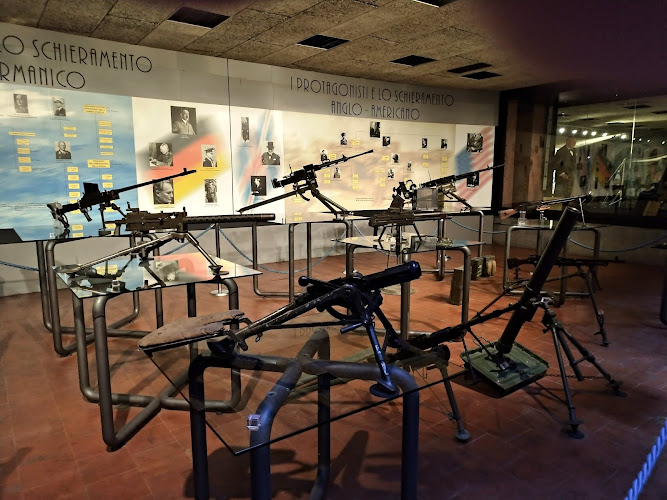
Museo Storico dello Sbarco in Sicilia 1943
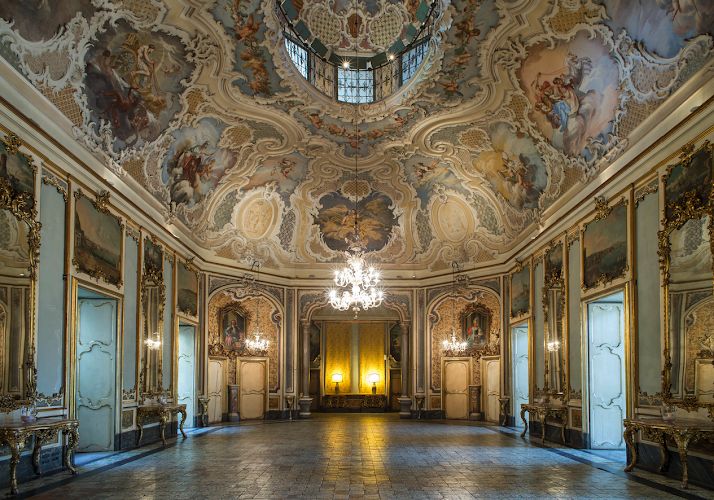
Palazzo Biscari
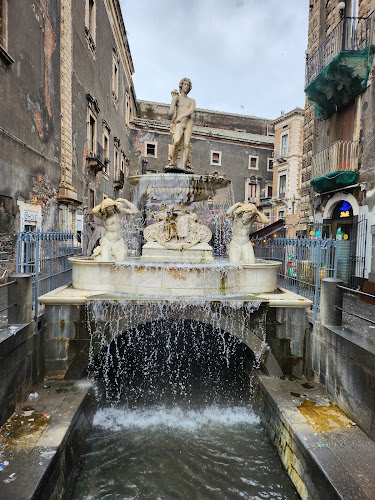
Fontana dell’Amenano
Find Accommodations Nearby
Recommended Tours & Activities
Visitor Reviews
There are no reviews yet. Be the first one to write one.
Share Your Experience
Have you visited Porta Garibaldi? Help other travelers by leaving a review.