
Fontana dell’Amenano
About Fontana dell’Amenano
Description
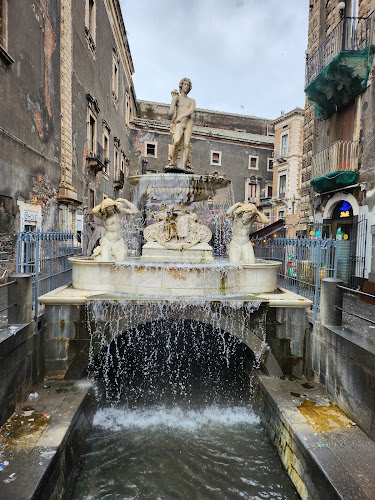
The Fontana dell’Amenano in Catania is one of those places that quietly captures your attention before you even realize it. Sitting gracefully at the edge of Piazza del Duomo, this Baroque fountain, sculpted in 1867 by the Neapolitan artist Tito Angelini, is carved entirely from Carrara marble — the same kind Michelangelo used for his masterpieces. The fountain represents the Amenano River, once flowing above ground but now running beneath the city’s cobblestones. Angelini personified the river as a young man holding a cornucopia, from which water spills gently into a curved basin, cascading over the edge like a sheet of silk. Locals affectionately call this effect “acqua a linzolu,” meaning “sheet of water,” and honestly, it’s a perfect description.
What makes the Fontana dell’Amenano so charming is not just its beauty but its atmosphere. You’ll find it standing between the bustling fish market, La Pescheria, and the grand Piazza del Duomo, where the Cathedral of Sant’Agata dominates the skyline. The contrast is fascinating — one moment you’re surrounded by the lively chatter of vendors, and the next, you’re watching the calm, steady flow of the fountain, almost like a pause button in the middle of Catania’s chaos. It’s not a massive monument, but it doesn’t need to be. It’s intimate, poetic, and somehow feels personal, especially when you stand close enough to hear the gentle trickle of water blending with the city’s hum.
I remember the first time I stumbled upon it — completely by accident while trying to find a café. I ended up standing there for a good ten minutes, just watching the water shimmer under the Sicilian sun. There’s a kind of hypnotic rhythm to it, and for a brief moment, you forget the world beyond the piazza. That’s the magic of this fountain. It’s not about grandeur; it’s about grace.
Key Features
- Baroque artistry: Designed by Tito Angelini, the fountain showcases the elegance and theatricality typical of 19th-century Italian sculpture.
- Carrara marble construction: The pure white marble gives the fountain a luminous quality, especially striking at sunrise and sunset.
- Symbolism of the Amenano River: The youthful figure represents the river that flows beneath Catania, linking the city’s present to its ancient roots.
- “Acqua a linzolu” effect: The cascading water creates a sheet-like flow, a visual signature that locals have cherished for generations.
- Historic location: Positioned between Piazza del Duomo and the famous La Pescheria market, the fountain is a perfect midpoint for exploring Catania’s cultural heart.
- Family and accessibility friendly: The area around the fountain is wheelchair accessible and safe for children, making it a comfortable stop for families.
What’s particularly special about the Fontana dell’Amenano is how it manages to be both a work of art and a living part of the city. You’ll often see couples taking photos, kids tossing coins into the basin, and locals using it as a meeting point before heading to the market. It’s one of those places that feels alive — not just a relic of the past but a small, breathing piece of Catania’s everyday life.
Best Time to Visit
If you can, visit early in the morning or late in the afternoon. In the morning, the light hits the marble just right, giving it a soft, golden glow that’s perfect for photos. Plus, you’ll catch the market as it wakes up — vendors setting up, the smell of fresh fish and citrus in the air, and a general feeling of anticipation. Late afternoon has a completely different vibe. The crowds thin out, the marble cools, and the fountain seems calmer, more introspective somehow.
Summer is, of course, the busiest season, with tourists flooding the piazza. But even then, it’s worth braving the heat. There’s something refreshing about standing near the fountain, feeling the cool mist against your skin. If you prefer a quieter experience, spring and autumn are ideal. The weather is mild, and you can linger longer without the rush. Winter, though less popular, has its charm too — the fountain feels almost secretive under the gray skies, like it’s keeping stories only locals know.
How to Get There
Reaching the Fontana dell’Amenano is quite straightforward since it sits right in the historical center of Catania. Most travelers arrive by foot, wandering down Via Etnea or coming from the nearby Piazza Università. If you’re staying in central Catania, it’s an easy walk — the kind where every corner reveals another piece of history. For those coming from further away, local buses stop nearby, and taxis can drop you off just a short stroll from the piazza.
If you’re driving, be prepared for narrow streets and limited parking — typical of Sicilian city centers. Honestly, walking is the best option. You’ll see more, feel more, and probably stumble upon a few hidden gems along the way. And if you’re anything like me, you’ll want to take your time getting there. The journey through Catania’s old streets — with their mix of Baroque facades, street art, and the occasional whiff of espresso — is half the fun.
Tips for Visiting
Here’s where a few local insights can make your visit even better:
- Go early or late: The fountain area gets crowded during midday, especially when tour groups pass through. Early morning offers the best light and fewer people.
- Bring a camera: The contrast between the fountain’s white marble and the dark lava stone buildings around it makes for stunning photos.
- Combine with nearby attractions: Since you’re already in Piazza del Duomo, take time to visit the Cathedral of Sant’Agata and the Elephant Fountain just steps away.
- Stay hydrated: Sicilian sun can be unforgiving, even in spring. There are cafés nearby where you can grab a granita or espresso afterward.
- Respect the space: While it’s tempting to dip your hands into the water, it’s best to admire from a short distance — it helps preserve the marble’s condition.
- Watch your step: The area around the fountain can get slippery, especially after rain or when the market hoses down the pavement.
One more thing — don’t rush your visit. Take a few moments to just stand there, listen to the water, and watch people go by. It’s a small detail, but it gives you a glimpse into the rhythm of Catania itself. The city has this beautiful way of blending the sacred and the everyday, and the Fontana dell’Amenano is a perfect example of that balance.
If you’re traveling with kids, they’ll love watching the water flow and spotting the mythical figure. And for those who appreciate art, you’ll notice Angelini’s craftsmanship — the way he carved the folds of the figure’s tunic, the calm expression, the sense of movement frozen in marble. It’s subtle but powerful.
Personally, I think this fountain sums up Catania better than almost anything else. It’s beautiful but unpretentious, historical yet alive, and always surrounded by stories — both ancient and modern. When you finally see it, take a moment to imagine the river flowing beneath your feet, the same river that once shaped the city’s landscape. That connection between the visible and the hidden, the past and the present, is what makes the Fontana dell’Amenano truly unforgettable.
So, when you plan your trip to Catania, make sure this little gem is on your list. It might not take hours to explore, but it will leave a lasting impression — the kind that stays with you long after you’ve left Sicily’s shores.
Key Features
- Key Features
- Best Time to Visit
- How to Get There
- Tips for Visiting
More Details
Updated November 30, 2025
Table of Contents
Description
The Fontana dell’Amenano in Catania is one of those places that quietly captures your attention before you even realize it. Sitting gracefully at the edge of Piazza del Duomo, this Baroque fountain, sculpted in 1867 by the Neapolitan artist Tito Angelini, is carved entirely from Carrara marble — the same kind Michelangelo used for his masterpieces. The fountain represents the Amenano River, once flowing above ground but now running beneath the city’s cobblestones. Angelini personified the river as a young man holding a cornucopia, from which water spills gently into a curved basin, cascading over the edge like a sheet of silk. Locals affectionately call this effect “acqua a linzolu,” meaning “sheet of water,” and honestly, it’s a perfect description.
What makes the Fontana dell’Amenano so charming is not just its beauty but its atmosphere. You’ll find it standing between the bustling fish market, La Pescheria, and the grand Piazza del Duomo, where the Cathedral of Sant’Agata dominates the skyline. The contrast is fascinating — one moment you’re surrounded by the lively chatter of vendors, and the next, you’re watching the calm, steady flow of the fountain, almost like a pause button in the middle of Catania’s chaos. It’s not a massive monument, but it doesn’t need to be. It’s intimate, poetic, and somehow feels personal, especially when you stand close enough to hear the gentle trickle of water blending with the city’s hum.
I remember the first time I stumbled upon it — completely by accident while trying to find a café. I ended up standing there for a good ten minutes, just watching the water shimmer under the Sicilian sun. There’s a kind of hypnotic rhythm to it, and for a brief moment, you forget the world beyond the piazza. That’s the magic of this fountain. It’s not about grandeur; it’s about grace.
Key Features
- Baroque artistry: Designed by Tito Angelini, the fountain showcases the elegance and theatricality typical of 19th-century Italian sculpture.
- Carrara marble construction: The pure white marble gives the fountain a luminous quality, especially striking at sunrise and sunset.
- Symbolism of the Amenano River: The youthful figure represents the river that flows beneath Catania, linking the city’s present to its ancient roots.
- “Acqua a linzolu” effect: The cascading water creates a sheet-like flow, a visual signature that locals have cherished for generations.
- Historic location: Positioned between Piazza del Duomo and the famous La Pescheria market, the fountain is a perfect midpoint for exploring Catania’s cultural heart.
- Family and accessibility friendly: The area around the fountain is wheelchair accessible and safe for children, making it a comfortable stop for families.
What’s particularly special about the Fontana dell’Amenano is how it manages to be both a work of art and a living part of the city. You’ll often see couples taking photos, kids tossing coins into the basin, and locals using it as a meeting point before heading to the market. It’s one of those places that feels alive — not just a relic of the past but a small, breathing piece of Catania’s everyday life.
Best Time to Visit
If you can, visit early in the morning or late in the afternoon. In the morning, the light hits the marble just right, giving it a soft, golden glow that’s perfect for photos. Plus, you’ll catch the market as it wakes up — vendors setting up, the smell of fresh fish and citrus in the air, and a general feeling of anticipation. Late afternoon has a completely different vibe. The crowds thin out, the marble cools, and the fountain seems calmer, more introspective somehow.
Summer is, of course, the busiest season, with tourists flooding the piazza. But even then, it’s worth braving the heat. There’s something refreshing about standing near the fountain, feeling the cool mist against your skin. If you prefer a quieter experience, spring and autumn are ideal. The weather is mild, and you can linger longer without the rush. Winter, though less popular, has its charm too — the fountain feels almost secretive under the gray skies, like it’s keeping stories only locals know.
How to Get There
Reaching the Fontana dell’Amenano is quite straightforward since it sits right in the historical center of Catania. Most travelers arrive by foot, wandering down Via Etnea or coming from the nearby Piazza Università. If you’re staying in central Catania, it’s an easy walk — the kind where every corner reveals another piece of history. For those coming from further away, local buses stop nearby, and taxis can drop you off just a short stroll from the piazza.
If you’re driving, be prepared for narrow streets and limited parking — typical of Sicilian city centers. Honestly, walking is the best option. You’ll see more, feel more, and probably stumble upon a few hidden gems along the way. And if you’re anything like me, you’ll want to take your time getting there. The journey through Catania’s old streets — with their mix of Baroque facades, street art, and the occasional whiff of espresso — is half the fun.
Tips for Visiting
Here’s where a few local insights can make your visit even better:
- Go early or late: The fountain area gets crowded during midday, especially when tour groups pass through. Early morning offers the best light and fewer people.
- Bring a camera: The contrast between the fountain’s white marble and the dark lava stone buildings around it makes for stunning photos.
- Combine with nearby attractions: Since you’re already in Piazza del Duomo, take time to visit the Cathedral of Sant’Agata and the Elephant Fountain just steps away.
- Stay hydrated: Sicilian sun can be unforgiving, even in spring. There are cafés nearby where you can grab a granita or espresso afterward.
- Respect the space: While it’s tempting to dip your hands into the water, it’s best to admire from a short distance — it helps preserve the marble’s condition.
- Watch your step: The area around the fountain can get slippery, especially after rain or when the market hoses down the pavement.
One more thing — don’t rush your visit. Take a few moments to just stand there, listen to the water, and watch people go by. It’s a small detail, but it gives you a glimpse into the rhythm of Catania itself. The city has this beautiful way of blending the sacred and the everyday, and the Fontana dell’Amenano is a perfect example of that balance.
If you’re traveling with kids, they’ll love watching the water flow and spotting the mythical figure. And for those who appreciate art, you’ll notice Angelini’s craftsmanship — the way he carved the folds of the figure’s tunic, the calm expression, the sense of movement frozen in marble. It’s subtle but powerful.
Personally, I think this fountain sums up Catania better than almost anything else. It’s beautiful but unpretentious, historical yet alive, and always surrounded by stories — both ancient and modern. When you finally see it, take a moment to imagine the river flowing beneath your feet, the same river that once shaped the city’s landscape. That connection between the visible and the hidden, the past and the present, is what makes the Fontana dell’Amenano truly unforgettable.
So, when you plan your trip to Catania, make sure this little gem is on your list. It might not take hours to explore, but it will leave a lasting impression — the kind that stays with you long after you’ve left Sicily’s shores.
Key Highlights
- Key Features
- Best Time to Visit
- How to Get There
- Tips for Visiting
Location
Places to Stay Near Fontana dell’Amenano
Find and Book a Tour
Explore More Travel Guides
No reviews found! Be the first to review!
Traveler Reviews for Fontana dell’Amenano
There are no reviews yet. Be the first one to write one.
Have you visited Fontana dell’Amenano? Help other travelers by sharing your review.
You Might Also Like
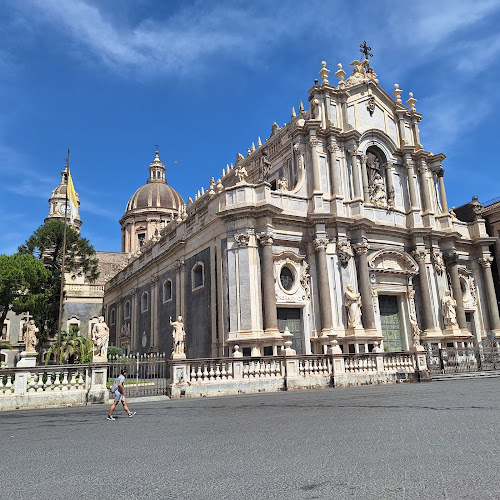
Basilica Cattedrale di Sant'Agata
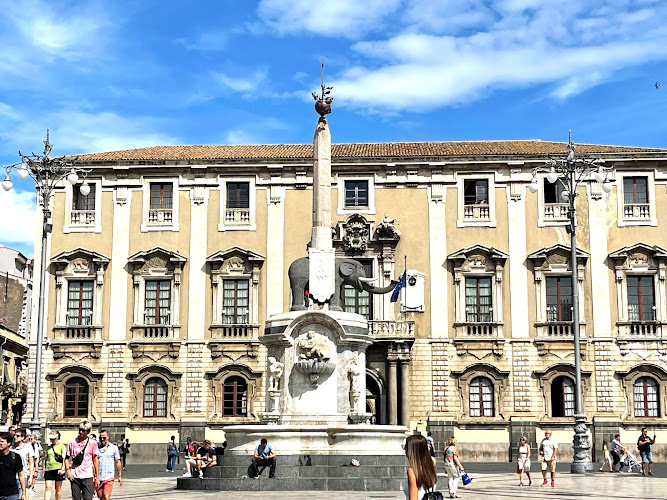
Palazzo degli Elefanti
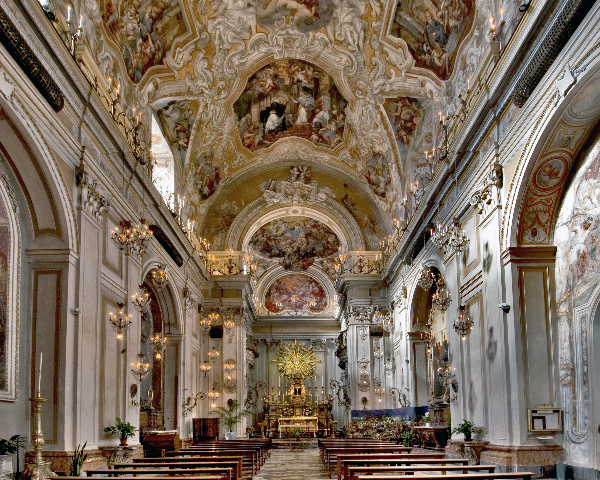
Church of Saint Benedict
Find Accommodations Nearby
Recommended Tours & Activities
Visitor Reviews
There are no reviews yet. Be the first one to write one.
Share Your Experience
Have you visited Fontana dell’Amenano? Help other travelers by leaving a review.