
Palazzo Biscari
About Palazzo Biscari
Description
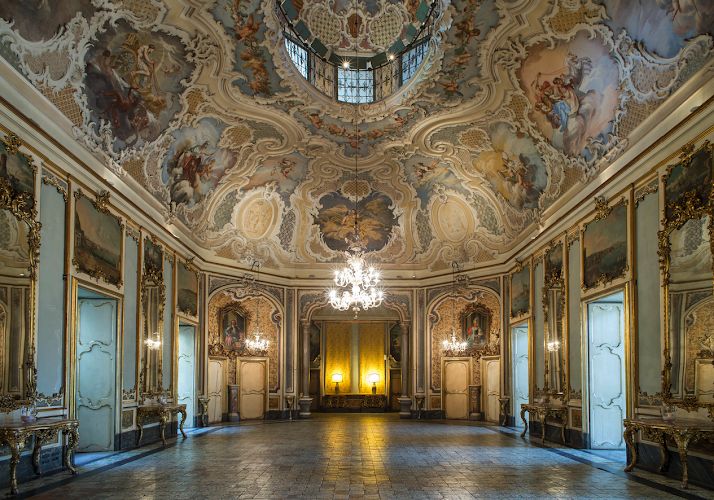
Palazzo Biscari is one of those places that genuinely takes your breath away, even if you’ve seen your fair share of grand European palaces. Standing proudly in the heart of Catania, this Baroque marvel feels like walking into a living painting. Built in the 17th century by the noble Paternò Castello family, Princes of Biscari, the palace has carried centuries of Sicilian history within its frescoed halls and ornate chambers. It’s not the kind of museum you just walk through—you experience it. Every corner seems to whisper stories of aristocratic banquets, lavish concerts, and the hum of noble life that once filled its rooms.
What strikes most visitors is the sense of intimacy hidden beneath all that grandeur. Despite its opulence—crystal chandeliers, gilded mirrors, stucco flourishes—the palace still feels personal, like it’s letting you peek into someone’s private world. And in a way, it is. The Biscari family still owns it, which makes the experience even more authentic. It’s still used for concerts, art exhibitions, fashion shows, and cultural events that keep its spirit alive. You can almost imagine the music echoing through the frescoed ceilings, the same way it did centuries ago.
Now, let’s be honest—some visitors find the guided tours a little brief or wish there was more information about the artwork. But that’s part of its charm; it’s not a polished, overly curated museum. It’s a living, breathing piece of history. And if you’re the kind of traveler who loves peeling back the layers of a city, Palazzo Biscari gives you that rare sense of stepping right into Catania’s soul.
Key Features
- Baroque Architecture: A masterpiece of Sicilian Baroque design, featuring intricate stucco work, sweeping staircases, and grand facades that reflect the artistic flair of 18th-century Catania.
- Frescoed Halls: Lavishly decorated rooms with ceiling frescoes that tell mythological and historical stories, many painted by Giovanni Battista Corradini and Matteo Desiderato.
- The Mirror Gallery: A stunning ballroom lined with mirrors and gilded details, often compared to a smaller, Sicilian version of Versailles’ Hall of Mirrors.
- Concerts and Events: The palace frequently hosts classical concerts, art exhibitions, and high-profile events, blending history with modern-day creativity.
- Private Ownership: Still owned by the Biscari family, which adds a personal touch and continuity to its centuries-old heritage.
- Accessibility: The palace offers wheelchair-accessible entrances and restrooms, making it easier for all visitors to enjoy.
- Family-Friendly: Kids tend to love the grand staircases, the echoing halls, and the feeling of stepping into a “real-life castle.”
- Central Location: Situated right in the historic heart of Catania, making it easy to combine with a visit to nearby landmarks like the Cathedral of Sant’Agata and Piazza del Duomo.
I remember wandering through the Mirror Gallery for the first time, and honestly, it felt like the walls were alive. The reflections bounce light in every direction, and for a moment, you lose track of where you are—it’s like stepping into a dream. It’s the kind of place that makes you stop talking and just look. And that’s rare these days, right?
Best Time to Visit
Catania’s Mediterranean climate makes Palazzo Biscari pleasant to visit year-round, but if you’re after the sweet spot, aim for spring (April to June) or early autumn (September to October). During these months, the weather is warm but not scorching, and the city feels alive without being overcrowded. The palace itself remains cool inside thanks to its thick stone walls, which is a blessing in the summer heat.
Winter can be a surprisingly good time too—fewer tourists, quieter streets, and a more intimate atmosphere. You might even catch a concert or special event inside the palace during the holiday season. Just keep in mind that opening hours can vary, so it’s smart to check ahead before planning your visit. And if you’re visiting in August, remember that Catania can get very hot, so bring water and take breaks between sightseeing stops.
How to Get There
Reaching Palazzo Biscari is straightforward, especially if you’re already exploring Catania’s historic center. From Piazza del Duomo, it’s just a short walk—five minutes, give or take. The palace sits close to the seafront, so you can easily combine your visit with a stroll along Via Etnea or a coffee break at one of the nearby cafés.
If you’re coming from outside the city, the Catania Centrale train station is about a 15-minute walk away. Local buses also stop nearby, and taxis are plentiful around the main squares. For those renting a car, parking can be tricky in the old town, so it’s better to park a bit farther out and walk in. Honestly, walking is part of the fun here. The streets are full of Baroque façades, quirky shops, and that unmistakable Sicilian energy—you’ll want to take your time soaking it all in.
Tips for Visiting
Here’s the thing about Palazzo Biscari—it’s not a massive museum where you’ll spend hours. It’s more of an immersive experience, so plan about an hour or so for your visit. That said, there are a few things to keep in mind to make the most of it:
- Book a Guided Tour: The palace can only be visited with a guided tour, but that’s actually a good thing. The guides are knowledgeable and often share family stories that bring the place to life.
- Photography: Cameras are usually allowed, and trust me, you’ll want to capture those frescoes and mirror reflections. Just be respectful of the space if events are happening.
- Timing: Try visiting in the morning when the light filters beautifully through the windows—it makes the frescoes glow in a way that’s almost magical.
- Combine It with Other Sights: Palazzo Biscari pairs perfectly with a visit to the nearby fish market or a walk through Via Crociferi, another Baroque gem of Catania.
- Accessibility: The palace is wheelchair-friendly, with accessible entrances and restrooms, though some older sections may have uneven flooring.
- Bring Curiosity: Don’t rush. Ask questions. Look up—literally. The ceilings are where much of the palace’s magic hides.
And maybe this is just me, but I think it’s worth lingering a bit after your tour. Step outside, grab a gelato from a nearby café, and just sit for a moment. You’ll see locals going about their day, students chatting, the hum of scooters in the distance—it’s a perfect reminder that this palace isn’t frozen in time. It’s part of Catania’s living, breathing rhythm.
Palazzo Biscari isn’t the kind of attraction that hits you with flashy exhibits or interactive displays. Instead, it invites you to slow down, to look closely, to imagine. And for travelers who love connecting with the soul of a place, that’s exactly what makes it unforgettable. Whether you’re an art lover, a history buff, or just someone who appreciates beauty that feels a little bit imperfect and human, this palace will leave a mark on you. Not because it’s the grandest or the biggest—but because it feels real. And that’s something worth traveling for.
Key Features
- Key Features
- Best Time to Visit
- How to Get There
- Tips for Visiting
More Details
Updated November 30, 2025
Table of Contents
Description
Palazzo Biscari is one of those places that genuinely takes your breath away, even if you’ve seen your fair share of grand European palaces. Standing proudly in the heart of Catania, this Baroque marvel feels like walking into a living painting. Built in the 17th century by the noble Paternò Castello family, Princes of Biscari, the palace has carried centuries of Sicilian history within its frescoed halls and ornate chambers. It’s not the kind of museum you just walk through—you experience it. Every corner seems to whisper stories of aristocratic banquets, lavish concerts, and the hum of noble life that once filled its rooms.
What strikes most visitors is the sense of intimacy hidden beneath all that grandeur. Despite its opulence—crystal chandeliers, gilded mirrors, stucco flourishes—the palace still feels personal, like it’s letting you peek into someone’s private world. And in a way, it is. The Biscari family still owns it, which makes the experience even more authentic. It’s still used for concerts, art exhibitions, fashion shows, and cultural events that keep its spirit alive. You can almost imagine the music echoing through the frescoed ceilings, the same way it did centuries ago.
Now, let’s be honest—some visitors find the guided tours a little brief or wish there was more information about the artwork. But that’s part of its charm; it’s not a polished, overly curated museum. It’s a living, breathing piece of history. And if you’re the kind of traveler who loves peeling back the layers of a city, Palazzo Biscari gives you that rare sense of stepping right into Catania’s soul.
Key Features
- Baroque Architecture: A masterpiece of Sicilian Baroque design, featuring intricate stucco work, sweeping staircases, and grand facades that reflect the artistic flair of 18th-century Catania.
- Frescoed Halls: Lavishly decorated rooms with ceiling frescoes that tell mythological and historical stories, many painted by Giovanni Battista Corradini and Matteo Desiderato.
- The Mirror Gallery: A stunning ballroom lined with mirrors and gilded details, often compared to a smaller, Sicilian version of Versailles’ Hall of Mirrors.
- Concerts and Events: The palace frequently hosts classical concerts, art exhibitions, and high-profile events, blending history with modern-day creativity.
- Private Ownership: Still owned by the Biscari family, which adds a personal touch and continuity to its centuries-old heritage.
- Accessibility: The palace offers wheelchair-accessible entrances and restrooms, making it easier for all visitors to enjoy.
- Family-Friendly: Kids tend to love the grand staircases, the echoing halls, and the feeling of stepping into a “real-life castle.”
- Central Location: Situated right in the historic heart of Catania, making it easy to combine with a visit to nearby landmarks like the Cathedral of Sant’Agata and Piazza del Duomo.
I remember wandering through the Mirror Gallery for the first time, and honestly, it felt like the walls were alive. The reflections bounce light in every direction, and for a moment, you lose track of where you are—it’s like stepping into a dream. It’s the kind of place that makes you stop talking and just look. And that’s rare these days, right?
Best Time to Visit
Catania’s Mediterranean climate makes Palazzo Biscari pleasant to visit year-round, but if you’re after the sweet spot, aim for spring (April to June) or early autumn (September to October). During these months, the weather is warm but not scorching, and the city feels alive without being overcrowded. The palace itself remains cool inside thanks to its thick stone walls, which is a blessing in the summer heat.
Winter can be a surprisingly good time too—fewer tourists, quieter streets, and a more intimate atmosphere. You might even catch a concert or special event inside the palace during the holiday season. Just keep in mind that opening hours can vary, so it’s smart to check ahead before planning your visit. And if you’re visiting in August, remember that Catania can get very hot, so bring water and take breaks between sightseeing stops.
How to Get There
Reaching Palazzo Biscari is straightforward, especially if you’re already exploring Catania’s historic center. From Piazza del Duomo, it’s just a short walk—five minutes, give or take. The palace sits close to the seafront, so you can easily combine your visit with a stroll along Via Etnea or a coffee break at one of the nearby cafés.
If you’re coming from outside the city, the Catania Centrale train station is about a 15-minute walk away. Local buses also stop nearby, and taxis are plentiful around the main squares. For those renting a car, parking can be tricky in the old town, so it’s better to park a bit farther out and walk in. Honestly, walking is part of the fun here. The streets are full of Baroque façades, quirky shops, and that unmistakable Sicilian energy—you’ll want to take your time soaking it all in.
Tips for Visiting
Here’s the thing about Palazzo Biscari—it’s not a massive museum where you’ll spend hours. It’s more of an immersive experience, so plan about an hour or so for your visit. That said, there are a few things to keep in mind to make the most of it:
- Book a Guided Tour: The palace can only be visited with a guided tour, but that’s actually a good thing. The guides are knowledgeable and often share family stories that bring the place to life.
- Photography: Cameras are usually allowed, and trust me, you’ll want to capture those frescoes and mirror reflections. Just be respectful of the space if events are happening.
- Timing: Try visiting in the morning when the light filters beautifully through the windows—it makes the frescoes glow in a way that’s almost magical.
- Combine It with Other Sights: Palazzo Biscari pairs perfectly with a visit to the nearby fish market or a walk through Via Crociferi, another Baroque gem of Catania.
- Accessibility: The palace is wheelchair-friendly, with accessible entrances and restrooms, though some older sections may have uneven flooring.
- Bring Curiosity: Don’t rush. Ask questions. Look up—literally. The ceilings are where much of the palace’s magic hides.
And maybe this is just me, but I think it’s worth lingering a bit after your tour. Step outside, grab a gelato from a nearby café, and just sit for a moment. You’ll see locals going about their day, students chatting, the hum of scooters in the distance—it’s a perfect reminder that this palace isn’t frozen in time. It’s part of Catania’s living, breathing rhythm.
Palazzo Biscari isn’t the kind of attraction that hits you with flashy exhibits or interactive displays. Instead, it invites you to slow down, to look closely, to imagine. And for travelers who love connecting with the soul of a place, that’s exactly what makes it unforgettable. Whether you’re an art lover, a history buff, or just someone who appreciates beauty that feels a little bit imperfect and human, this palace will leave a mark on you. Not because it’s the grandest or the biggest—but because it feels real. And that’s something worth traveling for.
Key Highlights
- Key Features
- Best Time to Visit
- How to Get There
- Tips for Visiting
Location
Places to Stay Near Palazzo Biscari
Find and Book a Tour
Explore More Travel Guides
No reviews found! Be the first to review!
Traveler Reviews for Palazzo Biscari
There are no reviews yet. Be the first one to write one.
Have you visited Palazzo Biscari? Help other travelers by sharing your review.
You Might Also Like
Church of Saint Benedict

Benedictine Monastery of San Nicolò l'Arena

Parco
Find Accommodations Nearby
Recommended Tours & Activities
Visitor Reviews
There are no reviews yet. Be the first one to write one.
Share Your Experience
Have you visited Palazzo Biscari? Help other travelers by leaving a review.