Stone carving 3.6 Utsunomiya, JapanCommunity Guide

Utsunomiya Gyoza Statue

1-23 Kawamukocho, Utsunomiya, Tochigi 321-0965, Japan

Utsunomiya Gyoza Statue
1,567 Photos

About & Overview

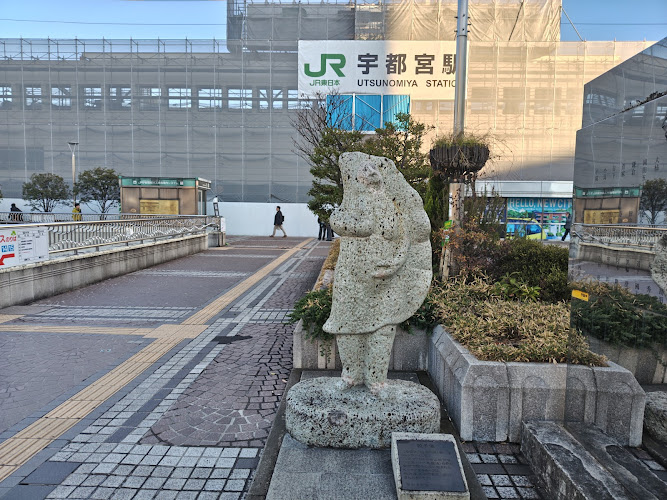
Perched just outside Utsunomiya Station’s west exit, the Utsunomiya Gyoza Statue is an eccentric and affectionate homage to the city’s most famous culinary export. Carved from local Oya stone, the abstract sculpture depicts a Venus-like figure cloaked in gyoza wrappers, celebrating Utsunomiya’s decades-long claim to Japan’s gyoza crown. Installed as a civic symbol and conversation piece, the statue ties into a broader local culture — a dedicated Gyoza Association, annual festivals, and a cluster of gyoza restaurants and “Gyoza Street” nearby. It’s special because it blends civic pride, regional craft (Oya stone carving), and food tourism into a single, photogenic landmark. Travelers should visit to get a quick cultural snapshot, take iconic photos on the pedestrian deck, and use the statue as a starting point for a gyoza crawl through nearby eateries. It’s particularly fun for food lovers, curious photographers, and anyone who appreciates quirky public art that tells a local story.

Highlights & Key Features

  • Carved from local Oya stone native to the Utsunomiya area
  • Abstract Venus-like figure draped in gyoza-wrapper motifs
  • Located on the pedestrian deck at Utsunomiya Station’s west exit for easy access
  • Symbolic focal point for local gyoza events and the city’s Gyoza Association
  • Photogenic spot that pairs well with a walking tour of nearby gyoza restaurants

Visitor Guide & Information

The Utsunomiya Gyoza Statue stands as one of Japan’s most wonderfully peculiar monuments, and honestly, when I first heard about it, I thought someone was pulling my leg. But no – this abstract stone carving genuinely depicts a goddess draped in gyoza dumpling dough, and it’s become an unexpected must-see for travelers exploring the Tochigi Prefecture. Located in Utsunomiya, a city that’s basically the gyoza capital of Japan, this sculpture celebrates the local obsession with these delicious dumplings in the most dramatic way possible.

The statue itself is an artistic interpretation that blends traditional Japanese aesthetic sensibilities with contemporary food culture. And let me tell you, it’s quite a sight. The goddess figure emerges from what appears to be folded dumpling wrappers, creating this surreal fusion of the sacred and the culinary. It’s the kind of thing that makes you stop and think about how seriously Japanese cities take their regional specialties – and Utsunomiya takes its gyoza very seriously indeed.

What makes this attraction particularly fascinating is how it represents the city’s identity. Utsunomiya has been locked in a friendly rivalry with Hamamatsu for the title of Japan’s top gyoza-consuming city for years. The residents here eat more gyoza per household than almost anywhere else in the country, and this statue serves as a proud declaration of that passion. It’s not just public art; it’s a statement.

The abstract nature of the sculpture means everyone sees something slightly different in it. Some visitors find it elegant and mysterious, while others find it downright quirky. My cousin visited last spring and spent twenty minutes trying to figure out which angle made it look most goddess-like versus dumpling-like. That’s part of the charm, really – it doesn’t take itself too seriously, yet it’s executed with genuine artistic merit.

Key Features

The Utsunomiya Gyoza Statue offers several distinctive characteristics that make it worth adding to your Japan itinerary:

  • Unique artistic concept combining traditional goddess imagery with gyoza dumpling aesthetics in stone
  • Perfect photo opportunity for food enthusiasts and quirky travel content creators
  • Represents Utsunomiya’s cultural identity as Japan’s gyoza capital
  • Free to visit and accessible to the public year-round
  • Located in an area with numerous authentic gyoza restaurants within walking distance
  • Relatively quick visit that can easily fit into a broader Utsunomiya food tour
  • Popular spot among domestic Japanese tourists seeking unusual regional attractions
  • Provides context for understanding the city’s culinary pride and local culture

Best Time to Visit

Timing your visit to the Gyoza Statue depends largely on what kind of experience you’re after. Since it’s an outdoor sculpture, it’s technically accessible all year round, but certain seasons definitely enhance the experience.

Spring, particularly late March through April, offers pleasant weather and the possibility of cherry blossoms in the surrounding area. The temperatures are comfortable for walking around, and you won’t be competing with summer crowds. I’ve found that April mornings are especially nice – crisp air, good lighting for photos, and you can grab fresh gyoza for breakfast at nearby restaurants (yes, gyoza for breakfast is absolutely a thing in Utsunomiya).

Autumn, from October through early November, is another excellent window. The fall colors in Tochigi Prefecture are stunning, and the cooler weather makes it perfect for exploring the city on foot. Plus, your appetite for hot, pan-fried gyoza will be at its peak when there’s a slight chill in the air.

Winter visits have their own appeal, though you’ll need to bundle up. The statue takes on a different character when there’s snow on the ground, and the contrast between the cold stone and the warm, steaming gyoza you’ll inevitably eat afterwards creates a memorable experience. Just be aware that January and February can get quite cold in this part of Japan.

Summer, truthfully, is the trickiest season. July and August bring heat and humidity that can make outdoor statue-viewing less comfortable. But if that’s when your Japan trip falls, don’t skip it – just plan to visit early morning or evening, and maybe bring a small towel for the inevitable sweat.

Weekday mornings tend to be quieter if you prefer a more contemplative visit without crowds. Weekends can get busier with domestic tourists, particularly during the annual Utsunomiya Gyoza Festival in November, when the entire city goes gyoza-crazy.

How to Get There

Getting to the Utsunomiya Gyoza Statue is surprisingly straightforward, especially if you’re already planning to explore areas north of Tokyo. Utsunomiya sits along the Tohoku Shinkansen line, making it easily accessible from major cities.

From Tokyo, the journey takes roughly 50 minutes on the Yamabiko or Nasuno shinkansen trains departing from Tokyo or Ueno stations. It’s a comfortable ride, and honestly, it’s worth the trip just for the gyoza alone – the statue is like a bonus appetizer before the main course. The shinkansen ticket will cost you around 5,000 yen one way, though prices fluctuate based on the specific train and seat type.

Once you arrive at JR Utsunomiya Station, the statue is located in the downtown area. You can reach it on foot in about 15-20 minutes from the station, which gives you a nice opportunity to explore the city streets. The walk is relatively flat and takes you through some interesting neighborhoods.

Alternatively, buses run from the station toward the city center, and taxis are readily available if you’re traveling with luggage or prefer not to walk. A taxi ride shouldn’t cost more than 1,000 yen or so, and drivers are generally familiar with the statue location.

If you’re driving, Utsunomiya is accessible via the Tohoku Expressway. However, parking in the immediate vicinity can be challenging, and honestly, public transportation is the more stress-free option for most travelers.

One thing to note – and this caught me off guard during my first visit – is that the statue area isn’t particularly well-signposted in English. Having the location saved on your phone’s map application is really helpful. Google Maps works well in this area, and most smartphones will pick up the location if you search for the statue in English or Japanese.

Tips for Visiting

Here’s where I share some practical wisdom that’ll make your Gyoza Statue experience smoother and more enjoyable.

First off, manage your expectations about accessibility. The statue doesn’t have wheelchair-accessible entrances or parking facilities, which is unfortunate but worth knowing before you go. The surrounding area has typical Japanese sidewalks with occasional curbs and uneven surfaces, so anyone with mobility concerns should plan accordingly.

Don’t make the statue your only destination in Utsunomiya – that would be missing the point entirely. The sculpture is really an introduction to the city’s gyoza culture. Plan to spend at least half a day in Utsunomiya so you can actually eat your way through several gyoza restaurants. Minmin and Masashi are two legendary spots worth trying, and there are dozens more. The statue makes sense in context when you’ve experienced why this city is so dumpling-obsessed.

Photography-wise, the statue photographs differently depending on the time of day. Morning light from the east creates interesting shadows, while late afternoon gives you warmer tones. And here’s a slightly embarrassing confession – I spent way too much time trying to get the “perfect” Instagram shot during my visit, only to realize later that the slightly imperfect, candid shots captured the statue’s quirky spirit better.

Bring cash for the nearby restaurants and shops. While Japan is gradually becoming more card-friendly, many smaller establishments in Utsunomiya still prefer cash, and you don’t want to miss out on amazing gyoza because you can’t pay.

The statue area doesn’t have restroom facilities immediately adjacent, so take care of that at the train station before heading out. There are public facilities in the general vicinity, but they’re not right at the statue itself.

Consider combining your statue visit with other Utsunomiya attractions. Futaarayama Shrine is a beautiful historic site not far away, and the Oya History Museum (famous for its underground stone quarry) is about 30 minutes from downtown. Making a full day of it gives you better value for your shinkansen ticket.

Don’t be shy about asking locals for recommendations. Utsunomiya residents are genuinely proud of their gyoza heritage, and mentioning that you came to see the statue often sparks friendly conversations and insider tips about the best places to eat.

Weather preparedness matters since this is an outdoor attraction. Bring an umbrella if rain is forecasted, and in summer, sunscreen and a hat are your friends. There’s minimal shade around the statue itself.

Finally, and this might sound odd, but try to visit the statue both before and after eating gyoza. Your appreciation for it changes when you’ve actually tasted what makes Utsunomiya special. The statue stops being just a weird sculpture and becomes a tribute to something genuinely delicious. That transformation in perception is part of what makes this attraction memorable beyond its initial novelty value.

The Utsunomiya Gyoza Statue won’t take up much of your time, but it offers something increasingly rare in our overly curated travel experiences – genuine local character expressed through public art. It’s strange, it’s specific, and it’s unapologetically dedicated to celebrating dumplings. And somehow, that makes it absolutely worth the visit.

Community & Insider Notes

Last modified March 30, 2026

Description

The Utsunomiya Gyoza Statue stands as one of Japan’s most wonderfully peculiar monuments, and honestly, when I first heard about it, I thought someone was pulling my leg. But no – this abstract stone carving genuinely depicts a goddess draped in gyoza dumpling dough, and it’s become an unexpected must-see for travelers exploring the Tochigi Prefecture. Located in Utsunomiya, a city that’s basically the gyoza capital of Japan, this sculpture celebrates the local obsession with these delicious dumplings in the most dramatic way possible.

The statue itself is an artistic interpretation that blends traditional Japanese aesthetic sensibilities with contemporary food culture. And let me tell you, it’s quite a sight. The goddess figure emerges from what appears to be folded dumpling wrappers, creating this surreal fusion of the sacred and the culinary. It’s the kind of thing that makes you stop and think about how seriously Japanese cities take their regional specialties – and Utsunomiya takes its gyoza very seriously indeed.

What makes this attraction particularly fascinating is how it represents the city’s identity. Utsunomiya has been locked in a friendly rivalry with Hamamatsu for the title of Japan’s top gyoza-consuming city for years. The residents here eat more gyoza per household than almost anywhere else in the country, and this statue serves as a proud declaration of that passion. It’s not just public art; it’s a statement.

The abstract nature of the sculpture means everyone sees something slightly different in it. Some visitors find it elegant and mysterious, while others find it downright quirky. My cousin visited last spring and spent twenty minutes trying to figure out which angle made it look most goddess-like versus dumpling-like. That’s part of the charm, really – it doesn’t take itself too seriously, yet it’s executed with genuine artistic merit.

Key Features

The Utsunomiya Gyoza Statue offers several distinctive characteristics that make it worth adding to your Japan itinerary:

  • Unique artistic concept combining traditional goddess imagery with gyoza dumpling aesthetics in stone
  • Perfect photo opportunity for food enthusiasts and quirky travel content creators
  • Represents Utsunomiya’s cultural identity as Japan’s gyoza capital
  • Free to visit and accessible to the public year-round
  • Located in an area with numerous authentic gyoza restaurants within walking distance
  • Relatively quick visit that can easily fit into a broader Utsunomiya food tour
  • Popular spot among domestic Japanese tourists seeking unusual regional attractions
  • Provides context for understanding the city’s culinary pride and local culture

Best Time to Visit

Timing your visit to the Gyoza Statue depends largely on what kind of experience you’re after. Since it’s an outdoor sculpture, it’s technically accessible all year round, but certain seasons definitely enhance the experience.

Spring, particularly late March through April, offers pleasant weather and the possibility of cherry blossoms in the surrounding area. The temperatures are comfortable for walking around, and you won’t be competing with summer crowds. I’ve found that April mornings are especially nice – crisp air, good lighting for photos, and you can grab fresh gyoza for breakfast at nearby restaurants (yes, gyoza for breakfast is absolutely a thing in Utsunomiya).

Autumn, from October through early November, is another excellent window. The fall colors in Tochigi Prefecture are stunning, and the cooler weather makes it perfect for exploring the city on foot. Plus, your appetite for hot, pan-fried gyoza will be at its peak when there’s a slight chill in the air.

Winter visits have their own appeal, though you’ll need to bundle up. The statue takes on a different character when there’s snow on the ground, and the contrast between the cold stone and the warm, steaming gyoza you’ll inevitably eat afterwards creates a memorable experience. Just be aware that January and February can get quite cold in this part of Japan.

Summer, truthfully, is the trickiest season. July and August bring heat and humidity that can make outdoor statue-viewing less comfortable. But if that’s when your Japan trip falls, don’t skip it – just plan to visit early morning or evening, and maybe bring a small towel for the inevitable sweat.

Weekday mornings tend to be quieter if you prefer a more contemplative visit without crowds. Weekends can get busier with domestic tourists, particularly during the annual Utsunomiya Gyoza Festival in November, when the entire city goes gyoza-crazy.

How to Get There

Getting to the Utsunomiya Gyoza Statue is surprisingly straightforward, especially if you’re already planning to explore areas north of Tokyo. Utsunomiya sits along the Tohoku Shinkansen line, making it easily accessible from major cities.

From Tokyo, the journey takes roughly 50 minutes on the Yamabiko or Nasuno shinkansen trains departing from Tokyo or Ueno stations. It’s a comfortable ride, and honestly, it’s worth the trip just for the gyoza alone – the statue is like a bonus appetizer before the main course. The shinkansen ticket will cost you around 5,000 yen one way, though prices fluctuate based on the specific train and seat type.

Once you arrive at JR Utsunomiya Station, the statue is located in the downtown area. You can reach it on foot in about 15-20 minutes from the station, which gives you a nice opportunity to explore the city streets. The walk is relatively flat and takes you through some interesting neighborhoods.

Alternatively, buses run from the station toward the city center, and taxis are readily available if you’re traveling with luggage or prefer not to walk. A taxi ride shouldn’t cost more than 1,000 yen or so, and drivers are generally familiar with the statue location.

If you’re driving, Utsunomiya is accessible via the Tohoku Expressway. However, parking in the immediate vicinity can be challenging, and honestly, public transportation is the more stress-free option for most travelers.

One thing to note – and this caught me off guard during my first visit – is that the statue area isn’t particularly well-signposted in English. Having the location saved on your phone’s map application is really helpful. Google Maps works well in this area, and most smartphones will pick up the location if you search for the statue in English or Japanese.

Tips for Visiting

Here’s where I share some practical wisdom that’ll make your Gyoza Statue experience smoother and more enjoyable.

First off, manage your expectations about accessibility. The statue doesn’t have wheelchair-accessible entrances or parking facilities, which is unfortunate but worth knowing before you go. The surrounding area has typical Japanese sidewalks with occasional curbs and uneven surfaces, so anyone with mobility concerns should plan accordingly.

Don’t make the statue your only destination in Utsunomiya – that would be missing the point entirely. The sculpture is really an introduction to the city’s gyoza culture. Plan to spend at least half a day in Utsunomiya so you can actually eat your way through several gyoza restaurants. Minmin and Masashi are two legendary spots worth trying, and there are dozens more. The statue makes sense in context when you’ve experienced why this city is so dumpling-obsessed.

Photography-wise, the statue photographs differently depending on the time of day. Morning light from the east creates interesting shadows, while late afternoon gives you warmer tones. And here’s a slightly embarrassing confession – I spent way too much time trying to get the “perfect” Instagram shot during my visit, only to realize later that the slightly imperfect, candid shots captured the statue’s quirky spirit better.

Bring cash for the nearby restaurants and shops. While Japan is gradually becoming more card-friendly, many smaller establishments in Utsunomiya still prefer cash, and you don’t want to miss out on amazing gyoza because you can’t pay.

The statue area doesn’t have restroom facilities immediately adjacent, so take care of that at the train station before heading out. There are public facilities in the general vicinity, but they’re not right at the statue itself.

Consider combining your statue visit with other Utsunomiya attractions. Futaarayama Shrine is a beautiful historic site not far away, and the Oya History Museum (famous for its underground stone quarry) is about 30 minutes from downtown. Making a full day of it gives you better value for your shinkansen ticket.

Don’t be shy about asking locals for recommendations. Utsunomiya residents are genuinely proud of their gyoza heritage, and mentioning that you came to see the statue often sparks friendly conversations and insider tips about the best places to eat.

Weather preparedness matters since this is an outdoor attraction. Bring an umbrella if rain is forecasted, and in summer, sunscreen and a hat are your friends. There’s minimal shade around the statue itself.

Finally, and this might sound odd, but try to visit the statue both before and after eating gyoza. Your appreciation for it changes when you’ve actually tasted what makes Utsunomiya special. The statue stops being just a weird sculpture and becomes a tribute to something genuinely delicious. That transformation in perception is part of what makes this attraction memorable beyond its initial novelty value.

The Utsunomiya Gyoza Statue won’t take up much of your time, but it offers something increasingly rare in our overly curated travel experiences – genuine local character expressed through public art. It’s strange, it’s specific, and it’s unapologetically dedicated to celebrating dumplings. And somehow, that makes it absolutely worth the visit.

Key Highlights

  • Carved from local Oya stone native to the Utsunomiya area
  • Abstract Venus-like figure draped in gyoza-wrapper motifs
  • Located on the pedestrian deck at Utsunomiya Station’s west exit for easy access
  • Symbolic focal point for local gyoza events and the city’s Gyoza Association
  • Photogenic spot that pairs well with a walking tour of nearby gyoza restaurants

Location

Places to Stay Near Utsunomiya Gyoza Statue

Find and Book a Tour

Explore More Travel Guides

No reviews found! Be the first to review!

Select a Rating5 Stars4 Stars3 Stars2 Stars1 Star

Utsunomiya Gyoza Statue is a prominent attractions located in Utsunomiya.

Visit us at: 1-23 Kawamukocho, Utsunomiya, Tochigi 321-0965, Japan.

Find Places to Stay Nearby

Stay22 provides this accommodation search. We may earn a commission if you book through it; verify current prices and terms with the provider.

Recommended Experiences & Activities

GetYourGuide provides this tour inventory. We may earn a commission if you book through it; verify current availability, prices, and terms with the provider.

Top Viator Experiences & Guided Tours in Utsunomiya

We may earn a commission if you book through links on this page at no extra cost to you. All tours feature verified customer reviews and flexible cancellation options.

Traveler Reviews & Community Q&A

No traveler reviews yet. Share your experience below!

No traveler questions yet. Be the first to ask a local!

Real Journey Travels Community