About Roadside Station Michi-no-Eki Utsunomiya Romantic Village

Description

The Roadside Station Michi-no-Eki Utsunomiya Romantic Village represents one of those delightfully unexpected discoveries that transforms a simple rest stop into a genuine destination. I've always found that the best travel experiences come from places that don't quite fit into neat little boxes, and this sprawling complex north of Utsunomiya city absolutely delivers on that front. This isn't your typical highway pit stop where you grab a coffee and stretch your legs for five minutes. The Romantic Village sprawls across working farmland and offers an almost bewildering variety of experiences under one umbrella. You've got a proper working farm here with seasonal produce being harvested right on the grounds, a farmers' market stocked with local vegetables and regional specialties, a full-service hotel for overnight stays, natural hot springs for soaking away road weariness, restaurants serving farm-to-table cuisine, playgrounds for kids who've been cooped up in car seats too long, and enough shopping options to satisfy even the most dedicated souvenir hunters. The concept behind these roadside stations—or michi-no-eki as they're known throughout Japan—was originally pretty straightforward: provide drivers with safe rest areas and promote local products. But places like Romantic Village have evolved the concept into something much more ambitious. This facility has become a legitimate agritourism destination where visitors can spend an entire day or even stay overnight to properly experience everything on offer. The onsen facility deserves special mention because honestly, how many rest stops anywhere in the world let you soak in natural hot spring waters? The bathing area uses genuine hot spring water pumped from underground sources, providing that authentic onsen experience that Japan does better than anywhere else. After hours behind the wheel navigating Japan's expressways, that therapeutic soak hits differently.

Key Features

The breadth of amenities at Utsunomiya Romantic Village genuinely impresses, though not everything works perfectly all the time—more on that in a bit. Here's what you'll find:
  • Working Agricultural Farm - Active farmland where seasonal fruits, vegetables, and flowers are cultivated throughout the year, with some opportunities for visitors to participate in harvesting during peak seasons
  • Natural Hot Springs Bath House - A proper onsen facility with indoor and outdoor bathing areas fed by natural hot spring sources, providing relaxation for weary travelers
  • Farmers' Market - An extensive market hall stocked with fresh local produce, regional specialty foods, handmade crafts, and Tochigi Prefecture products that you won't easily find elsewhere
  • Multiple Dining Options - Several restaurants and food stalls serving everything from casual bites to full meals featuring locally sourced ingredients from the farm
  • Accommodation Facilities - An onsite hotel offering overnight stays for those who want to make a proper vacation out of their visit
  • Children's Playground Areas - Multiple play spaces designed for different age groups, making this a family-friendly destination where kids can burn off energy
  • Specialty Shops - Various stores selling local products, souvenirs, baked goods, and regional delicacies particular to the Tochigi area
  • Full Accessibility Features - Wheelchair accessible entrances, parking areas, and restroom facilities throughout the complex
  • Ample Free Parking - Extensive parking lots with no fees, a rarity in many Japanese tourist destinations
  • Clean Modern Restrooms - Well-maintained facilities that exceed the standards of typical highway rest stops

Best Time to Visit

Timing your visit to Romantic Village really depends on what you're hoping to experience, because this place changes character with the seasons in pretty dramatic ways. Spring brings the farm to life with fresh plantings and flower gardens beginning to bloom. March through May sees moderate crowds and pleasant temperatures perfect for walking around the outdoor areas. The farmers' market starts filling with early season vegetables, and the surrounding landscape shakes off winter's dullness. If you've got kids interested in agriculture or just want to see farming in action, spring planting season offers educational value. Summer gets busy—really busy. Japanese families flock here during school holidays in July and August, which means crowded facilities and longer wait times for restaurants and the onsen. But summer also brings the fullest harvest seasons with berries, tomatoes, and other warm-weather crops available for picking or purchase. The playgrounds see maximum use, and the outdoor areas buzz with activity. Just prepare for heat and humidity that can be pretty intense. Autumn might be my personal favorite time for visiting. September through November brings cooler comfortable weather, spectacular fall foliage in the surrounding areas, and autumn harvest crops flooding the market stalls. Crowds thin out after summer vacation ends but before winter cold sets in. The onsen feels particularly wonderful when there's a autumn chill in the air, and the farm produces seasonal items like persimmons, chestnuts, and autumn vegetables. Winter presents a quieter experience with the smallest crowds of any season. The farm obviously looks more dormant, but the hot springs become the star attraction when temperatures drop. Soaking in steaming onsen water while cold air nips at your face creates one of those quintessential Japanese experiences. The market continues operating with winter produce and preserved goods. Just know that some outdoor areas may have limited appeal in freezing weather. Weekdays consistently offer better experiences than weekends regardless of season. Saturday and Sunday bring local families and tour buses that can overwhelm the facilities. If your schedule allows, a Tuesday or Wednesday visit provides a much more relaxed atmosphere.

How to Get There

Getting to Romantic Village requires some planning since public transportation options are honestly pretty limited—this is a facility designed with drivers in mind. By car represents the most straightforward approach. From central Utsunomiya, you're looking at roughly 25-30 minutes driving north. The facility sits relatively close to the Tohoku Expressway, making it convenient for travelers heading between Tokyo and northern destinations. Exit at the Utsunomiya-Kaminokawa Interchange and follow local roads for about 15 minutes. Navigation systems and GPS apps recognize the facility easily using the Japanese name or searching for "Romantic Village Utsunomiya." From Tokyo, drivers should budget around 90 minutes to two hours depending on traffic conditions. The expressway route is direct but be aware that tolls add up—expect to pay several thousand yen for the round trip. Weekend traffic heading north from Tokyo can get congested, particularly during holiday periods. Public transportation users face more challenges. The nearest train station is Utsunomiya Station on the JR lines, but from there you'll need additional transport. Local buses run to the area but schedules are infrequent and routes may require transfers that eat up significant time. A taxi from Utsunomiya Station costs approximately 4,000-5,000 yen one way and takes about 25 minutes, which becomes expensive unless you're splitting costs among several people. Some visitors combine their trip with rental cars picked up at Utsunomiya Station or Tokyo area locations. This flexibility allows you to explore other Tochigi attractions in the same trip—Nikko's temples, Nasu highlands, or Mashiko pottery town all become accessible when you've got wheels. Tour buses sometimes include Romantic Village as a stop on multi-destination itineraries, particularly those focused on rural Tochigi experiences. But these visits typically allow only an hour or two, barely scratching the surface of what's available.

Tips for Visiting

After spending time here myself and hearing from others who've visited, some practical advice can really enhance your experience. Budget more time than you initially think necessary. First-timers often plan for a quick one-hour stop and find themselves wanting to stay much longer once they see everything available. Three to four hours allows you to properly explore the market, enjoy a meal, take a bath, and browse the shops without feeling rushed. If you're bringing kids who want playground time or if harvest activities interest you, plan even longer. The onsen experience requires a bit of preparation if you're not familiar with Japanese bathing customs. Bring your own small towel for washing—they sell them onsite but bringing your own saves money. The facility provides everything else you need. Remember that bathing is done completely nude in gender-separated areas, and thorough washing at the provided stations happens before entering the communal baths. First-timers shouldn't feel intimidated; just observe what others do and follow along. For the farmers' market, arriving earlier in the day typically means better selection of fresh produce and popular items. Weekend mornings see the fullest stalls but also the biggest crowds. Local specialties sell out, especially seasonal items and baked goods from the onsite bakery. If you're purchasing perishable items, consider bringing a cooler bag for your car—particularly important during warm weather. Restaurant timing matters too. The dining facilities get absolutely slammed during typical meal hours, particularly lunch between 12:00-13:30 on weekends. Eating slightly earlier or later than peak times means shorter waits and more relaxed service. The food quality varies between different dining options, and honestly some items are better than others. The dishes featuring farm-fresh ingredients tend to outperform the more generic menu items. Free parking is a huge perk but spaces fill up on busy days, particularly the lots closest to the main buildings. Arriving before 10:00 AM or after 3:00 PM generally guarantees easier parking. Don't stress if you end up in a far lot—the walk isn't unreasonable and everything's well-signed. The facility is legitimately wheelchair accessible, which deserves recognition since not all rural attractions in Japan accommodate mobility challenges well. The paths, entrances, and facilities are thoughtfully designed for accessibility. Cash vs. card can be tricky here. While major facilities accept credit cards, smaller vendor stalls in the market often operate cash-only. Having several thousand yen in bills and coins prevents frustration when you spot something interesting at a small booth. Seasonal events happen throughout the year—harvest festivals, craft fairs, seasonal illuminations—but aren't always well-advertised to English-speaking visitors. The official website posts schedules though machine translation may be necessary to decipher details. Temperature management matters year-round. Summer requires sun protection, water, and hats for outdoor areas. Winter demands warm layers, though indoor facilities are well-heated. The onsen operates regardless of weather, making it a year-round attraction. Managing expectations helps too. This place receives mixed reviews from visitors, and understanding why prevents disappointment. Some people arrive expecting a polished resort-style experience and instead find a working agricultural facility with the authentic roughness that comes with real farming operations. The facilities are clean and well-maintained but not luxurious. Service is functional rather than doting. If you approach it as a genuine working farm that welcomes visitors rather than a theme park, you'll likely leave satisfied. Those expecting Disney-level polish and entertainment might come away underwhelmed. And here's something I genuinely appreciate about Romantic Village—it represents a different side of Japan than the typical tourist circuit. You won't find this place in most guidebooks or on standard itineraries. The crowd is overwhelmingly domestic Japanese visitors, which creates a more authentic local atmosphere. For travelers seeking experiences beyond the well-trodden tourist path, that authenticity holds real value.
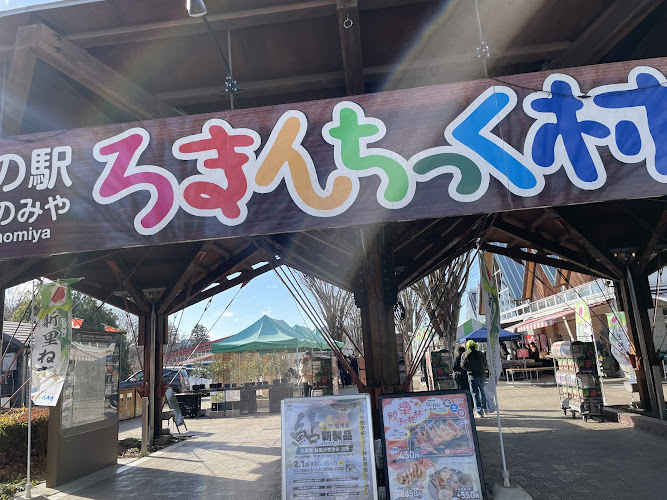

Key Features

  • Large farmers’ market selling fresh local produce and seasonal strawberries
  • On-site brewery and beer lineup featuring local barley-based brews
  • Hot spring (onsen) and outdoor leisure facilities including a pool
  • Experience farm and forest play area with nature-focused activities
  • Accommodation and dining options on the sprawling 46-hectare site

More Details

Updated March 30, 2026

Description

The Roadside Station Michi-no-Eki Utsunomiya Romantic Village represents one of those delightfully unexpected discoveries that transforms a simple rest stop into a genuine destination. I’ve always found that the best travel experiences come from places that don’t quite fit into neat little boxes, and this sprawling complex north of Utsunomiya city absolutely delivers on that front.

This isn’t your typical highway pit stop where you grab a coffee and stretch your legs for five minutes. The Romantic Village sprawls across working farmland and offers an almost bewildering variety of experiences under one umbrella. You’ve got a proper working farm here with seasonal produce being harvested right on the grounds, a farmers’ market stocked with local vegetables and regional specialties, a full-service hotel for overnight stays, natural hot springs for soaking away road weariness, restaurants serving farm-to-table cuisine, playgrounds for kids who’ve been cooped up in car seats too long, and enough shopping options to satisfy even the most dedicated souvenir hunters.

The concept behind these roadside stations—or michi-no-eki as they’re known throughout Japan—was originally pretty straightforward: provide drivers with safe rest areas and promote local products. But places like Romantic Village have evolved the concept into something much more ambitious. This facility has become a legitimate agritourism destination where visitors can spend an entire day or even stay overnight to properly experience everything on offer.

The onsen facility deserves special mention because honestly, how many rest stops anywhere in the world let you soak in natural hot spring waters? The bathing area uses genuine hot spring water pumped from underground sources, providing that authentic onsen experience that Japan does better than anywhere else. After hours behind the wheel navigating Japan’s expressways, that therapeutic soak hits differently.

Key Features

The breadth of amenities at Utsunomiya Romantic Village genuinely impresses, though not everything works perfectly all the time—more on that in a bit. Here’s what you’ll find:

  • Working Agricultural Farm – Active farmland where seasonal fruits, vegetables, and flowers are cultivated throughout the year, with some opportunities for visitors to participate in harvesting during peak seasons
  • Natural Hot Springs Bath House – A proper onsen facility with indoor and outdoor bathing areas fed by natural hot spring sources, providing relaxation for weary travelers
  • Farmers’ Market – An extensive market hall stocked with fresh local produce, regional specialty foods, handmade crafts, and Tochigi Prefecture products that you won’t easily find elsewhere
  • Multiple Dining Options – Several restaurants and food stalls serving everything from casual bites to full meals featuring locally sourced ingredients from the farm
  • Accommodation Facilities – An onsite hotel offering overnight stays for those who want to make a proper vacation out of their visit
  • Children’s Playground Areas – Multiple play spaces designed for different age groups, making this a family-friendly destination where kids can burn off energy
  • Specialty Shops – Various stores selling local products, souvenirs, baked goods, and regional delicacies particular to the Tochigi area
  • Full Accessibility Features – Wheelchair accessible entrances, parking areas, and restroom facilities throughout the complex
  • Ample Free Parking – Extensive parking lots with no fees, a rarity in many Japanese tourist destinations
  • Clean Modern Restrooms – Well-maintained facilities that exceed the standards of typical highway rest stops

Best Time to Visit

Timing your visit to Romantic Village really depends on what you’re hoping to experience, because this place changes character with the seasons in pretty dramatic ways.

Spring brings the farm to life with fresh plantings and flower gardens beginning to bloom. March through May sees moderate crowds and pleasant temperatures perfect for walking around the outdoor areas. The farmers’ market starts filling with early season vegetables, and the surrounding landscape shakes off winter’s dullness. If you’ve got kids interested in agriculture or just want to see farming in action, spring planting season offers educational value.

Summer gets busy—really busy. Japanese families flock here during school holidays in July and August, which means crowded facilities and longer wait times for restaurants and the onsen. But summer also brings the fullest harvest seasons with berries, tomatoes, and other warm-weather crops available for picking or purchase. The playgrounds see maximum use, and the outdoor areas buzz with activity. Just prepare for heat and humidity that can be pretty intense.

Autumn might be my personal favorite time for visiting. September through November brings cooler comfortable weather, spectacular fall foliage in the surrounding areas, and autumn harvest crops flooding the market stalls. Crowds thin out after summer vacation ends but before winter cold sets in. The onsen feels particularly wonderful when there’s a autumn chill in the air, and the farm produces seasonal items like persimmons, chestnuts, and autumn vegetables.

Winter presents a quieter experience with the smallest crowds of any season. The farm obviously looks more dormant, but the hot springs become the star attraction when temperatures drop. Soaking in steaming onsen water while cold air nips at your face creates one of those quintessential Japanese experiences. The market continues operating with winter produce and preserved goods. Just know that some outdoor areas may have limited appeal in freezing weather.

Weekdays consistently offer better experiences than weekends regardless of season. Saturday and Sunday bring local families and tour buses that can overwhelm the facilities. If your schedule allows, a Tuesday or Wednesday visit provides a much more relaxed atmosphere.

How to Get There

Getting to Romantic Village requires some planning since public transportation options are honestly pretty limited—this is a facility designed with drivers in mind.

By car represents the most straightforward approach. From central Utsunomiya, you’re looking at roughly 25-30 minutes driving north. The facility sits relatively close to the Tohoku Expressway, making it convenient for travelers heading between Tokyo and northern destinations. Exit at the Utsunomiya-Kaminokawa Interchange and follow local roads for about 15 minutes. Navigation systems and GPS apps recognize the facility easily using the Japanese name or searching for “Romantic Village Utsunomiya.”

From Tokyo, drivers should budget around 90 minutes to two hours depending on traffic conditions. The expressway route is direct but be aware that tolls add up—expect to pay several thousand yen for the round trip. Weekend traffic heading north from Tokyo can get congested, particularly during holiday periods.

Public transportation users face more challenges. The nearest train station is Utsunomiya Station on the JR lines, but from there you’ll need additional transport. Local buses run to the area but schedules are infrequent and routes may require transfers that eat up significant time. A taxi from Utsunomiya Station costs approximately 4,000-5,000 yen one way and takes about 25 minutes, which becomes expensive unless you’re splitting costs among several people.

Some visitors combine their trip with rental cars picked up at Utsunomiya Station or Tokyo area locations. This flexibility allows you to explore other Tochigi attractions in the same trip—Nikko’s temples, Nasu highlands, or Mashiko pottery town all become accessible when you’ve got wheels.

Tour buses sometimes include Romantic Village as a stop on multi-destination itineraries, particularly those focused on rural Tochigi experiences. But these visits typically allow only an hour or two, barely scratching the surface of what’s available.

Tips for Visiting

After spending time here myself and hearing from others who’ve visited, some practical advice can really enhance your experience.

Budget more time than you initially think necessary. First-timers often plan for a quick one-hour stop and find themselves wanting to stay much longer once they see everything available. Three to four hours allows you to properly explore the market, enjoy a meal, take a bath, and browse the shops without feeling rushed. If you’re bringing kids who want playground time or if harvest activities interest you, plan even longer.

The onsen experience requires a bit of preparation if you’re not familiar with Japanese bathing customs. Bring your own small towel for washing—they sell them onsite but bringing your own saves money. The facility provides everything else you need. Remember that bathing is done completely nude in gender-separated areas, and thorough washing at the provided stations happens before entering the communal baths. First-timers shouldn’t feel intimidated; just observe what others do and follow along.

For the farmers’ market, arriving earlier in the day typically means better selection of fresh produce and popular items. Weekend mornings see the fullest stalls but also the biggest crowds. Local specialties sell out, especially seasonal items and baked goods from the onsite bakery. If you’re purchasing perishable items, consider bringing a cooler bag for your car—particularly important during warm weather.

Restaurant timing matters too. The dining facilities get absolutely slammed during typical meal hours, particularly lunch between 12:00-13:30 on weekends. Eating slightly earlier or later than peak times means shorter waits and more relaxed service. The food quality varies between different dining options, and honestly some items are better than others. The dishes featuring farm-fresh ingredients tend to outperform the more generic menu items.

Free parking is a huge perk but spaces fill up on busy days, particularly the lots closest to the main buildings. Arriving before 10:00 AM or after 3:00 PM generally guarantees easier parking. Don’t stress if you end up in a far lot—the walk isn’t unreasonable and everything’s well-signed.

The facility is legitimately wheelchair accessible, which deserves recognition since not all rural attractions in Japan accommodate mobility challenges well. The paths, entrances, and facilities are thoughtfully designed for accessibility.

Cash vs. card can be tricky here. While major facilities accept credit cards, smaller vendor stalls in the market often operate cash-only. Having several thousand yen in bills and coins prevents frustration when you spot something interesting at a small booth.

Seasonal events happen throughout the year—harvest festivals, craft fairs, seasonal illuminations—but aren’t always well-advertised to English-speaking visitors. The official website posts schedules though machine translation may be necessary to decipher details.

Temperature management matters year-round. Summer requires sun protection, water, and hats for outdoor areas. Winter demands warm layers, though indoor facilities are well-heated. The onsen operates regardless of weather, making it a year-round attraction.

Managing expectations helps too. This place receives mixed reviews from visitors, and understanding why prevents disappointment. Some people arrive expecting a polished resort-style experience and instead find a working agricultural facility with the authentic roughness that comes with real farming operations. The facilities are clean and well-maintained but not luxurious. Service is functional rather than doting. If you approach it as a genuine working farm that welcomes visitors rather than a theme park, you’ll likely leave satisfied. Those expecting Disney-level polish and entertainment might come away underwhelmed.

And here’s something I genuinely appreciate about Romantic Village—it represents a different side of Japan than the typical tourist circuit. You won’t find this place in most guidebooks or on standard itineraries. The crowd is overwhelmingly domestic Japanese visitors, which creates a more authentic local atmosphere. For travelers seeking experiences beyond the well-trodden tourist path, that authenticity holds real value.

Key Highlights

  • Large farmers’ market selling fresh local produce and seasonal strawberries
  • On-site brewery and beer lineup featuring local barley-based brews
  • Hot spring (onsen) and outdoor leisure facilities including a pool
  • Experience farm and forest play area with nature-focused activities
  • Accommodation and dining options on the sprawling 46-hectare site

Location

Places to Stay Near Roadside Station Michi-no-Eki Utsunomiya Romantic Village

Find and Book a Tour

Explore More Travel Guides

No reviews found! Be the first to review!

Roadside Station Michi-no-Eki Utsunomiya Romantic Village is a prominent attractions located in Utsunomiya.

Visit us at: Hei-254 Nissatomachi, Utsunomiya, Tochigi 321-2118, Japan.

Traveler Reviews for Roadside Station Michi-no-Eki Utsunomiya Romantic Village

There are no reviews yet. Be the first one to write one.

Share Your Experience

Have you visited Roadside Station Michi-no-Eki Utsunomiya Romantic Village? Help other travelers by sharing your review.

Nearby Attractions

Utsunomiya city center (famous for gyoza restaurants) Tochigi Prefectural attractions and rural cycling routes Local breweries and agricultural tour experiences in the Utsunomiya area

Find Accommodations Nearby

Recommended Tours & Activities

Visitor Reviews

There are no reviews yet. Be the first one to write one.

Share Your Experience

Have you visited Roadside Station Michi-no-Eki Utsunomiya Romantic Village? Help other travelers by leaving a review.