Science museum 4.2 Utsunomiya, JapanCommunity Guide

Tochigi Science Museum

567 Nishikawatamachi, Utsunomiya, Tochigi 321-0151, Japan

Tochigi Science Museum
2,935 Photos

About & Overview

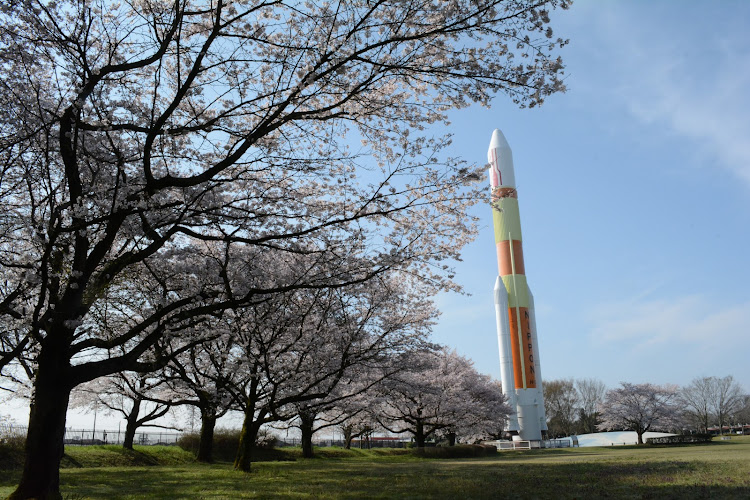
The Tochigi Science Museum (Tochigi Prefectural Children’s Comprehensive Science Museum) is a premier science education center located in Utsunomiya, Tochigi Prefecture, Japan. Recognized by its full-scale outdoor H-II space rocket replica, the museum features a planetarium, hands-on physics and robotics galleries, and outdoor activity courses.

Highlights & Key Features

  • Full-Scale H-II Space Rocket Replica: Monumental 50-meter full-scale replica of Japan’s flagship orbital launch rocket greeting visitors on the entry lawn.
  • State-of-the-Art Optical Planetarium: Immersive domed theater projecting over 100 million stars alongside seasonal astronomical presentations.
  • Interactive Hands-On Science Galleries: Four themed indoor exhibition zones exploring universe physics, human perception, life biology, and robotics.
  • Outdoor Transportation Vehicle Plaza: Educational activity park featuring miniature electric train rides, novelty tandem bicycles, and safety circuits.

Visitor Guide & Information

## Overview of the Tochigi Science Museum

The **Tochigi Science Museum** (officially named the *Tochigi Prefectural Children’s Comprehensive Science Museum* / *Tochigi-ken Kodomo Sōgō Kagakukan*) is a premier interactive educational facility located at 567 Nishikawada-machi in the southern outskirts of Utsunomiya, the capital city of Tochigi Prefecture, Japan. Established in May 1988 by the prefectural government to inspire curiosity and scientific literacy among children and families, the museum blends an expansive indoor science center with an outdoor recreational park spanning over sixteen hectares.

The museum is immediately recognizable from a distance thanks to its outdoor centerpiece: a full-scale, fifty-meter replica of Japan’s flagship **H-II space rocket**, standing proudly on the green entry lawn. Inside the futuristic triangular main exhibition pavilion, visitors discover four themed exhibition halls containing hundreds of hands-on interactive displays covering aerospace technology, optical illusions, sensory psychology, robotics, Earth ecology, and renewable energy.

## The Planetarium and Space Exploration Exhibits

The museum’s indoor highlights center around aerospace physics and astronomical observation:

– **The Optical-Digital Planetarium:** Situated within an expansive twenty-meter hemispherical projection dome, the planetarium utilizes a high-precision optical star projector synchronized with full-dome 4K digital projection. The system accurately renders more than 100 million individual celestial stars, constellations, nebulae, and planetary orbits. Four daily live-narrated sky shows (at 10:00 AM, 11:30 AM, 1:30 PM, and 3:00 PM) explain current seasonal constellations visible above Tochigi, paired with animated educational astronomy feature films.
– **The H-II Rocket Display:** Standing on the entry plaza lawn, the full-scale model replicates the H-II two-stage launch vehicle developed by the National Space Development Agency of Japan (NASDA, now JAXA). Visitors can walk around the rocket’s base to inspect the scale of its solid rocket boosters and liquid-propellant engine bells.
– **Space and Astronomy Gallery:** Inside, interactive simulators allow children to experience simulated lunar gravity, maneuver a miniature Mars rover over obstacle terrain, and inspect authentic meteorites recovered from Antarctic ice sheets.
– **Astronomical Observatory:** Perched on the museum’s upper observation tower is an astronomical observatory equipped with a large-aperture reflecting telescope. On designated weekend evenings throughout the year, the museum hosts public nighttime stargazing sessions where visitors can view the rings of Saturn, the cloud bands of Jupiter, and craters across the lunar surface under the guidance of resident astronomers.

## Interactive Exhibition Zones

The main building is organized into four interactive pedagogical zones designed to encourage experiential learning:

– **The Earth and Environment Zone:** Explores Tochigi’s unique geological landscape, volcanic formations (such as Mount Nantai in Nikko), river ecosystems of the Kinugawa River, and weather phenomena. Children can generate artificial tornadoes in a four-meter air-vortex chamber and observe live earthquake shockwave demonstrations on a simulated seismic shaking table.
– **The Human Life and Senses Zone:** Features hands-on experiments testing human reflexes, optical illusions, auditory balance, and perceptual limits. Walk-through illusion rooms with angled floors demonstrate how human brains process visual depth and perspective.
– **The Science and Technology Zone:** Introduces mechanical engineering, hydraulics, pneumatics, and robotics. Visitors can manipulate robotic arms, operate gear mechanisms, and discover how modern manufacturing industries in Tochigi (including automotive assembly and electronics) apply core physics principles.
– **Weekend Science Craft Workshops:** Every Saturday and Sunday, museum educators host live experimental science shows and workshops in the central laboratory. Children can construct simple electric motors, mix non-Newtonian fluids, or assemble rubber-band powered gliders to test in the outdoor flight corridors.
– **The Toddler Discovery Playroom:** A dedicated soft-play area designed for infants and preschool children featuring wooden building blocks, simple water wheels, and sensory tactile toys.

## The Outdoor Park and Vehicle Plaza

Surrounding the main science pavilion is an expansive landscaped activity park offering extensive outdoor recreation:

– **The Vehicle Plaza (*Norimono Hiroba*):** A dedicated miniature transportation park featuring a ride-on miniature steam train and electric locomotives that circle a 700-meter track through trees and bridges. Families can also rent novelty tandem pedal cars, recumbent bicycles, and specialized go-karts to navigate paved traffic-safety circuits equipped with working miniature traffic signals and crosswalks.
– **Water Playground and Adventure Lawns:** During warm summer months, a shallow stepped artificial stream and splash pool open for children. Expansive grassy lawns provide picnic tables and space for flying kites and running model gliders.
– **Dining and Amenities:** The on-site museum restaurant serves family-friendly Japanese lunch sets, udon noodles, curry rice, and ice cream, while outdoor kiosks offer snacks and cold drinks on weekends.

## Visitor Logistics and Access

– **Opening Hours:** Tuesday through Sunday from 9:30 AM to 4:30 PM (last admission at 4:00 PM). Closed on Mondays (or Tuesday if Monday is a public holiday).
– **Ticketing Advice:** Admission to the exhibition hall and the planetarium are ticketed separately, allowing visitors to customize their visit. Purchasing a combined exhibition plus planetarium ticket offers substantial savings.
– **Transit Connections:**
– **By Train (Tobu Utsunomiya Line):** Take the Tobu Utsunomiya Line to **Nishi-Kawada Station**. From the West Exit, it is a pleasant twenty-minute walk southwest through residential parks (or a five-minute taxi ride) to the museum gates.
– **By Bus from JR Utsunomiya Station:** On weekends and public holidays, Kanto Bus operates direct bus services departing from Bus Stop 11 at JR Utsunomiya Station West Exit bound for *Kodomo Kagakukan-mae*.
– **Parking:** The museum provides free parking for over 700 passenger vehicles.

Community & Insider Notes

Last modified March 30, 2026

## Overview of the Tochigi Science Museum

The **Tochigi Science Museum** (officially named the *Tochigi Prefectural Children’s Comprehensive Science Museum* / *Tochigi-ken Kodomo Sōgō Kagakukan*) is a premier interactive educational facility located at 567 Nishikawada-machi in the southern outskirts of Utsunomiya, the capital city of Tochigi Prefecture, Japan. Established in May 1988 by the prefectural government to inspire curiosity and scientific literacy among children and families, the museum blends an expansive indoor science center with an outdoor recreational park spanning over sixteen hectares.

The museum is immediately recognizable from a distance thanks to its outdoor centerpiece: a full-scale, fifty-meter replica of Japan’s flagship **H-II space rocket**, standing proudly on the green entry lawn. Inside the futuristic triangular main exhibition pavilion, visitors discover four themed exhibition halls containing hundreds of hands-on interactive displays covering aerospace technology, optical illusions, sensory psychology, robotics, Earth ecology, and renewable energy.

## The Planetarium and Space Exploration Exhibits

The museum’s indoor highlights center around aerospace physics and astronomical observation:

– **The Optical-Digital Planetarium:** Situated within an expansive twenty-meter hemispherical projection dome, the planetarium utilizes a high-precision optical star projector synchronized with full-dome 4K digital projection. The system accurately renders more than 100 million individual celestial stars, constellations, nebulae, and planetary orbits. Four daily live-narrated sky shows (at 10:00 AM, 11:30 AM, 1:30 PM, and 3:00 PM) explain current seasonal constellations visible above Tochigi, paired with animated educational astronomy feature films.
– **The H-II Rocket Display:** Standing on the entry plaza lawn, the full-scale model replicates the H-II two-stage launch vehicle developed by the National Space Development Agency of Japan (NASDA, now JAXA). Visitors can walk around the rocket’s base to inspect the scale of its solid rocket boosters and liquid-propellant engine bells.
– **Space and Astronomy Gallery:** Inside, interactive simulators allow children to experience simulated lunar gravity, maneuver a miniature Mars rover over obstacle terrain, and inspect authentic meteorites recovered from Antarctic ice sheets.
– **Astronomical Observatory:** Perched on the museum’s upper observation tower is an astronomical observatory equipped with a large-aperture reflecting telescope. On designated weekend evenings throughout the year, the museum hosts public nighttime stargazing sessions where visitors can view the rings of Saturn, the cloud bands of Jupiter, and craters across the lunar surface under the guidance of resident astronomers.

## Interactive Exhibition Zones

The main building is organized into four interactive pedagogical zones designed to encourage experiential learning:

– **The Earth and Environment Zone:** Explores Tochigi’s unique geological landscape, volcanic formations (such as Mount Nantai in Nikko), river ecosystems of the Kinugawa River, and weather phenomena. Children can generate artificial tornadoes in a four-meter air-vortex chamber and observe live earthquake shockwave demonstrations on a simulated seismic shaking table.
– **The Human Life and Senses Zone:** Features hands-on experiments testing human reflexes, optical illusions, auditory balance, and perceptual limits. Walk-through illusion rooms with angled floors demonstrate how human brains process visual depth and perspective.
– **The Science and Technology Zone:** Introduces mechanical engineering, hydraulics, pneumatics, and robotics. Visitors can manipulate robotic arms, operate gear mechanisms, and discover how modern manufacturing industries in Tochigi (including automotive assembly and electronics) apply core physics principles.
– **Weekend Science Craft Workshops:** Every Saturday and Sunday, museum educators host live experimental science shows and workshops in the central laboratory. Children can construct simple electric motors, mix non-Newtonian fluids, or assemble rubber-band powered gliders to test in the outdoor flight corridors.
– **The Toddler Discovery Playroom:** A dedicated soft-play area designed for infants and preschool children featuring wooden building blocks, simple water wheels, and sensory tactile toys.

## The Outdoor Park and Vehicle Plaza

Surrounding the main science pavilion is an expansive landscaped activity park offering extensive outdoor recreation:

– **The Vehicle Plaza (*Norimono Hiroba*):** A dedicated miniature transportation park featuring a ride-on miniature steam train and electric locomotives that circle a 700-meter track through trees and bridges. Families can also rent novelty tandem pedal cars, recumbent bicycles, and specialized go-karts to navigate paved traffic-safety circuits equipped with working miniature traffic signals and crosswalks.
– **Water Playground and Adventure Lawns:** During warm summer months, a shallow stepped artificial stream and splash pool open for children. Expansive grassy lawns provide picnic tables and space for flying kites and running model gliders.
– **Dining and Amenities:** The on-site museum restaurant serves family-friendly Japanese lunch sets, udon noodles, curry rice, and ice cream, while outdoor kiosks offer snacks and cold drinks on weekends.

## Visitor Logistics and Access

– **Opening Hours:** Tuesday through Sunday from 9:30 AM to 4:30 PM (last admission at 4:00 PM). Closed on Mondays (or Tuesday if Monday is a public holiday).
– **Ticketing Advice:** Admission to the exhibition hall and the planetarium are ticketed separately, allowing visitors to customize their visit. Purchasing a combined exhibition plus planetarium ticket offers substantial savings.
– **Transit Connections:**
– **By Train (Tobu Utsunomiya Line):** Take the Tobu Utsunomiya Line to **Nishi-Kawada Station**. From the West Exit, it is a pleasant twenty-minute walk southwest through residential parks (or a five-minute taxi ride) to the museum gates.
– **By Bus from JR Utsunomiya Station:** On weekends and public holidays, Kanto Bus operates direct bus services departing from Bus Stop 11 at JR Utsunomiya Station West Exit bound for *Kodomo Kagakukan-mae*.
– **Parking:** The museum provides free parking for over 700 passenger vehicles.

Key Highlights

  • Full-Scale H-II Space Rocket Replica: Monumental 50-meter full-scale replica of Japan’s flagship orbital launch rocket greeting visitors on the entry lawn.
  • State-of-the-Art Optical Planetarium: Immersive domed theater projecting over 100 million stars alongside seasonal astronomical presentations.
  • Interactive Hands-On Science Galleries: Four themed indoor exhibition zones exploring universe physics, human perception, life biology, and robotics.
  • Outdoor Transportation Vehicle Plaza: Educational activity park featuring miniature electric train rides, novelty tandem bicycles, and safety circuits.

Location

Places to Stay Near Tochigi Science Museum

Find and Book a Tour

Explore More Travel Guides

No reviews found! Be the first to review!

Select a Rating5 Stars4 Stars3 Stars2 Stars1 Star

Tochigi Science Museum is a prominent museums located in Utsunomiya.

Visit us at: 567 Nishikawatamachi, Utsunomiya, Tochigi 321-0151, Japan.

Nearby Attractions (Within 5 km)

Explore verified points of interest within walking or short transit distance.

No neighboring places mapped within 5 km yet.

Find Places to Stay Nearby

Stay22 provides this accommodation search. We may earn a commission if you book through it; verify current prices and terms with the provider.

Recommended Experiences & Activities

GetYourGuide provides this tour inventory. We may earn a commission if you book through it; verify current availability, prices, and terms with the provider.

Top Viator Experiences & Guided Tours in Utsunomiya

We may earn a commission if you book through links on this page at no extra cost to you. All tours feature verified customer reviews and flexible cancellation options.

Traveler Reviews & Community Q&A

No traveler reviews yet. Share your experience below!

No traveler questions yet. Be the first to ask a local!

Real Journey Travels Community

Reset your password · Create an account