About Ōya Temple (Oya Kannon)

Description

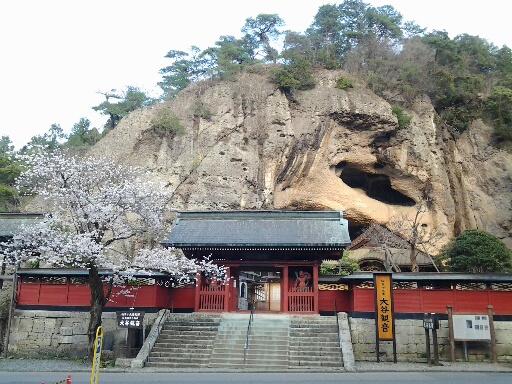
Ōya Temple, known locally as Oya Kannon, stands as one of Japan's most remarkable Buddhist temples – and honestly, when you first lay eyes on it, you'll understand why people have been making pilgrimages here for over a thousand years. The temple literally emerges from the soft volcanic stone cliffs of Ōya, creating this almost otherworldly atmosphere that you just don't find at your typical Japanese temple. What makes this place genuinely special is how it blends natural geology with spiritual architecture. The main attraction is a towering 27-meter tall Kannon statue – that's about 88 feet for those of us still thinking in imperial measurements – carved directly into the cliff face during the Heian period. And when I say carved into the cliff, I mean the ancient craftsmen worked with the existing rock formation to create something that feels both monumental and intimate at the same time. The temple complex includes beautiful water gardens where reflection pools mirror the carved stone structures above, creating these stunning visual effects that change with the seasons and time of day. There's also a WWII memorial on the grounds, which adds a sobering historical dimension to the visit. The Ōya stone quarried from this area was actually used in many significant buildings throughout Japan, and the temple sits right in the heart of this unique geological region just outside Utsunomiya in Tochigi Prefecture. But here's the thing about Ōya Temple that really got me thinking – it's not just about the big Kannon statue. The entire underground cavern system tells this incredible story of faith, craftsmanship, and how humans have interacted with this particular landscape for centuries. You'll walk through hand-carved tunnels and chambers that maintain a constant cool temperature year-round, which feels pretty amazing during Japan's humid summers.

Key Features

The temple offers several distinctive elements that make it worth the journey from Tokyo or other nearby cities:
  • The Main Kannon Statue – This massive Bodhisattva of Compassion carved into the cliff represents one of the oldest large-scale stone carvings in Japan, dating back approximately 1,200 years. The craftsmanship is remarkable considering the tools available during that era.
  • Underground Stone Caverns – The temple complex extends into former quarry tunnels where Ōya stone was extracted for centuries. These atmospheric spaces now house smaller Buddhist statues and create an almost cathedral-like environment with their vaulted ceilings.
  • Water Garden Reflections – Carefully designed pools throughout the grounds create mirror images of the stone structures, offering fantastic photography opportunities and peaceful meditation spots.
  • Peace Kannon Memorial – A large outdoor Kannon statue erected after World War II serves as a memorial to those who perished in the conflict. It's a moving reminder of how sacred spaces evolve to meet contemporary spiritual needs.
  • Unique Ōya Stone Architecture – The distinctive local stone, with its greenish-gray color and porous texture, appears throughout the complex. This volcanic tuff is light yet durable and has been quarried here for generations.
  • Seasonal Illuminations – The temple occasionally hosts special evening illumination events where lights transform the stone carvings and caverns into something truly magical.
  • Accessible Facilities – Unlike some ancient temples that require serious hiking, Ōya Temple provides on-site parking and restroom facilities, making it manageable for visitors with various mobility levels.

Best Time to Visit

Timing your visit to Ōya Temple can really make a difference in your experience. Spring, particularly late March through April, brings cherry blossoms that frame the stone structures beautifully. There's something poetic about seeing delicate pink petals against that ancient gray-green stone. Summer visits have their advantages too – the underground caverns maintain a cool temperature even when it's sweltering outside, offering natural air conditioning that the ancient quarry workers probably appreciated just as much. But be prepared for the humidity in the outdoor areas. Autumn might actually be the sweet spot though. The fall foliage in November creates this stunning color contrast with the stone, and the weather is generally comfortable for exploring both the indoor and outdoor sections. Plus, you'll often encounter fewer tour groups compared to peak cherry blossom season. Winter brings a quieter, more contemplative atmosphere. The bare trees reveal the cliff structures more clearly, and if you're lucky enough to visit after a light snowfall, the whole place takes on this serene, almost ethereal quality. Just dress warmly because that constant cool temperature in the caverns feels a lot different when you're already chilled from winter weather. Weekdays are generally less crowded than weekends, which matters more than the season honestly. There's something about experiencing these ancient spaces without crowds of people that allows for actual reflection rather than just snapping quick photos and moving on. The temple typically opens around 8:30 or 9:00 AM depending on the season, and I'd recommend arriving early to beat the tour buses that often roll in around mid-morning. Late afternoon can also be lovely as the changing light creates dramatic shadows across the carved surfaces.

How to Get There

Getting to Ōya Temple requires a bit more effort than your typical Tokyo temple visit, but that's partly why it remains somewhat off the main tourist trail. The temple sits about 8 kilometers northwest of Utsunomiya city center in Tochigi Prefecture. From Tokyo, your first step is catching the JR Tohoku Shinkansen to Utsunomiya Station, which takes roughly 50 minutes. The shinkansen isn't covered by the JR Pass on all trains, so check your specific train. Alternatively, regular JR trains make the journey in about 90 minutes and cost significantly less if you're not in a rush. Once you reach Utsunomiya Station, you've got several options. The most straightforward is taking a bus directly to Ōya Temple – the Kanto Bus bound for Ōya runs from the station and takes about 30 minutes. The bus doesn't run super frequently though, so check the schedule in advance to avoid long waits. Taxis from Utsunomiya Station to the temple cost around 3,000-4,000 yen and take roughly 20-25 minutes depending on traffic. If you're traveling with a group, splitting a taxi can actually be quite economical and saves the hassle of figuring out bus schedules. Renting a car gives you the most flexibility, especially if you want to explore the broader Ōya area including the famous Ōya History Museum nearby. The temple provides on-site parking which makes this option pretty convenient. Just be aware that Japanese rental cars require an International Driving Permit. For the more adventurous, cycling from Utsunomiya Station is possible – it's about 8 kilometers and takes roughly 40 minutes. You'll find rental bicycles near the station, and the route is relatively straightforward. This works best in spring or autumn when the weather cooperates.

Tips for Visiting

A few practical insights can really enhance your Ōya Temple experience. First off, bring cash because while Japan is modernizing its payment systems, smaller temples still often prefer or require cash for admission fees and any purchases from the small shop area. Wear comfortable shoes with good grip. You'll be walking through carved stone passages that can be slippery, especially if there's any moisture. Those fashionable but impractical shoes might look good in photos but they'll make navigating the caverns sketchy. The temperature inside the underground sections stays around 10-12 degrees Celsius (about 50-54 Fahrenheit) year-round. In summer this feels refreshing, but bring a light jacket even on hot days because the sudden temperature change can be surprising. In winter, well, it actually feels slightly warmer than outside but you'll still want layers. Photography is generally allowed, but be respectful – these are sacred spaces, not just Instagram backdrops. Flash photography might be restricted in certain areas to preserve the ancient carvings. And honestly, the natural lighting in the caverns creates more atmospheric photos anyway. Plan to spend at least 60-90 minutes exploring the entire complex properly. You could rush through in 30 minutes, but you'd be missing the point. This is a place for contemplation, not just checking boxes on an itinerary. Combine your visit with the nearby Ōya History Museum if you're interested in the geological and industrial history of the area. The museum occupies a former underground quarry and provides fascinating context about the Ōya stone industry. They're close enough that you could easily visit both in a half-day trip. The temple grounds include restroom facilities, but they're basic. Use them before heading into the cavern areas where facilities aren't available. If you're visiting during special illumination events, the experience is completely different from daytime visits. The ticket prices might be higher but the atmospheric lighting transforms the space into something almost mystical. These events require advance booking and sell out quickly. Consider visiting Utsunomiya's famous gyoza restaurants before or after the temple. The city is renowned as Japan's gyoza capital, and you'd be missing out by not sampling the local specialty. It's a nice way to balance spiritual contemplation with culinary pleasure. Lastly, approach Ōya Temple with some patience and openness. It's not as polished or internationally famous as Kyoto's temples, and that's exactly what makes it special. You're experiencing something that still feels authentic and connected to its local community rather than a tourist attraction that's been smoothed and packaged for mass consumption.

Key Features

  • Key Features
  • Best Time to Visit
  • How to Get There
  • Tips for Visiting

More Details

Updated March 30, 2026

Description

Ōya Temple, known locally as Oya Kannon, stands as one of Japan’s most remarkable Buddhist temples – and honestly, when you first lay eyes on it, you’ll understand why people have been making pilgrimages here for over a thousand years. The temple literally emerges from the soft volcanic stone cliffs of Ōya, creating this almost otherworldly atmosphere that you just don’t find at your typical Japanese temple.

What makes this place genuinely special is how it blends natural geology with spiritual architecture. The main attraction is a towering 27-meter tall Kannon statue – that’s about 88 feet for those of us still thinking in imperial measurements – carved directly into the cliff face during the Heian period. And when I say carved into the cliff, I mean the ancient craftsmen worked with the existing rock formation to create something that feels both monumental and intimate at the same time.

The temple complex includes beautiful water gardens where reflection pools mirror the carved stone structures above, creating these stunning visual effects that change with the seasons and time of day. There’s also a WWII memorial on the grounds, which adds a sobering historical dimension to the visit. The Ōya stone quarried from this area was actually used in many significant buildings throughout Japan, and the temple sits right in the heart of this unique geological region just outside Utsunomiya in Tochigi Prefecture.

But here’s the thing about Ōya Temple that really got me thinking – it’s not just about the big Kannon statue. The entire underground cavern system tells this incredible story of faith, craftsmanship, and how humans have interacted with this particular landscape for centuries. You’ll walk through hand-carved tunnels and chambers that maintain a constant cool temperature year-round, which feels pretty amazing during Japan’s humid summers.

Key Features

The temple offers several distinctive elements that make it worth the journey from Tokyo or other nearby cities:

  • The Main Kannon Statue – This massive Bodhisattva of Compassion carved into the cliff represents one of the oldest large-scale stone carvings in Japan, dating back approximately 1,200 years. The craftsmanship is remarkable considering the tools available during that era.
  • Underground Stone Caverns – The temple complex extends into former quarry tunnels where Ōya stone was extracted for centuries. These atmospheric spaces now house smaller Buddhist statues and create an almost cathedral-like environment with their vaulted ceilings.
  • Water Garden Reflections – Carefully designed pools throughout the grounds create mirror images of the stone structures, offering fantastic photography opportunities and peaceful meditation spots.
  • Peace Kannon Memorial – A large outdoor Kannon statue erected after World War II serves as a memorial to those who perished in the conflict. It’s a moving reminder of how sacred spaces evolve to meet contemporary spiritual needs.
  • Unique Ōya Stone Architecture – The distinctive local stone, with its greenish-gray color and porous texture, appears throughout the complex. This volcanic tuff is light yet durable and has been quarried here for generations.
  • Seasonal Illuminations – The temple occasionally hosts special evening illumination events where lights transform the stone carvings and caverns into something truly magical.
  • Accessible Facilities – Unlike some ancient temples that require serious hiking, Ōya Temple provides on-site parking and restroom facilities, making it manageable for visitors with various mobility levels.

Best Time to Visit

Timing your visit to Ōya Temple can really make a difference in your experience. Spring, particularly late March through April, brings cherry blossoms that frame the stone structures beautifully. There’s something poetic about seeing delicate pink petals against that ancient gray-green stone.

Summer visits have their advantages too – the underground caverns maintain a cool temperature even when it’s sweltering outside, offering natural air conditioning that the ancient quarry workers probably appreciated just as much. But be prepared for the humidity in the outdoor areas.

Autumn might actually be the sweet spot though. The fall foliage in November creates this stunning color contrast with the stone, and the weather is generally comfortable for exploring both the indoor and outdoor sections. Plus, you’ll often encounter fewer tour groups compared to peak cherry blossom season.

Winter brings a quieter, more contemplative atmosphere. The bare trees reveal the cliff structures more clearly, and if you’re lucky enough to visit after a light snowfall, the whole place takes on this serene, almost ethereal quality. Just dress warmly because that constant cool temperature in the caverns feels a lot different when you’re already chilled from winter weather.

Weekdays are generally less crowded than weekends, which matters more than the season honestly. There’s something about experiencing these ancient spaces without crowds of people that allows for actual reflection rather than just snapping quick photos and moving on.

The temple typically opens around 8:30 or 9:00 AM depending on the season, and I’d recommend arriving early to beat the tour buses that often roll in around mid-morning. Late afternoon can also be lovely as the changing light creates dramatic shadows across the carved surfaces.

How to Get There

Getting to Ōya Temple requires a bit more effort than your typical Tokyo temple visit, but that’s partly why it remains somewhat off the main tourist trail. The temple sits about 8 kilometers northwest of Utsunomiya city center in Tochigi Prefecture.

From Tokyo, your first step is catching the JR Tohoku Shinkansen to Utsunomiya Station, which takes roughly 50 minutes. The shinkansen isn’t covered by the JR Pass on all trains, so check your specific train. Alternatively, regular JR trains make the journey in about 90 minutes and cost significantly less if you’re not in a rush.

Once you reach Utsunomiya Station, you’ve got several options. The most straightforward is taking a bus directly to Ōya Temple – the Kanto Bus bound for Ōya runs from the station and takes about 30 minutes. The bus doesn’t run super frequently though, so check the schedule in advance to avoid long waits.

Taxis from Utsunomiya Station to the temple cost around 3,000-4,000 yen and take roughly 20-25 minutes depending on traffic. If you’re traveling with a group, splitting a taxi can actually be quite economical and saves the hassle of figuring out bus schedules.

Renting a car gives you the most flexibility, especially if you want to explore the broader Ōya area including the famous Ōya History Museum nearby. The temple provides on-site parking which makes this option pretty convenient. Just be aware that Japanese rental cars require an International Driving Permit.

For the more adventurous, cycling from Utsunomiya Station is possible – it’s about 8 kilometers and takes roughly 40 minutes. You’ll find rental bicycles near the station, and the route is relatively straightforward. This works best in spring or autumn when the weather cooperates.

Tips for Visiting

A few practical insights can really enhance your Ōya Temple experience. First off, bring cash because while Japan is modernizing its payment systems, smaller temples still often prefer or require cash for admission fees and any purchases from the small shop area.

Wear comfortable shoes with good grip. You’ll be walking through carved stone passages that can be slippery, especially if there’s any moisture. Those fashionable but impractical shoes might look good in photos but they’ll make navigating the caverns sketchy.

The temperature inside the underground sections stays around 10-12 degrees Celsius (about 50-54 Fahrenheit) year-round. In summer this feels refreshing, but bring a light jacket even on hot days because the sudden temperature change can be surprising. In winter, well, it actually feels slightly warmer than outside but you’ll still want layers.

Photography is generally allowed, but be respectful – these are sacred spaces, not just Instagram backdrops. Flash photography might be restricted in certain areas to preserve the ancient carvings. And honestly, the natural lighting in the caverns creates more atmospheric photos anyway.

Plan to spend at least 60-90 minutes exploring the entire complex properly. You could rush through in 30 minutes, but you’d be missing the point. This is a place for contemplation, not just checking boxes on an itinerary.

Combine your visit with the nearby Ōya History Museum if you’re interested in the geological and industrial history of the area. The museum occupies a former underground quarry and provides fascinating context about the Ōya stone industry. They’re close enough that you could easily visit both in a half-day trip.

The temple grounds include restroom facilities, but they’re basic. Use them before heading into the cavern areas where facilities aren’t available.

If you’re visiting during special illumination events, the experience is completely different from daytime visits. The ticket prices might be higher but the atmospheric lighting transforms the space into something almost mystical. These events require advance booking and sell out quickly.

Consider visiting Utsunomiya’s famous gyoza restaurants before or after the temple. The city is renowned as Japan’s gyoza capital, and you’d be missing out by not sampling the local specialty. It’s a nice way to balance spiritual contemplation with culinary pleasure.

Lastly, approach Ōya Temple with some patience and openness. It’s not as polished or internationally famous as Kyoto’s temples, and that’s exactly what makes it special. You’re experiencing something that still feels authentic and connected to its local community rather than a tourist attraction that’s been smoothed and packaged for mass consumption.

Key Highlights

  • Key Features
  • Best Time to Visit
  • How to Get There
  • Tips for Visiting

Location

Places to Stay Near Ōya Temple (Oya Kannon)

Find and Book a Tour

Explore More Travel Guides

No reviews found! Be the first to review!

Ōya Temple (Oya Kannon) is a prominent 仏教寺院 located in Utsunomiya.

Visit us at: 1198 Oyamachi, Utsunomiya, Tochigi 321-0345, Japan.

Traveler Reviews for Ōya Temple (Oya Kannon)

There are no reviews yet. Be the first one to write one.

Share Your Experience

Have you visited Ōya Temple (Oya Kannon)? Help other travelers by sharing your review.

Find Accommodations Nearby

Recommended Tours & Activities

Visitor Reviews

There are no reviews yet. Be the first one to write one.

Share Your Experience

Have you visited Ōya Temple (Oya Kannon)? Help other travelers by leaving a review.