
Tagemachi
About Tagemachi
Description
Tagemachi represents one of those rare urban districts where traditional Japanese culture hasn't just survived—it's thriving in ways that feel genuine rather than staged for tourists. Walking through this area, you'll notice immediately that it operates on a different rhythm than the typical tourist hotspots. The streets here have this wonderful quality of feeling lived-in, like you're stepping into neighborhoods where people actually go about their daily lives rather than just performing for cameras. What strikes most visitors first is the architectural character. The preserved buildings showcase that classic Japanese aesthetic—wooden facades, sliding doors, and those elegant sloping rooflines that seem to capture shadows in the most beautiful ways. And honestly, it's refreshing to see a place that hasn't bulldozed everything in the name of modernization. You'll find shops that have been family-run for generations sitting comfortably next to contemporary cafes, creating this interesting dialogue between past and present. The district has managed something pretty special. It maintains cultural authenticity while still being accessible to visitors who might not speak Japanese or understand every nuance of local customs. I've found that the shopkeepers and residents here have this patient warmth about them, especially when you show genuine interest in their crafts or traditions. They're not putting on a show—they're just sharing what they love.Key Features
The appeal of Tagemachi extends across several dimensions that travelers will appreciate: • Traditional craft workshops where artisans still practice centuries-old techniques in metalwork, textile production, and pottery. You can actually watch skilled craftspeople at work rather than just browsing finished products in a sterile showroom setting. • Historical architecture that gives you a real sense of what Japanese urban life looked like before the concrete and steel boom. The building preservation efforts here have been thoughtful and extensive. • Local dining establishments serving regional specialties that you won't find in your typical tourist guidebook. These aren't Michelin-starred places necessarily, but they offer that authentic taste of home cooking and local flavors. • Small museums and cultural centers that provide context about the area's history without being overwhelming or overly academic. The exhibits tend to be manageable in size but rich in content. • Pedestrian-friendly streets that make wandering aimless and enjoyable. You won't be dodging cars constantly or feeling rushed by traffic noise. • Seasonal festivals and events that reflect genuine community celebrations rather than tourist-oriented productions. The timing varies throughout the year, but participating in one transforms the experience entirely. • Artisan shops selling handmade goods where you can often meet the creators themselves. There's something meaningful about buying directly from the person who made what you're purchasing. • Tea houses offering traditional tea ceremony experiences in settings that feel intimate rather than commercialized.Best Time to Visit
Timing your visit to Tagemachi can significantly affect your experience, though truthfully, each season offers its own rewards. Spring brings the expected cherry blossoms, and yes, they're beautiful here—but the crowds are real. If you can handle sharing the streets with other admirers, late March through early April delivers those iconic pink canopies that photograph so wonderfully. But here's what I think more people should consider: autumn might actually be the superior choice. From late October through November, the temperature becomes incredibly comfortable for walking, and the fall foliage provides scenery that rivals spring's blossoms. The crisp air makes those outdoor experiences more enjoyable, and there's generally less tourist congestion. The light during this season has this golden quality that makes everything look warmer and more inviting. Summer can be challenging. The humidity in many Japanese cities becomes oppressive, and Tagemachi isn't magically exempt from this reality. If you do visit between June and August, plan your activities for morning and evening hours when temperatures are more bearable. The summer festivals can be wonderful experiences, but you'll be sweating through them—just being honest here. Winter offers the quietest period. January and February see fewer visitors, which means you get more authentic interactions and better photo opportunities without crowds. The cold is manageable with proper layering, and there's something atmospheric about the district under grey skies or light snow. Some shops and attractions may have reduced hours, so that's worth checking before you go. Weekdays generally provide a calmer experience regardless of season. If your schedule allows it, visiting Tuesday through Thursday means you'll encounter fewer weekend tourists and have an easier time accessing popular spots.How to Get There
Reaching Tagemachi typically involves some combination of train travel and walking, which is pretty standard for exploring Japanese cities. The nearest train stations serve as your starting points, and from there you're looking at anywhere from a ten to twenty-minute walk depending on which specific area you're targeting. Most visitors arrive via the local rail network, which connects efficiently to major hubs in the region. If you're coming from a larger city, you'll likely take a main line and then transfer to a local line. The signage in stations has improved dramatically for English-readers over recent years, though having a translation app on your phone still helps when you're trying to decipher platform numbers or exit names. Taxis are an option if you're traveling with luggage or have mobility concerns, though they're considerably more expensive than public transit. The streets in parts of Tagemachi can be narrow, so your taxi might not be able to drop you exactly at your destination. Drivers generally know the area well, but having your destination written in Japanese characters helps avoid confusion. For the more adventurous, cycling is absolutely viable. Some visitors rent bicycles from shops near the train stations, which gives you flexibility to cover more ground and explore surrounding areas. The terrain isn't particularly challenging, and there are places to park bikes near most major attractions. If you're driving from outside the area, parking can be tricky. The district wasn't designed for modern vehicle traffic, and lot availability is limited. I'd honestly recommend against driving unless you have specific reasons that make it necessary.Tips for Visiting
Getting the most from your time in Tagemachi requires some practical awareness. First thing—wear comfortable walking shoes. This isn't really optional. You'll be on your feet covering uneven surfaces, stepping in and out of buildings where you'll remove shoes, and possibly climbing stairs. Those cute but impractical shoes will have you miserable by midday. Cash remains important here despite Japan's increasing adoption of electronic payment. Many smaller shops and traditional establishments still operate on a cash-only basis. ATMs that accept international cards can be found at convenience stores, but it's smarter to arrive prepared. Respect for local customs makes a huge difference in how you're received. When entering shops and traditional spaces, a simple bow and greeting goes a long way. If you're entering a home, temple, or certain traditional shops, you'll need to remove your shoes—just follow what others are doing if you're unsure. Photography etiquette matters. While the district is photogenic and most areas welcome photography, always ask permission before photographing people, shop interiors, or artisans at work. A gesture toward your camera with a questioning expression usually communicates your intent clearly enough. Timing your meals slightly off the standard lunch rush (before 11:30 AM or after 1:30 PM) means you'll get seats more easily at popular restaurants. The same applies to dinner—eating before 6 PM or after 8 PM helps you avoid peak crowding. Learn a few basic Japanese phrases. Even if your pronunciation is terrible, attempting "arigatou gozaimasu" (thank you) and "sumimasen" (excuse me) demonstrates respect. Most locals appreciate the effort even when they respond in English. Plan for some unstructured wandering time. The best discoveries in Tagemachi often happen when you're not following a rigid itinerary. Allow yourself to get a little lost, peek down side streets, and follow your curiosity. That said, downloading offline maps helps when you're ready to find your way back. Consider hiring a local guide for at least part of your visit. The context they provide about historical significance, architectural details, and cultural practices enriches the experience substantially. You'll notice things you'd otherwise walk right past. Bring a daypack rather than a large bag. You'll accumulate purchases, need access to water, and want your hands free. But avoid oversized backpacks that become cumbersome in crowded shops or narrow streets. Finally, manage your expectations around English language support. While major attractions may have English information available, many smaller establishments rely primarily on Japanese. This isn't a barrier to visiting—it's part of the authentic character of the place. Embrace the communication challenge as part of the experience rather than a frustration.Key Features
- Key Features
- Best Time to Visit
- How to Get There
- Tips for Visiting
More Details
Updated March 30, 2026
Table of Contents
Description
Tagemachi represents one of those rare urban districts where traditional Japanese culture hasn’t just survived—it’s thriving in ways that feel genuine rather than staged for tourists. Walking through this area, you’ll notice immediately that it operates on a different rhythm than the typical tourist hotspots. The streets here have this wonderful quality of feeling lived-in, like you’re stepping into neighborhoods where people actually go about their daily lives rather than just performing for cameras.
What strikes most visitors first is the architectural character. The preserved buildings showcase that classic Japanese aesthetic—wooden facades, sliding doors, and those elegant sloping rooflines that seem to capture shadows in the most beautiful ways. And honestly, it’s refreshing to see a place that hasn’t bulldozed everything in the name of modernization. You’ll find shops that have been family-run for generations sitting comfortably next to contemporary cafes, creating this interesting dialogue between past and present.
The district has managed something pretty special. It maintains cultural authenticity while still being accessible to visitors who might not speak Japanese or understand every nuance of local customs. I’ve found that the shopkeepers and residents here have this patient warmth about them, especially when you show genuine interest in their crafts or traditions. They’re not putting on a show—they’re just sharing what they love.
Key Features
The appeal of Tagemachi extends across several dimensions that travelers will appreciate:
• Traditional craft workshops where artisans still practice centuries-old techniques in metalwork, textile production, and pottery. You can actually watch skilled craftspeople at work rather than just browsing finished products in a sterile showroom setting.
• Historical architecture that gives you a real sense of what Japanese urban life looked like before the concrete and steel boom. The building preservation efforts here have been thoughtful and extensive.
• Local dining establishments serving regional specialties that you won’t find in your typical tourist guidebook. These aren’t Michelin-starred places necessarily, but they offer that authentic taste of home cooking and local flavors.
• Small museums and cultural centers that provide context about the area’s history without being overwhelming or overly academic. The exhibits tend to be manageable in size but rich in content.
• Pedestrian-friendly streets that make wandering aimless and enjoyable. You won’t be dodging cars constantly or feeling rushed by traffic noise.
• Seasonal festivals and events that reflect genuine community celebrations rather than tourist-oriented productions. The timing varies throughout the year, but participating in one transforms the experience entirely.
• Artisan shops selling handmade goods where you can often meet the creators themselves. There’s something meaningful about buying directly from the person who made what you’re purchasing.
• Tea houses offering traditional tea ceremony experiences in settings that feel intimate rather than commercialized.
Best Time to Visit
Timing your visit to Tagemachi can significantly affect your experience, though truthfully, each season offers its own rewards. Spring brings the expected cherry blossoms, and yes, they’re beautiful here—but the crowds are real. If you can handle sharing the streets with other admirers, late March through early April delivers those iconic pink canopies that photograph so wonderfully.
But here’s what I think more people should consider: autumn might actually be the superior choice. From late October through November, the temperature becomes incredibly comfortable for walking, and the fall foliage provides scenery that rivals spring’s blossoms. The crisp air makes those outdoor experiences more enjoyable, and there’s generally less tourist congestion. The light during this season has this golden quality that makes everything look warmer and more inviting.
Summer can be challenging. The humidity in many Japanese cities becomes oppressive, and Tagemachi isn’t magically exempt from this reality. If you do visit between June and August, plan your activities for morning and evening hours when temperatures are more bearable. The summer festivals can be wonderful experiences, but you’ll be sweating through them—just being honest here.
Winter offers the quietest period. January and February see fewer visitors, which means you get more authentic interactions and better photo opportunities without crowds. The cold is manageable with proper layering, and there’s something atmospheric about the district under grey skies or light snow. Some shops and attractions may have reduced hours, so that’s worth checking before you go.
Weekdays generally provide a calmer experience regardless of season. If your schedule allows it, visiting Tuesday through Thursday means you’ll encounter fewer weekend tourists and have an easier time accessing popular spots.
How to Get There
Reaching Tagemachi typically involves some combination of train travel and walking, which is pretty standard for exploring Japanese cities. The nearest train stations serve as your starting points, and from there you’re looking at anywhere from a ten to twenty-minute walk depending on which specific area you’re targeting.
Most visitors arrive via the local rail network, which connects efficiently to major hubs in the region. If you’re coming from a larger city, you’ll likely take a main line and then transfer to a local line. The signage in stations has improved dramatically for English-readers over recent years, though having a translation app on your phone still helps when you’re trying to decipher platform numbers or exit names.
Taxis are an option if you’re traveling with luggage or have mobility concerns, though they’re considerably more expensive than public transit. The streets in parts of Tagemachi can be narrow, so your taxi might not be able to drop you exactly at your destination. Drivers generally know the area well, but having your destination written in Japanese characters helps avoid confusion.
For the more adventurous, cycling is absolutely viable. Some visitors rent bicycles from shops near the train stations, which gives you flexibility to cover more ground and explore surrounding areas. The terrain isn’t particularly challenging, and there are places to park bikes near most major attractions.
If you’re driving from outside the area, parking can be tricky. The district wasn’t designed for modern vehicle traffic, and lot availability is limited. I’d honestly recommend against driving unless you have specific reasons that make it necessary.
Tips for Visiting
Getting the most from your time in Tagemachi requires some practical awareness. First thing—wear comfortable walking shoes. This isn’t really optional. You’ll be on your feet covering uneven surfaces, stepping in and out of buildings where you’ll remove shoes, and possibly climbing stairs. Those cute but impractical shoes will have you miserable by midday.
Cash remains important here despite Japan’s increasing adoption of electronic payment. Many smaller shops and traditional establishments still operate on a cash-only basis. ATMs that accept international cards can be found at convenience stores, but it’s smarter to arrive prepared.
Respect for local customs makes a huge difference in how you’re received. When entering shops and traditional spaces, a simple bow and greeting goes a long way. If you’re entering a home, temple, or certain traditional shops, you’ll need to remove your shoes—just follow what others are doing if you’re unsure.
Photography etiquette matters. While the district is photogenic and most areas welcome photography, always ask permission before photographing people, shop interiors, or artisans at work. A gesture toward your camera with a questioning expression usually communicates your intent clearly enough.
Timing your meals slightly off the standard lunch rush (before 11:30 AM or after 1:30 PM) means you’ll get seats more easily at popular restaurants. The same applies to dinner—eating before 6 PM or after 8 PM helps you avoid peak crowding.
Learn a few basic Japanese phrases. Even if your pronunciation is terrible, attempting “arigatou gozaimasu” (thank you) and “sumimasen” (excuse me) demonstrates respect. Most locals appreciate the effort even when they respond in English.
Plan for some unstructured wandering time. The best discoveries in Tagemachi often happen when you’re not following a rigid itinerary. Allow yourself to get a little lost, peek down side streets, and follow your curiosity. That said, downloading offline maps helps when you’re ready to find your way back.
Consider hiring a local guide for at least part of your visit. The context they provide about historical significance, architectural details, and cultural practices enriches the experience substantially. You’ll notice things you’d otherwise walk right past.
Bring a daypack rather than a large bag. You’ll accumulate purchases, need access to water, and want your hands free. But avoid oversized backpacks that become cumbersome in crowded shops or narrow streets.
Finally, manage your expectations around English language support. While major attractions may have English information available, many smaller establishments rely primarily on Japanese. This isn’t a barrier to visiting—it’s part of the authentic character of the place. Embrace the communication challenge as part of the experience rather than a frustration.
Key Highlights
- Key Features
- Best Time to Visit
- How to Get There
- Tips for Visiting
Location
Places to Stay Near 多気山不動尊本堂
Find and Book a Tour
Explore More Travel Guides
No reviews found! Be the first to review!
Tagemachi is a prominent Attractions located in Utsunomiya.
Visit us at: 563 Tagemachi, Utsunomiya, Tochigi 321-0343, Japan.
Traveler Reviews for Tagemachi
There are no reviews yet. Be the first one to write one.
Have you visited Tagemachi? Help other travelers by sharing your review.
You Might Also Like
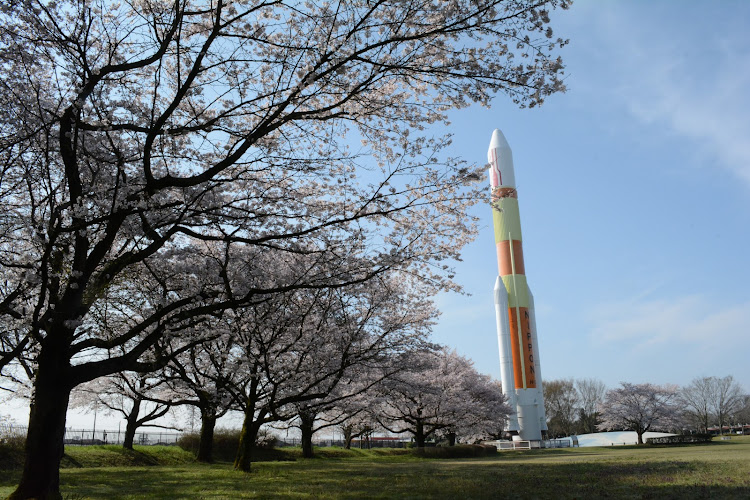
Tochigi Science Museum
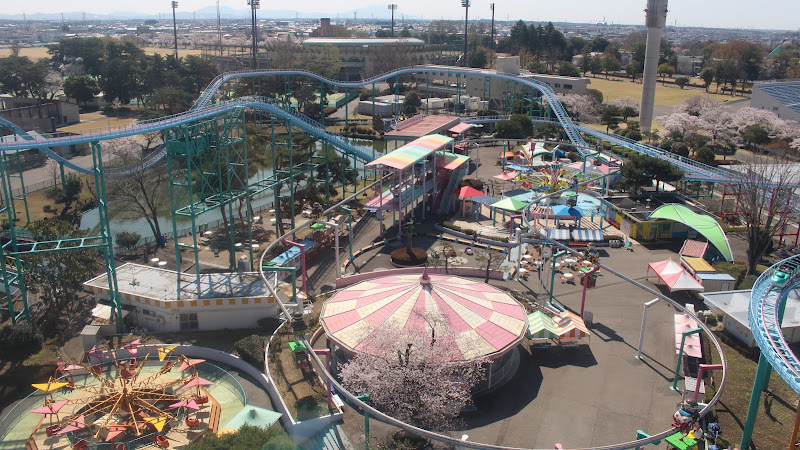
Tochinoki Family Land
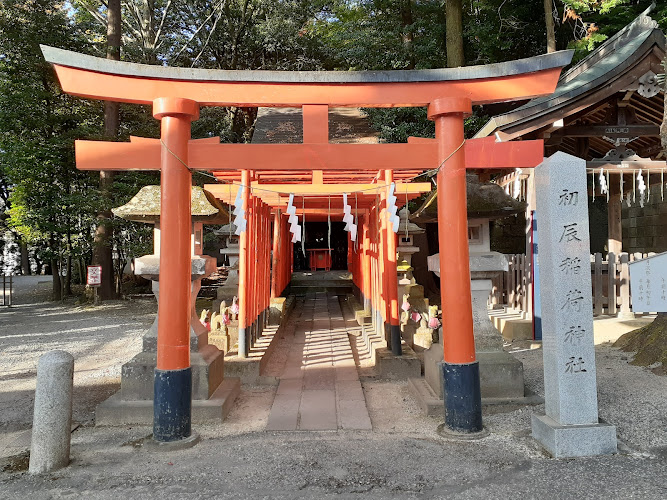
Utsunomiya Futaarayama Shrine
Find Accommodations Nearby
Recommended Tours & Activities
Visitor Reviews
There are no reviews yet. Be the first one to write one.
Share Your Experience
Have you visited Tagemachi? Help other travelers by leaving a review.