
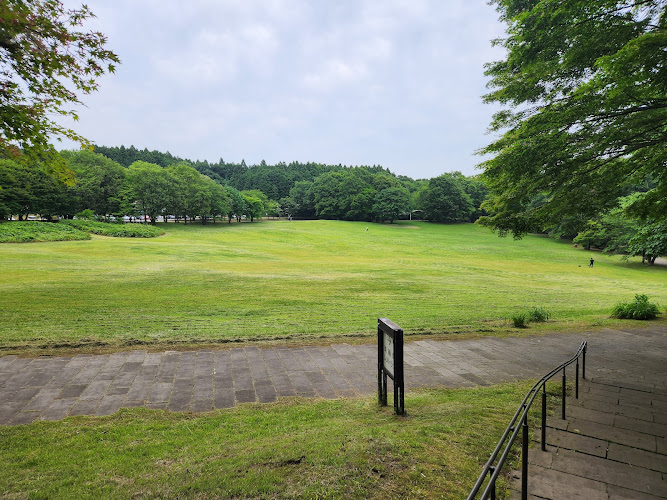
Utsunomiya Cultural Forest
About Utsunomiya Cultural Forest
Description
Utsunomiya Cultural Forest represents one of those places that doesn't immediately scream tourist destination when you're planning a Japan trip, and honestly, that's part of its charm. This sprawling green space in Tochigi Prefecture offers visitors something a bit different from the usual temple-hopping or crowded city attractions—it's a proper retreat into nature without having to venture too far from urban conveniences. The park serves as a breathing space for both locals and travelers who've discovered it, providing an authentic slice of Japanese outdoor recreation that you won't find plastered all over Instagram feeds. What struck me about this place when researching it was how it manages to balance accessibility with genuine natural beauty. It's not some manicured garden where you feel like you can't step off the designated path. Instead, you get actual forest trails, open spaces perfect for spreading out a picnic blanket, and areas where families let their kids run around without constant supervision anxiety. The Japanese do public parks differently than many Western countries, and Utsunomiya Cultural Forest exemplifies this approach—functional, well-maintained, yet still feeling wild enough to scratch that nature itch. The forest attracts a solid mix of demographics throughout the year. You'll see elderly couples taking their morning constitutional, young families with toddlers exploring the playground areas, and serious hikers tackling the more challenging trails. Dogs trot alongside their owners, which is always a good sign in my book since pet-friendly spaces tend to have a more relaxed atmosphere overall. And the fact that the facilities accommodate wheelchair users means the park designers actually thought about inclusivity rather than just slapping it on as an afterthought.Key Features
Visitors to Utsunomiya Cultural Forest can expect to encounter several distinctive features that make the park worth adding to their itinerary: • Extensive hiking trail network that ranges from gentle walking paths suitable for beginners and families to more demanding routes for experienced hikers seeking elevation changes and longer distances • Dedicated picnic areas scattered throughout the grounds where visitors can enjoy outdoor meals surrounded by trees and seasonal foliage without fighting for space • Well-maintained playground facilities designed with children in mind, featuring equipment appropriate for various age groups and providing parents with shaded seating areas nearby • Pet-friendly policies that welcome dogs throughout most of the park, making it an ideal destination for travelers who prefer not to leave their four-legged companions behind • Accessible infrastructure including wheelchair-friendly entrances and designated parking spots, ensuring visitors with mobility challenges can experience the natural environment • Public restroom facilities positioned at strategic locations throughout the park, addressing one of the most practical concerns for extended outdoor visits • Seasonal scenery changes that transform the landscape throughout the year, from cherry blossoms in spring to brilliant autumn foliage and winter's stark beauty • Multiple entry points and parking areas that help distribute visitor traffic and prevent overcrowding in any single section of the forest • Shaded forest canopy providing natural temperature regulation during warmer months, making walks considerably more comfortable than exposed urban environmentsBest Time to Visit
Timing your visit to Utsunomiya Cultural Forest really depends on what kind of experience you're after, though I'd argue there's no truly bad season to explore this space. Spring brings the cherry blossom season that Japan is famous for, typically peaking sometime between late March and early April depending on that year's weather patterns. The forest takes on this ethereal quality during hanami season, though you should expect more visitors during these weeks as locals flock to enjoy the blooms. Summer months from June through August offer lush greenery and that full forest canopy I mentioned earlier. But here's the thing—Japanese summers get humid, like really humid. The forest provides better conditions than concrete jungles, but you'll still work up a sweat on the hiking trails. Early mornings during summer are your friend, and I can't stress this enough. Get there when the park opens and you'll enjoy cooler temperatures plus you might spot wildlife that retreats once human activity picks up. Autumn, particularly November, brings spectacular foliage displays that rival spring's popularity. The momiji (Japanese maple) leaves turn these incredible shades of red and orange that photographs simply don't do justice. This season also offers comfortable temperatures for extended hiking without the sweltering heat or winter chill. Plus, the autumn light in Japan has this quality that makes everything look better somehow. Winter sees fewer visitors, which means more solitude if that's your preference. The trails remain accessible unless there's significant snowfall, which Utsunomiya doesn't typically receive in overwhelming amounts. Bare trees reveal landscape features hidden during other seasons, and there's something meditative about winter forest walks that appeals to certain travelers. Weekdays consistently offer quieter experiences than weekends regardless of season. Japanese holidays and long weekends can see significant upticks in visitor numbers, so check the calendar before planning if you're hoping to avoid crowds.How to Get There
Getting to Utsunomiya Cultural Forest requires a bit more effort than simply hopping off a train at the nearest station, but it's not exactly an expedition either. Utsunomiya itself sits about 100 kilometers north of Tokyo, easily reachable via the Tohoku Shinkansen in under an hour from Tokyo Station or Ueno. Once you've arrived in Utsunomiya, though, you'll need secondary transportation to reach the forest. The most straightforward option involves taking a local bus from Utsunomiya Station. The journey takes roughly 30-40 minutes depending on traffic and which specific area of the forest you're targeting. Bus schedules in Japan run with impressive punctuality, but frequencies to more suburban destinations like this can be limited, so grab a schedule or check timing in advance to avoid lengthy waits between services. Renting a car provides significantly more flexibility, especially if you're planning to explore multiple locations around Tochigi Prefecture during your visit. The parking facilities at the Cultural Forest accommodate vehicles without the nightmare parking situations you encounter in central Tokyo or Osaka. Driving also means you can haul picnic supplies, hiking gear, and anything else without schlepping it on public transportation. Taxi services from Utsunomiya Station work for those comfortable with the expense, running somewhere in the neighborhood of 3,000-5,000 yen depending on your exact destination and traffic conditions. Splitting this cost among several travelers makes it more palatable than solo journeys. Cyclists with stamina might consider biking from the station area, though this requires reasonable fitness levels as you'll cover significant distance. Some visitors actually enjoy this approach as it transitions them gradually from urban to natural environments rather than the abrupt change you get from motorized transport.Tips for Visiting
Pack your own food and beverages before heading to Utsunomiya Cultural Forest. While you'll find vending machines scattered around—this is Japan after all—you won't encounter restaurants or cafes within the park itself. The picnic areas exist specifically for visitors to enjoy meals they've brought along, so embrace this aspect of the experience. Convenience stores near Utsunomiya Station stock everything you need for a proper outdoor meal. Wear appropriate footwear for hiking even if you're just planning gentle walks. Those cute sandals or city sneakers won't cut it on forest trails that can get muddy after rain or uneven in rocky sections. Proper hiking shoes or at minimum sturdy walking shoes make the difference between enjoying your visit and developing blisters halfway through. The weather in this region changes faster than you'd expect. Bring layers that you can add or remove as temperatures fluctuate throughout the day. A light rain jacket lives permanently in my day pack for exactly this reason—Japanese weather forecasts are generally accurate, but mountains and forests create their own microclimates that don't always cooperate with predictions. Download offline maps or grab a physical map if available, because cell signal within the deeper forest sections can get spotty. You probably won't get seriously lost given the trail markings, but knowing your location relative to facilities and exits just makes for a more relaxed experience. If you're bringing kids, pack entertainment for post-hiking downtime. The playground areas provide structured play, but having balls, frisbees, or other outdoor toys extends their enjoyment and gives them activities beyond walking trails that might not hold their attention for hours. Dog owners should bring waste bags and disposal responsibility mindset. The park allows dogs specifically because Japanese pet owners generally maintain excellent etiquette regarding their animals. Don't be that visitor who ruins it for everyone else by leaving messes behind. Check the park's status before making special trips during typhoon season or after significant weather events. While the facilities remain generally accessible year-round, extreme weather can temporarily close trails or sections for safety reasons and maintenance. Respect the quiet atmosphere that many visitors seek here. This isn't a party venue or place for loud music and boisterous behavior. People come specifically for peaceful nature experiences, and maintaining that environment benefits everyone sharing the space.Key Features
- Wooded walking and hiking trails
- Akagawa Dam and riverside paths
- Camping and barbecue facilities
- Open lawns and picnic areas
- Cycling routes and family-friendly amenities
More Details
Updated March 30, 2026
Table of Contents
Description
Utsunomiya Cultural Forest represents one of those places that doesn’t immediately scream tourist destination when you’re planning a Japan trip, and honestly, that’s part of its charm. This sprawling green space in Tochigi Prefecture offers visitors something a bit different from the usual temple-hopping or crowded city attractions—it’s a proper retreat into nature without having to venture too far from urban conveniences. The park serves as a breathing space for both locals and travelers who’ve discovered it, providing an authentic slice of Japanese outdoor recreation that you won’t find plastered all over Instagram feeds.
What struck me about this place when researching it was how it manages to balance accessibility with genuine natural beauty. It’s not some manicured garden where you feel like you can’t step off the designated path. Instead, you get actual forest trails, open spaces perfect for spreading out a picnic blanket, and areas where families let their kids run around without constant supervision anxiety. The Japanese do public parks differently than many Western countries, and Utsunomiya Cultural Forest exemplifies this approach—functional, well-maintained, yet still feeling wild enough to scratch that nature itch.
The forest attracts a solid mix of demographics throughout the year. You’ll see elderly couples taking their morning constitutional, young families with toddlers exploring the playground areas, and serious hikers tackling the more challenging trails. Dogs trot alongside their owners, which is always a good sign in my book since pet-friendly spaces tend to have a more relaxed atmosphere overall. And the fact that the facilities accommodate wheelchair users means the park designers actually thought about inclusivity rather than just slapping it on as an afterthought.
Key Features
Visitors to Utsunomiya Cultural Forest can expect to encounter several distinctive features that make the park worth adding to their itinerary:
• Extensive hiking trail network that ranges from gentle walking paths suitable for beginners and families to more demanding routes for experienced hikers seeking elevation changes and longer distances
• Dedicated picnic areas scattered throughout the grounds where visitors can enjoy outdoor meals surrounded by trees and seasonal foliage without fighting for space
• Well-maintained playground facilities designed with children in mind, featuring equipment appropriate for various age groups and providing parents with shaded seating areas nearby
• Pet-friendly policies that welcome dogs throughout most of the park, making it an ideal destination for travelers who prefer not to leave their four-legged companions behind
• Accessible infrastructure including wheelchair-friendly entrances and designated parking spots, ensuring visitors with mobility challenges can experience the natural environment
• Public restroom facilities positioned at strategic locations throughout the park, addressing one of the most practical concerns for extended outdoor visits
• Seasonal scenery changes that transform the landscape throughout the year, from cherry blossoms in spring to brilliant autumn foliage and winter’s stark beauty
• Multiple entry points and parking areas that help distribute visitor traffic and prevent overcrowding in any single section of the forest
• Shaded forest canopy providing natural temperature regulation during warmer months, making walks considerably more comfortable than exposed urban environments
Best Time to Visit
Timing your visit to Utsunomiya Cultural Forest really depends on what kind of experience you’re after, though I’d argue there’s no truly bad season to explore this space. Spring brings the cherry blossom season that Japan is famous for, typically peaking sometime between late March and early April depending on that year’s weather patterns. The forest takes on this ethereal quality during hanami season, though you should expect more visitors during these weeks as locals flock to enjoy the blooms.
Summer months from June through August offer lush greenery and that full forest canopy I mentioned earlier. But here’s the thing—Japanese summers get humid, like really humid. The forest provides better conditions than concrete jungles, but you’ll still work up a sweat on the hiking trails. Early mornings during summer are your friend, and I can’t stress this enough. Get there when the park opens and you’ll enjoy cooler temperatures plus you might spot wildlife that retreats once human activity picks up.
Autumn, particularly November, brings spectacular foliage displays that rival spring’s popularity. The momiji (Japanese maple) leaves turn these incredible shades of red and orange that photographs simply don’t do justice. This season also offers comfortable temperatures for extended hiking without the sweltering heat or winter chill. Plus, the autumn light in Japan has this quality that makes everything look better somehow.
Winter sees fewer visitors, which means more solitude if that’s your preference. The trails remain accessible unless there’s significant snowfall, which Utsunomiya doesn’t typically receive in overwhelming amounts. Bare trees reveal landscape features hidden during other seasons, and there’s something meditative about winter forest walks that appeals to certain travelers.
Weekdays consistently offer quieter experiences than weekends regardless of season. Japanese holidays and long weekends can see significant upticks in visitor numbers, so check the calendar before planning if you’re hoping to avoid crowds.
How to Get There
Getting to Utsunomiya Cultural Forest requires a bit more effort than simply hopping off a train at the nearest station, but it’s not exactly an expedition either. Utsunomiya itself sits about 100 kilometers north of Tokyo, easily reachable via the Tohoku Shinkansen in under an hour from Tokyo Station or Ueno. Once you’ve arrived in Utsunomiya, though, you’ll need secondary transportation to reach the forest.
The most straightforward option involves taking a local bus from Utsunomiya Station. The journey takes roughly 30-40 minutes depending on traffic and which specific area of the forest you’re targeting. Bus schedules in Japan run with impressive punctuality, but frequencies to more suburban destinations like this can be limited, so grab a schedule or check timing in advance to avoid lengthy waits between services.
Renting a car provides significantly more flexibility, especially if you’re planning to explore multiple locations around Tochigi Prefecture during your visit. The parking facilities at the Cultural Forest accommodate vehicles without the nightmare parking situations you encounter in central Tokyo or Osaka. Driving also means you can haul picnic supplies, hiking gear, and anything else without schlepping it on public transportation.
Taxi services from Utsunomiya Station work for those comfortable with the expense, running somewhere in the neighborhood of 3,000-5,000 yen depending on your exact destination and traffic conditions. Splitting this cost among several travelers makes it more palatable than solo journeys.
Cyclists with stamina might consider biking from the station area, though this requires reasonable fitness levels as you’ll cover significant distance. Some visitors actually enjoy this approach as it transitions them gradually from urban to natural environments rather than the abrupt change you get from motorized transport.
Tips for Visiting
Pack your own food and beverages before heading to Utsunomiya Cultural Forest. While you’ll find vending machines scattered around—this is Japan after all—you won’t encounter restaurants or cafes within the park itself. The picnic areas exist specifically for visitors to enjoy meals they’ve brought along, so embrace this aspect of the experience. Convenience stores near Utsunomiya Station stock everything you need for a proper outdoor meal.
Wear appropriate footwear for hiking even if you’re just planning gentle walks. Those cute sandals or city sneakers won’t cut it on forest trails that can get muddy after rain or uneven in rocky sections. Proper hiking shoes or at minimum sturdy walking shoes make the difference between enjoying your visit and developing blisters halfway through.
The weather in this region changes faster than you’d expect. Bring layers that you can add or remove as temperatures fluctuate throughout the day. A light rain jacket lives permanently in my day pack for exactly this reason—Japanese weather forecasts are generally accurate, but mountains and forests create their own microclimates that don’t always cooperate with predictions.
Download offline maps or grab a physical map if available, because cell signal within the deeper forest sections can get spotty. You probably won’t get seriously lost given the trail markings, but knowing your location relative to facilities and exits just makes for a more relaxed experience.
If you’re bringing kids, pack entertainment for post-hiking downtime. The playground areas provide structured play, but having balls, frisbees, or other outdoor toys extends their enjoyment and gives them activities beyond walking trails that might not hold their attention for hours.
Dog owners should bring waste bags and disposal responsibility mindset. The park allows dogs specifically because Japanese pet owners generally maintain excellent etiquette regarding their animals. Don’t be that visitor who ruins it for everyone else by leaving messes behind.
Check the park’s status before making special trips during typhoon season or after significant weather events. While the facilities remain generally accessible year-round, extreme weather can temporarily close trails or sections for safety reasons and maintenance.
Respect the quiet atmosphere that many visitors seek here. This isn’t a party venue or place for loud music and boisterous behavior. People come specifically for peaceful nature experiences, and maintaining that environment benefits everyone sharing the space.
Key Highlights
- Wooded walking and hiking trails
- Akagawa Dam and riverside paths
- Camping and barbecue facilities
- Open lawns and picnic areas
- Cycling routes and family-friendly amenities
Location
Places to Stay Near Utsunomiya Cultural Forest
Find and Book a Tour
Explore More Travel Guides
No reviews found! Be the first to review!
Utsunomiya Cultural Forest is a prominent attractions located in Utsunomiya.
Visit us at: Nagaokacho, Utsunomiya, Tochigi 320-0004, Jepang.
Traveler Reviews for Utsunomiya Cultural Forest
There are no reviews yet. Be the first one to write one.
Have you visited Utsunomiya Cultural Forest? Help other travelers by sharing your review.
Nearby Attractions
You Might Also Like
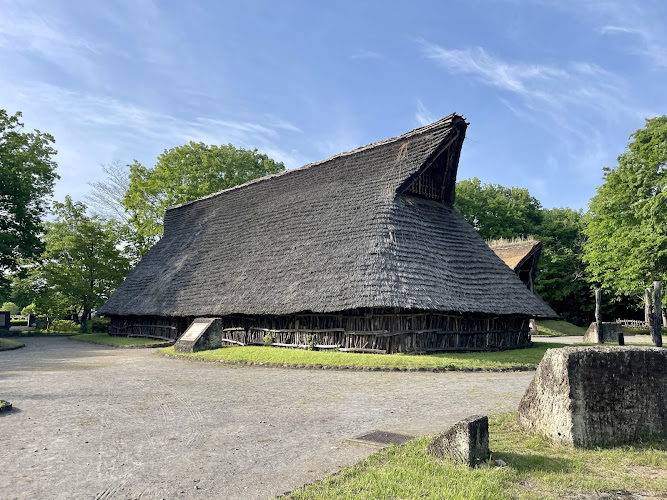
Utsunomiya ruins of Square museum
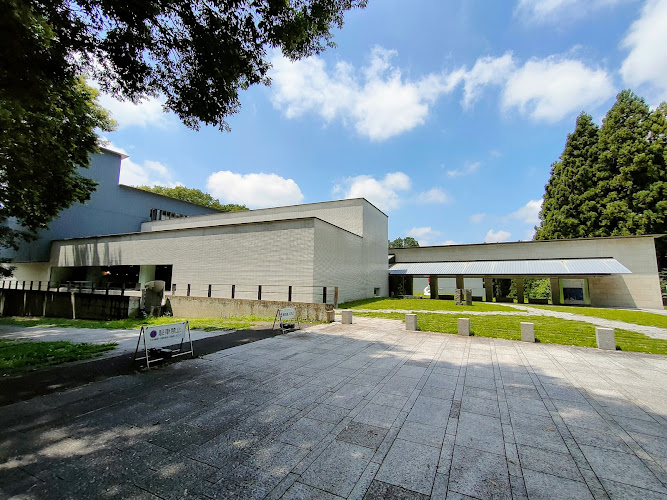
Utsunomiya Museum of Art
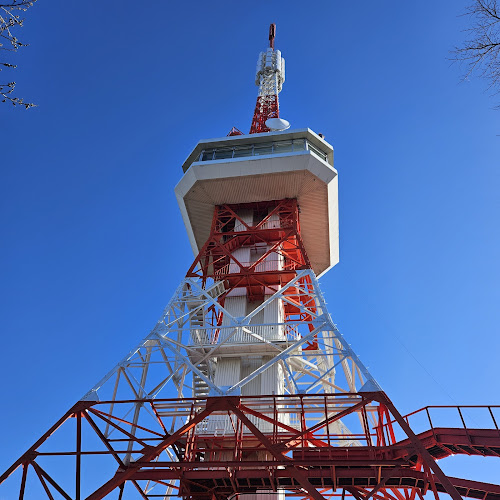
Hachimanyama Park Utsunomiya Tower
Find Accommodations Nearby
Recommended Tours & Activities
Visitor Reviews
There are no reviews yet. Be the first one to write one.
Share Your Experience
Have you visited Utsunomiya Cultural Forest? Help other travelers by leaving a review.