
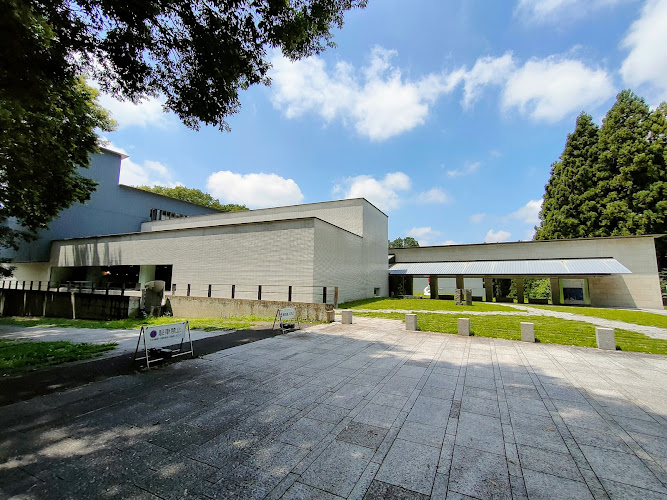
Utsunomiya Museum of Art
About Utsunomiya Museum of Art
Description
The Utsunomiya Museum of Art stands as one of those cultural gems that doesn't always make it onto the typical tourist circuit in Japan, which is honestly part of its charm. When I think about art museums in Japan, most travelers immediately picture the major institutions in Tokyo or Kyoto, but this particular museum offers something refreshingly different—a more intimate encounter with both Japanese and Western art that doesn't leave you feeling overwhelmed by crowds or exhausted from navigating endless galleries. What really sets this place apart is how it manages to balance accessibility with genuine artistic merit. The museum features rotating exhibitions that keep things fresh whether you're a first-time visitor or someone who finds themselves returning multiple times throughout the year. And the way they've integrated the outdoor sculpture garden into the overall experience? It's pretty brilliant, actually. You're not just confined to white-walled galleries but can step outside and engage with art in a completely different context, surrounded by carefully landscaped grounds that change dramatically with the seasons. The building itself was designed with visitors in mind, which sounds obvious but you'd be surprised how many museums forget this basic principle. Everything feels intentional here—from the natural light filtering into exhibition spaces to the way galleries flow into one another. The facility also houses a restaurant where you can decompress after taking in the exhibitions, and a gift shop that stocks items beyond the usual museum fare. It's become something of a community hub for Utsunomiya residents while still serving as a worthy destination for travelers exploring the Tochigi Prefecture.Key Features
The Utsunomiya Museum of Art brings together several elements that make it worth including in your travel itinerary:- Rotating Exhibition Program - The museum doesn't rely on a static permanent collection, which means each visit offers something new. Exhibitions span Japanese contemporary art, traditional works, and Western pieces, creating an interesting dialogue between different artistic traditions and periods
- Outdoor Sculpture Garden - This is where the museum really shines in my opinion. The sculpture garden provides a completely different way to experience art, letting you wander among installations while enjoying fresh air and natural surroundings
- Complete Accessibility Features - The entire facility prioritizes accessibility with wheelchair-accessible entrances, parking areas, and restrooms. This thoughtful design means everyone can enjoy the museum without barriers or frustrations
- On-site Restaurant - Having a quality restaurant right in the museum means you can make a proper day of your visit without having to venture elsewhere for meals. The food complements the overall cultural experience
- Family-Friendly Environment - Unlike some art museums that feel stuffy or unwelcoming to children, this one actively embraces young visitors. The layout and programming make it genuinely suitable for families traveling with kids
- Modern Amenities - Wi-Fi throughout the facility, clean restrooms, and comfortable viewing spaces show that the museum understands contemporary visitor expectations
- Museum Shop - The gift shop offers art books, locally-made crafts, and exhibition-related merchandise that actually feels worth browsing rather than just being an afterthought
Best Time to Visit
Timing your visit to the Utsunomiya Museum of Art really depends on what kind of experience you're after. The museum operates year-round, but each season brings its own advantages and considerations. Spring, particularly late March through May, transforms the sculpture garden into something pretty spectacular. The surrounding landscape comes alive with new growth, and the weather is comfortable enough for extended outdoor exploration. But here's the thing—spring also brings school field trips and Golden Week crowds in early May. If you're visiting during Golden Week, definitely arrive right when the museum opens to beat the rush. Summer can be hot and humid in Utsunomiya, which makes the air-conditioned galleries especially appealing. The sculpture garden might be less comfortable during July and August afternoons, though early morning visits work well. I'd actually recommend summer for serious art enthusiasts who want to focus primarily on the indoor exhibitions without distraction. The tourist crowds thin out during this season too, since most international visitors hit the major cities or mountain areas. Autumn is probably my personal favorite time for visiting. September through November offers that perfect combination of pleasant weather and beautiful seasonal changes in the garden. The fall colors provide an incredible backdrop for the outdoor sculptures, and you'll find the museum comfortably busy without being overwhelming. Many visitors consider this the sweet spot for experiencing everything the museum offers. Winter presents interesting opportunities too. The sculpture garden takes on a completely different character when there's snow on the ground, creating stark and beautiful contrasts with the artworks. Indoor spaces feel cozy and inviting, and this is absolutely the quietest season for visiting. If you prefer having galleries mostly to yourself, January and February deliver that experience. Weekday visits generally provide a more relaxed atmosphere than weekends, regardless of season. Tuesday through Thursday typically see the lightest attendance. And checking the museum's exhibition schedule before planning your trip is essential since the rotating shows mean your experience will vary significantly depending on what's currently on display.How to Get There
Getting to the Utsunomiya Museum of Art requires a bit more effort than simply hopping off a train in central Tokyo, but it's more straightforward than you might expect once you understand the options. From Tokyo, your journey begins at Tokyo Station or Ueno Station, where you'll board the JR Tohoku Shinkansen heading toward Utsunomiya. The bullet train takes roughly 50 minutes and makes this day trip entirely feasible if you're based in the capital. Once you arrive at Utsunomiya Station, you're not quite done though—the museum sits about 5 kilometers from the station. The most convenient option from Utsunomiya Station involves taking a local bus. Buses departing from the station run regularly and take approximately 20-25 minutes to reach the museum. Look for buses heading toward the museum area, and don't hesitate to ask station staff for help identifying the correct bus line. The bus system in Utsunomiya is reasonably user-friendly even for non-Japanese speakers. Taxis offer another practical solution, especially if you're traveling as a group or carrying luggage. The taxi ride from Utsunomiya Station costs around 2000-2500 yen and takes roughly 15 minutes depending on traffic. This option makes sense when you calculate the convenience factor against the modest additional cost. For travelers with rental cars, the museum provides dedicated parking facilities including accessible parking spaces. The drive from central Utsunomiya is straightforward, and having a car gives you flexibility to explore other attractions in Tochigi Prefecture during the same trip. Just remember that parking at Japanese museums fills up quickly on weekends and holidays. If you're coming from other regions of Japan, the transportation hub remains Utsunomiya Station. From Osaka or Kyoto, you'll take the Tokaido-Sanyo Shinkansen to Tokyo first, then transfer to the Tohoku Shinkansen. It's a longer journey but entirely manageable with Japan's efficient rail network.Tips for Visiting
Planning ahead makes a significant difference in how much you'll enjoy the Utsunomiya Museum of Art. First thing worth mentioning—check the exhibition schedule online before you go. Since the displays rotate regularly, you'll want to confirm that something interesting to you is actually showing during your visit. Nothing's more disappointing than arriving to find the current exhibition doesn't match your interests. Allocate more time than you initially think necessary. Most visitors spend 2-3 hours here, but if you're genuinely interested in art and want to explore the sculpture garden thoroughly, plan for at least half a day. Rushing through defeats the purpose of visiting a museum, and this one rewards slower, more contemplative exploration. The restaurant inside the museum serves lunch during typical hours, but it gets crowded between noon and 1:30 PM. Either plan an early lunch around 11:30 AM or wait until after 2 PM for a more relaxed dining experience. Alternatively, the surrounding area has some local restaurants if you prefer venturing out, though you'll need transportation to reach them. Bring comfortable walking shoes—this matters more than you'd think. The sculpture garden involves quite a bit of walking on varied terrain, and even inside the museum you'll be on your feet for extended periods. I've seen too many travelers trying to navigate museums in inappropriate footwear and ending up miserable. Photography policies vary depending on the current exhibition. Some shows prohibit photos entirely while others allow non-flash photography. Check the signage when you arrive and respect the rules. The sculpture garden typically allows photography, which is great because those outdoor installations make for fantastic pictures. For families visiting with children, the museum provides programs and materials designed for young visitors. Ask at the information desk about any kid-friendly resources available during your visit. The staff generally speaks enough English to assist international travelers, though learning a few basic Japanese phrases never hurts. Consider purchasing a museum catalog or exhibition guide if the current show interests you. These publications provide deeper context than wall labels alone and make meaningful souvenirs that you'll actually appreciate long after returning home. The museum shop deserves its own visit separate from your gallery time. Don't just pop in for thirty seconds on your way out—actually browse the selection. They stock interesting art books, local crafts, and design objects that you won't find elsewhere. Lastly, remember that the museum experience extends beyond just viewing art. Take advantage of the benches scattered throughout galleries and the garden. Sit. Observe. Let the work sink in rather than rushing from piece to piece checking items off a mental list. That's when museums shift from tourist obligations to genuinely enriching experiences.Key Features
- Collection of modern and post-20th-century Japanese art
- Rotating special exhibitions (5–6 annually)
- Architectural design harmonized with surrounding forest park
- Accessible, low-rise layout and thoughtful gallery lighting
- Permanent collection including posters and designer furniture
More Details
Updated March 30, 2026
Table of Contents
Description
The Utsunomiya Museum of Art stands as one of those cultural gems that doesn’t always make it onto the typical tourist circuit in Japan, which is honestly part of its charm. When I think about art museums in Japan, most travelers immediately picture the major institutions in Tokyo or Kyoto, but this particular museum offers something refreshingly different—a more intimate encounter with both Japanese and Western art that doesn’t leave you feeling overwhelmed by crowds or exhausted from navigating endless galleries.
What really sets this place apart is how it manages to balance accessibility with genuine artistic merit. The museum features rotating exhibitions that keep things fresh whether you’re a first-time visitor or someone who finds themselves returning multiple times throughout the year. And the way they’ve integrated the outdoor sculpture garden into the overall experience? It’s pretty brilliant, actually. You’re not just confined to white-walled galleries but can step outside and engage with art in a completely different context, surrounded by carefully landscaped grounds that change dramatically with the seasons.
The building itself was designed with visitors in mind, which sounds obvious but you’d be surprised how many museums forget this basic principle. Everything feels intentional here—from the natural light filtering into exhibition spaces to the way galleries flow into one another. The facility also houses a restaurant where you can decompress after taking in the exhibitions, and a gift shop that stocks items beyond the usual museum fare. It’s become something of a community hub for Utsunomiya residents while still serving as a worthy destination for travelers exploring the Tochigi Prefecture.
Key Features
The Utsunomiya Museum of Art brings together several elements that make it worth including in your travel itinerary:
- Rotating Exhibition Program – The museum doesn’t rely on a static permanent collection, which means each visit offers something new. Exhibitions span Japanese contemporary art, traditional works, and Western pieces, creating an interesting dialogue between different artistic traditions and periods
- Outdoor Sculpture Garden – This is where the museum really shines in my opinion. The sculpture garden provides a completely different way to experience art, letting you wander among installations while enjoying fresh air and natural surroundings
- Complete Accessibility Features – The entire facility prioritizes accessibility with wheelchair-accessible entrances, parking areas, and restrooms. This thoughtful design means everyone can enjoy the museum without barriers or frustrations
- On-site Restaurant – Having a quality restaurant right in the museum means you can make a proper day of your visit without having to venture elsewhere for meals. The food complements the overall cultural experience
- Family-Friendly Environment – Unlike some art museums that feel stuffy or unwelcoming to children, this one actively embraces young visitors. The layout and programming make it genuinely suitable for families traveling with kids
- Modern Amenities – Wi-Fi throughout the facility, clean restrooms, and comfortable viewing spaces show that the museum understands contemporary visitor expectations
- Museum Shop – The gift shop offers art books, locally-made crafts, and exhibition-related merchandise that actually feels worth browsing rather than just being an afterthought
Best Time to Visit
Timing your visit to the Utsunomiya Museum of Art really depends on what kind of experience you’re after. The museum operates year-round, but each season brings its own advantages and considerations.
Spring, particularly late March through May, transforms the sculpture garden into something pretty spectacular. The surrounding landscape comes alive with new growth, and the weather is comfortable enough for extended outdoor exploration. But here’s the thing—spring also brings school field trips and Golden Week crowds in early May. If you’re visiting during Golden Week, definitely arrive right when the museum opens to beat the rush.
Summer can be hot and humid in Utsunomiya, which makes the air-conditioned galleries especially appealing. The sculpture garden might be less comfortable during July and August afternoons, though early morning visits work well. I’d actually recommend summer for serious art enthusiasts who want to focus primarily on the indoor exhibitions without distraction. The tourist crowds thin out during this season too, since most international visitors hit the major cities or mountain areas.
Autumn is probably my personal favorite time for visiting. September through November offers that perfect combination of pleasant weather and beautiful seasonal changes in the garden. The fall colors provide an incredible backdrop for the outdoor sculptures, and you’ll find the museum comfortably busy without being overwhelming. Many visitors consider this the sweet spot for experiencing everything the museum offers.
Winter presents interesting opportunities too. The sculpture garden takes on a completely different character when there’s snow on the ground, creating stark and beautiful contrasts with the artworks. Indoor spaces feel cozy and inviting, and this is absolutely the quietest season for visiting. If you prefer having galleries mostly to yourself, January and February deliver that experience.
Weekday visits generally provide a more relaxed atmosphere than weekends, regardless of season. Tuesday through Thursday typically see the lightest attendance. And checking the museum’s exhibition schedule before planning your trip is essential since the rotating shows mean your experience will vary significantly depending on what’s currently on display.
How to Get There
Getting to the Utsunomiya Museum of Art requires a bit more effort than simply hopping off a train in central Tokyo, but it’s more straightforward than you might expect once you understand the options.
From Tokyo, your journey begins at Tokyo Station or Ueno Station, where you’ll board the JR Tohoku Shinkansen heading toward Utsunomiya. The bullet train takes roughly 50 minutes and makes this day trip entirely feasible if you’re based in the capital. Once you arrive at Utsunomiya Station, you’re not quite done though—the museum sits about 5 kilometers from the station.
The most convenient option from Utsunomiya Station involves taking a local bus. Buses departing from the station run regularly and take approximately 20-25 minutes to reach the museum. Look for buses heading toward the museum area, and don’t hesitate to ask station staff for help identifying the correct bus line. The bus system in Utsunomiya is reasonably user-friendly even for non-Japanese speakers.
Taxis offer another practical solution, especially if you’re traveling as a group or carrying luggage. The taxi ride from Utsunomiya Station costs around 2000-2500 yen and takes roughly 15 minutes depending on traffic. This option makes sense when you calculate the convenience factor against the modest additional cost.
For travelers with rental cars, the museum provides dedicated parking facilities including accessible parking spaces. The drive from central Utsunomiya is straightforward, and having a car gives you flexibility to explore other attractions in Tochigi Prefecture during the same trip. Just remember that parking at Japanese museums fills up quickly on weekends and holidays.
If you’re coming from other regions of Japan, the transportation hub remains Utsunomiya Station. From Osaka or Kyoto, you’ll take the Tokaido-Sanyo Shinkansen to Tokyo first, then transfer to the Tohoku Shinkansen. It’s a longer journey but entirely manageable with Japan’s efficient rail network.
Tips for Visiting
Planning ahead makes a significant difference in how much you’ll enjoy the Utsunomiya Museum of Art. First thing worth mentioning—check the exhibition schedule online before you go. Since the displays rotate regularly, you’ll want to confirm that something interesting to you is actually showing during your visit. Nothing’s more disappointing than arriving to find the current exhibition doesn’t match your interests.
Allocate more time than you initially think necessary. Most visitors spend 2-3 hours here, but if you’re genuinely interested in art and want to explore the sculpture garden thoroughly, plan for at least half a day. Rushing through defeats the purpose of visiting a museum, and this one rewards slower, more contemplative exploration.
The restaurant inside the museum serves lunch during typical hours, but it gets crowded between noon and 1:30 PM. Either plan an early lunch around 11:30 AM or wait until after 2 PM for a more relaxed dining experience. Alternatively, the surrounding area has some local restaurants if you prefer venturing out, though you’ll need transportation to reach them.
Bring comfortable walking shoes—this matters more than you’d think. The sculpture garden involves quite a bit of walking on varied terrain, and even inside the museum you’ll be on your feet for extended periods. I’ve seen too many travelers trying to navigate museums in inappropriate footwear and ending up miserable.
Photography policies vary depending on the current exhibition. Some shows prohibit photos entirely while others allow non-flash photography. Check the signage when you arrive and respect the rules. The sculpture garden typically allows photography, which is great because those outdoor installations make for fantastic pictures.
For families visiting with children, the museum provides programs and materials designed for young visitors. Ask at the information desk about any kid-friendly resources available during your visit. The staff generally speaks enough English to assist international travelers, though learning a few basic Japanese phrases never hurts.
Consider purchasing a museum catalog or exhibition guide if the current show interests you. These publications provide deeper context than wall labels alone and make meaningful souvenirs that you’ll actually appreciate long after returning home.
The museum shop deserves its own visit separate from your gallery time. Don’t just pop in for thirty seconds on your way out—actually browse the selection. They stock interesting art books, local crafts, and design objects that you won’t find elsewhere.
Lastly, remember that the museum experience extends beyond just viewing art. Take advantage of the benches scattered throughout galleries and the garden. Sit. Observe. Let the work sink in rather than rushing from piece to piece checking items off a mental list. That’s when museums shift from tourist obligations to genuinely enriching experiences.
Key Highlights
- Collection of modern and post-20th-century Japanese art
- Rotating special exhibitions (5–6 annually)
- Architectural design harmonized with surrounding forest park
- Accessible, low-rise layout and thoughtful gallery lighting
- Permanent collection including posters and designer furniture
Location
Places to Stay Near Utsunomiya Museum of Art
Find and Book a Tour
Explore More Travel Guides
No reviews found! Be the first to review!
Utsunomiya Museum of Art is a prominent museums located in Utsunomiya.
Visit us at: 1077 Nagaokacho, Utsunomiya, Tochigi 320-0004, Giappone.
Traveler Reviews for Utsunomiya Museum of Art
There are no reviews yet. Be the first one to write one.
Have you visited Utsunomiya Museum of Art? Help other travelers by sharing your review.
Nearby Attractions
You Might Also Like
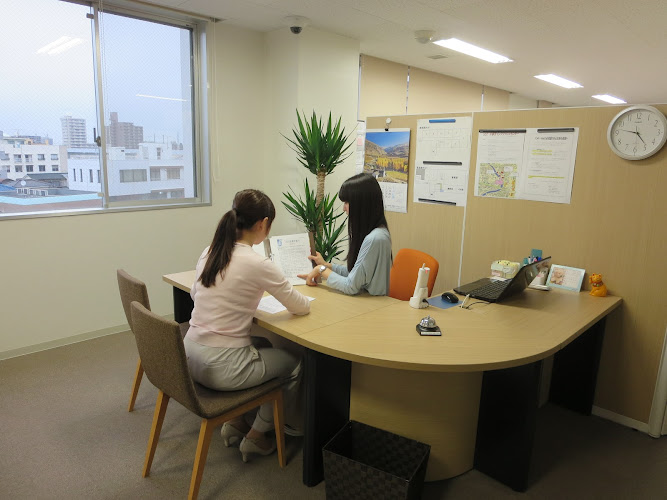
Utsunomiya English Centre (UEC)
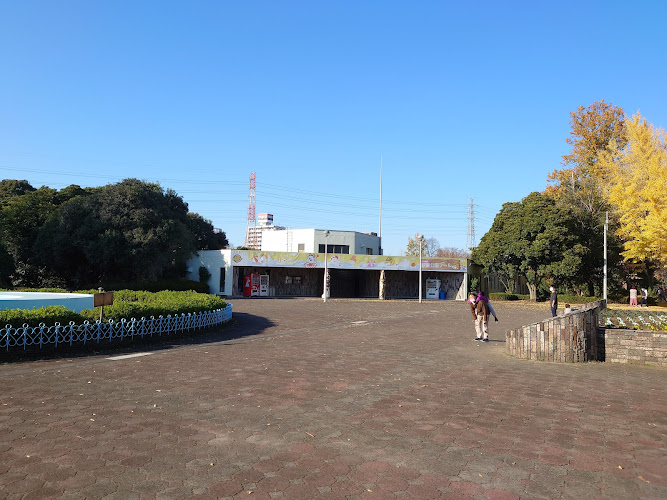
Station East Park
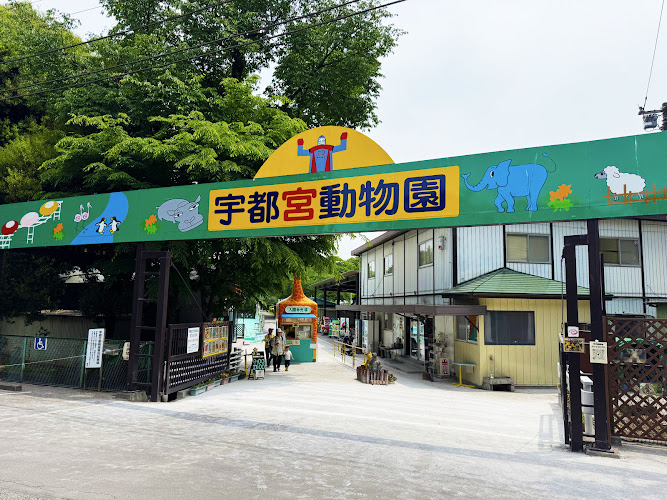
Utsunomiya Zoo
Find Accommodations Nearby
Recommended Tours & Activities
Visitor Reviews
There are no reviews yet. Be the first one to write one.
Share Your Experience
Have you visited Utsunomiya Museum of Art? Help other travelers by leaving a review.