
Utsunomiya English Centre (UEC)
About Utsunomiya English Centre (UEC)
Description
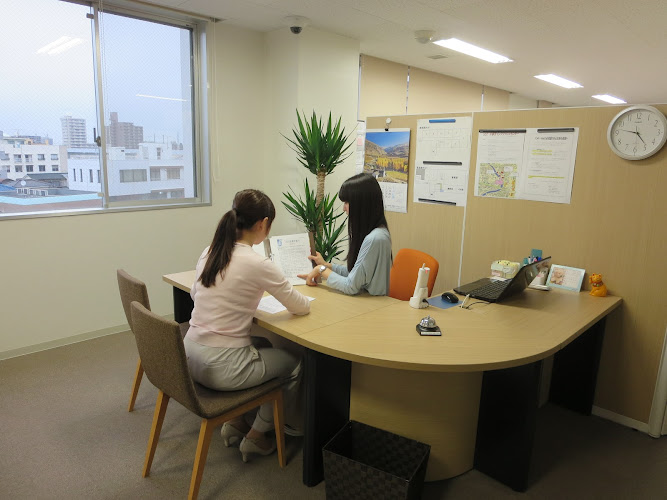
The Utsunomiya English Centre, commonly known as UEC, represents one of those hidden educational gems that travelers often stumble upon when they're looking to either brush up on their English skills while exploring Japan or simply need a place to connect with English-speaking communities in the Tochigi Prefecture area. Located in Utsunomiya, this language school has carved out its own niche in a city better known for its gyoza dumplings than its English education facilities. What makes UEC particularly interesting for travelers is that it's not your typical massive chain language school you'd find plastered across Tokyo's busiest districts. Instead, it offers a more intimate learning environment that feels less like a corporate education factory and more like a genuine language exchange hub. I've always found that smaller language schools have this unique charm - they tend to attract people who are genuinely passionate about language learning rather than those just checking boxes for their resume. The school caters primarily to Japanese students wanting to improve their English proficiency, but here's where it gets interesting for international visitors. Many travelers passing through Utsunomiya have discovered that UEC can serve as an unexpected cultural bridge. Whether you're an English speaker wanting to practice Japanese with motivated learners or someone looking to find conversation partners during your stay in the area, this center provides opportunities that your typical tourist spots simply can't match. Utsunomiya itself doesn't see the overwhelming tourist crowds that cities like Kyoto or Osaka do, which actually works in favor of places like UEC. The students here are often eager to practice with native speakers, and the atmosphere tends to be relaxed yet focused. And let's be honest, sometimes the best travel experiences happen when you step away from the well-trodden tourist path and engage with local educational institutions that welcome international interaction.Key Features
The Utsunomiya English Centre offers several distinctive characteristics that set it apart from other language learning facilities in the region: • Small class sizes that foster personalized attention and meaningful interaction between students and instructors, creating an environment where actual conversation happens rather than just rote memorization • A focused approach to English language instruction that emphasizes practical communication skills over purely academic grammar exercises, which honestly is what most people actually need when traveling • Location in Utsunomiya provides an authentic Japanese city experience without the overwhelming tourist presence found in larger metropolitan areas • Opportunity for cultural exchange between Japanese learners and English-speaking visitors who might drop in for conversation practice sessions • Teaching methodology that reflects Japanese educational standards while incorporating communicative approaches that encourage students to actually use the language • Accessibility features are limited - the building does not have wheelchair accessible entrances or parking, which is something to keep in mind if you have mobility concerns • Flexible scheduling options that can accommodate various learning needs and timeframes, useful if you're planning an extended stay in the area • Qualified instructors who understand both the challenges Japanese speakers face when learning English and the cultural nuances that make language learning more effective • A learning atmosphere that balances structure with the kind of relaxed environment where mistakes are seen as learning opportunities rather than failuresBest Time to Visit
Timing your visit to the Utsunomiya English Centre really depends on what you're hoping to get out of the experience. The school operates year-round, but certain periods offer distinct advantages for travelers looking to engage with the facility. Spring months from April through May bring a fresh wave of new students, as this aligns with Japan's academic calendar. The energy during this period is palpable - everyone's motivated, excited, and there's this collective sense of new beginnings that makes interactions particularly rewarding. Plus, you'll catch Utsunomiya during cherry blossom season, which transforms the city into something truly special. But here's the thing - summer months from June through August can actually be ideal if you're looking for more intensive interaction opportunities. Many students are on break from their regular schools or universities and dedicate more time to their English studies. The downside? Utsunomiya gets pretty humid during summer, so pack accordingly. Autumn, particularly September through November, offers what I'd consider the sweet spot for most travelers. The weather becomes absolutely perfect - crisp, clear days with comfortable temperatures. Students are settled into their routines but haven't yet hit the end-of-year exhaustion that sometimes creeps in later. The city itself is beautiful during autumn, with the surrounding mountains displaying incredible fall colors. Winter months from December through February see fewer tourists in Utsunomiya overall, which means any interaction you have at UEC will feel more authentic and less rushed. However, some classes might have reduced schedules around the New Year holiday period, so check ahead if you're planning to visit during late December or early January. Weekday evenings typically see the highest student attendance, as many learners work during the day and attend classes after hours. Weekend sessions tend to be more relaxed and might offer better opportunities for casual conversation if that's what you're after.How to Get There
Getting to Utsunomiya and subsequently finding the English Centre is actually more straightforward than you might expect, even though the city sits north of Tokyo in Tochigi Prefecture. From Tokyo, the JR Tohoku Shinkansen is your best bet, whisking you from Tokyo Station to Utsunomiya Station in about fifty minutes. The regular JR Utsunomiya Line also makes the journey if you're not in a rush and want to save some yen - it takes roughly two hours but costs significantly less. And if you've got a JR Pass, well, you're golden either way. Once you arrive at Utsunomiya Station, you've got several options for reaching the English Centre. The local bus system is reliable, though I'll admit the routes can be confusing if you don't read Japanese. Taxis are readily available at the station and drivers are generally helpful, even if there's a language barrier. Having the school's address written in Japanese characters on your phone makes this process infinitely easier. Many travelers opt for renting a bicycle from the station area, which is actually a fantastic way to explore Utsunomiya while making your way to UEC. The city is relatively flat and quite bike-friendly compared to hillier Japanese cities. Just remember that Utsunomiya isn't as compact as you might expect, so factor in some extra time if you're cycling. For those coming from other regions of Japan, Utsunomiya serves as a hub on the Tohoku Shinkansen line, making it accessible from cities like Sendai to the north or connections from the Hokuriku region. The station itself is well-marked with English signage, though don't expect the same level of English support you'd find in Tokyo or Osaka. Walking from certain parts of central Utsunomiya to the school is entirely feasible depending on where you're staying. The city center isn't massive, and the walk gives you a genuine feel for daily life in a mid-sized Japanese city that most tourists never experience.Tips for Visiting
If you're planning to visit or interact with the Utsunomiya English Centre during your travels, there's some practical wisdom worth keeping in mind that'll make your experience smoother and more rewarding. First off, contact the school ahead of time if you're interested in any kind of conversation exchange or visiting arrangement. Unlike tourist attractions that welcome random drop-ins, language schools operate on schedules and have commitments to their enrolled students. A quick email explaining you're a traveler interested in cultural exchange goes a long way. Japanese institutions really appreciate advance notice and proper introductions. The building's accessibility limitations mean you'll need to navigate stairs if you visit. This is pretty common in older Japanese buildings, but it's definitely something to prepare for if you or someone in your group has mobility challenges. There aren't wheelchair accessible parking options either, so plan your transportation accordingly. Dress code matters more than you might think. While you don't need to show up in business attire, the Japanese educational context values neat, respectful appearance. Skip the beach shorts and flip-flops, basically. Smart casual hits the right note - you'll feel more comfortable and your interactions will start on a more positive footing. Bring a small gift if you're planning any extended interaction or if the school is arranging special conversation opportunities for you. This doesn't need to be elaborate - something small from your home country works perfectly. It's a Japanese custom that shows respect and appreciation, and honestly, it just makes people happy. Learning a few basic Japanese phrases beyond "hello" and "thank you" demonstrates respect and makes practical sense. Many students at UEC are beginners or intermediate English learners, so having some Japanese in your back pocket helps bridge communication gaps. Download a translation app as backup, but try the human connection first. Utsunomiya's famous for gyoza, and you'd be missing out if you didn't explore the local food scene while you're in the area. Many language students love sharing their favorite local spots, so don't be shy about asking for recommendations. Food creates instant connections across cultural boundaries. The surrounding Tochigi area offers incredible day trips that most international travelers overlook. Nikko, a UNESCO World Heritage site with stunning shrines and natural beauty, sits just up the train line. If you're spending time at UEC over several days, you've positioned yourself perfectly for exploring this underrated region. Be mindful of school schedules and Japanese holidays, which don't always align with Western calendars. Golden Week in early May, Obon in August, and New Year holidays can affect school operations significantly. These periods also see Japanese people traveling domestically, so accommodations and transportation get busier and more expensive. Patience and flexibility serve you well when engaging with language learners. Conversations might move slower than you're used to, and there'll be moments of awkward silence while someone searches for the right word. That's perfectly fine - it's part of the exchange, and often those imperfect conversations end up being the most memorable parts of travel. The review feedback for UEC has been exclusively positive from those who've experienced it, suggesting that people who connect with this school generally have rewarding experiences. That said, it's still a small operation, so set expectations accordingly. You're not getting a flashy, high-tech facility with all the bells and whistles of major chain schools, but you are getting authentic cultural exchange in a city that offers a real slice of Japanese life beyond the tourist bubble.Key Features
- Key Features
- Best Time to Visit
- How to Get There
- Tips for Visiting
More Details
Updated March 30, 2026
Table of Contents
Description
The Utsunomiya English Centre, commonly known as UEC, represents one of those hidden educational gems that travelers often stumble upon when they’re looking to either brush up on their English skills while exploring Japan or simply need a place to connect with English-speaking communities in the Tochigi Prefecture area. Located in Utsunomiya, this language school has carved out its own niche in a city better known for its gyoza dumplings than its English education facilities.
What makes UEC particularly interesting for travelers is that it’s not your typical massive chain language school you’d find plastered across Tokyo’s busiest districts. Instead, it offers a more intimate learning environment that feels less like a corporate education factory and more like a genuine language exchange hub. I’ve always found that smaller language schools have this unique charm – they tend to attract people who are genuinely passionate about language learning rather than those just checking boxes for their resume.
The school caters primarily to Japanese students wanting to improve their English proficiency, but here’s where it gets interesting for international visitors. Many travelers passing through Utsunomiya have discovered that UEC can serve as an unexpected cultural bridge. Whether you’re an English speaker wanting to practice Japanese with motivated learners or someone looking to find conversation partners during your stay in the area, this center provides opportunities that your typical tourist spots simply can’t match.
Utsunomiya itself doesn’t see the overwhelming tourist crowds that cities like Kyoto or Osaka do, which actually works in favor of places like UEC. The students here are often eager to practice with native speakers, and the atmosphere tends to be relaxed yet focused. And let’s be honest, sometimes the best travel experiences happen when you step away from the well-trodden tourist path and engage with local educational institutions that welcome international interaction.
Key Features
The Utsunomiya English Centre offers several distinctive characteristics that set it apart from other language learning facilities in the region:
• Small class sizes that foster personalized attention and meaningful interaction between students and instructors, creating an environment where actual conversation happens rather than just rote memorization
• A focused approach to English language instruction that emphasizes practical communication skills over purely academic grammar exercises, which honestly is what most people actually need when traveling
• Location in Utsunomiya provides an authentic Japanese city experience without the overwhelming tourist presence found in larger metropolitan areas
• Opportunity for cultural exchange between Japanese learners and English-speaking visitors who might drop in for conversation practice sessions
• Teaching methodology that reflects Japanese educational standards while incorporating communicative approaches that encourage students to actually use the language
• Accessibility features are limited – the building does not have wheelchair accessible entrances or parking, which is something to keep in mind if you have mobility concerns
• Flexible scheduling options that can accommodate various learning needs and timeframes, useful if you’re planning an extended stay in the area
• Qualified instructors who understand both the challenges Japanese speakers face when learning English and the cultural nuances that make language learning more effective
• A learning atmosphere that balances structure with the kind of relaxed environment where mistakes are seen as learning opportunities rather than failures
Best Time to Visit
Timing your visit to the Utsunomiya English Centre really depends on what you’re hoping to get out of the experience. The school operates year-round, but certain periods offer distinct advantages for travelers looking to engage with the facility.
Spring months from April through May bring a fresh wave of new students, as this aligns with Japan’s academic calendar. The energy during this period is palpable – everyone’s motivated, excited, and there’s this collective sense of new beginnings that makes interactions particularly rewarding. Plus, you’ll catch Utsunomiya during cherry blossom season, which transforms the city into something truly special.
But here’s the thing – summer months from June through August can actually be ideal if you’re looking for more intensive interaction opportunities. Many students are on break from their regular schools or universities and dedicate more time to their English studies. The downside? Utsunomiya gets pretty humid during summer, so pack accordingly.
Autumn, particularly September through November, offers what I’d consider the sweet spot for most travelers. The weather becomes absolutely perfect – crisp, clear days with comfortable temperatures. Students are settled into their routines but haven’t yet hit the end-of-year exhaustion that sometimes creeps in later. The city itself is beautiful during autumn, with the surrounding mountains displaying incredible fall colors.
Winter months from December through February see fewer tourists in Utsunomiya overall, which means any interaction you have at UEC will feel more authentic and less rushed. However, some classes might have reduced schedules around the New Year holiday period, so check ahead if you’re planning to visit during late December or early January.
Weekday evenings typically see the highest student attendance, as many learners work during the day and attend classes after hours. Weekend sessions tend to be more relaxed and might offer better opportunities for casual conversation if that’s what you’re after.
How to Get There
Getting to Utsunomiya and subsequently finding the English Centre is actually more straightforward than you might expect, even though the city sits north of Tokyo in Tochigi Prefecture.
From Tokyo, the JR Tohoku Shinkansen is your best bet, whisking you from Tokyo Station to Utsunomiya Station in about fifty minutes. The regular JR Utsunomiya Line also makes the journey if you’re not in a rush and want to save some yen – it takes roughly two hours but costs significantly less. And if you’ve got a JR Pass, well, you’re golden either way.
Once you arrive at Utsunomiya Station, you’ve got several options for reaching the English Centre. The local bus system is reliable, though I’ll admit the routes can be confusing if you don’t read Japanese. Taxis are readily available at the station and drivers are generally helpful, even if there’s a language barrier. Having the school’s address written in Japanese characters on your phone makes this process infinitely easier.
Many travelers opt for renting a bicycle from the station area, which is actually a fantastic way to explore Utsunomiya while making your way to UEC. The city is relatively flat and quite bike-friendly compared to hillier Japanese cities. Just remember that Utsunomiya isn’t as compact as you might expect, so factor in some extra time if you’re cycling.
For those coming from other regions of Japan, Utsunomiya serves as a hub on the Tohoku Shinkansen line, making it accessible from cities like Sendai to the north or connections from the Hokuriku region. The station itself is well-marked with English signage, though don’t expect the same level of English support you’d find in Tokyo or Osaka.
Walking from certain parts of central Utsunomiya to the school is entirely feasible depending on where you’re staying. The city center isn’t massive, and the walk gives you a genuine feel for daily life in a mid-sized Japanese city that most tourists never experience.
Tips for Visiting
If you’re planning to visit or interact with the Utsunomiya English Centre during your travels, there’s some practical wisdom worth keeping in mind that’ll make your experience smoother and more rewarding.
First off, contact the school ahead of time if you’re interested in any kind of conversation exchange or visiting arrangement. Unlike tourist attractions that welcome random drop-ins, language schools operate on schedules and have commitments to their enrolled students. A quick email explaining you’re a traveler interested in cultural exchange goes a long way. Japanese institutions really appreciate advance notice and proper introductions.
The building’s accessibility limitations mean you’ll need to navigate stairs if you visit. This is pretty common in older Japanese buildings, but it’s definitely something to prepare for if you or someone in your group has mobility challenges. There aren’t wheelchair accessible parking options either, so plan your transportation accordingly.
Dress code matters more than you might think. While you don’t need to show up in business attire, the Japanese educational context values neat, respectful appearance. Skip the beach shorts and flip-flops, basically. Smart casual hits the right note – you’ll feel more comfortable and your interactions will start on a more positive footing.
Bring a small gift if you’re planning any extended interaction or if the school is arranging special conversation opportunities for you. This doesn’t need to be elaborate – something small from your home country works perfectly. It’s a Japanese custom that shows respect and appreciation, and honestly, it just makes people happy.
Learning a few basic Japanese phrases beyond “hello” and “thank you” demonstrates respect and makes practical sense. Many students at UEC are beginners or intermediate English learners, so having some Japanese in your back pocket helps bridge communication gaps. Download a translation app as backup, but try the human connection first.
Utsunomiya’s famous for gyoza, and you’d be missing out if you didn’t explore the local food scene while you’re in the area. Many language students love sharing their favorite local spots, so don’t be shy about asking for recommendations. Food creates instant connections across cultural boundaries.
The surrounding Tochigi area offers incredible day trips that most international travelers overlook. Nikko, a UNESCO World Heritage site with stunning shrines and natural beauty, sits just up the train line. If you’re spending time at UEC over several days, you’ve positioned yourself perfectly for exploring this underrated region.
Be mindful of school schedules and Japanese holidays, which don’t always align with Western calendars. Golden Week in early May, Obon in August, and New Year holidays can affect school operations significantly. These periods also see Japanese people traveling domestically, so accommodations and transportation get busier and more expensive.
Patience and flexibility serve you well when engaging with language learners. Conversations might move slower than you’re used to, and there’ll be moments of awkward silence while someone searches for the right word. That’s perfectly fine – it’s part of the exchange, and often those imperfect conversations end up being the most memorable parts of travel.
The review feedback for UEC has been exclusively positive from those who’ve experienced it, suggesting that people who connect with this school generally have rewarding experiences. That said, it’s still a small operation, so set expectations accordingly. You’re not getting a flashy, high-tech facility with all the bells and whistles of major chain schools, but you are getting authentic cultural exchange in a city that offers a real slice of Japanese life beyond the tourist bubble.
Key Highlights
- Key Features
- Best Time to Visit
- How to Get There
- Tips for Visiting
Location
Places to Stay Near Utsunomiya English Centre (UEC)
Find and Book a Tour
Explore More Travel Guides
No reviews found! Be the first to review!
Utsunomiya English Centre (UEC) is a prominent 語学学校 located in Utsunomiya.
Visit us at: 3 Chome-1-24 Imaizumi, Utsunomiya, Tochigi 321-0966, Japan.
Traveler Reviews for Utsunomiya English Centre (UEC)
There are no reviews yet. Be the first one to write one.
Have you visited Utsunomiya English Centre (UEC)? Help other travelers by sharing your review.
You Might Also Like
Utsunomiya Zoo
Tagemachi
Heiwa Kannon
Find Accommodations Nearby
Recommended Tours & Activities
Visitor Reviews
There are no reviews yet. Be the first one to write one.
Share Your Experience
Have you visited Utsunomiya English Centre (UEC)? Help other travelers by leaving a review.