Description
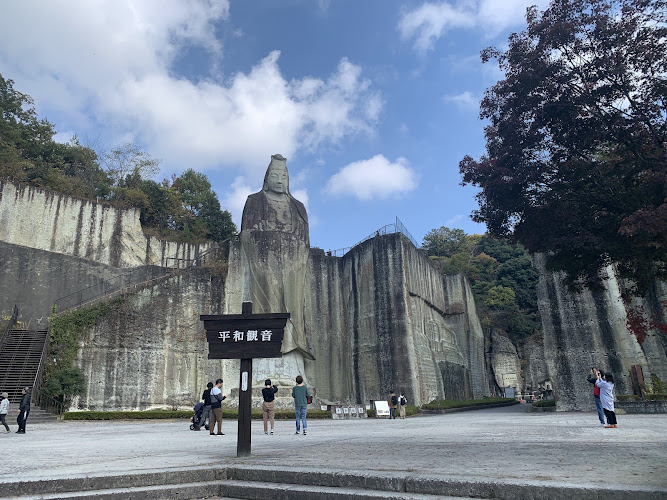
The Heiwa Kannon stands as one of Japan’s most impressive stone monuments, rising an imposing 27 meters into the sky near Ooyaji Temple. This isn’t just another Buddha statue you’ll scroll past on Instagram – it’s a genuine piece of post-war history carved directly into the mountainside with incredible precision and artistry. The goddess of mercy watches over the valley below with a serene expression that somehow manages to feel both ancient and surprisingly modern at the same time.
What makes this place really special is that you can actually climb inside the statue itself. Yeah, you read that right. There’s an internal stairway that lets visitors ascend through the structure, and honestly, it’s one of those experiences that catches you off guard. The stairs wind upward through the hollow interior, and as you make your way up, you’re constantly aware that you’re inside this massive stone figure. It’s a bit surreal, if I’m being honest.
The statue was completed in the 1960s as a monument to peace and to honor those who perished during World War II. When you understand the context behind its creation, the whole experience takes on a deeper meaning. This wasn’t just about creating an impressive tourist attraction – though it certainly is that – but about processing collective trauma and looking toward a more peaceful future. That intention still resonates when you visit today.
From the viewing platform at the top, the valley spreads out below in a way that makes the climb completely worthwhile. On clear days, the panoramic views stretch for miles, and you can understand why this location was chosen for such a significant monument. The surrounding landscape changes dramatically with the seasons, which gives repeat visitors something new to appreciate each time they return.
Key Features
- The statue itself measures 27 meters in height, making it one of the tallest stone carvings of Kannon in Japan and an absolute marvel of mid-century stone craftsmanship
- Internal stairway system allows visitors to climb through the statue’s interior, offering a unique perspective you won’t find at most religious monuments
- Observation platform at the top provides sweeping views of the surrounding valley and mountains, perfect for photography enthusiasts and nature lovers alike
- The monument serves as both a tourist attraction and an active site of religious significance, so you’ll often see locals paying their respects alongside curious travelers
- Wheelchair accessible entrance and parking lot make this site more inclusive than many historical landmarks in Japan, though the internal stairs obviously aren’t accessible to everyone
- Restroom facilities on site mean you can take your time exploring without worrying about basic amenities
- The surrounding temple grounds offer additional areas to explore, with smaller shrines and peaceful walking paths that most visitors don’t spend enough time appreciating
- Stone carving details throughout the statue showcase traditional Buddhist iconography and exceptional craftsmanship that rewards close examination
- Family-friendly destination that works well for visitors of all ages, though parents should supervise young children carefully on the stairs
Best Time to Visit
Timing your visit to the Heiwa Kannon can make a substantial difference in your experience, and I’ve got some thoughts on this based on what I’ve learned from travelers who’ve been there multiple times.
Spring brings cherry blossoms to the area, typically from late March through early April depending on the year’s weather patterns. The contrast between the delicate pink blooms and the imposing grey stone of the statue creates photo opportunities that look almost too perfect to be real. But here’s the thing – everyone knows this, so you’ll be sharing the experience with significantly more people. Early morning visits during cherry blossom season can help you avoid the worst crowds.
Autumn is honestly my top recommendation for most visitors. The fall foliage in this part of Japan transforms the valley into something out of a painting, with reds, oranges, and yellows providing a stunning backdrop to the statue. The weather in October and November tends to be crisp and comfortable for climbing those internal stairs, which can get surprisingly warm in summer. Plus, visibility is often excellent during autumn months, maximizing those views from the observation platform.
Summer presents its own challenges and rewards. The surrounding area stays green and lush, which looks beautiful, but Japanese summers are no joke when it comes to heat and humidity. If you’re planning a summer visit, get there early in the morning before the heat becomes oppressive. The stone structure retains coolness better than you’d expect, but climbing stairs in humidity isn’t everyone’s idea of a good time.
Winter offers the quietest experience with the fewest tourists, and if you’re lucky enough to visit after a snowfall, the statue looks absolutely magical dusted with white. However, the stairs can become slippery, and some visitors find the cold wind at the top uncomfortable. Dress in layers and wear proper footwear with good grip if you’re visiting between December and February.
Weekdays generally see fewer visitors than weekends regardless of season. If your schedule allows for flexibility, a Tuesday or Wednesday visit will give you more space to appreciate the monument without feeling rushed or crowded.
How to Get There
Getting to the Heiwa Kannon requires a bit of planning since it’s not located in a major city center, but the journey itself becomes part of the adventure. The statue is situated in a mountainous area that feels worlds away from urban Japan, even though it’s actually quite accessible.
Most visitors approach from the nearest major city, which serves as a logical base for exploring the region. Renting a car provides the most flexibility and convenience, especially if you’re planning to visit other attractions in the area. The drive takes you through scenic mountain roads that showcase rural Japan at its finest. GPS navigation systems in rental cars typically have the landmark already programmed, so you can simply search for Heiwa Kannon and let technology do the work.
Parking is available on site and wheelchair accessible, which takes some stress out of the logistics. During peak seasons, the parking area can fill up by mid-morning, so arriving early serves multiple purposes – you beat the crowds and secure parking without hassle.
Public transportation is possible but requires more patience and planning. Local bus services run to the area, though schedules can be infrequent compared to what travelers from major cities might expect. Checking the current bus timetables before your visit is essential, and building in extra time for connections will save you stress. The bus stop is within reasonable walking distance of the statue, though the approach does involve some uphill walking.
Taxi services offer another option, particularly for visitors who want the convenience of door-to-door service without the commitment of a rental car. The fare from nearby train stations is reasonable, though arranging for a pickup time is smart since taxis don’t typically wait in the area.
Some organized tour groups include the Heiwa Kannon in their itineraries, which solves the transportation puzzle entirely. This option works well for travelers who prefer structured experiences and appreciate having a guide explain the historical and cultural context.
Tips for Visiting
Wear comfortable shoes with good traction – this can’t be stressed enough. The internal stairway isn’t particularly treacherous, but it’s still a stairway inside a stone structure, and you’ll want footwear that keeps you stable. I’ve heard stories of visitors attempting the climb in flip-flops or dress shoes, and it never ends well.
Bring a light jacket even in warmer months because the interior of the statue stays cooler than the outside temperature, and the wind at the top viewing platform can be stronger than you’d expect. You don’t want to finally reach the observation deck only to be uncomfortable because you’re underdressed.
The lighting inside the statue varies considerably, so if you’re hoping to capture photos of the interior architecture or the views from the top, adjust your camera settings accordingly. Smartphones generally handle the varying light conditions reasonably well, but dedicated cameras may need manual adjustments.
Allow at least an hour for your visit if you want to climb the stairs, spend time at the observation platform, and explore the temple grounds without rushing. Many visitors underestimate how much there is to see and end up feeling pressed for time. Two hours gives you space to really absorb the atmosphere and appreciate the details.
The restroom facilities on site are clean and maintained, but there aren’t food vendors or cafes immediately adjacent to the statue. Bringing water is smart, especially if you’re visiting during warmer months or planning to spend extended time exploring the area.
For photographers, the best light typically occurs in early morning or late afternoon when the sun illuminates the stone carving at interesting angles. Midday sun can create harsh shadows that flatten the statue’s features in photographs.
Respectful behavior is expected since this remains an active religious site despite its role as a tourist attraction. Keep voices at a moderate level, don’t touch the carved surfaces unnecessarily, and be mindful of any worshippers who are there for spiritual rather than touristic purposes.
Parents visiting with young children should supervise carefully on the stairs. The climb isn’t dangerous, but little legs can get tired, and the enclosed space can feel confining to some kids. Talking through what to expect before entering the statue helps prepare children for the experience.
Consider combining your visit with other attractions in the surrounding area to make the most of your journey. The region offers hot springs, hiking trails, and cultural sites that complement the Heiwa Kannon experience nicely.
Check weather forecasts before your visit, particularly if you’re hoping for those panoramic views from the observation platform. Foggy or rainy conditions can significantly limit visibility, though the statue itself remains impressive regardless of weather.