
Roman Odeon
About Roman Odeon
Description
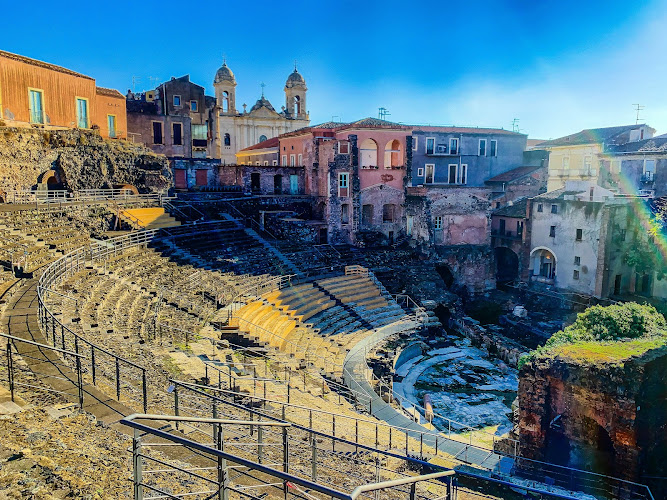
The Roman Odeon of Kos is one of those places that quietly takes your breath away before you even realize it. It’s not just another pile of ancient stones (though, let’s be honest, Greece has plenty of those). This amphitheater, built around the 2nd or 3rd century AD, once echoed with music, speeches, and performances that entertained Roman citizens on this sun-soaked island. Today, its marble seats and semi-circular design still speak volumes about the artistry and ambition of ancient Roman architecture. And if you listen closely, you might just imagine the murmur of a long-gone audience settling in for a show.
What makes the Odeon so special isn’t just its age or its impressive preservation — it’s the feeling it gives you. Standing there, surrounded by history, you can almost sense the pulse of ancient Kos. The amphitheater was more than a performance space; it was a hub of civic life, a gathering place where locals came to celebrate art, politics, and community. Even now, it’s easy to picture the energy that once filled the air.
Of course, not every visitor walks away completely awestruck. Some find it smaller than expected, or perhaps less ornate than other Roman theaters in Greece or Italy. But that’s part of its charm — it’s authentic, unpretentious, and quietly powerful. The restoration work done over the years has been careful and respectful, preserving as much of the original structure as possible. The lower rows of seats, made of marble, contrast beautifully with the upper ones built from granite and stone, showing a practical yet elegant design typical of Roman engineering.
Personally, I remember sitting on one of those cool marble seats on a warm afternoon, watching the sunlight shift across the stage. There was no crowd, no performance, just the hum of cicadas and the faint scent of pine drifting in from the nearby trees. It felt timeless — like I’d stumbled into a moment that had been waiting there for centuries. That’s the magic of the Roman Odeon: it doesn’t demand your attention; it earns it quietly.
Key Features
- Ancient Roman Architecture: Built in the 2nd or 3rd century AD, the Odeon showcases classic Roman design with semi-circular seating and a well-preserved orchestra area.
- Marble Seating: The lower tiers are crafted from polished marble, while the upper levels are made of stone — a practical yet aesthetic choice typical of Roman construction.
- Archaeological Significance: Excavations revealed artifacts and mosaics that give insight into the cultural life of ancient Kos.
- Central Location: Situated in the heart of Kos Town, it’s easily accessible and close to other important landmarks like the Casa Romana and the West Archaeological Zone.
- Restoration Efforts: Thoughtful conservation work allows visitors to experience the site’s original grandeur without losing its authentic character.
- Photo Opportunities: The lighting, especially in the early morning or late afternoon, makes for stunning photos of the stonework and stage area.
Best Time to Visit
If you want to enjoy the Roman Odeon at its best, aim for spring (April to early June) or autumn (September to October). The weather’s warm but not scorching, and the crowds are thinner, which means you can actually hear the whisper of the wind through the ruins instead of tour groups chatting nearby. Summer, of course, has its perks — longer days and that golden light that makes every photo look postcard-perfect — but it can get pretty hot, especially around midday.
One of my favorite times to visit is just before sunset. The marble glows with a soft, honey-like hue, and the shadows stretch dramatically across the stage. It’s easy to imagine ancient performers stepping into the light, ready to deliver a monologue or a melody to the waiting crowd. If you’re lucky, you might even catch a small cultural event or concert — the acoustics are still surprisingly good after nearly two millennia.
How to Get There
Getting to the Roman Odeon is refreshingly simple. It’s located right in Kos Town, so you can easily walk there from most central hotels or the harbor. If you’re staying further out, local buses and taxis are reliable and affordable. There’s usually parking nearby, but I’d recommend walking if you can — the streets around the site are atmospheric, with little cafés and shops that make for a pleasant stroll.
For those who enjoy a bit of exploration, the Odeon is part of a larger archaeological area that includes the ancient gymnasium and the Casa Romana. You can easily make a half-day adventure out of it, wandering from one site to another, soaking in the layers of history that Kos has to offer. Just wear comfortable shoes — those ancient stone paths weren’t exactly designed for modern flip-flops.
Tips for Visiting
A few practical tips can make your visit smoother — and a lot more enjoyable.
- Go early or late: The midday sun can be intense, especially in summer. Early mornings or late afternoons are cooler and far more atmospheric.
- Bring water and sunscreen: There’s limited shade, and you’ll want to linger longer than you expect.
- Wear sturdy shoes: The terrain is uneven in places, and marble steps can be slippery.
- Take your time: Don’t rush through. Sit for a moment on the stone benches and imagine the sounds of ancient performances.
- Combine your visit: The Odeon pairs beautifully with other nearby sites — make it part of a walking tour of Kos Town’s archaeological treasures.
- Photography tip: Visit during the golden hour for the best light — the textures of the stone come alive under the warm glow.
And here’s a little insider thought — don’t just look at the site through your camera lens. Step back, put the phone away, and really see it. Feel the coolness of the marble under your hand, listen to the quiet, and let your imagination wander. I’ve found that the most memorable travel moments aren’t the ones we capture, but the ones we simply experience.
The Roman Odeon of Kos isn’t the grandest or the most famous ancient theater in Greece, but it has a kind of understated beauty that lingers with you. It’s a place that rewards curiosity, patience, and a willingness to slow down. Whether you’re a history buff, a casual traveler, or just someone who loves discovering the stories behind old stones, this spot will leave a mark — quietly, but deeply. And that’s what travel should be about, right? Not ticking boxes, but finding those unexpected moments that make you feel connected to something bigger than yourself.
Key Features
- Key Features
- Best Time to Visit
- How to Get There
- Tips for Visiting
More Details
Updated November 30, 2025
Table of Contents
Description
The Roman Odeon of Kos is one of those places that quietly takes your breath away before you even realize it. It’s not just another pile of ancient stones (though, let’s be honest, Greece has plenty of those). This amphitheater, built around the 2nd or 3rd century AD, once echoed with music, speeches, and performances that entertained Roman citizens on this sun-soaked island. Today, its marble seats and semi-circular design still speak volumes about the artistry and ambition of ancient Roman architecture. And if you listen closely, you might just imagine the murmur of a long-gone audience settling in for a show.
What makes the Odeon so special isn’t just its age or its impressive preservation — it’s the feeling it gives you. Standing there, surrounded by history, you can almost sense the pulse of ancient Kos. The amphitheater was more than a performance space; it was a hub of civic life, a gathering place where locals came to celebrate art, politics, and community. Even now, it’s easy to picture the energy that once filled the air.
Of course, not every visitor walks away completely awestruck. Some find it smaller than expected, or perhaps less ornate than other Roman theaters in Greece or Italy. But that’s part of its charm — it’s authentic, unpretentious, and quietly powerful. The restoration work done over the years has been careful and respectful, preserving as much of the original structure as possible. The lower rows of seats, made of marble, contrast beautifully with the upper ones built from granite and stone, showing a practical yet elegant design typical of Roman engineering.
Personally, I remember sitting on one of those cool marble seats on a warm afternoon, watching the sunlight shift across the stage. There was no crowd, no performance, just the hum of cicadas and the faint scent of pine drifting in from the nearby trees. It felt timeless — like I’d stumbled into a moment that had been waiting there for centuries. That’s the magic of the Roman Odeon: it doesn’t demand your attention; it earns it quietly.
Key Features
- Ancient Roman Architecture: Built in the 2nd or 3rd century AD, the Odeon showcases classic Roman design with semi-circular seating and a well-preserved orchestra area.
- Marble Seating: The lower tiers are crafted from polished marble, while the upper levels are made of stone — a practical yet aesthetic choice typical of Roman construction.
- Archaeological Significance: Excavations revealed artifacts and mosaics that give insight into the cultural life of ancient Kos.
- Central Location: Situated in the heart of Kos Town, it’s easily accessible and close to other important landmarks like the Casa Romana and the West Archaeological Zone.
- Restoration Efforts: Thoughtful conservation work allows visitors to experience the site’s original grandeur without losing its authentic character.
- Photo Opportunities: The lighting, especially in the early morning or late afternoon, makes for stunning photos of the stonework and stage area.
Best Time to Visit
If you want to enjoy the Roman Odeon at its best, aim for spring (April to early June) or autumn (September to October). The weather’s warm but not scorching, and the crowds are thinner, which means you can actually hear the whisper of the wind through the ruins instead of tour groups chatting nearby. Summer, of course, has its perks — longer days and that golden light that makes every photo look postcard-perfect — but it can get pretty hot, especially around midday.
One of my favorite times to visit is just before sunset. The marble glows with a soft, honey-like hue, and the shadows stretch dramatically across the stage. It’s easy to imagine ancient performers stepping into the light, ready to deliver a monologue or a melody to the waiting crowd. If you’re lucky, you might even catch a small cultural event or concert — the acoustics are still surprisingly good after nearly two millennia.
How to Get There
Getting to the Roman Odeon is refreshingly simple. It’s located right in Kos Town, so you can easily walk there from most central hotels or the harbor. If you’re staying further out, local buses and taxis are reliable and affordable. There’s usually parking nearby, but I’d recommend walking if you can — the streets around the site are atmospheric, with little cafés and shops that make for a pleasant stroll.
For those who enjoy a bit of exploration, the Odeon is part of a larger archaeological area that includes the ancient gymnasium and the Casa Romana. You can easily make a half-day adventure out of it, wandering from one site to another, soaking in the layers of history that Kos has to offer. Just wear comfortable shoes — those ancient stone paths weren’t exactly designed for modern flip-flops.
Tips for Visiting
A few practical tips can make your visit smoother — and a lot more enjoyable.
- Go early or late: The midday sun can be intense, especially in summer. Early mornings or late afternoons are cooler and far more atmospheric.
- Bring water and sunscreen: There’s limited shade, and you’ll want to linger longer than you expect.
- Wear sturdy shoes: The terrain is uneven in places, and marble steps can be slippery.
- Take your time: Don’t rush through. Sit for a moment on the stone benches and imagine the sounds of ancient performances.
- Combine your visit: The Odeon pairs beautifully with other nearby sites — make it part of a walking tour of Kos Town’s archaeological treasures.
- Photography tip: Visit during the golden hour for the best light — the textures of the stone come alive under the warm glow.
And here’s a little insider thought — don’t just look at the site through your camera lens. Step back, put the phone away, and really see it. Feel the coolness of the marble under your hand, listen to the quiet, and let your imagination wander. I’ve found that the most memorable travel moments aren’t the ones we capture, but the ones we simply experience.
The Roman Odeon of Kos isn’t the grandest or the most famous ancient theater in Greece, but it has a kind of understated beauty that lingers with you. It’s a place that rewards curiosity, patience, and a willingness to slow down. Whether you’re a history buff, a casual traveler, or just someone who loves discovering the stories behind old stones, this spot will leave a mark — quietly, but deeply. And that’s what travel should be about, right? Not ticking boxes, but finding those unexpected moments that make you feel connected to something bigger than yourself.
Key Highlights
- Key Features
- Best Time to Visit
- How to Get There
- Tips for Visiting
Location
Places to Stay Near Roman Odeon
Find and Book a Tour
Explore More Travel Guides
No reviews found! Be the first to review!
Traveler Reviews for Roman Odeon
There are no reviews yet. Be the first one to write one.
Have you visited Roman Odeon? Help other travelers by sharing your review.
You Might Also Like
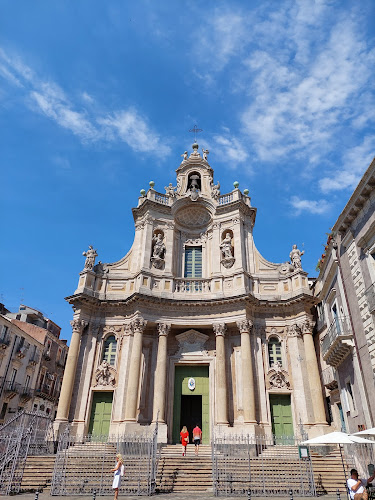
Basilica della Collegiata

Benedictine Monastery of San Nicolò l'Arena
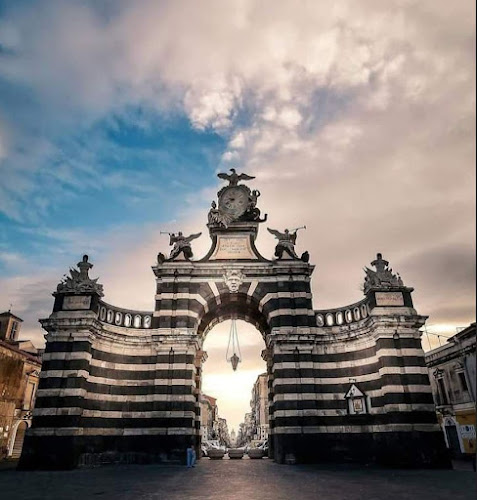
Porta Garibaldi
Find Accommodations Nearby
Recommended Tours & Activities
Visitor Reviews
There are no reviews yet. Be the first one to write one.
Share Your Experience
Have you visited Roman Odeon? Help other travelers by leaving a review.