Castle 4.6 Dresden, GermanyCommunity Guide

Pillnitz Castle

August-Böckstiegel-Straße 2, 01326 Dresden, Allemagne

Pillnitz Castle
51,730 Photos

About & Overview

Description

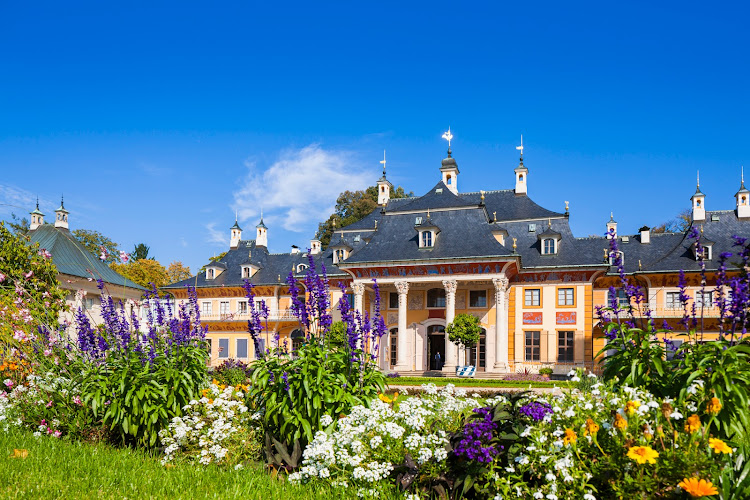
Perched on the banks of the Elbe River just outside Dresden, Pillnitz Castle is a picturesque Baroque-Chinoiserie ensemble that reads like a storybook summer palace. Built and reshaped from the 18th century as a royal retreat for the Saxon court, the complex combines ornate riverside palaces, a historic orangery and palm house, and an expansive 28-hectare park that showcases formal gardens, rare potted plants and meandering riverside paths. What makes Pillnitz special is the mix of European neoclassical and exotic Chinese-inspired architecture set within a botanical context—strolling between the decorative façades, glasshouses and terraced beds reveals both horticultural surprises and intimate views of the Elbe. Visitors come for the gardens and greenhouses, the small castle museum with period interiors, seasonal exhibitions and events (from spring blooms to autumn displays), and the relaxed riverside atmosphere that makes it easy to linger. Whether you like history, garden design or peaceful river walks, Pillnitz offers a compact, scenic escape from Dresden’s city centre.

Highlights & Key Features

  • Chinoiserie-style palace buildings set on the Elbe
  • Extensive historic park with formal gardens and potted collections
  • Palm House (historic greenhouse) and orangery with seasonal displays
  • Small castle museum with period interiors and exhibitions
  • Riverside promenades and scenic views of the Elbe

Visitor Guide & Information

Description

Pillnitz Castle stands along the banks of the Elbe River as one of those places that makes you question why it took you so long to visit Dresden’s surroundings. This Renaissance palace complex isn’t just another castle on Germany’s extensive list of historical buildings—it’s actually a place where history, art, and nature come together in ways that’ll keep you wandering for hours. And trust me, you’ll want those hours.

The palace went through quite the transformation over the centuries. Originally built as a Renaissance residence, it got a major makeover in the 18th century when Augustus the Strong (yes, that’s his actual nickname) decided to turn it into a summer palace with distinctive Asian influences. The architecture alone tells stories of royal ambitions and cross-cultural fascination that was pretty unusual for its time. But here’s the thing—what makes Pillnitz really special is that it survived. After a devastating fire in the 19th century, the complex was carefully restored, and today visitors get to experience both its historical grandeur and its evolution through different periods.

The grounds stretch across an impressive area, incorporating three main palaces, botanical gardens that’ll make plant enthusiasts weak in the knees, and a museum showcasing decorative arts that demonstrate the craftsmanship of bygone eras. Walking through Pillnitz feels like stepping into multiple time periods at once. You’ve got the formal palace architecture, the romantic English-style gardens, and this incredible palm house that protects some genuinely ancient botanical specimens.

What strikes most visitors (and it certainly struck me when I first learned about it) is how the place manages to be both grand and somehow intimate. It’s not one of those overwhelming palaces where you feel like just another tourist shuffling through endless gilded rooms. The scale is human, the gardens invite exploration, and there’s this genuine sense of discovery around every corner.

Key Features

The complex offers way more than most people expect when they first arrive. Here’s what makes Pillnitz Castle worth the journey:

  • Three Distinct Palace Buildings – The Water Palace (Wasserpalais), Mountain Palace (Bergpalais), and New Palace (Neues Palais) each have their own character and architectural style, with the first two featuring striking Chinese-influenced designs that were all the rage in 18th-century European courts
  • The Historic Palm House – This isn’t your average greenhouse. The palm house protects a Camelia tree that’s been growing since around 1801, making it one of the oldest of its kind north of the Alps and a botanical treasure that draws specialists from around the world
  • Extensive Baroque and English Gardens – Over 28 hectares of landscaped grounds including formal Baroque parterres, romantic English gardens, and specialty collections featuring rhododendrons, roses, and medicinal plants
  • Museum of Decorative Arts – The palace houses exceptional collections of furniture, textiles, and decorative objects from the 16th to 19th centuries, offering insights into how European nobility actually lived
  • Riverside Location – The palace’s position along the Elbe River isn’t just scenic—it was strategically chosen for both pleasure and practical access, and the riverside views remain one of the property’s most photogenic features
  • Wheelchair Accessible Facilities – Both the entrance and parking areas accommodate visitors with mobility challenges, making this historical site more accessible than many comparable attractions
  • Family-Friendly Environment – The gardens provide plenty of space for children to explore safely, and the museum offers programs designed to engage younger visitors with history
  • LGBTQ+ Welcoming Atmosphere – The castle identifies as a safe and welcoming space for all visitors, which matters more than some heritage sites seem to realize

Best Time to Visit

Timing your visit to Pillnitz can honestly make or break your experience, and I’ve seen enough travel photos to know that seasons matter enormously here.

Spring is genuinely magical if you can manage it. From late April through May, the gardens come alive with blooming rhododendrons, tulips, and the famous camellias. The temperatures hover in that perfect range where you can walk for hours without overheating, and the tourist crowds haven’t reached their summer peak yet. The Camellia Festival, typically held in late February or early March, draws plant lovers from across Europe, but you’ll need to book ahead because it’s become quite popular.

Summer brings the longest opening hours and the fullest gardens. June through August means you can explore until early evening, and the palace often hosts special exhibitions and events. But here’s the trade-off—everyone else has the same idea. Weekends can get genuinely crowded, especially during Germany’s school holidays. If you’re visiting in summer, aim for weekday mornings right when they open. You’ll have the palace grounds almost to yourself for that first hour, and the light is perfect for photography.

Autumn surprises people. September and October offer this beautiful melancholy atmosphere as the leaves change and the gardens take on warmer tones. The air gets crisp, the crowds thin out dramatically, and there’s something about experiencing historical places in fall that just feels right. Plus, the museum interiors feel especially cozy when there’s a chill outside.

Winter has its own appeal, though with limitations. The palace closes earlier, some garden areas become less accessible, and obviously the botanical displays are less impressive. However, if you’re already in Dresden during December, the relative quiet at Pillnitz provides a nice contrast to the bustling Christmas markets in the city center.

Weather-wise, Dresden’s climate can be unpredictable. Bring layers regardless of when you visit, and maybe pack an umbrella because sudden showers happen more often than the forecast suggests.

How to Get There

Getting to Pillnitz is actually part of the experience if you do it right, and there are several options depending on your priorities.

The most scenic route involves taking a historic paddle steamer along the Elbe River from central Dresden. The Sächsische Dampfschiffahrt operates these beautiful old vessels from April through October, and the journey takes about 90 minutes each way. Yeah, it’s not the fastest option, but you’re gliding past vineyards and riverside villages while getting a completely different perspective on the landscape. The boats dock right at the castle’s Water Palace, so you literally step off onto the palace grounds. Book tickets in advance during peak season because these steamers are popular with both tourists and locals.

Public transportation offers a more practical approach. Tram line 2 runs from Dresden’s city center to Kleinzschachwitz, followed by bus 63 directly to Pillnitz. The whole journey takes roughly 30-40 minutes depending on where you start. The tram and bus system in Dresden is efficient and easy to navigate even if your German is limited. Day tickets cover multiple trips and represent good value if you’re exploring several Dresden attractions.

By car, Pillnitz sits about 15 kilometers southeast of Dresden’s center. Take the B172 following signs toward Pirna, then turn off toward Pillnitz. Parking is available on site, with designated accessible spaces near the entrance. Weekend parking can fill up by mid-morning during peak season, so factor that into your timing.

Cycling offers another genuine option for active visitors. A dedicated bike path follows the Elbe River from Dresden to Pillnitz, covering relatively flat terrain that most casual cyclists can manage. The ride takes about an hour, and you’ll pass through some genuinely pleasant riverside scenery. Bike rental shops throughout Dresden offer daily rentals, and there’s secure bike parking at the castle.

During summer, some visitors combine methods—taking the steamer one direction and public transit or cycling back, which gives you the scenic river journey without committing to three hours on the water.

Tips for Visiting

After hearing from numerous visitors and researching what works best, here are the practical insights that’ll improve your experience at Pillnitz Castle.

Purchase tickets online when possible. While same-day entry is usually available, booking ahead guarantees admission and sometimes offers slight discounts. The castle accepts both credit and debit cards, so you won’t need to hunt for cash, though a few euros for coffee at the garden café never hurt anyone.

Plan for at least three hours if you want to see both the palace interiors and gardens properly. Rushing through either component means you’ll miss details that make Pillnitz special. The decorative arts museum alone deserves an hour if you’re actually looking at the exhibits rather than just passing through.

Comfortable walking shoes aren’t optional—they’re essential. The palace grounds cover significant area, much of it on gravel or uneven historic paving. Those cute sandals or dress shoes will leave you miserable halfway through.

The palm house operates on seasonal hours and sometimes closes for maintenance, so check the schedule before planning your visit around seeing the ancient camellia. It would be genuinely disappointing to miss it after coming all this way.

Photography is generally permitted in outdoor areas and most interior spaces, though flash photography may be restricted in certain museum rooms. The gardens offer countless photo opportunities, but the most Instagram-worthy shots come from the riverbank looking back toward the Water Palace, especially during golden hour.

Food options exist on-site, but they’re limited. The castle café serves decent refreshments, but for a proper meal, you might want to visit before or after your castle exploration. Alternatively, pack a picnic—the gardens have several areas where eating your own food is perfectly acceptable and actually quite pleasant.

If you’re visiting with children, pick up the family activity guide at the entrance. It turns the palace tour into a treasure hunt that keeps younger visitors engaged instead of bored. The gardens also provide enough space for kids to burn energy without disturbing other visitors.

The castle gets quieter in late afternoon as day-trippers head back to Dresden. If you arrive around 3 or 4 PM, you’ll encounter fewer people, though you’ll sacrifice some exploration time before closing.

Accessibility extends beyond the basic entrance facilities. Staff members are generally helpful if you have specific mobility concerns, and alternative routes exist for reaching most major areas. Don’t hesitate to ask about options if the standard pathways present challenges.

Restrooms are available near the ticket office and within the palace complex. They’re reasonably well-maintained, though lines can develop during busy periods.

Consider combining Pillnitz with other nearby attractions. The Saxon Switzerland National Park lies just a short drive away, and Pirna’s historic old town makes a nice afternoon stop. Dresden itself obviously deserves at least a full day, so building Pillnitz into a longer itinerary makes geographical sense.

Check the castle’s event calendar before visiting. Special exhibitions, concerts in the palace courtyards, and seasonal festivals occur throughout the year and can enhance your visit—or create crowds you might want to avoid depending on your preferences.

Dress in layers because moving between sunny gardens, shaded pathways, and climate-controlled museum interiors creates temperature variations throughout your visit. That jacket you left in the car will be missed.

Finally, give yourself permission to wander without a strict agenda. Some of Pillnitz’s best moments happen when you stumble upon a secluded garden corner or an unexpected architectural detail. The palace rewards curiosity and leisurely exploration more than checkbox tourism.

Community & Insider Notes

Last modified August 17, 2026

Description

Pillnitz Castle stands along the banks of the Elbe River as one of those places that makes you question why it took you so long to visit Dresden’s surroundings. This Renaissance palace complex isn’t just another castle on Germany’s extensive list of historical buildings—it’s actually a place where history, art, and nature come together in ways that’ll keep you wandering for hours. And trust me, you’ll want those hours.

The palace went through quite the transformation over the centuries. Originally built as a Renaissance residence, it got a major makeover in the 18th century when Augustus the Strong (yes, that’s his actual nickname) decided to turn it into a summer palace with distinctive Asian influences. The architecture alone tells stories of royal ambitions and cross-cultural fascination that was pretty unusual for its time. But here’s the thing—what makes Pillnitz really special is that it survived. After a devastating fire in the 19th century, the complex was carefully restored, and today visitors get to experience both its historical grandeur and its evolution through different periods.

The grounds stretch across an impressive area, incorporating three main palaces, botanical gardens that’ll make plant enthusiasts weak in the knees, and a museum showcasing decorative arts that demonstrate the craftsmanship of bygone eras. Walking through Pillnitz feels like stepping into multiple time periods at once. You’ve got the formal palace architecture, the romantic English-style gardens, and this incredible palm house that protects some genuinely ancient botanical specimens.

What strikes most visitors (and it certainly struck me when I first learned about it) is how the place manages to be both grand and somehow intimate. It’s not one of those overwhelming palaces where you feel like just another tourist shuffling through endless gilded rooms. The scale is human, the gardens invite exploration, and there’s this genuine sense of discovery around every corner.

Key Features

The complex offers way more than most people expect when they first arrive. Here’s what makes Pillnitz Castle worth the journey:

  • Three Distinct Palace Buildings – The Water Palace (Wasserpalais), Mountain Palace (Bergpalais), and New Palace (Neues Palais) each have their own character and architectural style, with the first two featuring striking Chinese-influenced designs that were all the rage in 18th-century European courts
  • The Historic Palm House – This isn’t your average greenhouse. The palm house protects a Camelia tree that’s been growing since around 1801, making it one of the oldest of its kind north of the Alps and a botanical treasure that draws specialists from around the world
  • Extensive Baroque and English Gardens – Over 28 hectares of landscaped grounds including formal Baroque parterres, romantic English gardens, and specialty collections featuring rhododendrons, roses, and medicinal plants
  • Museum of Decorative Arts – The palace houses exceptional collections of furniture, textiles, and decorative objects from the 16th to 19th centuries, offering insights into how European nobility actually lived
  • Riverside Location – The palace’s position along the Elbe River isn’t just scenic—it was strategically chosen for both pleasure and practical access, and the riverside views remain one of the property’s most photogenic features
  • Wheelchair Accessible Facilities – Both the entrance and parking areas accommodate visitors with mobility challenges, making this historical site more accessible than many comparable attractions
  • Family-Friendly Environment – The gardens provide plenty of space for children to explore safely, and the museum offers programs designed to engage younger visitors with history
  • LGBTQ+ Welcoming Atmosphere – The castle identifies as a safe and welcoming space for all visitors, which matters more than some heritage sites seem to realize

Best Time to Visit

Timing your visit to Pillnitz can honestly make or break your experience, and I’ve seen enough travel photos to know that seasons matter enormously here.

Spring is genuinely magical if you can manage it. From late April through May, the gardens come alive with blooming rhododendrons, tulips, and the famous camellias. The temperatures hover in that perfect range where you can walk for hours without overheating, and the tourist crowds haven’t reached their summer peak yet. The Camellia Festival, typically held in late February or early March, draws plant lovers from across Europe, but you’ll need to book ahead because it’s become quite popular.

Summer brings the longest opening hours and the fullest gardens. June through August means you can explore until early evening, and the palace often hosts special exhibitions and events. But here’s the trade-off—everyone else has the same idea. Weekends can get genuinely crowded, especially during Germany’s school holidays. If you’re visiting in summer, aim for weekday mornings right when they open. You’ll have the palace grounds almost to yourself for that first hour, and the light is perfect for photography.

Autumn surprises people. September and October offer this beautiful melancholy atmosphere as the leaves change and the gardens take on warmer tones. The air gets crisp, the crowds thin out dramatically, and there’s something about experiencing historical places in fall that just feels right. Plus, the museum interiors feel especially cozy when there’s a chill outside.

Winter has its own appeal, though with limitations. The palace closes earlier, some garden areas become less accessible, and obviously the botanical displays are less impressive. However, if you’re already in Dresden during December, the relative quiet at Pillnitz provides a nice contrast to the bustling Christmas markets in the city center.

Weather-wise, Dresden’s climate can be unpredictable. Bring layers regardless of when you visit, and maybe pack an umbrella because sudden showers happen more often than the forecast suggests.

How to Get There

Getting to Pillnitz is actually part of the experience if you do it right, and there are several options depending on your priorities.

The most scenic route involves taking a historic paddle steamer along the Elbe River from central Dresden. The Sächsische Dampfschiffahrt operates these beautiful old vessels from April through October, and the journey takes about 90 minutes each way. Yeah, it’s not the fastest option, but you’re gliding past vineyards and riverside villages while getting a completely different perspective on the landscape. The boats dock right at the castle’s Water Palace, so you literally step off onto the palace grounds. Book tickets in advance during peak season because these steamers are popular with both tourists and locals.

Public transportation offers a more practical approach. Tram line 2 runs from Dresden’s city center to Kleinzschachwitz, followed by bus 63 directly to Pillnitz. The whole journey takes roughly 30-40 minutes depending on where you start. The tram and bus system in Dresden is efficient and easy to navigate even if your German is limited. Day tickets cover multiple trips and represent good value if you’re exploring several Dresden attractions.

By car, Pillnitz sits about 15 kilometers southeast of Dresden’s center. Take the B172 following signs toward Pirna, then turn off toward Pillnitz. Parking is available on site, with designated accessible spaces near the entrance. Weekend parking can fill up by mid-morning during peak season, so factor that into your timing.

Cycling offers another genuine option for active visitors. A dedicated bike path follows the Elbe River from Dresden to Pillnitz, covering relatively flat terrain that most casual cyclists can manage. The ride takes about an hour, and you’ll pass through some genuinely pleasant riverside scenery. Bike rental shops throughout Dresden offer daily rentals, and there’s secure bike parking at the castle.

During summer, some visitors combine methods—taking the steamer one direction and public transit or cycling back, which gives you the scenic river journey without committing to three hours on the water.

Tips for Visiting

After hearing from numerous visitors and researching what works best, here are the practical insights that’ll improve your experience at Pillnitz Castle.

Purchase tickets online when possible. While same-day entry is usually available, booking ahead guarantees admission and sometimes offers slight discounts. The castle accepts both credit and debit cards, so you won’t need to hunt for cash, though a few euros for coffee at the garden café never hurt anyone.

Plan for at least three hours if you want to see both the palace interiors and gardens properly. Rushing through either component means you’ll miss details that make Pillnitz special. The decorative arts museum alone deserves an hour if you’re actually looking at the exhibits rather than just passing through.

Comfortable walking shoes aren’t optional—they’re essential. The palace grounds cover significant area, much of it on gravel or uneven historic paving. Those cute sandals or dress shoes will leave you miserable halfway through.

The palm house operates on seasonal hours and sometimes closes for maintenance, so check the schedule before planning your visit around seeing the ancient camellia. It would be genuinely disappointing to miss it after coming all this way.

Photography is generally permitted in outdoor areas and most interior spaces, though flash photography may be restricted in certain museum rooms. The gardens offer countless photo opportunities, but the most Instagram-worthy shots come from the riverbank looking back toward the Water Palace, especially during golden hour.

Food options exist on-site, but they’re limited. The castle café serves decent refreshments, but for a proper meal, you might want to visit before or after your castle exploration. Alternatively, pack a picnic—the gardens have several areas where eating your own food is perfectly acceptable and actually quite pleasant.

If you’re visiting with children, pick up the family activity guide at the entrance. It turns the palace tour into a treasure hunt that keeps younger visitors engaged instead of bored. The gardens also provide enough space for kids to burn energy without disturbing other visitors.

The castle gets quieter in late afternoon as day-trippers head back to Dresden. If you arrive around 3 or 4 PM, you’ll encounter fewer people, though you’ll sacrifice some exploration time before closing.

Accessibility extends beyond the basic entrance facilities. Staff members are generally helpful if you have specific mobility concerns, and alternative routes exist for reaching most major areas. Don’t hesitate to ask about options if the standard pathways present challenges.

Restrooms are available near the ticket office and within the palace complex. They’re reasonably well-maintained, though lines can develop during busy periods.

Consider combining Pillnitz with other nearby attractions. The Saxon Switzerland National Park lies just a short drive away, and Pirna’s historic old town makes a nice afternoon stop. Dresden itself obviously deserves at least a full day, so building Pillnitz into a longer itinerary makes geographical sense.

Check the castle’s event calendar before visiting. Special exhibitions, concerts in the palace courtyards, and seasonal festivals occur throughout the year and can enhance your visit—or create crowds you might want to avoid depending on your preferences.

Dress in layers because moving between sunny gardens, shaded pathways, and climate-controlled museum interiors creates temperature variations throughout your visit. That jacket you left in the car will be missed.

Finally, give yourself permission to wander without a strict agenda. Some of Pillnitz’s best moments happen when you stumble upon a secluded garden corner or an unexpected architectural detail. The palace rewards curiosity and leisurely exploration more than checkbox tourism.

Key Highlights

  • Chinoiserie-style palace buildings set on the Elbe
  • Extensive historic park with formal gardens and potted collections
  • Palm House (historic greenhouse) and orangery with seasonal displays
  • Small castle museum with period interiors and exhibitions
  • Riverside promenades and scenic views of the Elbe

Location

Places to Stay Near Pillnitz Castle

Find and Book a Tour

Explore More Travel Guides

No reviews found! Be the first to review!

Select a Rating5 Stars4 Stars3 Stars2 Stars1 Star

Pillnitz Castle is a prominent attractions located in Dresden.

Visit us at: August-Böckstiegel-Straße 2, 01326 Dresden, Allemagne.

Nearby Attractions (Within 5 km)

Explore verified points of interest within walking or short transit distance.

No neighboring places mapped within 5 km yet.

Find Places to Stay Nearby

Stay22 provides this accommodation search. We may earn a commission if you book through it; verify current prices and terms with the provider.

Recommended Experiences & Activities

GetYourGuide provides this tour inventory. We may earn a commission if you book through it; verify current availability, prices, and terms with the provider.

Top Viator Experiences & Guided Tours in Dresden

We may earn a commission if you book through links on this page at no extra cost to you. All tours feature verified customer reviews and flexible cancellation options.

Traveler Reviews & Community Q&A

No traveler reviews yet. Share your experience below!

No traveler questions yet. Be the first to ask a local!

Real Journey Travels Community

Reset your password · Create an account