
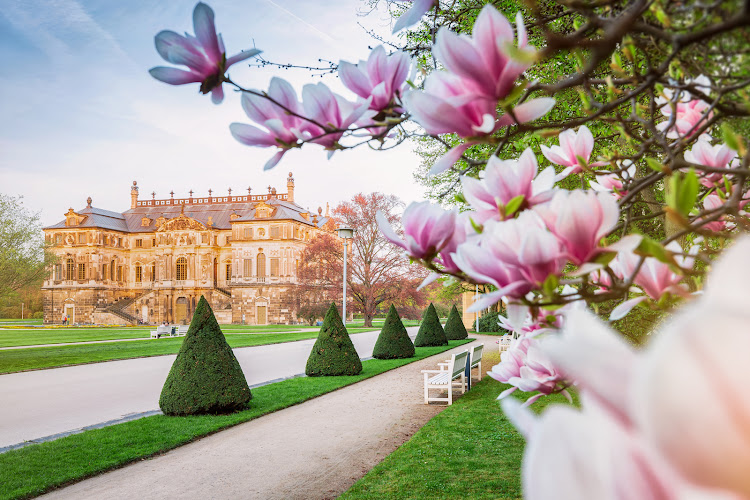
The Grand Garden of Dresden
About The Grand Garden of Dresden
Description
The Grand Garden of Dresden stands as one of Germany's most impressive baroque gardens, sprawling across roughly 1.8 square kilometers right in the heart of Dresden. And honestly, when you first walk through those gates, you can't help but feel like you've stepped back into the 18th century – except with better accessibility and modern amenities, thankfully. This isn't just another city park where locals jog through on their lunch breaks. The Grand Garden represents a masterpiece of baroque landscape architecture that dates back to the 1670s, commissioned by Johann Georg III, Elector of Saxony. The centerpiece is the stunning Summer Palace, which sits majestically at the garden's heart like a jewel in an elaborate setting. Throughout the grounds, you'll find baroque sculptures that have witnessed centuries of history, from royal promenades to wartime devastation and careful restoration. What makes this place genuinely special is how it manages to serve multiple purposes without losing its historical soul. On any given day, you might see history enthusiasts photographing the palace architecture, families having picnics on the sprawling lawns, cyclists taking advantage of the dedicated lanes, and couples strolling hand-in-hand through tree-lined avenues. The garden has adapted to modern needs while respecting its heritage – a balancing act that not every historical site manages to pull off successfully. The sheer size of the Grand Garden means you could spend hours here without covering everything. Some visitors make the mistake of rushing through, but this is a place that rewards those who take their time. I remember my first visit – I'd allocated maybe an hour, thinking I'd seen plenty of gardens before. Three hours later, I was still discovering new corners, hidden sculptures, and perfect spots for quiet contemplation.Key Features
- The baroque Summer Palace serves as the architectural centerpiece, with its symmetrical design and elegant proportions that photography enthusiasts absolutely love
- An extensive collection of baroque sculptures scattered throughout the grounds, each with its own story and artistic significance
- Wide, tree-lined avenues perfect for leisurely walks that create natural corridors through the landscape
- Dedicated cycling lanes that allow visitors to cover more ground without disturbing pedestrians – a thoughtful design choice
- Multiple playgrounds and children's facilities including slides and swings, making it genuinely family-friendly rather than just tolerating kids
- Wheelchair accessible entrances and parking lots, ensuring the garden welcomes all visitors regardless of mobility concerns
- Well-maintained hiking trails that offer different perspectives of the gardens and varying levels of difficulty
- Public restrooms distributed throughout the park – something you'll appreciate after a few hours of exploring
- Ample green spaces designated for picnics where dogs are welcome, so you don't have to leave furry family members behind
- Free street parking around the perimeter, which in a major German city is basically like finding treasure
- The historic narrow-gauge railway that circles the garden, offering a unique way to see the grounds while giving tired feet a rest
- Dresden Zoo is located within the garden complex, adding another dimension to your visit
Best Time to Visit
Timing your visit to the Grand Garden can make the difference between a pleasant outing and an absolutely magical experience. Spring, particularly late April through May, transforms the gardens into something extraordinary. The trees burst into new growth, flowers bloom in coordinated displays, and the weather is generally mild enough for comfortable walking without the summer crowds reaching peak intensity. Summer brings its own advantages, especially for families. June through August means all facilities are fully operational, playgrounds are bustling with activity, and the longer daylight hours let you explore well into the evening. But here's the thing – summer also brings tour groups and significantly more visitors. If you're not bothered by crowds and prefer warm weather, then go for it. Just maybe avoid weekends if you want any chance of photographing the Summer Palace without dozens of people in your shot. Early autumn, particularly September, might actually be the sweet spot. The weather remains pleasant, the oppressive summer heat has broken, and you get those gorgeous fall colors starting to appear. Plus, families are back in school routines, so weekday visits become noticeably quieter. The garden takes on this sort of contemplative atmosphere that suits its baroque character perfectly. Winter visiting requires a different mindset. The baroque sculptures look dramatic against snow, and the garden's geometry becomes more apparent without leaves obscuring the sight lines. However, many facilities close or reduce hours, and the cycling lanes can become treacherous. If you're hardy and appreciate stark beauty, winter has its merits. But if you're traveling from far away specifically to see the Grand Garden, winter probably shouldn't be your first choice. Weather-wise, Dresden can be unpredictable. Even in summer, bringing a light jacket isn't a terrible idea. And comfortable walking shoes are non-negotiable – those elegant baroque pathways look smooth but you'll be covering serious distance.How to Get There
Getting to the Grand Garden is refreshingly straightforward, which isn't always the case with major attractions in historic European cities. The garden's central location means multiple transportation options work well. The tram system provides probably the easiest access. Tram lines 10 and 13 both stop at "Großer Garten" station, which drops you right at one of the main entrances. Dresden's tram network is reliable and frequent, with trams typically running every 10-15 minutes during daytime hours. If you're staying anywhere in Dresden's central district, chances are you're already near a tram line that connects to the garden. For those driving, parking situations vary depending on which entrance you're heading toward. Free street parking exists along several roads bordering the garden, particularly along Lennéstraße and Karcherallee. But – and this is important – parking fills up quickly on weekends and holidays. Arriving before 10 AM significantly improves your chances of finding a spot nearby. Otherwise, you might find yourself parking several blocks away and walking in, which honestly isn't the worst fate but defeats the convenience of driving. Cycling to the garden makes tremendous sense if you're comfortable on a bike. Dresden has been improving its cycling infrastructure, and routes to the Grand Garden are generally safe and well-marked. Better yet, you can bring your bike into the garden itself and use the dedicated cycling lanes to cover ground quickly. From Dresden's main train station (Hauptbahnhof), you're looking at roughly 2 kilometers to the nearest garden entrance. That's walkable for some people, but after a long journey, taking tram line 10 from the station makes more sense for most travelers.Tips for Visiting
Start early if you want to experience the garden at its best. Mornings bring softer light for photography, fewer crowds, and generally more pleasant conditions. Plus, locals know this, so arriving early means encountering serious garden enthusiasts and photographers rather than casual tourists – the energy just feels different. Bring a picnic. Yes, restaurants and cafes exist near the garden, but eating on one of those expansive lawns elevates the experience. German bakeries open early, so grab some fresh bread, cheese, and fruit before heading in. The Grand Garden was designed for leisure and contemplation, and rushing off to find lunch interrupts that flow. Download an offline map or grab a paper map at the entrance. The garden's size means getting disoriented is genuinely possible, especially if you wander off the main paths. Cell service is generally fine, but battery life becomes a concern if you're constantly checking Google Maps. If you're visiting with children, plan your route around the playgrounds. Multiple playground areas are distributed throughout the garden, so strategically timing your walks to connect these points keeps kids motivated. Promising the next playground works wonders when little legs get tired. For photography enthusiasts, the golden hours around sunrise and sunset provide the best lighting for the Summer Palace. The baroque sculptures photograph well throughout the day, but morning light from the east creates particularly dramatic shadows and depth. Don't try to see everything in one visit unless you've got serious stamina. The Grand Garden rewards repeat visits – different seasons, different times of day, different routes all create distinct experiences. Trying to tick every box in a single marathon session leaves you exhausted and probably grumpy. Dress in layers regardless of the season. That morning chill burns off quickly, but finding shade becomes priority during afternoon heat. The garden's mature trees provide excellent shade, but open areas can get surprisingly warm. The narrow-gauge railway that circles the garden offers a legitimate alternative to walking if mobility is a concern or if you simply want a different perspective. It's not just a tourist gimmick – locals use it too. Actually read the information plaques near major sculptures and features. They're written in German and English, and provide context that transforms sculptures from "pretty statue" into "historical artifact with fascinating backstory." This isn't homework – the stories genuinely enhance appreciation. Visit midweek if your schedule allows. Weekend crowds aren't overwhelming compared to many European attractions, but Tuesday or Wednesday mornings offer a more serene experience where you can actually hear birds and wind rather than dozens of conversations. Check what events might be happening during your visit. The Grand Garden hosts concerts, festivals, and special exhibitions throughout the year. Sometimes you'll stumble into something wonderful; other times you might want to avoid certain areas if you prefer peace and quiet. Respect the garden's rules about where dogs can go and keeping them leashed. Dresden residents love this place and take pride in maintaining it – treating it respectfully ensures it remains welcoming for everyone.Key Features
- Baroque layout with formal alleys and symmetrical beds
- Sommerpalais (historic summer palace) and ornamental architecture
- Lush mature trees and large ponds ideal for walking and relaxation
- Small zoo and playgrounds for families
- Park railway (Parkeisenbahn) offering a scenic loop
More Details
Updated March 30, 2026
Table of Contents
Description
The Grand Garden of Dresden stands as one of Germany’s most impressive baroque gardens, sprawling across roughly 1.8 square kilometers right in the heart of Dresden. And honestly, when you first walk through those gates, you can’t help but feel like you’ve stepped back into the 18th century – except with better accessibility and modern amenities, thankfully.
This isn’t just another city park where locals jog through on their lunch breaks. The Grand Garden represents a masterpiece of baroque landscape architecture that dates back to the 1670s, commissioned by Johann Georg III, Elector of Saxony. The centerpiece is the stunning Summer Palace, which sits majestically at the garden’s heart like a jewel in an elaborate setting. Throughout the grounds, you’ll find baroque sculptures that have witnessed centuries of history, from royal promenades to wartime devastation and careful restoration.
What makes this place genuinely special is how it manages to serve multiple purposes without losing its historical soul. On any given day, you might see history enthusiasts photographing the palace architecture, families having picnics on the sprawling lawns, cyclists taking advantage of the dedicated lanes, and couples strolling hand-in-hand through tree-lined avenues. The garden has adapted to modern needs while respecting its heritage – a balancing act that not every historical site manages to pull off successfully.
The sheer size of the Grand Garden means you could spend hours here without covering everything. Some visitors make the mistake of rushing through, but this is a place that rewards those who take their time. I remember my first visit – I’d allocated maybe an hour, thinking I’d seen plenty of gardens before. Three hours later, I was still discovering new corners, hidden sculptures, and perfect spots for quiet contemplation.
Key Features
- The baroque Summer Palace serves as the architectural centerpiece, with its symmetrical design and elegant proportions that photography enthusiasts absolutely love
- An extensive collection of baroque sculptures scattered throughout the grounds, each with its own story and artistic significance
- Wide, tree-lined avenues perfect for leisurely walks that create natural corridors through the landscape
- Dedicated cycling lanes that allow visitors to cover more ground without disturbing pedestrians – a thoughtful design choice
- Multiple playgrounds and children’s facilities including slides and swings, making it genuinely family-friendly rather than just tolerating kids
- Wheelchair accessible entrances and parking lots, ensuring the garden welcomes all visitors regardless of mobility concerns
- Well-maintained hiking trails that offer different perspectives of the gardens and varying levels of difficulty
- Public restrooms distributed throughout the park – something you’ll appreciate after a few hours of exploring
- Ample green spaces designated for picnics where dogs are welcome, so you don’t have to leave furry family members behind
- Free street parking around the perimeter, which in a major German city is basically like finding treasure
- The historic narrow-gauge railway that circles the garden, offering a unique way to see the grounds while giving tired feet a rest
- Dresden Zoo is located within the garden complex, adding another dimension to your visit
Best Time to Visit
Timing your visit to the Grand Garden can make the difference between a pleasant outing and an absolutely magical experience. Spring, particularly late April through May, transforms the gardens into something extraordinary. The trees burst into new growth, flowers bloom in coordinated displays, and the weather is generally mild enough for comfortable walking without the summer crowds reaching peak intensity.
Summer brings its own advantages, especially for families. June through August means all facilities are fully operational, playgrounds are bustling with activity, and the longer daylight hours let you explore well into the evening. But here’s the thing – summer also brings tour groups and significantly more visitors. If you’re not bothered by crowds and prefer warm weather, then go for it. Just maybe avoid weekends if you want any chance of photographing the Summer Palace without dozens of people in your shot.
Early autumn, particularly September, might actually be the sweet spot. The weather remains pleasant, the oppressive summer heat has broken, and you get those gorgeous fall colors starting to appear. Plus, families are back in school routines, so weekday visits become noticeably quieter. The garden takes on this sort of contemplative atmosphere that suits its baroque character perfectly.
Winter visiting requires a different mindset. The baroque sculptures look dramatic against snow, and the garden’s geometry becomes more apparent without leaves obscuring the sight lines. However, many facilities close or reduce hours, and the cycling lanes can become treacherous. If you’re hardy and appreciate stark beauty, winter has its merits. But if you’re traveling from far away specifically to see the Grand Garden, winter probably shouldn’t be your first choice.
Weather-wise, Dresden can be unpredictable. Even in summer, bringing a light jacket isn’t a terrible idea. And comfortable walking shoes are non-negotiable – those elegant baroque pathways look smooth but you’ll be covering serious distance.
How to Get There
Getting to the Grand Garden is refreshingly straightforward, which isn’t always the case with major attractions in historic European cities. The garden’s central location means multiple transportation options work well.
The tram system provides probably the easiest access. Tram lines 10 and 13 both stop at “Großer Garten” station, which drops you right at one of the main entrances. Dresden’s tram network is reliable and frequent, with trams typically running every 10-15 minutes during daytime hours. If you’re staying anywhere in Dresden’s central district, chances are you’re already near a tram line that connects to the garden.
For those driving, parking situations vary depending on which entrance you’re heading toward. Free street parking exists along several roads bordering the garden, particularly along Lennéstraße and Karcherallee. But – and this is important – parking fills up quickly on weekends and holidays. Arriving before 10 AM significantly improves your chances of finding a spot nearby. Otherwise, you might find yourself parking several blocks away and walking in, which honestly isn’t the worst fate but defeats the convenience of driving.
Cycling to the garden makes tremendous sense if you’re comfortable on a bike. Dresden has been improving its cycling infrastructure, and routes to the Grand Garden are generally safe and well-marked. Better yet, you can bring your bike into the garden itself and use the dedicated cycling lanes to cover ground quickly.
From Dresden’s main train station (Hauptbahnhof), you’re looking at roughly 2 kilometers to the nearest garden entrance. That’s walkable for some people, but after a long journey, taking tram line 10 from the station makes more sense for most travelers.
Tips for Visiting
Start early if you want to experience the garden at its best. Mornings bring softer light for photography, fewer crowds, and generally more pleasant conditions. Plus, locals know this, so arriving early means encountering serious garden enthusiasts and photographers rather than casual tourists – the energy just feels different.
Bring a picnic. Yes, restaurants and cafes exist near the garden, but eating on one of those expansive lawns elevates the experience. German bakeries open early, so grab some fresh bread, cheese, and fruit before heading in. The Grand Garden was designed for leisure and contemplation, and rushing off to find lunch interrupts that flow.
Download an offline map or grab a paper map at the entrance. The garden’s size means getting disoriented is genuinely possible, especially if you wander off the main paths. Cell service is generally fine, but battery life becomes a concern if you’re constantly checking Google Maps.
If you’re visiting with children, plan your route around the playgrounds. Multiple playground areas are distributed throughout the garden, so strategically timing your walks to connect these points keeps kids motivated. Promising the next playground works wonders when little legs get tired.
For photography enthusiasts, the golden hours around sunrise and sunset provide the best lighting for the Summer Palace. The baroque sculptures photograph well throughout the day, but morning light from the east creates particularly dramatic shadows and depth.
Don’t try to see everything in one visit unless you’ve got serious stamina. The Grand Garden rewards repeat visits – different seasons, different times of day, different routes all create distinct experiences. Trying to tick every box in a single marathon session leaves you exhausted and probably grumpy.
Dress in layers regardless of the season. That morning chill burns off quickly, but finding shade becomes priority during afternoon heat. The garden’s mature trees provide excellent shade, but open areas can get surprisingly warm.
The narrow-gauge railway that circles the garden offers a legitimate alternative to walking if mobility is a concern or if you simply want a different perspective. It’s not just a tourist gimmick – locals use it too.
Actually read the information plaques near major sculptures and features. They’re written in German and English, and provide context that transforms sculptures from “pretty statue” into “historical artifact with fascinating backstory.” This isn’t homework – the stories genuinely enhance appreciation.
Visit midweek if your schedule allows. Weekend crowds aren’t overwhelming compared to many European attractions, but Tuesday or Wednesday mornings offer a more serene experience where you can actually hear birds and wind rather than dozens of conversations.
Check what events might be happening during your visit. The Grand Garden hosts concerts, festivals, and special exhibitions throughout the year. Sometimes you’ll stumble into something wonderful; other times you might want to avoid certain areas if you prefer peace and quiet.
Respect the garden’s rules about where dogs can go and keeping them leashed. Dresden residents love this place and take pride in maintaining it – treating it respectfully ensures it remains welcoming for everyone.
Key Highlights
- Baroque layout with formal alleys and symmetrical beds
- Sommerpalais (historic summer palace) and ornamental architecture
- Lush mature trees and large ponds ideal for walking and relaxation
- Small zoo and playgrounds for families
- Park railway (Parkeisenbahn) offering a scenic loop
Location
Places to Stay Near The Grand Garden of Dresden
Find and Book a Tour
Explore More Travel Guides
No reviews found! Be the first to review!
The Grand Garden of Dresden is a prominent attractions located in Dresden.
Visit us at: Hauptallee 10, 01219 Dresden, Allemagne.
Traveler Reviews for The Grand Garden of Dresden
There are no reviews yet. Be the first one to write one.
Have you visited The Grand Garden of Dresden? Help other travelers by sharing your review.
Nearby Attractions
You Might Also Like

Dresden Zwinger

Japanese Palais (1727-33; Matthaeus Daniel Poeppelmann)

Frauenkirche Dresden
Find Accommodations Nearby
Recommended Tours & Activities
Visitor Reviews
There are no reviews yet. Be the first one to write one.
Share Your Experience
Have you visited The Grand Garden of Dresden? Help other travelers by leaving a review.