

Mühle Oberneuland
About Mühle Oberneuland
Description
The Mühle Oberneuland stands as one of those delightful surprises that Bremen has to offer - a historic windmill turned museum that tells the story of grain milling and rural life in northern Germany. And honestly, when I first learned about visiting a mill museum, I wasn't exactly jumping with excitement. But here's the thing - this place has character that you just don't find in your typical museum setting. This working windmill dates back centuries and has been lovingly preserved to show visitors exactly how grain was transformed into flour using nothing but wind power and ingenious engineering. The building itself is a striking piece of architecture that rises above the Oberneuland district, its impressive wooden structure and sails creating a silhouette that photographers absolutely love. The museum focuses primarily on the cereal milling process, which might sound niche, but trust me, once you see those massive grinding stones in action and understand the complexity of the whole operation, you'll gain a whole new appreciation for that morning slice of toast. What makes Mühle Oberneuland particularly special is how it connects visitors to agricultural heritage in a hands-on way. You're not just reading plaques on walls - you're experiencing the sounds, the mechanisms, and the atmosphere of a working mill. The guides here really know their stuff too, often sharing stories passed down through generations of millers who worked these very stones. It's the kind of place that makes history feel alive rather than dusty and forgotten. The surrounding area adds to the charm, with the mill standing in a relatively quiet neighborhood that gives you a sense of what rural Bremen life must have been like before the city expanded. When the wind picks up and those sails start turning, there's genuinely something magical about watching centuries-old technology doing what it was designed to do.Key Features
The Mühle Oberneuland offers several distinctive elements that make it worth adding to your Bremen itinerary: • Original milling equipment still in working condition, allowing visitors to witness the complete process of grain being ground into flour using traditional methods • Architectural significance as one of the few remaining historic windmills in the Bremen region, showcasing traditional northern German mill construction techniques • Educational exhibits focusing on cereal cultivation, grain processing, and the vital role mills played in local communities throughout history • Family-friendly environment that's particularly good for kids who can learn about science, engineering, and history through interactive demonstrations • Authentic atmosphere that transports visitors back to a time when wind power was cutting-edge technology and millers were essential craftspeople • Seasonal demonstrations when weather conditions permit the sails to turn, offering visitors the rare chance to see the mill operating as it would have centuries ago • Knowledgeable staff and volunteers who are genuinely passionate about milling heritage and eager to share their expertise with curious visitors • Photo opportunities galore, both inside with the impressive wooden mechanisms and outside with the mill's striking exteriorBest Time to Visit
Timing your visit to Mühle Oberneuland can make a real difference in your experience. The museum typically operates on limited hours - often just weekend afternoons or by appointment - so you'll definitely want to check their schedule before making the trip. And this is one of those places where calling ahead isn't just recommended, it's pretty much essential. Spring and early summer months bring the best conditions for seeing the mill in action. When there's a decent breeze but not gale-force winds, the operators might fire up the sails and let you witness the mill actually working. I'd say late April through June offers that sweet spot where weather is pleasant, the surrounding countryside looks beautiful, and wind conditions are often favorable. Autumn can be equally lovely, particularly in September and early October when harvest themes make the visit feel especially relevant. There's something fitting about learning about grain processing when farmers are actually bringing in their crops. Plus, the golden light of autumn photographs beautifully against the mill's weathered wood. Summer weekends tend to be busiest, especially if families are out exploring Bremen's attractions. If you prefer a quieter experience where you can really take your time examining the equipment and chatting with guides, try visiting on a spring or autumn Sunday afternoon when schools are in session. Winter visits are possible but the mill obviously can't demonstrate much when it's freezing or during storms. That said, if you're in Bremen during colder months and have a particular interest in milling history, the indoor exhibits remain accessible and you'll likely have the place almost to yourself. Weather matters more here than at most museums since much of the experience involves understanding how natural wind power drove industrial processes. A blustery day isn't necessarily bad - it actually adds atmosphere - but dangerous conditions will mean the sails stay locked down.How to Get There
Getting to Mühle Oberneuland requires a bit of planning since it's located in a residential district rather than Bremen's city center. But don't let that discourage you - the journey is straightforward once you know your options. Public transportation is definitely your friend here. Bremen's tram and bus network is reliable and the mill is accessible via local bus routes that serve the Oberneuland area. From Bremen's main train station (Hauptbahnhof), you'll want to catch a bus heading toward Oberneuland, which takes roughly 25-30 minutes depending on traffic and your exact route. The ride itself gives you a nice perspective on how Bremen transitions from urban center to more residential and semi-rural areas. If you're driving, Oberneuland lies to the east of Bremen's center, and the mill is relatively easy to find once you're in the neighborhood - just look for the distinctive windmill silhouette. Parking can be a bit tricky since this is a residential area without large dedicated lots. Street parking is usually available nearby, but be mindful of any posted restrictions and respectful of local residents' driveways and access. Cycling is actually one of the better ways to reach Mühle Oberneuland if you're comfortable on a bike. Bremen is exceptionally bike-friendly, and the route from the city center to Oberneuland covers about 8-9 kilometers through some pleasant neighborhoods. You'll find bike lanes for most of the journey, and there's typically space to securely lock your bicycle near the mill. One thing worth mentioning - and I learned this the slightly frustrating way - is that Oberneuland isn't where most tourists end up by accident. You need to make this a deliberate destination. It's not on the typical hop-on-hop-off bus routes, and you won't stumble across it while wandering the Schnoor district. That's actually part of its appeal, but it does mean you should plan this visit rather than expecting to drop by spontaneously.Tips for Visiting
Let me share some practical advice that'll help you get the most out of your Mühle Oberneuland experience. First and foremost - and I really can't stress this enough - confirm opening hours before you go. Small museums like this sometimes have irregular schedules, and showing up to find it closed after traveling across Bremen would be genuinely disappointing. The mill is not wheelchair accessible, which is important to know if you or anyone in your group has mobility challenges. The historic building features steep stairs and narrow passages that are original to its construction. It's an unfortunate limitation but understandable given the structure's age and authentic design. If accessibility is a concern, contact the museum directly to discuss what portions might be viewable. There's no restaurant or cafe on site, so plan accordingly. Oberneuland has some local options for grabbing lunch or coffee, but this isn't a place where you'll find museum dining facilities. I'd recommend eating before or after your visit in the neighborhood or bringing water with you, especially if you're visiting with children. Speaking of kids - this is genuinely good for young visitors who are old enough to appreciate how things work. The mechanical aspects fascinate many children, and the novelty of a real windmill captures imaginations better than many traditional museums. However, do keep close supervision since there's historical equipment and steep stairs that could be hazardous for very small children. Bring your camera but be respectful about photography. The interior mechanisms photograph wonderfully, especially if you're interested in architectural or industrial subjects. Natural light filtering through the mill creates beautiful effects, though you might need to adjust your settings for the darker interior spaces. Wear comfortable shoes with good grip. The wooden floors can be uneven and stairs are steep - this isn't a place for heels or slippery-soled footwear. You'll be climbing to see different levels of the mill's operation, so footwear matters more than you might initially think. If you have any interest in baking, bread-making, or food history, ask specific questions. The staff love discussing how different grains were processed for different purposes and how milling techniques evolved. These conversations often prove more memorable than just wandering through on your own. Consider combining your visit with exploration of the surrounding Oberneuland area. This district offers a different perspective on Bremen - more residential, greener, and quieter than the tourist-heavy center. A walk around the neighborhood before or after your mill visit rounds out the experience nicely. Finally, patience enhances the experience here. This isn't a place to rush through in 15 minutes. Give yourself at least an hour, preferably more if demonstrations are happening. The Mühle Oberneuland rewards visitors who take time to really look at the craftsmanship, understand the mechanics, and appreciate what an engineering marvel these windmills truly were. Sometimes the best travel experiences come from slowing down and really seeing what's in front of you rather than just checking another attraction off your list.Key Features
- Key Features
- Best Time to Visit
- How to Get There
- Tips for Visiting
More Details
Updated March 30, 2026
Table of Contents
Description
The Mühle Oberneuland stands as one of those delightful surprises that Bremen has to offer – a historic windmill turned museum that tells the story of grain milling and rural life in northern Germany. And honestly, when I first learned about visiting a mill museum, I wasn’t exactly jumping with excitement. But here’s the thing – this place has character that you just don’t find in your typical museum setting.
This working windmill dates back centuries and has been lovingly preserved to show visitors exactly how grain was transformed into flour using nothing but wind power and ingenious engineering. The building itself is a striking piece of architecture that rises above the Oberneuland district, its impressive wooden structure and sails creating a silhouette that photographers absolutely love. The museum focuses primarily on the cereal milling process, which might sound niche, but trust me, once you see those massive grinding stones in action and understand the complexity of the whole operation, you’ll gain a whole new appreciation for that morning slice of toast.
What makes Mühle Oberneuland particularly special is how it connects visitors to agricultural heritage in a hands-on way. You’re not just reading plaques on walls – you’re experiencing the sounds, the mechanisms, and the atmosphere of a working mill. The guides here really know their stuff too, often sharing stories passed down through generations of millers who worked these very stones. It’s the kind of place that makes history feel alive rather than dusty and forgotten.
The surrounding area adds to the charm, with the mill standing in a relatively quiet neighborhood that gives you a sense of what rural Bremen life must have been like before the city expanded. When the wind picks up and those sails start turning, there’s genuinely something magical about watching centuries-old technology doing what it was designed to do.
Key Features
The Mühle Oberneuland offers several distinctive elements that make it worth adding to your Bremen itinerary:
• Original milling equipment still in working condition, allowing visitors to witness the complete process of grain being ground into flour using traditional methods
• Architectural significance as one of the few remaining historic windmills in the Bremen region, showcasing traditional northern German mill construction techniques
• Educational exhibits focusing on cereal cultivation, grain processing, and the vital role mills played in local communities throughout history
• Family-friendly environment that’s particularly good for kids who can learn about science, engineering, and history through interactive demonstrations
• Authentic atmosphere that transports visitors back to a time when wind power was cutting-edge technology and millers were essential craftspeople
• Seasonal demonstrations when weather conditions permit the sails to turn, offering visitors the rare chance to see the mill operating as it would have centuries ago
• Knowledgeable staff and volunteers who are genuinely passionate about milling heritage and eager to share their expertise with curious visitors
• Photo opportunities galore, both inside with the impressive wooden mechanisms and outside with the mill’s striking exterior
Best Time to Visit
Timing your visit to Mühle Oberneuland can make a real difference in your experience. The museum typically operates on limited hours – often just weekend afternoons or by appointment – so you’ll definitely want to check their schedule before making the trip. And this is one of those places where calling ahead isn’t just recommended, it’s pretty much essential.
Spring and early summer months bring the best conditions for seeing the mill in action. When there’s a decent breeze but not gale-force winds, the operators might fire up the sails and let you witness the mill actually working. I’d say late April through June offers that sweet spot where weather is pleasant, the surrounding countryside looks beautiful, and wind conditions are often favorable.
Autumn can be equally lovely, particularly in September and early October when harvest themes make the visit feel especially relevant. There’s something fitting about learning about grain processing when farmers are actually bringing in their crops. Plus, the golden light of autumn photographs beautifully against the mill’s weathered wood.
Summer weekends tend to be busiest, especially if families are out exploring Bremen’s attractions. If you prefer a quieter experience where you can really take your time examining the equipment and chatting with guides, try visiting on a spring or autumn Sunday afternoon when schools are in session.
Winter visits are possible but the mill obviously can’t demonstrate much when it’s freezing or during storms. That said, if you’re in Bremen during colder months and have a particular interest in milling history, the indoor exhibits remain accessible and you’ll likely have the place almost to yourself.
Weather matters more here than at most museums since much of the experience involves understanding how natural wind power drove industrial processes. A blustery day isn’t necessarily bad – it actually adds atmosphere – but dangerous conditions will mean the sails stay locked down.
How to Get There
Getting to Mühle Oberneuland requires a bit of planning since it’s located in a residential district rather than Bremen’s city center. But don’t let that discourage you – the journey is straightforward once you know your options.
Public transportation is definitely your friend here. Bremen’s tram and bus network is reliable and the mill is accessible via local bus routes that serve the Oberneuland area. From Bremen’s main train station (Hauptbahnhof), you’ll want to catch a bus heading toward Oberneuland, which takes roughly 25-30 minutes depending on traffic and your exact route. The ride itself gives you a nice perspective on how Bremen transitions from urban center to more residential and semi-rural areas.
If you’re driving, Oberneuland lies to the east of Bremen’s center, and the mill is relatively easy to find once you’re in the neighborhood – just look for the distinctive windmill silhouette. Parking can be a bit tricky since this is a residential area without large dedicated lots. Street parking is usually available nearby, but be mindful of any posted restrictions and respectful of local residents’ driveways and access.
Cycling is actually one of the better ways to reach Mühle Oberneuland if you’re comfortable on a bike. Bremen is exceptionally bike-friendly, and the route from the city center to Oberneuland covers about 8-9 kilometers through some pleasant neighborhoods. You’ll find bike lanes for most of the journey, and there’s typically space to securely lock your bicycle near the mill.
One thing worth mentioning – and I learned this the slightly frustrating way – is that Oberneuland isn’t where most tourists end up by accident. You need to make this a deliberate destination. It’s not on the typical hop-on-hop-off bus routes, and you won’t stumble across it while wandering the Schnoor district. That’s actually part of its appeal, but it does mean you should plan this visit rather than expecting to drop by spontaneously.
Tips for Visiting
Let me share some practical advice that’ll help you get the most out of your Mühle Oberneuland experience. First and foremost – and I really can’t stress this enough – confirm opening hours before you go. Small museums like this sometimes have irregular schedules, and showing up to find it closed after traveling across Bremen would be genuinely disappointing.
The mill is not wheelchair accessible, which is important to know if you or anyone in your group has mobility challenges. The historic building features steep stairs and narrow passages that are original to its construction. It’s an unfortunate limitation but understandable given the structure’s age and authentic design. If accessibility is a concern, contact the museum directly to discuss what portions might be viewable.
There’s no restaurant or cafe on site, so plan accordingly. Oberneuland has some local options for grabbing lunch or coffee, but this isn’t a place where you’ll find museum dining facilities. I’d recommend eating before or after your visit in the neighborhood or bringing water with you, especially if you’re visiting with children.
Speaking of kids – this is genuinely good for young visitors who are old enough to appreciate how things work. The mechanical aspects fascinate many children, and the novelty of a real windmill captures imaginations better than many traditional museums. However, do keep close supervision since there’s historical equipment and steep stairs that could be hazardous for very small children.
Bring your camera but be respectful about photography. The interior mechanisms photograph wonderfully, especially if you’re interested in architectural or industrial subjects. Natural light filtering through the mill creates beautiful effects, though you might need to adjust your settings for the darker interior spaces.
Wear comfortable shoes with good grip. The wooden floors can be uneven and stairs are steep – this isn’t a place for heels or slippery-soled footwear. You’ll be climbing to see different levels of the mill’s operation, so footwear matters more than you might initially think.
If you have any interest in baking, bread-making, or food history, ask specific questions. The staff love discussing how different grains were processed for different purposes and how milling techniques evolved. These conversations often prove more memorable than just wandering through on your own.
Consider combining your visit with exploration of the surrounding Oberneuland area. This district offers a different perspective on Bremen – more residential, greener, and quieter than the tourist-heavy center. A walk around the neighborhood before or after your mill visit rounds out the experience nicely.
Finally, patience enhances the experience here. This isn’t a place to rush through in 15 minutes. Give yourself at least an hour, preferably more if demonstrations are happening. The Mühle Oberneuland rewards visitors who take time to really look at the craftsmanship, understand the mechanics, and appreciate what an engineering marvel these windmills truly were. Sometimes the best travel experiences come from slowing down and really seeing what’s in front of you rather than just checking another attraction off your list.
Key Highlights
- Key Features
- Best Time to Visit
- How to Get There
- Tips for Visiting
Location
Places to Stay Near Mühle Oberneuland
Find and Book a Tour
Explore More Travel Guides
No reviews found! Be the first to review!
Mühle Oberneuland is a prominent museums located in Bremen.
Visit us at: Mühlenweg 34, 28355 Bremen, Germany.
Traveler Reviews for Mühle Oberneuland
There are no reviews yet. Be the first one to write one.
Have you visited Mühle Oberneuland? Help other travelers by sharing your review.
You Might Also Like

Wallanlagen

Bürgerpark Bremen
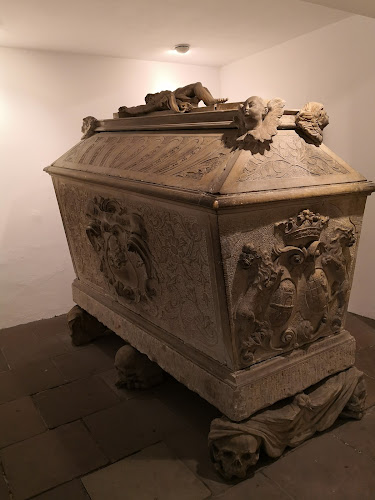
Bleikeller
Find Accommodations Nearby
Recommended Tours & Activities
Visitor Reviews
There are no reviews yet. Be the first one to write one.
Share Your Experience
Have you visited Mühle Oberneuland? Help other travelers by leaving a review.