
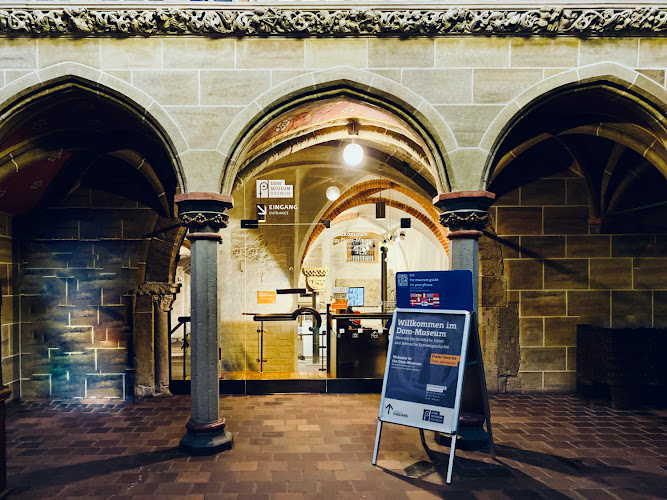
Dom-Museum
About Dom-Museum
Description
The Dom-Museum offers visitors an extraordinary glimpse into centuries of ecclesiastical history through its carefully curated collection of religious artifacts and treasures. This cathedral museum houses an impressive array of relics and textiles recovered from medieval bishops’ tombs, alongside stunning examples of ecclesiastical art that span multiple centuries. When I first learned about museums dedicated solely to cathedral history, I’ll admit I was skeptical about whether they’d hold my attention—but places like this completely changed my perspective on how fascinating religious artifacts can be when properly contextualized.
The museum provides an intimate look at the craftsmanship and devotion that went into creating objects used in religious ceremonies throughout the ages. From intricately woven textiles that once adorned high-ranking church officials to delicate reliquaries that held sacred remains, each piece tells a story about faith, artistry, and the cultural significance of the church in medieval society. The collection particularly excels at showcasing items that most people would never otherwise encounter, making it a genuinely unique experience for anyone interested in history, art, or religious studies.
What makes this museum particularly special is its focus on pieces with direct connections to specific individuals and historical moments. These aren’t just generic religious objects—they’re personal items that belonged to real people who lived centuries ago. And honestly, there’s something quite moving about standing in front of vestments worn by bishops who walked these same streets hundreds of years ago, making decisions that shaped their communities.
Key Features
The Dom-Museum presents several remarkable elements that distinguish it from other religious museums:
• Medieval bishops’ tomb artifacts including ornate burial vestments, ceremonial objects, and personal items that provide intimate insights into the lives of church leaders from centuries past
• Exceptional textile collections featuring embroidered chasubles, mitres, and altar cloths that demonstrate the incredible skill of medieval artisans and the importance placed on ceremonial dress
• Ecclesiastical art spanning multiple periods, allowing visitors to trace the evolution of religious artistic expression through paintings, sculptures, and decorative objects
• Reliquaries and sacred vessels crafted from precious metals and adorned with gemstones, showcasing both the wealth of the medieval church and the reverence with which holy objects were treated
• Full accessibility features including wheelchair-accessible entrances, parking, and restrooms, ensuring that all visitors can explore the collections comfortably
• Family-friendly exhibits that make historical content approachable for younger visitors without dumbing down the scholarly significance of the pieces
• Educational displays providing context about the religious practices, historical events, and cultural traditions connected to the artifacts on display
• Restroom facilities available throughout your visit, which honestly matters more than people want to admit when planning a museum day
Best Time to Visit
Timing your visit to the Dom-Museum can significantly impact your experience, and I’ve learned through various museum trips that strategic planning really does pay off. The museum tends to be quietest during weekday mornings, particularly Tuesday through Thursday. If you’re someone who likes to linger over exhibits and read every placard without crowds pressing around you, these are your golden hours.
Peak tourist season typically brings larger crowds, especially during summer months when travelers from around the world flock to explore cathedral districts. But don’t let that discourage you from visiting during popular times—the museum’s layout generally handles visitor flow quite well. Just expect to share the space with tour groups and adjust your pace accordingly.
Rainy days actually present an excellent opportunity for a museum visit, as many tourists abandon indoor cultural activities for outdoor sightseeing when the weather’s nice. I’ve personally had some of my most enjoyable museum experiences on drizzly afternoons when I practically had galleries to myself.
If you’re visiting during religious holidays, the museum may have adjusted hours or special exhibits that complement the liturgical calendar. Easter and Christmas seasons can offer unique perspectives on certain artifacts, as the museum sometimes highlights pieces relevant to these celebrations.
Late afternoon visits, particularly about an hour before closing time, tend to be less crowded as well. Although you’ll need to move through the exhibits more briskly, you’ll benefit from fewer visitors and a more contemplative atmosphere.
How to Get There
Getting to the Dom-Museum requires navigating to the cathedral district, which in most cities means heading directly to the historic center where major religious landmarks typically reside. The museum benefits from excellent accessibility, including designated wheelchair-accessible parking for those arriving by car.
For visitors driving themselves, look for parking facilities near the cathedral complex. Many cathedral districts have parking structures within reasonable walking distance, and the museum specifically offers accessible parking options. Be prepared for parking fees, as central historic areas rarely provide free parking—but the convenience usually justifies the cost.
Public transportation often provides the most straightforward route to cathedral museums. Most cities position their historic religious centers along major transit lines, making them easily reachable by bus, tram, or metro. Check local transit maps for stops near the cathedral, and don’t hesitate to ask locals for directions once you’re in the general vicinity. In my experience, people near major landmarks are well-accustomed to giving directions to visitors.
Walking tours frequently include the cathedral district as a major stop, so if you’re already planning a guided walking tour of the historic center, ask whether your route passes the Dom-Museum. This can be an efficient way to incorporate the museum into a broader day of sightseeing.
Cycling represents another viable option in cities with good bike infrastructure. Cathedral districts usually have bike parking areas, though you’ll want to bring a sturdy lock and check for designated bicycle parking zones to avoid fines.
Taxis and ride-sharing services can drop you right at the cathedral entrance, which is particularly convenient if you’re traveling with mobility considerations or simply want door-to-door service.
Tips for Visiting
Making the most of your Dom-Museum experience involves some practical preparation that’ll enhance your visit considerably. First off, plan for at least 90 minutes to two hours if you want to properly appreciate the collections. Rushing through defeats the purpose—these artifacts deserve your attention, and the stories behind them take time to absorb.
Photography policies vary among religious museums, so check whether you’re permitted to take photos before snapping away. Some institutions restrict photography to preserve delicate textiles and artifacts from light damage. And honestly, sometimes it’s worth just experiencing things with your eyes rather than through a screen anyway.
The museum is suitable for children, but preparing young visitors beforehand helps everyone have a better experience. Talk with kids about what they’ll see and why these objects mattered to people in the past. Maybe frame it as a treasure hunt where they look for specific types of objects or symbols. I’ve watched too many families struggle through museums because the kids had no framework for understanding what they were seeing.
Comfortable shoes are non-negotiable. Museum floors get tiring, and cathedral museums often involve some walking through multiple rooms or levels. Your feet will thank you for choosing sensible footwear over fashionable but painful options.
Since the museum doesn’t have an on-site restaurant, eat before you arrive or plan to grab food afterward in the surrounding area. Cathedral districts typically have plenty of cafes and restaurants nearby where you can discuss what you’ve seen over lunch or coffee.
Take advantage of any available audio guides or written materials. The visual impact of these artifacts is impressive, but understanding their historical context and significance deepens the experience immeasurably. Sometimes the backstory of how an artifact was discovered or preserved is just as fascinating as the object itself.
Consider the accessibility features if you or anyone in your group has mobility needs. The museum’s comprehensive accessible facilities mean you can focus on enjoying the exhibits rather than worrying about physical barriers.
Bring a light jacket even during warmer months. Museums often maintain cooler temperatures to preserve their collections, and historic buildings can be naturally cool regardless of outside weather.
If you’re particularly interested in specific aspects of ecclesiastical history—textile arts, reliquary design, or a certain historical period—don’t hesitate to ask museum staff whether they can point you toward relevant exhibits. Staff members at specialized museums like this are usually quite knowledgeable and genuinely enjoy helping visitors connect with the collections.
Finally, allow yourself to be surprised. You might arrive thinking you’re just checking another museum off your list, but these objects have survived centuries and carry genuine historical weight. Let yourself feel that connection to the past, even if you’re not particularly religious. The artistry, craftsmanship, and human stories embedded in these artifacts transcend any single belief system.
Key Features
- Archaeological finds from medieval bishop’s tombs
- Liturgical textiles and reliquaries
- Medieval sculptures and altar pieces
- Exhibits displayed in historic rooms adjacent to St. Petri Cathedral
- Ecumenical collection including loans from Bremen’s churches
Nearby Attractions
St. Petri Cathedral (St. Peter’s Cathedral)
Market Square (Marktplatz) and Bremen Roland
Böttcherstraße
Tours & Activities
GetYourGuide provides this tour inventory. We may earn a commission if you book through it; verify current availability, prices, and terms with the provider.
Visitor Reviews
There are no reviews yet. Be the first one to write one.
Share Your Experience
Have you visited Dom-Museum? Help other travelers by leaving a review.