
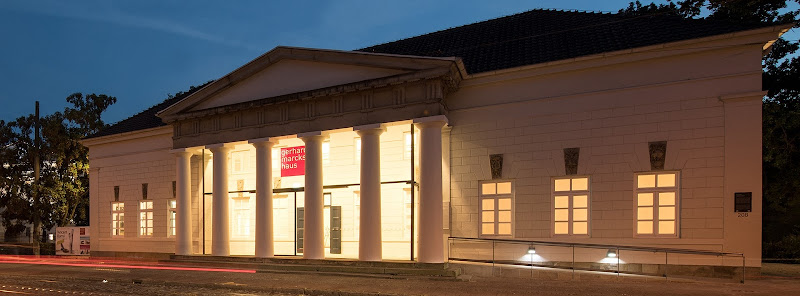
Gerhard Marcks House
About Gerhard Marcks House
Description
The Gerhard Marcks House stands as a testament to one of Germany's most influential sculptors and artists of the 20th century. Located in Bremen, this specialized museum offers visitors an intimate look into the world of contemporary sculpture, prints, and drawings that defined Marcks' career and influence. When I first learned about this place, I'll admit I wasn't entirely familiar with Marcks' work – but that's actually what makes visiting museums like this so rewarding. You discover artists who've shaped modern art in ways you never realized. The museum itself focuses primarily on the works of Gerhard Marcks, who lived from 1889 to 1981 and became known for his sculptural work that bridged expressionism and more classical forms. His pieces often depicted human and animal figures with a raw, honest quality that feels both timeless and distinctly modern. The collection here isn't just static either – you'll find rotating special exhibitions that complement the permanent collection and showcase related artists and movements. What strikes most visitors about this museum is its manageable size. Unlike those massive institutions where you need a full day and comfortable shoes, the Gerhard Marcks House lets you really absorb and appreciate the art without feeling overwhelmed. It's the kind of place where you can spend a couple hours and leave feeling like you've genuinely connected with the work rather than just rushing past it. And honestly, in today's world where we're all a bit overstimulated, that's refreshing. The building itself creates an atmosphere that puts the art front and center. The gallery spaces are thoughtfully designed to showcase sculptures in proper lighting and context, while the print and drawing rooms offer that quiet, contemplative environment that works on paper really need. You're not fighting crowds or craning your neck around tour groups – you can actually stand there and think about what you're seeing.Key Features
The Gerhard Marcks House offers several distinctive features that make it worth including in your Bremen itinerary:- Comprehensive collection of Gerhard Marcks' sculptural works spanning his entire career from early expressionist pieces to later more refined works
- Extensive print and drawing collection showcasing Marcks' skill across multiple mediums beyond sculpture
- Rotating special exhibitions that bring in contemporary artists and related works, keeping the museum experience fresh for repeat visitors
- Wheelchair accessible entrance and restroom facilities, making the museum welcoming to all visitors regardless of mobility needs
- Intimate gallery spaces that allow for genuine engagement with the artwork without the overwhelming scale of larger institutions
- Focus on figurative sculpture that provides an interesting counterpoint to more abstract contemporary art movements
- Educational materials and context that help visitors understand Marcks' place in 20th century German art history
- Well-curated displays that show the evolution of Marcks' artistic vision over decades
- Animal sculptures that show Marcks' particular talent for capturing movement and character in bronze
- Clean, modern restroom facilities available for visitors
Best Time to Visit
Figuring out when to visit the Gerhard Marcks House depends a bit on what kind of experience you're after. Bremen's weather can be pretty typical for northern Germany – meaning it rains fairly often and winters are cold. But here's the thing: this is an indoor museum, so weather matters less than it would for outdoor attractions. That said, I'd suggest visiting during weekday mornings if you can swing it. The museum tends to be quietest then, which for an art museum of this nature is actually ideal. You want space to really look at sculptures from different angles without other people in your way. Tuesday through Thursday mornings are typically your best bet for having galleries almost to yourself. If you're visiting Bremen during the summer months from June through August, you'll encounter more tourists overall in the city. The museum might see slightly higher traffic, but it's never going to be as crowded as some of Bremen's bigger attractions. Plus, summer means longer days, so you can visit the museum and still have plenty of daylight for exploring other parts of the city. Winter visits have their own appeal though. There's something about viewing art in those darker months that just hits different – you're more contemplative, more willing to spend time indoors really absorbing what you're seeing. And if you're in Bremen for the Christmas markets anyway, ducking into the Gerhard Marcks House provides a calm counterpoint to the seasonal bustle outside. Check their exhibition schedule before you visit because if there's a special exhibition that interests you, that should probably dictate your timing more than anything else. These temporary shows often explore themes or artists that complement Marcks' work in fascinating ways. Spring, particularly April and May, offers probably the most pleasant overall experience. The weather's improving, tourist numbers haven't peaked yet, and the city has this renewed energy after winter. The museum benefits from that vibe too.How to Get There
Getting to the Gerhard Marcks House is pretty straightforward, especially if you're already staying in Bremen's city center. The museum sits in an area that's well-connected by public transportation, and Bremen itself is a walkable city. If you're coming by train from other parts of Germany, you'll arrive at Bremen Hauptbahnhof, the main train station. From there, you've got options. The tram system in Bremen is reliable and easy to figure out even if you don't speak German. Various tram lines can get you close to the museum area, and the journey typically takes around 15-20 minutes depending on which line you catch. You'll want to grab a ticket from the machines at the station – they have English language options which saves a lot of confused staring at buttons. Walking from the train station is also totally doable if you don't have heavy luggage and the weather's decent. It's roughly a 25-30 minute walk, and honestly, it's not a bad way to get your bearings in the city. You'll pass through some interesting neighborhoods and get a feel for Bremen's character. For those driving, parking in Bremen city center can be a bit tricky like most European cities, but there are parking garages within walking distance. Just be prepared for parking fees – they're not cheap but that's pretty standard for German city centers. If you're flying into Bremen Airport, which is actually a pretty small, manageable airport, you can take the tram line that connects the airport to the city center. It's honestly one of the easiest airport-to-city connections I've encountered. Takes about 20 minutes and drops you right where you need to be. The museum's location makes it easy to combine with other Bremen attractions. You can easily work it into a walking tour that includes the historic Schnoor quarter, the market square, or the waterfront areas. Bremen isn't huge, so planning a route that hits multiple spots in one day is totally manageable. Public transportation in Bremen uses an honor system mostly, but inspectors do check tickets randomly and fines for riding without valid tickets are steep. Just buy the ticket – it's worth it for peace of mind.Tips for Visiting
Here's what you should know before you go. First off, this isn't the kind of museum where you need to block out your entire day. Plan for about 90 minutes to two hours for the permanent collection, maybe three if there's a special exhibition that catches your interest. That's enough time to see everything without rushing but also without experiencing that museum fatigue where all the art starts blurring together. The museum doesn't have a restaurant or cafe on site, which is honestly one of the few downsides. Grab coffee or a snack before you visit, or plan to head out afterward to one of the nearby cafes in Bremen. There's something nice about discussing what you just saw over a cup of coffee anyway. Photography policies vary, so check when you arrive. Generally speaking, most museums allow photos without flash for personal use, but some special exhibitions might have restrictions. Just ask at the entrance rather than assuming – staff are usually friendly and helpful about explaining the rules. Since the museum focuses on one artist primarily, it helps to do just a tiny bit of reading about Gerhard Marcks beforehand. I'm not saying you need to become an expert, but spending ten minutes with a Wikipedia article or museum website gives you context that makes the visit more meaningful. You'll understand what you're looking at and why it matters rather than just thinking "huh, cool statue." The accessibility features are genuinely good here. If you or someone in your group uses a wheelchair, you'll be able to see everything. That's not always the case with museums, especially those in older buildings, so it's worth noting. Dress comfortably but the museum maintains a quiet, respectful atmosphere. It's not stuffy or formal, but showing up in beach wear or super casual athletic clothes might feel out of place. Just normal travel clothes work fine. Check if they offer any guided tours in English if that's something you'd value. Sometimes museums this size don't have regular English tours but might offer audio guides or printed materials in English. Never hurts to ask. Admission prices are reasonable compared to larger museums, and there are usually discounts for students, seniors, and sometimes combination tickets if you're planning to visit multiple Bremen museums. Bremen actually has a pretty decent museum card if you're planning several museum visits during your stay. The gift shop, while small, actually has some interesting items related to Marcks' work and broader sculpture themes. It's not just generic museum merchandise – worth browsing if you like bringing home meaningful souvenirs. Finally, don't rush through. I know when you're traveling there's always this pressure to see everything and maximize every moment. But sculpture especially needs time. Walk around pieces, look at them from different angles, sit with them for a minute. That's how you'll actually remember the visit rather than just checking it off a list. The Gerhard Marcks House rewards slow, thoughtful viewing, and that's increasingly rare in our fast-paced travel culture.Key Features
- Permanent collection of Gerhard Marcks’ sculptures, prints and drawings
- Rotating contemporary sculpture exhibitions with national and international artists
- Intimate, well-lit gallery spaces designed for close viewing
- Educational programming and guided tours (subject to schedule)
- Located near Bremen’s historic Am Wall — easy to combine with a city walk
More Details
Updated March 30, 2026
Table of Contents
Description
The Gerhard Marcks House stands as a testament to one of Germany’s most influential sculptors and artists of the 20th century. Located in Bremen, this specialized museum offers visitors an intimate look into the world of contemporary sculpture, prints, and drawings that defined Marcks’ career and influence. When I first learned about this place, I’ll admit I wasn’t entirely familiar with Marcks’ work – but that’s actually what makes visiting museums like this so rewarding. You discover artists who’ve shaped modern art in ways you never realized.
The museum itself focuses primarily on the works of Gerhard Marcks, who lived from 1889 to 1981 and became known for his sculptural work that bridged expressionism and more classical forms. His pieces often depicted human and animal figures with a raw, honest quality that feels both timeless and distinctly modern. The collection here isn’t just static either – you’ll find rotating special exhibitions that complement the permanent collection and showcase related artists and movements.
What strikes most visitors about this museum is its manageable size. Unlike those massive institutions where you need a full day and comfortable shoes, the Gerhard Marcks House lets you really absorb and appreciate the art without feeling overwhelmed. It’s the kind of place where you can spend a couple hours and leave feeling like you’ve genuinely connected with the work rather than just rushing past it. And honestly, in today’s world where we’re all a bit overstimulated, that’s refreshing.
The building itself creates an atmosphere that puts the art front and center. The gallery spaces are thoughtfully designed to showcase sculptures in proper lighting and context, while the print and drawing rooms offer that quiet, contemplative environment that works on paper really need. You’re not fighting crowds or craning your neck around tour groups – you can actually stand there and think about what you’re seeing.
Key Features
The Gerhard Marcks House offers several distinctive features that make it worth including in your Bremen itinerary:
- Comprehensive collection of Gerhard Marcks’ sculptural works spanning his entire career from early expressionist pieces to later more refined works
- Extensive print and drawing collection showcasing Marcks’ skill across multiple mediums beyond sculpture
- Rotating special exhibitions that bring in contemporary artists and related works, keeping the museum experience fresh for repeat visitors
- Wheelchair accessible entrance and restroom facilities, making the museum welcoming to all visitors regardless of mobility needs
- Intimate gallery spaces that allow for genuine engagement with the artwork without the overwhelming scale of larger institutions
- Focus on figurative sculpture that provides an interesting counterpoint to more abstract contemporary art movements
- Educational materials and context that help visitors understand Marcks’ place in 20th century German art history
- Well-curated displays that show the evolution of Marcks’ artistic vision over decades
- Animal sculptures that show Marcks’ particular talent for capturing movement and character in bronze
- Clean, modern restroom facilities available for visitors
Best Time to Visit
Figuring out when to visit the Gerhard Marcks House depends a bit on what kind of experience you’re after. Bremen’s weather can be pretty typical for northern Germany – meaning it rains fairly often and winters are cold. But here’s the thing: this is an indoor museum, so weather matters less than it would for outdoor attractions.
That said, I’d suggest visiting during weekday mornings if you can swing it. The museum tends to be quietest then, which for an art museum of this nature is actually ideal. You want space to really look at sculptures from different angles without other people in your way. Tuesday through Thursday mornings are typically your best bet for having galleries almost to yourself.
If you’re visiting Bremen during the summer months from June through August, you’ll encounter more tourists overall in the city. The museum might see slightly higher traffic, but it’s never going to be as crowded as some of Bremen’s bigger attractions. Plus, summer means longer days, so you can visit the museum and still have plenty of daylight for exploring other parts of the city.
Winter visits have their own appeal though. There’s something about viewing art in those darker months that just hits different – you’re more contemplative, more willing to spend time indoors really absorbing what you’re seeing. And if you’re in Bremen for the Christmas markets anyway, ducking into the Gerhard Marcks House provides a calm counterpoint to the seasonal bustle outside.
Check their exhibition schedule before you visit because if there’s a special exhibition that interests you, that should probably dictate your timing more than anything else. These temporary shows often explore themes or artists that complement Marcks’ work in fascinating ways.
Spring, particularly April and May, offers probably the most pleasant overall experience. The weather’s improving, tourist numbers haven’t peaked yet, and the city has this renewed energy after winter. The museum benefits from that vibe too.
How to Get There
Getting to the Gerhard Marcks House is pretty straightforward, especially if you’re already staying in Bremen’s city center. The museum sits in an area that’s well-connected by public transportation, and Bremen itself is a walkable city.
If you’re coming by train from other parts of Germany, you’ll arrive at Bremen Hauptbahnhof, the main train station. From there, you’ve got options. The tram system in Bremen is reliable and easy to figure out even if you don’t speak German. Various tram lines can get you close to the museum area, and the journey typically takes around 15-20 minutes depending on which line you catch. You’ll want to grab a ticket from the machines at the station – they have English language options which saves a lot of confused staring at buttons.
Walking from the train station is also totally doable if you don’t have heavy luggage and the weather’s decent. It’s roughly a 25-30 minute walk, and honestly, it’s not a bad way to get your bearings in the city. You’ll pass through some interesting neighborhoods and get a feel for Bremen’s character.
For those driving, parking in Bremen city center can be a bit tricky like most European cities, but there are parking garages within walking distance. Just be prepared for parking fees – they’re not cheap but that’s pretty standard for German city centers.
If you’re flying into Bremen Airport, which is actually a pretty small, manageable airport, you can take the tram line that connects the airport to the city center. It’s honestly one of the easiest airport-to-city connections I’ve encountered. Takes about 20 minutes and drops you right where you need to be.
The museum’s location makes it easy to combine with other Bremen attractions. You can easily work it into a walking tour that includes the historic Schnoor quarter, the market square, or the waterfront areas. Bremen isn’t huge, so planning a route that hits multiple spots in one day is totally manageable.
Public transportation in Bremen uses an honor system mostly, but inspectors do check tickets randomly and fines for riding without valid tickets are steep. Just buy the ticket – it’s worth it for peace of mind.
Tips for Visiting
Here’s what you should know before you go. First off, this isn’t the kind of museum where you need to block out your entire day. Plan for about 90 minutes to two hours for the permanent collection, maybe three if there’s a special exhibition that catches your interest. That’s enough time to see everything without rushing but also without experiencing that museum fatigue where all the art starts blurring together.
The museum doesn’t have a restaurant or cafe on site, which is honestly one of the few downsides. Grab coffee or a snack before you visit, or plan to head out afterward to one of the nearby cafes in Bremen. There’s something nice about discussing what you just saw over a cup of coffee anyway.
Photography policies vary, so check when you arrive. Generally speaking, most museums allow photos without flash for personal use, but some special exhibitions might have restrictions. Just ask at the entrance rather than assuming – staff are usually friendly and helpful about explaining the rules.
Since the museum focuses on one artist primarily, it helps to do just a tiny bit of reading about Gerhard Marcks beforehand. I’m not saying you need to become an expert, but spending ten minutes with a Wikipedia article or museum website gives you context that makes the visit more meaningful. You’ll understand what you’re looking at and why it matters rather than just thinking “huh, cool statue.”
The accessibility features are genuinely good here. If you or someone in your group uses a wheelchair, you’ll be able to see everything. That’s not always the case with museums, especially those in older buildings, so it’s worth noting.
Dress comfortably but the museum maintains a quiet, respectful atmosphere. It’s not stuffy or formal, but showing up in beach wear or super casual athletic clothes might feel out of place. Just normal travel clothes work fine.
Check if they offer any guided tours in English if that’s something you’d value. Sometimes museums this size don’t have regular English tours but might offer audio guides or printed materials in English. Never hurts to ask.
Admission prices are reasonable compared to larger museums, and there are usually discounts for students, seniors, and sometimes combination tickets if you’re planning to visit multiple Bremen museums. Bremen actually has a pretty decent museum card if you’re planning several museum visits during your stay.
The gift shop, while small, actually has some interesting items related to Marcks’ work and broader sculpture themes. It’s not just generic museum merchandise – worth browsing if you like bringing home meaningful souvenirs.
Finally, don’t rush through. I know when you’re traveling there’s always this pressure to see everything and maximize every moment. But sculpture especially needs time. Walk around pieces, look at them from different angles, sit with them for a minute. That’s how you’ll actually remember the visit rather than just checking it off a list. The Gerhard Marcks House rewards slow, thoughtful viewing, and that’s increasingly rare in our fast-paced travel culture.
Key Highlights
- Permanent collection of Gerhard Marcks’ sculptures, prints and drawings
- Rotating contemporary sculpture exhibitions with national and international artists
- Intimate, well-lit gallery spaces designed for close viewing
- Educational programming and guided tours (subject to schedule)
- Located near Bremen’s historic Am Wall — easy to combine with a city walk
Location
Places to Stay Near Gerhard Marcks House
Find and Book a Tour
Explore More Travel Guides
No reviews found! Be the first to review!
Gerhard Marcks House is a prominent museums located in Bremen.
Visit us at: Am Wall 208, 28195 Bremen, Allemagne.
Traveler Reviews for Gerhard Marcks House
There are no reviews yet. Be the first one to write one.
Have you visited Gerhard Marcks House? Help other travelers by sharing your review.
Nearby Attractions
You Might Also Like

Bürgerpark Bremen

Bremen Town Hall

St. Petri Dom Bremen
Find Accommodations Nearby
Recommended Tours & Activities
Visitor Reviews
There are no reviews yet. Be the first one to write one.
Share Your Experience
Have you visited Gerhard Marcks House? Help other travelers by leaving a review.