
Schnoor
About Schnoor
Description
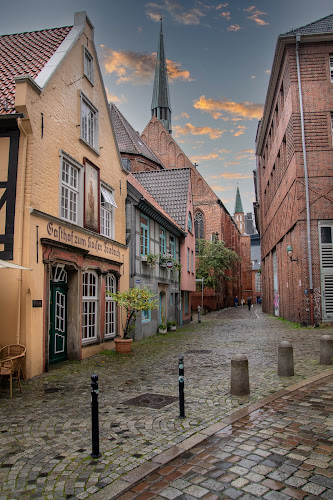
The Schnoor represents Bremen's oldest quarter and arguably its most enchanting district, where medieval architecture meets modern-day charm in a maze of narrow lanes barely wide enough for two people to pass shoulder-to-shoulder. This historic neighborhood dates back to the 13th century, and honestly, walking through it feels like stepping directly into a fairytale illustration your grandmother might have kept tucked in an old book. The name Schnoor comes from the Low German word for "string" or "cord," which makes perfect sense once you've wandered these winding alleyways that twist and turn like tangled ribbons. Originally home to fishermen and craftspeople, the quarter nearly fell victim to demolition in the 1950s, but thankfully preservationists recognized its irreplaceable value. Today, these tiny half-timbered houses from the 15th through 18th centuries stand as testament to what happens when a community decides its history matters more than modern convenience. I've always believed that the best neighborhoods are ones where you can get pleasantly lost, and the Schnoor delivers on that promise. The buildings lean toward each other at angles that would probably give modern engineers nightmares, painted in soft yellows, pinks, and creams that photograph beautifully regardless of the lighting. Between these ancient structures, you'll discover art galleries, quirky boutiques, cozy cafes, and restaurants that range from traditional German fare to international cuisine. What strikes most visitors immediately is the scale – everything here is miniature, intimate, almost doll-house-like. The narrowest alley, Kolpinstrasse, measures just over one meter wide. You can literally touch both walls simultaneously if you spread your arms. And yet despite its compact size, the Schnoor packs an incredible amount of personality into its roughly one hectare of space.Key Features
- Historic houses dating from the 15th to 18th centuries, many featuring traditional half-timbered construction that's become increasingly rare in German cities
- Böttcherstrasse nearby, though technically not part of the Schnoor proper, extends the historical atmosphere with its 1920s expressionist architecture
- St. Johann Church, a Gothic structure from 1380 that serves as the quarter's spiritual anchor and offers occasional concerts in its intimate interior
- Independent shops selling everything from handmade jewelry to vintage books, maritime antiques, and local artisan crafts that you won't find in typical tourist districts
- The Schnoor Theater, Bremen's smallest playhouse, presenting cabaret and intimate performances in a space that seats fewer than 100 people
- Numerous cafes with outdoor seating that spills into the narrow lanes, creating a Continental atmosphere especially lovely during warmer months
- The Hochzeitshaus (Wedding House), a particularly photogenic pink building that's become an Instagram favorite, though locals remember when it was just another neighborhood fixture
- Gallery spaces showcasing regional artists, with rotating exhibitions that give the quarter a living, breathing cultural scene rather than just serving as a historical museum piece
- Traditional restaurants serving Bremer specialties like Knipp (a local sausage), Labskaus (a sailor's dish that's definitely an acquired taste), and fresh North Sea fish
- Bronze sculptures and small fountains tucked into unexpected corners, rewarding those who take time to explore rather than rushing through on a quick photo tour
Best Time to Visit
The Schnoor transforms with the seasons, and there's no objectively wrong time to visit, though each period offers distinct advantages depending on what you're after. Spring, particularly April through May, brings the quarter to life after winter's quieter months. The weather cooperates enough for comfortable wandering, and the tourist crowds haven't yet reached their summer peak. Cafe owners begin setting tables outside, flower boxes bloom on windowsills, and there's an optimistic energy in the air. Plus, you'll actually be able to photograph those narrow lanes without a dozen other tourists inadvertently photo-bombing your shots. Summer months from June through August draw the largest crowds for obvious reasons – school holidays, warmer weather, and longer daylight hours that extend your exploration time. The downside? Those narrow lanes can feel genuinely congested, especially on weekends. But if you don't mind company, summer evenings in the Schnoor possess a special magic when golden hour light hits those pastel facades and outdoor diners create a convivial atmosphere that's hard to resist. Autumn presents my personal favorite window for visiting. September and October offer mild temperatures, fewer tour groups, and that gorgeous slanted light that photographers dream about. The transition toward colder weather means cafes and restaurants aren't yet packed, and you can actually snag a table without waiting. There's something about the Schnoor in autumn that amplifies its medieval character – maybe it's the shorter days or the way mist sometimes settles in those narrow passages. Winter, particularly during the Christmas season, transforms the quarter into something approaching magical realism. The Schnoor hosts its own intimate Christmas market that's refreshingly different from the massive commercial ones dominating other German cities. Twinkling lights, the scent of Glühwein and roasted almonds, carolers in the church – it's almost aggressively charming. Just bundle up because those narrow lanes create wind tunnels that'll cut right through inadequate jackets. Weekday mornings year-round offer the most authentic experience regardless of season. Most day-trippers haven't arrived yet, shop owners are just opening up, and you'll see the neighborhood functioning as an actual community rather than just a tourist attraction.How to Get There
The Schnoor sits right in Bremen's city center, making it remarkably accessible regardless of your arrival method. From Bremen's central train station (Hauptbahnhof), you're looking at roughly a 15-minute walk through the city center, which gives you a nice introduction to Bremen's overall character before diving into the medieval quarter. If walking doesn't appeal, Bremen's tram system provides efficient transport. Lines 2, 3, and 4 all stop at Domsheide, which places you literally steps from the Schnoor's entrance. The tram system runs frequently, operates late, and remains refreshingly affordable compared to other German cities. A single ticket costs around €2.90, though if you're planning multiple trips, day passes make economic sense. For those arriving by car – and I'll be honest, driving in the Schnoor itself is impossible – several parking garages serve the area. The Mitte-Ost parking garage on Am Wall offers reasonable rates and sits close enough for easy walking access. But Bremen really shines as a cycling city, and if you're comfortable on two wheels, bike rentals are plentiful. The flat terrain and dedicated bike lanes make this genuinely pleasant, and you'll find bike parking near the Schnoor's entrances. International visitors typically fly into Bremen Airport, which despite being relatively small, connects well to the city center via Tram 6. The journey takes roughly 12 minutes to the Hauptbahnhof, from where you can walk or catch another tram to the Schnoor. The beauty of the Schnoor's central location means it integrates easily into broader city exploration. The market square with Bremen's famous Town Musicians statue sits just minutes away, as does the impressive Marktplatz and UNESCO-listed Town Hall.Tips for Visiting
Wear comfortable, broken-in walking shoes – this cannot be overstated. The Schnoor's lanes feature cobblestones that are centuries old and absolutely unforgiving to inappropriate footwear. Those Instagram-worthy heels or brand-new sneakers will turn your romantic stroll into a foot-pain ordeal within 20 minutes. Visit early if you want photographs without crowds. Serious photographers should arrive before 9am when light is beautiful and the lanes are essentially empty. Yes, some shops won't be open yet, but you can always circle back later for actual shopping. Don't rush through on a quick photo tour. The Schnoor rewards slow exploration – peek down every tiny side passage, check out courtyard entrances, read the historical plaques mounted on various buildings. Many visitors spend 30 minutes here and miss about 80% of what makes the quarter special. Bring cash. While larger establishments accept cards, many smaller shops and cafes remain cash-only operations. ATMs exist nearby, but you'll save yourself hassle by having euros in your wallet before arriving. Try the local food rather than defaulting to familiar international chains (which thankfully remain rare here anyway). Even if Bremer specialties sound weird or slightly unappetizing, experiencing regional cuisine is part of authentic travel. And honestly, the fresh fish dishes here are consistently excellent. If traveling with mobility challenges, be aware that the Schnoor's cobblestones and general lack of accessibility modifications make navigation difficult. The neighborhood dates from an era before wheelchair access was considered, and preserving its historical character means modern accessibility features are limited. Sunday shopping is restricted in Germany, so plan accordingly. Many shops close on Sundays, though restaurants and cafes typically remain open. Saturdays see increased crowds but full shop availability. Consider booking ahead for restaurant dining, especially on weekends or during summer months. The most appealing spots fill up quickly, and wandering around looking for available tables can waste time and create unnecessary frustration. Look up occasionally. Many of the Schnoor's most interesting architectural details – carved beams, decorative gables, sculptural elements – sit above eye level where most tourists never notice them. If you speak any German at all, use it. Shop owners and restaurant staff in the Schnoor generally appreciate even clumsy attempts at their language, and you'll often receive warmer service than tourists who immediately default to English. The quarter is free to explore, making it perfect for budget travelers. You don't need to spend money to enjoy the Schnoor's essential character, though supporting local businesses keeps the neighborhood economically viable. Finally, respect that people actually live here. The Schnoor isn't a theme park – it's a functioning residential neighborhood that happens to be historically significant and touristy. Keep noise reasonable, don't peer into private windows, and remember that your vacation is someone else's everyday life.Key Features
- Historic houses dating from the 15th to 18th centuries, many featuring traditional half-timbered construction that's become increasingly rare in German cities
- Böttcherstrasse nearby, though technically not part of the Schnoor proper, extends the historical atmosphere with its 1920s expressionist architecture
- St. Johann Church, a Gothic structure from 1380 that serves as the quarter's spiritual anchor and offers occasional concerts in its intimate interior
- Independent shops selling everything from handmade jewelry to vintage books, maritime antiques, and local artisan crafts that you won't find in typical tourist districts
- The Schnoor Theater, Bremen's smallest playhouse, presenting cabaret and intimate performances in a space that seats fewer than 100 people
- Numerous cafes with outdoor seating that spills into the narrow lanes, creating a Continental atmosphere especially lovely during warmer months
- The Hochzeitshaus (Wedding House), a particularly photogenic pink building that's become an Instagram favorite, though locals remember when it was just another neighborhood fixture
- Gallery spaces showcasing regional artists, with rotating exhibitions that give the quarter a living, breathing cultural scene rather than just serving as a historical museum piece
More Details
Updated March 30, 2026
Table of Contents
Description
The Schnoor represents Bremen’s oldest quarter and arguably its most enchanting district, where medieval architecture meets modern-day charm in a maze of narrow lanes barely wide enough for two people to pass shoulder-to-shoulder. This historic neighborhood dates back to the 13th century, and honestly, walking through it feels like stepping directly into a fairytale illustration your grandmother might have kept tucked in an old book.
The name Schnoor comes from the Low German word for “string” or “cord,” which makes perfect sense once you’ve wandered these winding alleyways that twist and turn like tangled ribbons. Originally home to fishermen and craftspeople, the quarter nearly fell victim to demolition in the 1950s, but thankfully preservationists recognized its irreplaceable value. Today, these tiny half-timbered houses from the 15th through 18th centuries stand as testament to what happens when a community decides its history matters more than modern convenience.
I’ve always believed that the best neighborhoods are ones where you can get pleasantly lost, and the Schnoor delivers on that promise. The buildings lean toward each other at angles that would probably give modern engineers nightmares, painted in soft yellows, pinks, and creams that photograph beautifully regardless of the lighting. Between these ancient structures, you’ll discover art galleries, quirky boutiques, cozy cafes, and restaurants that range from traditional German fare to international cuisine.
What strikes most visitors immediately is the scale – everything here is miniature, intimate, almost doll-house-like. The narrowest alley, Kolpinstrasse, measures just over one meter wide. You can literally touch both walls simultaneously if you spread your arms. And yet despite its compact size, the Schnoor packs an incredible amount of personality into its roughly one hectare of space.
Key Features
- Historic houses dating from the 15th to 18th centuries, many featuring traditional half-timbered construction that’s become increasingly rare in German cities
- Böttcherstrasse nearby, though technically not part of the Schnoor proper, extends the historical atmosphere with its 1920s expressionist architecture
- St. Johann Church, a Gothic structure from 1380 that serves as the quarter’s spiritual anchor and offers occasional concerts in its intimate interior
- Independent shops selling everything from handmade jewelry to vintage books, maritime antiques, and local artisan crafts that you won’t find in typical tourist districts
- The Schnoor Theater, Bremen’s smallest playhouse, presenting cabaret and intimate performances in a space that seats fewer than 100 people
- Numerous cafes with outdoor seating that spills into the narrow lanes, creating a Continental atmosphere especially lovely during warmer months
- The Hochzeitshaus (Wedding House), a particularly photogenic pink building that’s become an Instagram favorite, though locals remember when it was just another neighborhood fixture
- Gallery spaces showcasing regional artists, with rotating exhibitions that give the quarter a living, breathing cultural scene rather than just serving as a historical museum piece
- Traditional restaurants serving Bremer specialties like Knipp (a local sausage), Labskaus (a sailor’s dish that’s definitely an acquired taste), and fresh North Sea fish
- Bronze sculptures and small fountains tucked into unexpected corners, rewarding those who take time to explore rather than rushing through on a quick photo tour
Best Time to Visit
The Schnoor transforms with the seasons, and there’s no objectively wrong time to visit, though each period offers distinct advantages depending on what you’re after.
Spring, particularly April through May, brings the quarter to life after winter’s quieter months. The weather cooperates enough for comfortable wandering, and the tourist crowds haven’t yet reached their summer peak. Cafe owners begin setting tables outside, flower boxes bloom on windowsills, and there’s an optimistic energy in the air. Plus, you’ll actually be able to photograph those narrow lanes without a dozen other tourists inadvertently photo-bombing your shots.
Summer months from June through August draw the largest crowds for obvious reasons – school holidays, warmer weather, and longer daylight hours that extend your exploration time. The downside? Those narrow lanes can feel genuinely congested, especially on weekends. But if you don’t mind company, summer evenings in the Schnoor possess a special magic when golden hour light hits those pastel facades and outdoor diners create a convivial atmosphere that’s hard to resist.
Autumn presents my personal favorite window for visiting. September and October offer mild temperatures, fewer tour groups, and that gorgeous slanted light that photographers dream about. The transition toward colder weather means cafes and restaurants aren’t yet packed, and you can actually snag a table without waiting. There’s something about the Schnoor in autumn that amplifies its medieval character – maybe it’s the shorter days or the way mist sometimes settles in those narrow passages.
Winter, particularly during the Christmas season, transforms the quarter into something approaching magical realism. The Schnoor hosts its own intimate Christmas market that’s refreshingly different from the massive commercial ones dominating other German cities. Twinkling lights, the scent of Glühwein and roasted almonds, carolers in the church – it’s almost aggressively charming. Just bundle up because those narrow lanes create wind tunnels that’ll cut right through inadequate jackets.
Weekday mornings year-round offer the most authentic experience regardless of season. Most day-trippers haven’t arrived yet, shop owners are just opening up, and you’ll see the neighborhood functioning as an actual community rather than just a tourist attraction.
How to Get There
The Schnoor sits right in Bremen’s city center, making it remarkably accessible regardless of your arrival method. From Bremen’s central train station (Hauptbahnhof), you’re looking at roughly a 15-minute walk through the city center, which gives you a nice introduction to Bremen’s overall character before diving into the medieval quarter.
If walking doesn’t appeal, Bremen’s tram system provides efficient transport. Lines 2, 3, and 4 all stop at Domsheide, which places you literally steps from the Schnoor’s entrance. The tram system runs frequently, operates late, and remains refreshingly affordable compared to other German cities. A single ticket costs around €2.90, though if you’re planning multiple trips, day passes make economic sense.
For those arriving by car – and I’ll be honest, driving in the Schnoor itself is impossible – several parking garages serve the area. The Mitte-Ost parking garage on Am Wall offers reasonable rates and sits close enough for easy walking access. But Bremen really shines as a cycling city, and if you’re comfortable on two wheels, bike rentals are plentiful. The flat terrain and dedicated bike lanes make this genuinely pleasant, and you’ll find bike parking near the Schnoor’s entrances.
International visitors typically fly into Bremen Airport, which despite being relatively small, connects well to the city center via Tram 6. The journey takes roughly 12 minutes to the Hauptbahnhof, from where you can walk or catch another tram to the Schnoor.
The beauty of the Schnoor’s central location means it integrates easily into broader city exploration. The market square with Bremen’s famous Town Musicians statue sits just minutes away, as does the impressive Marktplatz and UNESCO-listed Town Hall.
Tips for Visiting
Wear comfortable, broken-in walking shoes – this cannot be overstated. The Schnoor’s lanes feature cobblestones that are centuries old and absolutely unforgiving to inappropriate footwear. Those Instagram-worthy heels or brand-new sneakers will turn your romantic stroll into a foot-pain ordeal within 20 minutes.
Visit early if you want photographs without crowds. Serious photographers should arrive before 9am when light is beautiful and the lanes are essentially empty. Yes, some shops won’t be open yet, but you can always circle back later for actual shopping.
Don’t rush through on a quick photo tour. The Schnoor rewards slow exploration – peek down every tiny side passage, check out courtyard entrances, read the historical plaques mounted on various buildings. Many visitors spend 30 minutes here and miss about 80% of what makes the quarter special.
Bring cash. While larger establishments accept cards, many smaller shops and cafes remain cash-only operations. ATMs exist nearby, but you’ll save yourself hassle by having euros in your wallet before arriving.
Try the local food rather than defaulting to familiar international chains (which thankfully remain rare here anyway). Even if Bremer specialties sound weird or slightly unappetizing, experiencing regional cuisine is part of authentic travel. And honestly, the fresh fish dishes here are consistently excellent.
If traveling with mobility challenges, be aware that the Schnoor’s cobblestones and general lack of accessibility modifications make navigation difficult. The neighborhood dates from an era before wheelchair access was considered, and preserving its historical character means modern accessibility features are limited.
Sunday shopping is restricted in Germany, so plan accordingly. Many shops close on Sundays, though restaurants and cafes typically remain open. Saturdays see increased crowds but full shop availability.
Consider booking ahead for restaurant dining, especially on weekends or during summer months. The most appealing spots fill up quickly, and wandering around looking for available tables can waste time and create unnecessary frustration.
Look up occasionally. Many of the Schnoor’s most interesting architectural details – carved beams, decorative gables, sculptural elements – sit above eye level where most tourists never notice them.
If you speak any German at all, use it. Shop owners and restaurant staff in the Schnoor generally appreciate even clumsy attempts at their language, and you’ll often receive warmer service than tourists who immediately default to English.
The quarter is free to explore, making it perfect for budget travelers. You don’t need to spend money to enjoy the Schnoor’s essential character, though supporting local businesses keeps the neighborhood economically viable.
Finally, respect that people actually live here. The Schnoor isn’t a theme park – it’s a functioning residential neighborhood that happens to be historically significant and touristy. Keep noise reasonable, don’t peer into private windows, and remember that your vacation is someone else’s everyday life.
Key Highlights
- Historic houses dating from the 15th to 18th centuries, many featuring traditional half-timbered construction that's become increasingly rare in German cities
- Böttcherstrasse nearby, though technically not part of the Schnoor proper, extends the historical atmosphere with its 1920s expressionist architecture
- St. Johann Church, a Gothic structure from 1380 that serves as the quarter's spiritual anchor and offers occasional concerts in its intimate interior
- Independent shops selling everything from handmade jewelry to vintage books, maritime antiques, and local artisan crafts that you won't find in typical tourist districts
- The Schnoor Theater, Bremen's smallest playhouse, presenting cabaret and intimate performances in a space that seats fewer than 100 people
- Numerous cafes with outdoor seating that spills into the narrow lanes, creating a Continental atmosphere especially lovely during warmer months
- The Hochzeitshaus (Wedding House), a particularly photogenic pink building that's become an Instagram favorite, though locals remember when it was just another neighborhood fixture
- Gallery spaces showcasing regional artists, with rotating exhibitions that give the quarter a living, breathing cultural scene rather than just serving as a historical museum piece
Location
Places to Stay Near Schnoor
Find and Book a Tour
Explore More Travel Guides
No reviews found! Be the first to review!
Schnoor is a prominent Attractions located in Bremen.
Visit us at: Schnoor, 28195 Bremen, Germany.
Traveler Reviews for Schnoor
There are no reviews yet. Be the first one to write one.
Have you visited Schnoor? Help other travelers by sharing your review.
You Might Also Like

Bremen Market Square

Glockenspiel House

Bremer Geschichtenhaus | bras e.V.
Find Accommodations Nearby
Recommended Tours & Activities
Visitor Reviews
There are no reviews yet. Be the first one to write one.
Share Your Experience
Have you visited Schnoor? Help other travelers by leaving a review.