

St. Petri Dom Bremen
About St. Petri Dom Bremen
Standing tall in Bremen’s historic market square, St. Petri Dom Bremen commands attention with its twin Gothic towers piercing the skyline. This architectural marvel has watched over the city since the 11th century, though what visitors see today is largely the result of ambitious 19th-century restoration work that brought the cathedral back to its medieval glory. The structure serves as both an active place of worship and one of northern Germany’s most significant cultural landmarks, drawing visitors who come for the architecture, the history, and those absolutely stunning views from the towers.
I’ll admit, when I first approached this cathedral, I wasn’t expecting to be quite so impressed. There’s something about the way it dominates the Marktplatz without feeling oppressive—it’s grand but not intimidating, if that makes sense. The Dom has this presence that makes you want to explore every corner, from the crypts below ground to the observation platforms high above the city streets.
The building represents over a thousand years of Bremen’s history, having survived wars, fires, and the general wear that comes with nearly a millennium of existence. What makes St. Petri Dom particularly fascinating is how it bridges different eras—you’ve got Romanesque elements mixed with Gothic flourishes, all tied together by that 1800s reconstruction. It’s like reading a history book written in stone and stained glass.
Key Features
The cathedral offers travelers a rich tapestry of architectural and historical elements worth exploring:
- Twin Gothic towers reaching approximately 98 meters high, offering panoramic views across Bremen’s old town and beyond
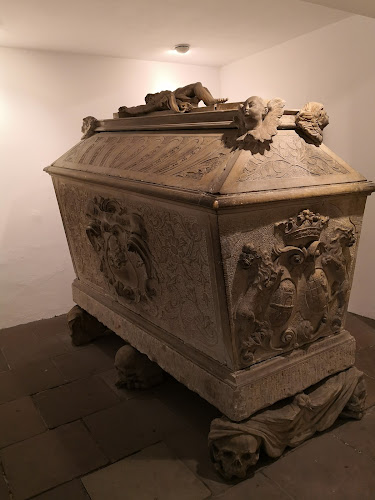
- The medieval crypt housing the lead cellar (Bleikeller), where naturally mummified bodies have been preserved for centuries due to unique atmospheric conditions
- Impressive pipe organs including a baroque organ dating back to the 17th century, still used for regular concerts
- The Dom Museum containing religious artifacts, sculptures, and treasures spanning centuries of ecclesiastical history
- Romanesque east crypt with its distinctive architecture dating to the cathedral’s earliest construction phases
- Ornate bronze doors featuring biblical scenes, showcasing medieval craftsmanship at its finest
- Beautiful stained glass windows, many of which were painstakingly restored or recreated after World War II damage
- The cathedral’s unique status as both an Evangelical Lutheran church and a significant Catholic heritage site, reflecting Bremen’s complex religious history
- Stone carvings and sculptures throughout the interior that have survived centuries of political and religious upheaval
- Wheelchair accessible entrance ensuring visitors of all mobility levels can experience the main cathedral space
Best Time to Visit
Timing your visit to St. Petri Dom Bremen can really make or break your experience, and I’ve got some thoughts on this based on what works for different types of travelers.
The cathedral welcomes visitors year-round, but each season brings its own character to the experience. Summer months from June through August see the heaviest tourist traffic, which means you’ll be sharing those narrow tower staircases with quite a few other people. But here’s the thing—summer also offers the longest daylight hours for climbing the towers, and the views on a clear July evening are genuinely spectacular. You can see all the way to the Weser River and watch the city lights begin to twinkle as dusk approaches.
Spring, particularly April and May, might actually be the sweet spot for many visitors. The weather’s warming up, the tourist crowds haven’t reached their peak yet, and the cathedral often hosts special Easter services and concerts that add an extra dimension to your visit. Plus, Bremen in spring is just lovely—the market square comes alive after winter, and you’ll find the whole experience more relaxed.
Winter brings the famous Bremen Christmas market right to the cathedral’s doorstep, transforming the entire area into something quite magical. If you’re visiting in December, the Dom becomes part of a larger festive experience. The downside? It gets cold up in those towers, and I mean really cold. Bundle up if you’re planning to climb.
For those interested in the musical side of the cathedral, try to align your visit with one of the organ concerts, typically held on Saturdays. The acoustics inside this space are phenomenal, and hearing that baroque organ in full voice gives you goosebumps. Check the schedule ahead of time—these concerts can fill up quickly.
Weekday mornings, particularly Tuesday through Thursday between 10 AM and noon, tend to be the quietest times. You’ll have more space to appreciate the details without feeling rushed by crowds behind you.
How to Get There
Getting to St. Petri Dom Bremen is refreshingly straightforward, which is always a relief when you’re traveling. The cathedral sits right in the heart of Bremen’s Altstadt (old town), making it accessible by pretty much every form of transportation you could want.
If you’re arriving by train at Bremen Hauptbahnhof, you’ve got about a 15-minute walk ahead of you—totally doable and actually quite pleasant because you’ll pass through some charming streets on the way. Just head northwest toward the city center, and the cathedral towers will guide you in. Can’t miss them, really.
The tram system offers an even easier option. Lines 2, 3, and several others stop at Am Wall or Domsheide, both just a few minutes walk from the cathedral. Bremen’s public transport is efficient and visitor-friendly, with tickets available at machines at every stop. A short-trip ticket will get you there from the train station for just a few euros.
For those driving into Bremen, I’d honestly recommend parking on the outskirts and using public transport into the center. The old town has limited vehicle access, and parking near the cathedral is scarce and expensive. There are park-and-ride facilities on the city’s edges that make much more sense for visitors.
Bremen Airport is about 3.5 kilometers from the city center, and the tram connection (line 6) brings you straight into town in roughly 15 minutes. It’s one of the easier airport-to-city-center connections I’ve encountered in Germany.
If you’re staying anywhere in Bremen’s central area, honestly, just walk. The city center is compact and pedestrian-friendly, and you’ll probably stumble across the cathedral during your wanderings anyway. That’s part of Bremen’s charm—major landmarks don’t hide themselves away.
Tips for Visiting
Let me share some practical advice that’ll help you make the most of your time at St. Petri Dom Bremen, stuff I wish someone had told me before my first visit.
First up—climbing those towers. This isn’t an elevator situation; you’re looking at several hundred steps up narrow spiral staircases. It’s manageable for most people with reasonable fitness, but take your time and don’t feel embarrassed about stopping to catch your breath. And honestly? Those pauses give you an excuse to look at the tower architecture up close. Just maybe skip the tower climb if you’ve got serious knee problems or severe claustrophobia. The stairways are tight.
Dress appropriately, both for the climb and for visiting an active place of worship. While St. Petri Dom isn’t as strict as some southern European churches, showing basic respect with your clothing choices is appreciated. Also, layers are your friend—the cathedral interior stays cool even in summer, but you’ll warm up quickly on that tower climb.
The Dom Museum requires a separate ticket from the main cathedral entrance, but it’s worth the modest fee if you’re into religious art and history. They’ve got some genuinely rare pieces that don’t get the attention they deserve. Budget at least 30 minutes if you want to properly appreciate it.
Photography is generally allowed, but skip the flash and be mindful during services. The stained glass windows photograph beautifully in natural light anyway—flash just washes them out.
Speaking of services, the cathedral remains an active church. Check the schedule if you want to avoid visiting during worship times, or alternatively, attending a service can be a meaningful way to experience the space as it’s actually intended to be used. The acoustics during hymns are something else.
The lead cellar with its mummies is… well, it’s not for everyone. If you’re squeamish about that sort of thing, maybe skip it. But if you’re curious about this unusual historical phenomenon, it’s genuinely unique. You won’t find many other places where atmospheric conditions accidentally created natural mummification.
Wheelchair users can access the main cathedral floor through the designated entrance, but be aware that the towers, crypt, and some other areas aren’t accessible. It’s worth calling ahead if you have specific accessibility questions—the staff are helpful about explaining what’s possible.
Allow at least an hour for a basic visit, longer if you’re climbing the towers or visiting the museum. Rushing through defeats the purpose. This is a place to slow down and really look at things.
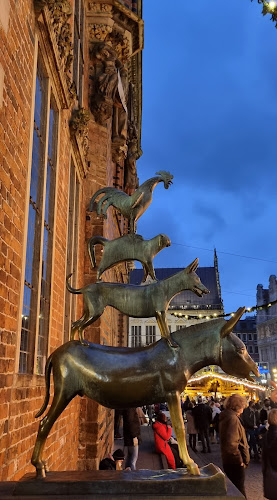
Finally, combine your cathedral visit with exploring the surrounding Marktplatz area. The Roland statue, the town hall, and the famous Bremen Town Musicians statue are all within a couple minutes’ walk. The whole area works together as a historical ensemble, and you’ll get more out of each individual site by understanding how they relate to each other in Bremen’s story.
One last thing—the gift shop actually has some decent books about the cathedral’s history in English, which you don’t always find at German landmarks. If you’re the type who likes to dive deeper after visiting somewhere, grab one on your way out.
Key Features
- Twin towers with panoramic city views (tower climbs available)
- Medieval crypt and the Bleikeller (lead cellar) with historic burials
- Rich assemblage of Gothic and Romanesque architectural elements
- Historic pulpit, tombs and church art spanning centuries
- Central location on Bremen’s market square near the town hall
Nearby Attractions
Bremen Town Hall (Rathaus)
Roland Statue (UNESCO-listed landmark)
Schütting and the Market Square
You Might Also Like
"Spuckstein" am Bremer Dom
28195 Bremen
Bleikeller
Tours & Activities
GetYourGuide provides this tour inventory. We may earn a commission if you book through it; verify current availability, prices, and terms with the provider.
Visitor Reviews
There are no reviews yet. Be the first one to write one.
Share Your Experience
Have you visited St. Petri Dom Bremen? Help other travelers by leaving a review.