

Wallanlagen
About Wallanlagen
Description
The Wallanlagen represents one of those fascinating urban transformations that you don't really appreciate until you understand its history. Back in the 18th century, this area served as Frankfurt's defensive fortifications—thick walls and ramparts designed to keep invaders out. But as cities evolved and warfare changed, these military structures became obsolete. Instead of tearing everything down completely, city planners did something rather brilliant: they converted these old fortifications into a green belt that now wraps around Frankfurt's city center like a peaceful embrace. Walking through the Wallanlagen today, you'd hardly guess you're strolling along what used to be the city's primary defense system. The park stretches for roughly 5 kilometers in a horseshoe shape, following the path of those ancient walls. And honestly, it's become one of Frankfurt's most cherished public spaces—a place where locals come to decompress after work, where families spend lazy Sunday afternoons, and where tourists discover a quieter, more contemplative side of this bustling financial hub. The moat still runs through sections of the park, though instead of serving any defensive purpose, it's now home to ducks, swans, and the occasional heron. You'll find sculptures scattered throughout the grounds—some classical, some modern—that add an artistic dimension to your wandering. These aren't just random decorations either; many commemorate important figures in Frankfurt's history or represent significant cultural moments. What strikes most visitors is how the Wallanlagen manages to feel both manicured and wild at the same time. There are formal gardens with carefully tended flower beds, but there are also sections where nature seems to do its own thing, with tall grasses and wildflowers creating a more natural atmosphere. This mix gives the park character—it doesn't feel like some sterile urban planning project but rather like a space that's evolved organically over centuries.Key Features
The Wallanlagen offers visitors a surprisingly diverse range of features for what might initially seem like just another city park: • Historical Fortifications – Remnants of the original 18th-century defensive walls are still visible in certain sections, giving history enthusiasts something tangible to explore • Sculpture Collection – Dozens of statues and art installations dot the landscape, ranging from classical figures to contemporary pieces • The Moat System – Original defensive waterways now serve as peaceful water features where waterfowl congregate and where you can actually understand the park's military origins • Multiple Playgrounds – Several well-equipped play areas make this genuinely family-friendly territory rather than just claiming to be • Dedicated Cycling Lanes – Separate paths for cyclists mean pedestrians aren't constantly dodging bikes, and cyclists can actually move at a decent pace • Hiking Trails – The entire ring can be walked as one continuous trail, or you can explore various branching paths that lead to different neighborhoods • Picnic Areas – Designated spots with tables and benches, plus plenty of open lawn space where you can throw down a blanket • Wheelchair Accessibility – Properly paved paths and accessible entrances make most of the park navigable for visitors with mobility challenges • Dog-Friendly Zones – Your four-legged travel companions are welcome throughout most of the park, though leash rules apply in certain sections • Botanical Variety – Mature trees including oaks, chestnuts, and lindens create shaded canopies, while seasonal flowers provide color throughout warmer monthsBest Time to Visit
Here's the thing about the Wallanlagen—it's genuinely pleasant year-round, but your experience will vary dramatically depending on when you go. Spring, particularly from late April through May, might be my personal favorite time. The trees burst into leaf, flowers start blooming in the formal gardens, and there's this sense of renewal that feels almost palpable. Temperatures hover in that comfortable range where you can walk for hours without overheating. The local families start reappearing after winter, and there's an energy to the place that's infectious. Plus, the baby ducks in the moat are ridiculously photogenic if you're into that sort of thing. Summer brings the crowds. July and August see the Wallanlagen at its busiest, with picnickers claiming every available patch of shade and cyclists zipping along the dedicated lanes. Early mornings or late evenings are your best bet during these months—by 7 AM you can have substantial sections almost to yourself, and the golden hour lighting around 8 PM creates some genuinely beautiful scenes. Just be prepared: Frankfurt summers can get surprisingly hot, sometimes pushing into the low 30s Celsius. Autumn transforms the park into something almost magical. September and October offer comfortable walking weather, and the leaf colors—especially those massive old chestnuts—put on quite a show. There's usually a crispness to the air that makes longer walks particularly appealing. I've found that autumn weekdays, especially around mid-morning, offer the perfect balance of pleasant weather and manageable crowds. Winter is the wildcard. The Wallanlagen doesn't exactly become a winter wonderland, but it has its own stark beauty when frost covers the grass and bare tree branches create intricate patterns against grey skies. If you're visiting Frankfurt in December or January anyway, a walk through the park can provide a peaceful counterpoint to the city's bustle. Just bundle up—the wind can cut through those open spaces pretty effectively. Weekday mornings generally offer the most serene experience regardless of season. By mid-afternoon, especially near the playgrounds and popular picnic spots, things get noticeably busier. Weekends see the park at maximum capacity, though even then it rarely feels truly overcrowded given the extensive space available.How to Get There
Getting to the Wallanlagen is refreshingly straightforward, which isn't something you can say about every Frankfurt attraction. Because the park essentially encircles the city center, you've got multiple entry points, and chances are you're already close to at least one of them if you're staying anywhere central. The U-Bahn and S-Bahn systems serve you well here. Several stations sit right along the park's perimeter. The Konstablerwache station puts you at the northeastern section, while Willy-Brandt-Platz gives access to the southern portions. Eschenheimer Tor station is another convenient option for the northern areas. Basically, if you're using public transit to explore Frankfurt anyway, you'll inevitably pass near or through the Wallanlagen at some point. Tram lines also run alongside various sections. Lines 11, 12, and 14 all have stops that provide easy access. Just check your map app for whichever section you're specifically aiming for—trying to describe every possible approach would take pages. For those staying in Frankfurt's city center, walking is often the most practical option. The park forms a green ring around the central district, so whether you're near the Hauptwache shopping area or the financial district, you're probably only a 10-15 minute walk from the nearest entry point. Cyclists will appreciate that Frankfurt's bike lane network connects directly with the Wallanlagen's internal cycling paths. If you've rented a bike to explore the city—and you should, Frankfurt is pretty bike-friendly—you can seamlessly enter the park from multiple points. Driving and parking near the Wallanlagen is possible but not particularly advisable. Street parking exists along the outer edges but fills up quickly, and parking garages in the area charge typical city-center rates. Given the excellent public transit connections, there's really no compelling reason to drive unless you have specific mobility needs.Tips for Visiting
After spending considerable time in the Wallanlagen across multiple visits, I've picked up a few practical insights that might make your experience smoother. Bring a proper picnic if you're planning to spend more than an hour. Yeah, there are plenty of cafes and restaurants in the surrounding neighborhoods, but part of the Wallanlagen's charm is sitting on the grass with some bread, cheese, and maybe a bottle of wine (perfectly legal in German parks, by the way). Local supermarkets near the park sell picnic supplies, and trust me, watching the sunset from a quiet spot with your own provisions beats restaurant-hopping. The park doesn't have abundant public restrooms. There are a few scattered facilities, but they're not as frequent as you might hope for a park this size. Plan accordingly, especially if you're traveling with kids. Coffee shops and restaurants in adjacent neighborhoods can serve as backup options. Don't try to see the entire Wallanlagen in one go unless you're training for a marathon. The full loop is roughly 5 kilometers, which doesn't sound like much until you've been walking for 90 minutes. Pick a section based on what's near your other planned activities or what features interest you most. The southern sections near the Main River connect nicely with walks along the waterfront, while the northern areas put you close to the Palmengarten botanical garden. Weather changes fast in Frankfurt. I've been caught in sudden rain showers more than once while wandering through the park. Bring a light rain jacket if there's any cloud cover, and check the forecast before committing to an extended afternoon there. Dogs are welcome, but keep them leashed in most areas. Germans generally take dog etiquette seriously, and park regulations do get enforced. Your pup can absolutely enjoy the Wallanlagen, just respect the rules. The sculptures scattered throughout deserve attention. Some visitors just walk past them without a second glance, but many have interesting backstories. Some commemorate Frankfurt citizens who resisted Nazi rule, others celebrate literary figures with connections to the city. Taking time to read the plaques adds depth to your visit. Cyclists move fast on the dedicated lanes, so don't wander into those paths absent-mindedly. The separation between pedestrian and cycling zones isn't always immediately obvious to first-time visitors, which leads to occasional near-misses and annoyed looks from locals on bikes. Photography enthusiasts should visit during the golden hours. The combination of mature trees, water features, and sculptures creates excellent compositional opportunities, particularly when the light hits right. Early morning mist over the moat sections can be especially atmospheric. If you're visiting with children, the playgrounds vary in quality and age-appropriateness. The equipment near the southern sections tends to be newer and better maintained, though all of them meet safety standards. Weekday mornings offer the best chance for kids to actually use the equipment without waiting in line. The Wallanlagen isn't really a destination in itself—it's more of a connective tissue that makes exploring Frankfurt more pleasant. Use it as a walking route between other attractions rather than blocking out hours specifically for "visiting the park." That's when it works best, when it becomes part of your natural flow through the city rather than a checked box on your itinerary.Key Features
- Historic rampart layout transformed into a linear urban park
- Windmill building housing a restaurant and viewpoint
- Mature trees and landscaped flowerbeds with strong seasonal display
- Ponds, streams and gentle earthworks offering varied scenery
- Easy pedestrian routes connecting to Bremen’s Old Town and train station
More Details
Updated March 30, 2026
Table of Contents
Description
The Wallanlagen represents one of those fascinating urban transformations that you don’t really appreciate until you understand its history. Back in the 18th century, this area served as Frankfurt’s defensive fortifications—thick walls and ramparts designed to keep invaders out. But as cities evolved and warfare changed, these military structures became obsolete. Instead of tearing everything down completely, city planners did something rather brilliant: they converted these old fortifications into a green belt that now wraps around Frankfurt’s city center like a peaceful embrace.
Walking through the Wallanlagen today, you’d hardly guess you’re strolling along what used to be the city’s primary defense system. The park stretches for roughly 5 kilometers in a horseshoe shape, following the path of those ancient walls. And honestly, it’s become one of Frankfurt’s most cherished public spaces—a place where locals come to decompress after work, where families spend lazy Sunday afternoons, and where tourists discover a quieter, more contemplative side of this bustling financial hub.
The moat still runs through sections of the park, though instead of serving any defensive purpose, it’s now home to ducks, swans, and the occasional heron. You’ll find sculptures scattered throughout the grounds—some classical, some modern—that add an artistic dimension to your wandering. These aren’t just random decorations either; many commemorate important figures in Frankfurt’s history or represent significant cultural moments.
What strikes most visitors is how the Wallanlagen manages to feel both manicured and wild at the same time. There are formal gardens with carefully tended flower beds, but there are also sections where nature seems to do its own thing, with tall grasses and wildflowers creating a more natural atmosphere. This mix gives the park character—it doesn’t feel like some sterile urban planning project but rather like a space that’s evolved organically over centuries.
Key Features
The Wallanlagen offers visitors a surprisingly diverse range of features for what might initially seem like just another city park:
• Historical Fortifications – Remnants of the original 18th-century defensive walls are still visible in certain sections, giving history enthusiasts something tangible to explore
• Sculpture Collection – Dozens of statues and art installations dot the landscape, ranging from classical figures to contemporary pieces
• The Moat System – Original defensive waterways now serve as peaceful water features where waterfowl congregate and where you can actually understand the park’s military origins
• Multiple Playgrounds – Several well-equipped play areas make this genuinely family-friendly territory rather than just claiming to be
• Dedicated Cycling Lanes – Separate paths for cyclists mean pedestrians aren’t constantly dodging bikes, and cyclists can actually move at a decent pace
• Hiking Trails – The entire ring can be walked as one continuous trail, or you can explore various branching paths that lead to different neighborhoods
• Picnic Areas – Designated spots with tables and benches, plus plenty of open lawn space where you can throw down a blanket
• Wheelchair Accessibility – Properly paved paths and accessible entrances make most of the park navigable for visitors with mobility challenges
• Dog-Friendly Zones – Your four-legged travel companions are welcome throughout most of the park, though leash rules apply in certain sections
• Botanical Variety – Mature trees including oaks, chestnuts, and lindens create shaded canopies, while seasonal flowers provide color throughout warmer months
Best Time to Visit
Here’s the thing about the Wallanlagen—it’s genuinely pleasant year-round, but your experience will vary dramatically depending on when you go.
Spring, particularly from late April through May, might be my personal favorite time. The trees burst into leaf, flowers start blooming in the formal gardens, and there’s this sense of renewal that feels almost palpable. Temperatures hover in that comfortable range where you can walk for hours without overheating. The local families start reappearing after winter, and there’s an energy to the place that’s infectious. Plus, the baby ducks in the moat are ridiculously photogenic if you’re into that sort of thing.
Summer brings the crowds. July and August see the Wallanlagen at its busiest, with picnickers claiming every available patch of shade and cyclists zipping along the dedicated lanes. Early mornings or late evenings are your best bet during these months—by 7 AM you can have substantial sections almost to yourself, and the golden hour lighting around 8 PM creates some genuinely beautiful scenes. Just be prepared: Frankfurt summers can get surprisingly hot, sometimes pushing into the low 30s Celsius.
Autumn transforms the park into something almost magical. September and October offer comfortable walking weather, and the leaf colors—especially those massive old chestnuts—put on quite a show. There’s usually a crispness to the air that makes longer walks particularly appealing. I’ve found that autumn weekdays, especially around mid-morning, offer the perfect balance of pleasant weather and manageable crowds.
Winter is the wildcard. The Wallanlagen doesn’t exactly become a winter wonderland, but it has its own stark beauty when frost covers the grass and bare tree branches create intricate patterns against grey skies. If you’re visiting Frankfurt in December or January anyway, a walk through the park can provide a peaceful counterpoint to the city’s bustle. Just bundle up—the wind can cut through those open spaces pretty effectively.
Weekday mornings generally offer the most serene experience regardless of season. By mid-afternoon, especially near the playgrounds and popular picnic spots, things get noticeably busier. Weekends see the park at maximum capacity, though even then it rarely feels truly overcrowded given the extensive space available.
How to Get There
Getting to the Wallanlagen is refreshingly straightforward, which isn’t something you can say about every Frankfurt attraction. Because the park essentially encircles the city center, you’ve got multiple entry points, and chances are you’re already close to at least one of them if you’re staying anywhere central.
The U-Bahn and S-Bahn systems serve you well here. Several stations sit right along the park’s perimeter. The Konstablerwache station puts you at the northeastern section, while Willy-Brandt-Platz gives access to the southern portions. Eschenheimer Tor station is another convenient option for the northern areas. Basically, if you’re using public transit to explore Frankfurt anyway, you’ll inevitably pass near or through the Wallanlagen at some point.
Tram lines also run alongside various sections. Lines 11, 12, and 14 all have stops that provide easy access. Just check your map app for whichever section you’re specifically aiming for—trying to describe every possible approach would take pages.
For those staying in Frankfurt’s city center, walking is often the most practical option. The park forms a green ring around the central district, so whether you’re near the Hauptwache shopping area or the financial district, you’re probably only a 10-15 minute walk from the nearest entry point.
Cyclists will appreciate that Frankfurt’s bike lane network connects directly with the Wallanlagen’s internal cycling paths. If you’ve rented a bike to explore the city—and you should, Frankfurt is pretty bike-friendly—you can seamlessly enter the park from multiple points.
Driving and parking near the Wallanlagen is possible but not particularly advisable. Street parking exists along the outer edges but fills up quickly, and parking garages in the area charge typical city-center rates. Given the excellent public transit connections, there’s really no compelling reason to drive unless you have specific mobility needs.
Tips for Visiting
After spending considerable time in the Wallanlagen across multiple visits, I’ve picked up a few practical insights that might make your experience smoother.
Bring a proper picnic if you’re planning to spend more than an hour. Yeah, there are plenty of cafes and restaurants in the surrounding neighborhoods, but part of the Wallanlagen’s charm is sitting on the grass with some bread, cheese, and maybe a bottle of wine (perfectly legal in German parks, by the way). Local supermarkets near the park sell picnic supplies, and trust me, watching the sunset from a quiet spot with your own provisions beats restaurant-hopping.
The park doesn’t have abundant public restrooms. There are a few scattered facilities, but they’re not as frequent as you might hope for a park this size. Plan accordingly, especially if you’re traveling with kids. Coffee shops and restaurants in adjacent neighborhoods can serve as backup options.
Don’t try to see the entire Wallanlagen in one go unless you’re training for a marathon. The full loop is roughly 5 kilometers, which doesn’t sound like much until you’ve been walking for 90 minutes. Pick a section based on what’s near your other planned activities or what features interest you most. The southern sections near the Main River connect nicely with walks along the waterfront, while the northern areas put you close to the Palmengarten botanical garden.
Weather changes fast in Frankfurt. I’ve been caught in sudden rain showers more than once while wandering through the park. Bring a light rain jacket if there’s any cloud cover, and check the forecast before committing to an extended afternoon there.
Dogs are welcome, but keep them leashed in most areas. Germans generally take dog etiquette seriously, and park regulations do get enforced. Your pup can absolutely enjoy the Wallanlagen, just respect the rules.
The sculptures scattered throughout deserve attention. Some visitors just walk past them without a second glance, but many have interesting backstories. Some commemorate Frankfurt citizens who resisted Nazi rule, others celebrate literary figures with connections to the city. Taking time to read the plaques adds depth to your visit.
Cyclists move fast on the dedicated lanes, so don’t wander into those paths absent-mindedly. The separation between pedestrian and cycling zones isn’t always immediately obvious to first-time visitors, which leads to occasional near-misses and annoyed looks from locals on bikes.
Photography enthusiasts should visit during the golden hours. The combination of mature trees, water features, and sculptures creates excellent compositional opportunities, particularly when the light hits right. Early morning mist over the moat sections can be especially atmospheric.
If you’re visiting with children, the playgrounds vary in quality and age-appropriateness. The equipment near the southern sections tends to be newer and better maintained, though all of them meet safety standards. Weekday mornings offer the best chance for kids to actually use the equipment without waiting in line.
The Wallanlagen isn’t really a destination in itself—it’s more of a connective tissue that makes exploring Frankfurt more pleasant. Use it as a walking route between other attractions rather than blocking out hours specifically for “visiting the park.” That’s when it works best, when it becomes part of your natural flow through the city rather than a checked box on your itinerary.
Key Highlights
- Historic rampart layout transformed into a linear urban park
- Windmill building housing a restaurant and viewpoint
- Mature trees and landscaped flowerbeds with strong seasonal display
- Ponds, streams and gentle earthworks offering varied scenery
- Easy pedestrian routes connecting to Bremen’s Old Town and train station
Location
Places to Stay Near Wallanlagen
Find and Book a Tour
Explore More Travel Guides
No reviews found! Be the first to review!
Wallanlagen is a prominent attractions located in Bremen.
Visit us at: 28195 Bremen, Allemagne.
Traveler Reviews for Wallanlagen
There are no reviews yet. Be the first one to write one.
Have you visited Wallanlagen? Help other travelers by sharing your review.
Nearby Attractions
You Might Also Like

Bleikeller
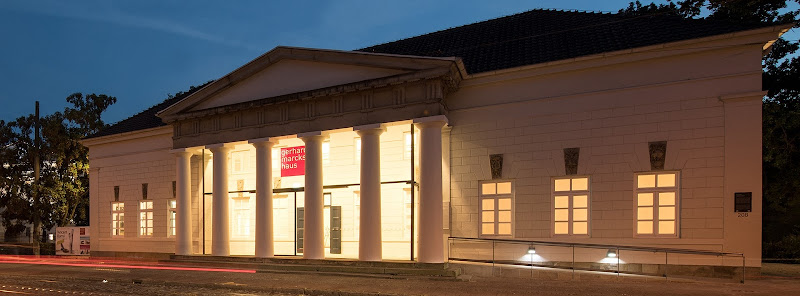
Gerhard Marcks House

Town Musicians of Bremen
Find Accommodations Nearby
Recommended Tours & Activities
Visitor Reviews
There are no reviews yet. Be the first one to write one.
Share Your Experience
Have you visited Wallanlagen? Help other travelers by leaving a review.