
Focke Museum
About Focke Museum
Description
The Focke Museum stands as one of Bremen's most treasured cultural institutions, and honestly, it's the kind of place that sneaks up on you in the best possible way. I've always believed that the best museums are those that don't just show you artifacts behind glass but actually transport you through time, and this museum complex does exactly that across its multiple buildings. The collection here is genuinely diverse – we're talking everything from archaeological finds dating back thousands of years to decorative arts, from maritime history to regional cultural heritage. It's not your typical stuffy museum either; there's something refreshingly authentic about how they've arranged everything across the sprawling grounds.
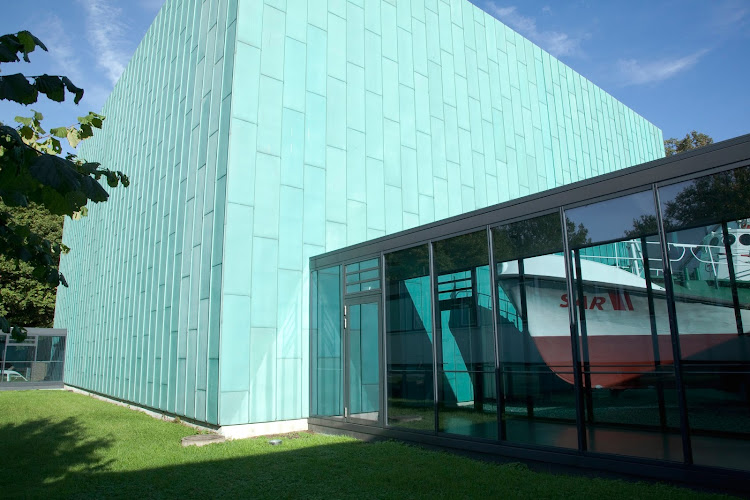
What really sets this place apart is how it manages to be both a serious cultural institution and an incredibly accessible space for regular folks just wanting to learn something new. The museum sits on generous grounds with multiple exhibition buildings, each with its own character and focus. You'll find yourself wandering between structures, which actually breaks up the experience nicely – no museum fatigue here when you get to step outside and catch your breath between collections. And let me tell you, the architecture itself tells a story, blending historical buildings with modern exhibition spaces in a way that somehow just works.
The museum's focus on Bremen and the surrounding region's history means you're getting insights you simply won't find anywhere else. Sure, you could visit a dozen generic museums across Germany, but there's only one place where you can dive deep into the specific cultural DNA of this corner of northern Germany. The exhibits cover an impressive timespan, from prehistoric settlements through medieval trade routes, the Hanseatic League's golden age, right up to modern industrial development. It's the kind of comprehensive approach that helps you understand not just what happened, but why this region developed the way it did.
Key Features
The Focke Museum delivers an impressive array of features that make it stand out among European cultural institutions:
• Multiple exhibition buildings spread across spacious parkland grounds, allowing visitors to explore different themes in distinct architectural settings while enjoying outdoor spaces between galleries
• Comprehensive archaeological collections showcasing the region's ancient past, including significant finds from Bronze Age settlements and Roman-era artifacts that reveal early human activity in northern Germany
• Extensive decorative arts galleries featuring furniture, ceramics, silver, and textiles that demonstrate the craftsmanship and aesthetic sensibilities of different historical periods
• Maritime history exhibits that explore Bremen's crucial role as a port city and member of the Hanseatic League, including ship models, navigation instruments, and trade goods
• Regular live performances and cultural events that bring historical contexts to life and create dynamic, changing reasons to visit beyond the permanent collections
• Family-oriented facilities including changing tables and kid-friendly exhibit designs that make cultural education accessible for visitors of all ages
• Full wheelchair accessibility throughout the complex, including parking, entrances, and restrooms, ensuring the museum welcomes everyone regardless of mobility needs
• On-site restaurant facilities where visitors can refuel during longer visits without having to leave the museum grounds
• Free parking lot that removes one of the common frustrations of museum visits in urban areas
• Electric vehicle charging stations with Type 2 connectors, demonstrating the museum's commitment to sustainable tourism
Best Time to Visit
Timing your visit to the Focke Museum can really make a difference in your experience, and I've learned over the years that there's no one-size-fits-all answer here. But let me share what I've observed and what tends to work for different types of travelers.
Weekday mornings, particularly Tuesday through Thursday, typically offer the most peaceful experience. You'll have space to actually contemplate the exhibits without someone breathing down your neck to move along. There's something special about having a gallery mostly to yourself – you can take your time, read every placard if that's your thing, or just sit and absorb the atmosphere. Schools often schedule field trips for late mornings and early afternoons, so if you're looking for quiet contemplation, getting there right when they open is your best bet.
Weather-wise, the museum makes for an excellent rainy day activity – obviously – but don't discount visiting on beautiful days either. The grounds between buildings are actually quite lovely, and wandering from one exhibition hall to another on a sunny spring or autumn day adds a pleasant dimension to the experience. Summer brings longer daylight hours and generally more comfortable walking conditions if you're combining your museum visit with other Bremen attractions.
The autumn and winter months, particularly November through February, see fewer tourist crowds overall in Bremen. This makes it an ideal time for travelers who prefer a more intimate museum experience. Plus, there's something cozy about spending a grey January afternoon immersed in historical exhibits. But spring has its own appeal – the grounds come alive with greenery, and the energy in the city picks up, which somehow makes the historical context feel more vibrant.
If you're interested in live performances or special exhibitions, you'll want to check their programming calendar before finalizing your travel dates. These events typically happen on weekends and can draw larger crowds, but they also offer unique experiences you won't get during standard visiting hours. The museum regularly hosts cultural events that connect historical themes with contemporary performances, and these can be absolutely worth planning around.
December can be tricky – many museums have reduced hours or closures around the holidays, though the festive season in Bremen is genuinely magical and might be worth the trade-off even if it limits your museum time.
How to Get There
Getting to the Focke Museum is refreshingly straightforward, which honestly isn't something you can say about every European museum location. Bremen itself is well-connected to Germany's excellent transportation network, and once you're in the city, reaching the museum doesn't require any particular navigation skills.
If you're arriving in Bremen by train – and many travelers do since Deutsche Bahn serves the city well from major hubs like Hamburg, Hanover, and beyond – you've got a solid starting point. From Bremen's main train station, you can catch public transportation that'll get you to the museum without much fuss. The city's tram and bus system is reliable and easy enough to figure out even if your German is limited to ordering beer and asking where the bathroom is.
For those driving, and this is where the museum really shines, there's free parking on-site. Let me emphasize this because if you've ever tried to visit a museum in a major European city, you know that parking can be an expensive nightmare. Not here. You can pull right up, park without feeding meters or worrying about time limits, and head straight in. They've even got EV charging stations if you're driving electric, which shows some forward thinking.
The museum's location in Bremen's Schwachhausen district puts it slightly outside the immediate city center, which actually works in your favor. You avoid the congestion of downtown while still being close enough that you're not embarking on some epic journey. The surrounding neighborhood is pleasant and residential, giving you a genuine feel for how locals live rather than just tourist-zone Bremen.
Cyclists will find Bremen generally bike-friendly, and pedaling to the museum is definitely doable if you're staying somewhere central and enjoy two-wheeled exploration. The city has decent bike infrastructure, and there's space to secure your bicycle at the museum.
Taxi or rideshare services work perfectly fine too, though with the free parking and decent public transport, most visitors find these unnecessary unless mobility is a concern.
Tips for Visiting
Let me share some practical wisdom that'll help you make the most of your Focke Museum experience, because there's nothing worse than finishing a museum visit and realizing you missed something great or could've planned things better.
First off, give yourself more time than you think you'll need. This isn't one of those museums you can properly see in an hour. The multiple buildings and diverse collections deserve at least three to four hours, and if you're really into history or particular exhibits catch your attention, you could easily spend most of a day here. Don't make the mistake of squeezing this between other activities – you'll end up rushed and frustrated.
Wear comfortable shoes. I know, everyone says this about every attraction, but I mean it here. You'll be walking between buildings, standing while viewing exhibits, and covering more ground than you might expect. Those fashionable-but-uncomfortable shoes you packed? Leave them at the hotel today.
The on-site restaurant is genuinely convenient for longer visits. Museum cafeteria food doesn't have the best reputation generally, but having the option to grab a meal or coffee without leaving means you can pace yourself better and not feel pressured to power through everything before hunger drives you out.
If you're visiting with kids, take advantage of those family-friendly features. The museum has put thought into making exhibits accessible for younger visitors, and there are changing tables available – something parents of small children will appreciate after schlepping through other less-prepared attractions. Let the kids set some of the pace; their fresh perspectives often notice things adults miss.
For photography enthusiasts, check the museum's policy before your visit. Many museums have restrictions, particularly around flash photography or certain exhibits. Better to know the rules beforehand than get scolded by a guard mid-visit.
Consider timing your visit around one of those live performances if your schedule allows. These events add a whole different dimension to the experience and help historical contexts come alive in ways static exhibits can't quite achieve.
Don't feel obligated to see absolutely everything. Museum fatigue is real, and there's no shame in being selective. Focus on collections or periods that genuinely interest you rather than grinding through every single exhibit out of some sense of completeness. You'll remember and appreciate what you saw much more if you're engaged rather than exhausted.
The wheelchair accessibility here is comprehensive, so visitors with mobility concerns can relax knowing the museum has genuinely thought this through. All the main features are accessible, not just technically accessible but genuinely easy to navigate.
Take advantage of those outdoor spaces between buildings. Museum visits can get mentally overwhelming with constant stimulation, and those moments walking between structures give your brain a chance to process what you've seen. Don't rush between buildings – let yourself breathe.
Finally, approach the museum with curiosity rather than obligation. The Focke Museum tells Bremen's story through objects and artifacts, and that story is genuinely interesting if you let yourself get drawn in. Ask yourself questions about what you're seeing, imagine the people who made or used these objects, and let the experience be about discovery rather than just checking something off your Bremen to-do list. That's when museums really come alive.
Key Features
- Historic Haus Riensberg with period domestic interiors
- Extensive collection of European glass and decorative arts
- Exhibitions on Bremen’s social, urban and maritime history
- Archaeology and Wissenswerkstatt (interactive learning/workshop)
- Park setting with café and accessible visitor facilities
Nearby Attractions
Tours & Activities
GetYourGuide provides this tour inventory. We may earn a commission if you book through it; verify current availability, prices, and terms with the provider.
Visitor Reviews
There are no reviews yet. Be the first one to write one.
Share Your Experience
Have you visited Focke Museum? Help other travelers by leaving a review.