

Semperoper Dresden
About Semperoper Dresden
Description
The Semperoper Dresden stands as one of Europe's most magnificent opera houses, and honestly, it's the kind of place that makes you understand why people get all dressed up for the theater. This isn't just another concert venue – it's a testament to resilience, artistry, and the sheer determination of a city that refused to let beauty die. Built originally in 1841 by architect Gottfried Semper, the building earned its reputation quickly as a premier destination for world-class performances. But here's where the story gets really interesting: after a devastating fire in 1869, Semper himself came back to rebuild his masterpiece, which tells you something about both the man and the building's significance. Walking up to the Semperoper for the first time, visitors find themselves facing a structure that somehow manages to be both imposing and inviting. The building sits along the Elbe River, and its Renaissance-Revival architecture features ornate sculptures, commanding columns, and a presence that demands attention without being gaudy about it. Inside, the auditorium gleams with gold leaf, rich red velvet, and ceiling frescoes that'll have you craning your neck before the curtain even rises. The acoustics here are genuinely exceptional – something about the horseshoe shape and careful design means that whether you're sitting in the front row or up in the galleries, the sound wraps around you in this immersive way that modern concert halls spend millions trying to replicate. What really sets this opera house apart is its history as a premiere venue for operatic debuts. Richard Wagner premiered several of his works here, and composers like Richard Strauss conducted their own compositions on this very stage. The Semperoper isn't resting on historical laurels though – it continues to host the Sächsische Staatskapelle Dresden, one of the world's oldest orchestras, and the Semperoper Ballett performs regularly to sold-out crowds. Productions of The Magic Flute here have become particularly renowned, drawing opera enthusiasts from across the globe who want to experience Mozart's masterpiece in such storied surroundings.Key Features
The Semperoper Dresden offers visitors an impressive array of features that enhance the overall experience: • Extraordinary acoustics that rival any opera house globally, designed specifically to carry both orchestral music and operatic voices throughout the entire auditorium • Stunning interior featuring approximately 1,300 seats arranged in a traditional horseshoe configuration, ensuring excellent sightlines from virtually every position • Full accessibility throughout the venue, including wheelchair-accessible entrances, parking, restrooms, and designated seating areas that don't compromise on the experience • Onsite bar serving drinks during intermissions, where patrons can discuss the performance while enjoying refreshments in elegant surroundings • Regular performances by world-class ensembles including the Sächsische Staatskapelle Dresden and Semperoper Ballett • Guided tours available in multiple languages, offering behind-the-scenes glimpses into the building's architecture, history, and operational aspects • Modern payment systems accepting credit cards, debit cards, and contactless mobile payments for tickets and concessions • Historic pedigree as the premiere venue for numerous Wagner and Strauss works, adding cultural weight to every performance • Beautifully restored façade featuring sculptures representing art, poetry, drama, and music • Central location within Dresden's historic Altstadt, making it easily combinable with other cultural attractionsBest Time to Visit
Timing your visit to the Semperoper requires some strategic thinking because the opera season follows a traditional schedule that differs from your typical tourist attraction. The main season runs from September through June, which is when you'll find the most varied and frequent performances. During these months, the opera house typically hosts multiple performances weekly, ranging from grand operas to intimate chamber concerts and ballet productions. If you're particularly interested in attending a performance – and let's be honest, that's the whole point – booking during the shoulder seasons of September-October or April-May often provides better availability than the peak winter months. December sees particularly high demand due to holiday performances and the city's famous Christmas markets drawing huge crowds. And speaking from experience, trying to snag tickets for a Christmas week performance without advance planning is basically an exercise in frustration. Summer months from July through early August mark the traditional break period when the resident companies take their vacation and the building often undergoes maintenance. However, this doesn't mean the Semperoper completely shuts down – the venue sometimes hosts special summer performances and festivals. For visitors primarily interested in touring the building rather than attending a performance, summer actually presents an excellent opportunity because tour availability increases and the building is generally less crowded. Weather-wise, Dresden experiences all four seasons distinctly. Spring and fall offer mild temperatures perfect for exploring the city before or after your performance. Winter can be quite cold, but there's something magical about attending an opera on a snowy evening, then stepping out into the illuminated Theaterplatz afterward. Just dress warmly because that walk back to your hotel or tram stop gets chilly fast. For the best overall experience combining performance attendance with comfortable tourism conditions, aim for late September through October or May through mid-June. These periods offer excellent weather, full performance schedules, and generally better accommodation rates than peak summer tourist season.How to Get There
Getting to the Semperoper is refreshingly straightforward, which is a pleasant change from some European cultural venues that seem deliberately hidden. The opera house sits right in Dresden's Altstadt or Old Town, positioned along the southern bank of the Elbe River in Theaterplatz. This central location means most visitors can reach it easily regardless of their chosen transportation method. If you're staying anywhere in Dresden's city center, walking is often the most enjoyable option. The Altstadt is compact and pedestrian-friendly, and chances are you're already nearby without realizing it. The Semperoper sits adjacent to the Zwinger palace complex and just a short stroll from the Frauenkirche, so many visitors naturally encounter it while exploring other attractions. Public transportation provides another excellent option, and Dresden's tram system is both efficient and easy to navigate even for first-time visitors. Several tram lines stop at Theaterplatz, right in front of the opera house. Lines 4, 8, and 9 all service this stop, and trams run frequently throughout the day and evening. The system operates late enough to accommodate even evening performances, though checking the schedule for your specific performance date is always smart planning. For those arriving by train, Dresden Hauptbahnhof (main train station) sits about 2 kilometers from the Semperoper. You can either catch a tram directly from the station or enjoy a pleasant 20-25 minute walk through the city. The walking route takes you through some interesting areas and gives you a chance to orient yourself to Dresden's layout. Driving to the Semperoper is possible but honestly not recommended unless absolutely necessary. Parking in the Altstadt is limited and expensive, and the entire area becomes congested during performance times. If you must drive, several parking garages operate nearby, but expect to pay premium rates and arrive extra early to secure a spot. The venue does offer wheelchair-accessible parking for visitors who need it, which requires advance arrangement. Cyclists will find bike racks available near the opera house, and Dresden's relatively flat topography makes cycling a viable option for those comfortable navigating urban traffic.Tips for Visiting
Book your tickets well in advance – this isn't a casual suggestion, it's basically mandatory if you want to see a performance. Popular productions sell out weeks or even months ahead, particularly for weekend performances and famous works. The box office opens for advance sales roughly six weeks before performances, and securing tickets early also gives you better seat selection. Dress codes at the Semperoper lean formal, though not as strictly as some opera houses. You'll see everything from cocktail dresses and suits to smart casual attire. That said, showing up in shorts and sneakers will make you stand out awkwardly. When in doubt, err on the side of dressing up – it's part of the experience and shows respect for the performers and venue. But don't stress too much about wearing a full tuxedo unless you're attending a premiere or gala performance. Arrive at least 30 minutes before curtain time, and honestly, 45 minutes is better. This gives you time to collect your tickets if needed, check your coat (the cloakroom service is efficient but gets backed up right before performances), find your seats, grab a drink, and most importantly, soak in the gorgeous interior before the lights dim. The foyers and staircases are attractions themselves, and rushing through them feels like missing half the point. Consider taking a guided tour even if you're also attending a performance. Tours offer access to areas you won't see during a regular visit and provide fascinating historical and architectural context. Tours run multiple times daily and last about 45 minutes. They're offered in German and English, with other languages available depending on demand. The tour guides genuinely know their stuff and usually share stories you won't find in guidebooks. Photography policies are strict during performances – don't even think about pulling out your phone once the performance starts. However, photography is generally permitted in public areas before performances and during intermissions, as well as throughout guided tours. The interior is so photogenic that you'll want documentation anyway. Language shouldn't be a barrier for enjoying performances here. Most operas are performed in their original language with German surtitles displayed above the stage. While this doesn't help non-German speakers much, opera libretti are available in advance online, and honestly, if you know the story beforehand, you can follow along just fine. Ballet performances obviously transcend language entirely. The onsite bar gets absolutely packed during intermissions, so if you want a drink, head there immediately when the curtain drops. Or better yet, pre-order interval drinks when you arrive – many regulars do this to avoid the rush entirely. The bar accepts card payments, which speeds things along. Accessibility at the Semperoper deserves specific mention because they've done this right. Wheelchair users have multiple seating options throughout the auditorium rather than being relegated to a single area. The accessible restrooms are spacious and well-maintained. If you have specific accessibility needs, contacting the box office in advance ensures they can accommodate you properly and answer any questions about your specific situation. For budget-conscious travelers, standing room tickets and seats in the upper galleries offer significantly cheaper options than orchestra-level seating. Yes, you'll be far from the stage, but remember those exceptional acoustics we mentioned? You'll still hear everything beautifully, and some people actually prefer the overview perspective the galleries provide. Finally, take time to explore Theaterplatz after your performance. The square and surrounding buildings are illuminated at night, creating this almost magical atmosphere. It's the perfect way to decompress after an emotionally intense opera while chatting about what you just experienced. Some of my best travel memories involve exactly these kinds of moments – standing in a historic square late at night, still humming melodies from the performance, watching other audience members drift away into the evening.Key Features
- Key Features
- Best Time to Visit
- How to Get There
- Tips for Visiting
More Details
Updated March 30, 2026
Table of Contents
Description
The Semperoper Dresden stands as one of Europe’s most magnificent opera houses, and honestly, it’s the kind of place that makes you understand why people get all dressed up for the theater. This isn’t just another concert venue – it’s a testament to resilience, artistry, and the sheer determination of a city that refused to let beauty die. Built originally in 1841 by architect Gottfried Semper, the building earned its reputation quickly as a premier destination for world-class performances. But here’s where the story gets really interesting: after a devastating fire in 1869, Semper himself came back to rebuild his masterpiece, which tells you something about both the man and the building’s significance.
Walking up to the Semperoper for the first time, visitors find themselves facing a structure that somehow manages to be both imposing and inviting. The building sits along the Elbe River, and its Renaissance-Revival architecture features ornate sculptures, commanding columns, and a presence that demands attention without being gaudy about it. Inside, the auditorium gleams with gold leaf, rich red velvet, and ceiling frescoes that’ll have you craning your neck before the curtain even rises. The acoustics here are genuinely exceptional – something about the horseshoe shape and careful design means that whether you’re sitting in the front row or up in the galleries, the sound wraps around you in this immersive way that modern concert halls spend millions trying to replicate.
What really sets this opera house apart is its history as a premiere venue for operatic debuts. Richard Wagner premiered several of his works here, and composers like Richard Strauss conducted their own compositions on this very stage. The Semperoper isn’t resting on historical laurels though – it continues to host the Sächsische Staatskapelle Dresden, one of the world’s oldest orchestras, and the Semperoper Ballett performs regularly to sold-out crowds. Productions of The Magic Flute here have become particularly renowned, drawing opera enthusiasts from across the globe who want to experience Mozart’s masterpiece in such storied surroundings.
Key Features
The Semperoper Dresden offers visitors an impressive array of features that enhance the overall experience:
• Extraordinary acoustics that rival any opera house globally, designed specifically to carry both orchestral music and operatic voices throughout the entire auditorium
• Stunning interior featuring approximately 1,300 seats arranged in a traditional horseshoe configuration, ensuring excellent sightlines from virtually every position
• Full accessibility throughout the venue, including wheelchair-accessible entrances, parking, restrooms, and designated seating areas that don’t compromise on the experience
• Onsite bar serving drinks during intermissions, where patrons can discuss the performance while enjoying refreshments in elegant surroundings
• Regular performances by world-class ensembles including the Sächsische Staatskapelle Dresden and Semperoper Ballett
• Guided tours available in multiple languages, offering behind-the-scenes glimpses into the building’s architecture, history, and operational aspects
• Modern payment systems accepting credit cards, debit cards, and contactless mobile payments for tickets and concessions
• Historic pedigree as the premiere venue for numerous Wagner and Strauss works, adding cultural weight to every performance
• Beautifully restored façade featuring sculptures representing art, poetry, drama, and music
• Central location within Dresden’s historic Altstadt, making it easily combinable with other cultural attractions
Best Time to Visit
Timing your visit to the Semperoper requires some strategic thinking because the opera season follows a traditional schedule that differs from your typical tourist attraction. The main season runs from September through June, which is when you’ll find the most varied and frequent performances. During these months, the opera house typically hosts multiple performances weekly, ranging from grand operas to intimate chamber concerts and ballet productions.
If you’re particularly interested in attending a performance – and let’s be honest, that’s the whole point – booking during the shoulder seasons of September-October or April-May often provides better availability than the peak winter months. December sees particularly high demand due to holiday performances and the city’s famous Christmas markets drawing huge crowds. And speaking from experience, trying to snag tickets for a Christmas week performance without advance planning is basically an exercise in frustration.
Summer months from July through early August mark the traditional break period when the resident companies take their vacation and the building often undergoes maintenance. However, this doesn’t mean the Semperoper completely shuts down – the venue sometimes hosts special summer performances and festivals. For visitors primarily interested in touring the building rather than attending a performance, summer actually presents an excellent opportunity because tour availability increases and the building is generally less crowded.
Weather-wise, Dresden experiences all four seasons distinctly. Spring and fall offer mild temperatures perfect for exploring the city before or after your performance. Winter can be quite cold, but there’s something magical about attending an opera on a snowy evening, then stepping out into the illuminated Theaterplatz afterward. Just dress warmly because that walk back to your hotel or tram stop gets chilly fast.
For the best overall experience combining performance attendance with comfortable tourism conditions, aim for late September through October or May through mid-June. These periods offer excellent weather, full performance schedules, and generally better accommodation rates than peak summer tourist season.
How to Get There
Getting to the Semperoper is refreshingly straightforward, which is a pleasant change from some European cultural venues that seem deliberately hidden. The opera house sits right in Dresden’s Altstadt or Old Town, positioned along the southern bank of the Elbe River in Theaterplatz. This central location means most visitors can reach it easily regardless of their chosen transportation method.
If you’re staying anywhere in Dresden’s city center, walking is often the most enjoyable option. The Altstadt is compact and pedestrian-friendly, and chances are you’re already nearby without realizing it. The Semperoper sits adjacent to the Zwinger palace complex and just a short stroll from the Frauenkirche, so many visitors naturally encounter it while exploring other attractions.
Public transportation provides another excellent option, and Dresden’s tram system is both efficient and easy to navigate even for first-time visitors. Several tram lines stop at Theaterplatz, right in front of the opera house. Lines 4, 8, and 9 all service this stop, and trams run frequently throughout the day and evening. The system operates late enough to accommodate even evening performances, though checking the schedule for your specific performance date is always smart planning.
For those arriving by train, Dresden Hauptbahnhof (main train station) sits about 2 kilometers from the Semperoper. You can either catch a tram directly from the station or enjoy a pleasant 20-25 minute walk through the city. The walking route takes you through some interesting areas and gives you a chance to orient yourself to Dresden’s layout.
Driving to the Semperoper is possible but honestly not recommended unless absolutely necessary. Parking in the Altstadt is limited and expensive, and the entire area becomes congested during performance times. If you must drive, several parking garages operate nearby, but expect to pay premium rates and arrive extra early to secure a spot. The venue does offer wheelchair-accessible parking for visitors who need it, which requires advance arrangement.
Cyclists will find bike racks available near the opera house, and Dresden’s relatively flat topography makes cycling a viable option for those comfortable navigating urban traffic.
Tips for Visiting
Book your tickets well in advance – this isn’t a casual suggestion, it’s basically mandatory if you want to see a performance. Popular productions sell out weeks or even months ahead, particularly for weekend performances and famous works. The box office opens for advance sales roughly six weeks before performances, and securing tickets early also gives you better seat selection.
Dress codes at the Semperoper lean formal, though not as strictly as some opera houses. You’ll see everything from cocktail dresses and suits to smart casual attire. That said, showing up in shorts and sneakers will make you stand out awkwardly. When in doubt, err on the side of dressing up – it’s part of the experience and shows respect for the performers and venue. But don’t stress too much about wearing a full tuxedo unless you’re attending a premiere or gala performance.
Arrive at least 30 minutes before curtain time, and honestly, 45 minutes is better. This gives you time to collect your tickets if needed, check your coat (the cloakroom service is efficient but gets backed up right before performances), find your seats, grab a drink, and most importantly, soak in the gorgeous interior before the lights dim. The foyers and staircases are attractions themselves, and rushing through them feels like missing half the point.
Consider taking a guided tour even if you’re also attending a performance. Tours offer access to areas you won’t see during a regular visit and provide fascinating historical and architectural context. Tours run multiple times daily and last about 45 minutes. They’re offered in German and English, with other languages available depending on demand. The tour guides genuinely know their stuff and usually share stories you won’t find in guidebooks.
Photography policies are strict during performances – don’t even think about pulling out your phone once the performance starts. However, photography is generally permitted in public areas before performances and during intermissions, as well as throughout guided tours. The interior is so photogenic that you’ll want documentation anyway.
Language shouldn’t be a barrier for enjoying performances here. Most operas are performed in their original language with German surtitles displayed above the stage. While this doesn’t help non-German speakers much, opera libretti are available in advance online, and honestly, if you know the story beforehand, you can follow along just fine. Ballet performances obviously transcend language entirely.
The onsite bar gets absolutely packed during intermissions, so if you want a drink, head there immediately when the curtain drops. Or better yet, pre-order interval drinks when you arrive – many regulars do this to avoid the rush entirely. The bar accepts card payments, which speeds things along.
Accessibility at the Semperoper deserves specific mention because they’ve done this right. Wheelchair users have multiple seating options throughout the auditorium rather than being relegated to a single area. The accessible restrooms are spacious and well-maintained. If you have specific accessibility needs, contacting the box office in advance ensures they can accommodate you properly and answer any questions about your specific situation.
For budget-conscious travelers, standing room tickets and seats in the upper galleries offer significantly cheaper options than orchestra-level seating. Yes, you’ll be far from the stage, but remember those exceptional acoustics we mentioned? You’ll still hear everything beautifully, and some people actually prefer the overview perspective the galleries provide.
Finally, take time to explore Theaterplatz after your performance. The square and surrounding buildings are illuminated at night, creating this almost magical atmosphere. It’s the perfect way to decompress after an emotionally intense opera while chatting about what you just experienced. Some of my best travel memories involve exactly these kinds of moments – standing in a historic square late at night, still humming melodies from the performance, watching other audience members drift away into the evening.
Key Highlights
- Key Features
- Best Time to Visit
- How to Get There
- Tips for Visiting
Location
Places to Stay Near Semperoper Dresden
Find and Book a Tour
Explore More Travel Guides
No reviews found! Be the first to review!
Semperoper Dresden is a prominent attractions located in Dresden.
Visit us at: Theaterplatz 2.
Traveler Reviews for Semperoper Dresden
There are no reviews yet. Be the first one to write one.
Have you visited Semperoper Dresden? Help other travelers by sharing your review.
You Might Also Like

Residenzschloss
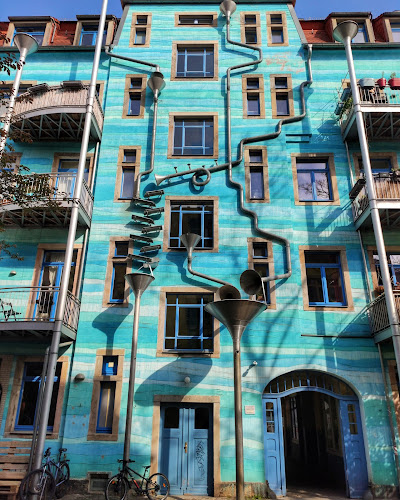
Kunsthofpassage Dresden

Kamelienhaus Pillnitz
Find Accommodations Nearby
Recommended Tours & Activities
Visitor Reviews
There are no reviews yet. Be the first one to write one.
Share Your Experience
Have you visited Semperoper Dresden? Help other travelers by leaving a review.