

Residenzschloss
About Residenzschloss
Description
The Residenzschloss stands as one of Dresden's most remarkable architectural achievements, and honestly, it's hard not to be impressed by the sheer determination it took to bring this place back from the rubble. After Allied bombings during World War II left the palace in ruins, the reconstruction effort became one of Germany's most ambitious cultural restoration projects. What visitors see today is a testament to meticulous craftsmanship and historical preservation that took decades to complete. This isn't just another castle you'll breeze through in an hour. The Residenzschloss houses multiple museums under one roof, making it a sprawling complex of art collections, historical treasures, and architectural marvels. The palace served as the seat of Saxon electors and kings for centuries, and you can feel that weight of history in every corner. The building itself tells stories through its walls – from Renaissance elegance to Baroque opulence, each period of Saxon royalty left its mark here. What really catches your eye first is that iconic domed courtyard. It's become something of a symbol for Dresden's resurrection from wartime devastation. Walking into that space feels like stepping into a different era, though I'd recommend visiting on a weekday if you want to actually appreciate the architecture without bumping into tour groups every few steps. The state art collections housed within these walls are genuinely world-class. We're talking about treasures that rival anything you'd find in major European museums, and that's not an exaggeration. The Green Vault collection alone could keep you occupied for hours if you're into decorative arts and royal jewels. And the thing is, many travelers don't realize just how extensive these collections are until they're already there, which is why setting aside at least half a day makes sense.Key Features
The Residenzschloss offers visitors an extraordinary array of experiences that go well beyond what you'd expect from a typical palace museum:- The Historic Green Vault – This treasury contains one of Europe's most spectacular collections of decorative arts, featuring everything from intricate ivory carvings to elaborate jeweled pieces that demonstrate the wealth and artistic patronage of Saxon rulers
- The New Green Vault – A more modern presentation of around 1,100 masterpieces displayed in glass cases with proper lighting that lets you examine the incredible detail work up close
- The Turkish Chamber – One of the oldest and most significant collections of Ottoman art outside Turkey, showcasing weapons, textiles, and ceremonial objects that reflect centuries of cultural exchange
- The Giant's Hall – A massive Renaissance hall that's been restored to its former glory and hosts various exhibitions throughout the year
- The Coin Cabinet – Housing over 300,000 objects, this numismatic collection is one of the largest in Europe and fascinates even people who never thought they'd care about old coins
- The Armory – Ceremonial weapons and armor that are as much works of art as they are functional items, including tournament equipment and parade armor
- Kupferstich-Kabinett – An impressive collection of prints and drawings featuring works by masters like Dürer, Rembrandt, and Michelangelo
- The Palace Chapel – A beautifully restored sacred space that demonstrates the religious and political power of the Saxon court
- Wheelchair accessible facilities throughout most of the complex, making it surprisingly manageable for visitors with mobility needs
- Assisted listening devices available for those who need audio support during visits
Best Time to Visit
Timing your visit to the Residenzschloss can make a real difference in your experience, and I've learned this the hard way through multiple trips to Dresden. The palace is open year-round except for major holidays, but some periods are definitly better than others. Late autumn and early spring months – specifically October through early November and March through April – offer the sweet spot. You'll encounter fewer crowds than summer peak season, and the weather in Dresden is still pleasant enough for walking around the city before or after your palace visit. Winter months can be magical too, especially around Christmas market season, but be prepared for shorter daylight hours and the fact that every other tourist has the same idea. Summer months from June through August see the heaviest foot traffic. If you're visiting during this time, booking your tickets weeks in advance isn't just recommended – it's practically mandatory for popular sections like the Historic Green Vault. I've seen disappointed visitors turned away at the door because they assumed they could just show up. Weekday mornings right when the palace opens at 10 AM tend to be the quietest times. The tour groups typically arrive around 11 AM or after lunch, so that first hour gives you breathing room to actually appreciate what you're seeing. Weekend afternoons? That's when things get properly crowded and you'll spend more time waiting than looking. The palace occasionally hosts special exhibitions that draw extra visitors but can be worth planning around if the topic interests you. Keep in mind that certain rooms might be closed for conservation work – this is an ongoing restoration project after all, and they're still working on various sections.How to Get There
Getting to the Residenzschloss is straightforward enough that even directionally challenged travelers shouldn't have much trouble. The palace sits right in Dresden's historic center, which means you've got multiple transportation options depending on where you're coming from. If you're arriving in Dresden by train at the Hauptbahnhof, you can either walk about 20 minutes through the city center – which I actually recommend because you'll pass through the Altmarkt and get a feel for Dresden – or take tram lines 4, 8, or 9 to Theaterplatz. The tram stop drops you basically at the palace doorstep. For those staying elsewhere in Dresden, the public transportation system is efficient and tourist-friendly. Multiple tram lines converge near the palace, and the Altmarkt stop is just a short walk away. Day passes for Dresden's public transport are reasonably priced and worth getting if you plan to hop around the city. Driving into Dresden's old town isn't something I'd recommend unless you enjoy the challenge of navigating narrow streets and limited parking. There are parking garages in the area, but they fill up quickly and aren't particularly cheap. The Altmarkt-Galerie garage is probably your best bet if you must drive, though you'll still face a short walk to the palace. International visitors flying into Dresden Airport will find regular S-Bahn trains that connect to the main station in about 20 minutes. From there, follow the train station directions above. The whole journey from airport to palace shouldn't take more than 45 minutes unless something goes wrong. One thing worth mentioning – Dresden's old town is compact and pedestrian-friendly. Once you're in the area, you can easily walk to other major sights like the Zwinger Palace, Semperoper, and Frauenkirche. Many visitors make the Residenzschloss part of a walking tour through the historic center, which makes practical sense.Tips for Visiting
After several visits and learning from my own mistakes, here's what actually matters when planning your Residenzschloss experience. Buy your tickets online in advance. This isn't just a suggestion – it's essential, especially for the Historic Green Vault which has strictly limited admission numbers. The last time I tried booking just two days ahead during summer, the earliest available slot was four days out. The online booking system lets you select specific time slots, and you'll need to respect those times pretty closely. Plan for at least three to four hours if you want to see the major collections properly. Trying to rush through in 90 minutes means you're basically just checking boxes. The place is enormous, and exhibition fatigue is real. Some visitors spread their visit across two days, which is worth considering if you're staying in Dresden for a while. Photography rules vary by collection. Some areas allow photos without flash, while others prohibit photography entirely. Rather than constantly checking, just ask the attendants in each room – they're usually helpful about explaining the rules, though don't expect warm fuzzy customer service from everyone. The palace doesn't have a dedicated restaurant inside, but there's a decent café that serves basic refreshments. For proper meals, you'll want to step outside into the surrounding old town where options abound. And honestly, after a few hours of museum viewing, getting outside for fresh air and food helps reset your brain before diving back in. Comfortable shoes aren't optional. You'll be standing and walking on various floor surfaces for hours, and those beautiful historic stone floors aren't exactly cushioned. I've seen too many visitors limping around after an hour because they prioritized style over comfort. The audio guides are actually worth getting. They provide context and stories that bring the collections to life beyond what you'd get from just reading the placards. The kids' version keeps younger visitors engaged better than you might expect. Security checks at entrance can take time during busy periods, so factor that into your schedule. Bags are allowed but expect them to be checked, and large backpacks need to be left in lockers. The cloakroom service is free but can have lines during peak hours. If you're particularly interested in specific collections, prioritize those first when you're fresh. Museum exhaustion hits different people at different times, but for me, anything after the two-hour mark starts blurring together. The Treasury collections demand attention to detail, so see those while your brain is still sharp. The Residenzschloss offers a family ticket option that makes financial sense for groups. Also check if your visit qualifies for any discounts – students, seniors, and various pass holders can save money. The cost adds up if you want to see multiple collections, so taking advantage of combination tickets is smart budgeting. Don't skip the exterior walk around the palace grounds. The architectural details on the outside walls, the different building styles, and the Stallhof with its Procession of Princes mural are all free to view and help contextualize what you're seeing inside. Weather doesn't affect your visit much since you're indoors, but Dresden can be cold and damp in winter months. The palace interior stays climate-controlled for the artifacts, which means it might feel cool inside even when it's warm outside. Visiting with children is doable – the palace is officially good for kids – but requires strategic planning. Younger children will likely enjoy the armor and weapons in the Armory more than rooms full of jewels. Breaking up your visit with a trip to the courtyard or a snack break helps maintain their interest. Last but not least, give yourself permission to not see everything. The Residenzschloss contains more treasures than most people can meaningfully absorb in one visit. Pick your priorities, take your time with what interests you most, and don't feel guilty about skipping sections that don't capture your imagination. Quality over quantity makes for better memories than exhaustedly stumbling through every room just to say you did it.Key Features
- Wheelchair accessible facilities throughout most of the complex, making it surprisingly manageable for visitors with mobility needs
- Assisted listening devices available for those who need audio support during visits
More Details
Updated March 30, 2026
Table of Contents
Description
The Residenzschloss stands as one of Dresden’s most remarkable architectural achievements, and honestly, it’s hard not to be impressed by the sheer determination it took to bring this place back from the rubble. After Allied bombings during World War II left the palace in ruins, the reconstruction effort became one of Germany’s most ambitious cultural restoration projects. What visitors see today is a testament to meticulous craftsmanship and historical preservation that took decades to complete.
This isn’t just another castle you’ll breeze through in an hour. The Residenzschloss houses multiple museums under one roof, making it a sprawling complex of art collections, historical treasures, and architectural marvels. The palace served as the seat of Saxon electors and kings for centuries, and you can feel that weight of history in every corner. The building itself tells stories through its walls – from Renaissance elegance to Baroque opulence, each period of Saxon royalty left its mark here.
What really catches your eye first is that iconic domed courtyard. It’s become something of a symbol for Dresden’s resurrection from wartime devastation. Walking into that space feels like stepping into a different era, though I’d recommend visiting on a weekday if you want to actually appreciate the architecture without bumping into tour groups every few steps.
The state art collections housed within these walls are genuinely world-class. We’re talking about treasures that rival anything you’d find in major European museums, and that’s not an exaggeration. The Green Vault collection alone could keep you occupied for hours if you’re into decorative arts and royal jewels. And the thing is, many travelers don’t realize just how extensive these collections are until they’re already there, which is why setting aside at least half a day makes sense.
Key Features
The Residenzschloss offers visitors an extraordinary array of experiences that go well beyond what you’d expect from a typical palace museum:
- The Historic Green Vault – This treasury contains one of Europe’s most spectacular collections of decorative arts, featuring everything from intricate ivory carvings to elaborate jeweled pieces that demonstrate the wealth and artistic patronage of Saxon rulers
- The New Green Vault – A more modern presentation of around 1,100 masterpieces displayed in glass cases with proper lighting that lets you examine the incredible detail work up close
- The Turkish Chamber – One of the oldest and most significant collections of Ottoman art outside Turkey, showcasing weapons, textiles, and ceremonial objects that reflect centuries of cultural exchange
- The Giant’s Hall – A massive Renaissance hall that’s been restored to its former glory and hosts various exhibitions throughout the year
- The Coin Cabinet – Housing over 300,000 objects, this numismatic collection is one of the largest in Europe and fascinates even people who never thought they’d care about old coins
- The Armory – Ceremonial weapons and armor that are as much works of art as they are functional items, including tournament equipment and parade armor
- Kupferstich-Kabinett – An impressive collection of prints and drawings featuring works by masters like Dürer, Rembrandt, and Michelangelo
- The Palace Chapel – A beautifully restored sacred space that demonstrates the religious and political power of the Saxon court
- Wheelchair accessible facilities throughout most of the complex, making it surprisingly manageable for visitors with mobility needs
- Assisted listening devices available for those who need audio support during visits
Best Time to Visit
Timing your visit to the Residenzschloss can make a real difference in your experience, and I’ve learned this the hard way through multiple trips to Dresden. The palace is open year-round except for major holidays, but some periods are definitly better than others.
Late autumn and early spring months – specifically October through early November and March through April – offer the sweet spot. You’ll encounter fewer crowds than summer peak season, and the weather in Dresden is still pleasant enough for walking around the city before or after your palace visit. Winter months can be magical too, especially around Christmas market season, but be prepared for shorter daylight hours and the fact that every other tourist has the same idea.
Summer months from June through August see the heaviest foot traffic. If you’re visiting during this time, booking your tickets weeks in advance isn’t just recommended – it’s practically mandatory for popular sections like the Historic Green Vault. I’ve seen disappointed visitors turned away at the door because they assumed they could just show up.
Weekday mornings right when the palace opens at 10 AM tend to be the quietest times. The tour groups typically arrive around 11 AM or after lunch, so that first hour gives you breathing room to actually appreciate what you’re seeing. Weekend afternoons? That’s when things get properly crowded and you’ll spend more time waiting than looking.
The palace occasionally hosts special exhibitions that draw extra visitors but can be worth planning around if the topic interests you. Keep in mind that certain rooms might be closed for conservation work – this is an ongoing restoration project after all, and they’re still working on various sections.
How to Get There
Getting to the Residenzschloss is straightforward enough that even directionally challenged travelers shouldn’t have much trouble. The palace sits right in Dresden’s historic center, which means you’ve got multiple transportation options depending on where you’re coming from.
If you’re arriving in Dresden by train at the Hauptbahnhof, you can either walk about 20 minutes through the city center – which I actually recommend because you’ll pass through the Altmarkt and get a feel for Dresden – or take tram lines 4, 8, or 9 to Theaterplatz. The tram stop drops you basically at the palace doorstep.
For those staying elsewhere in Dresden, the public transportation system is efficient and tourist-friendly. Multiple tram lines converge near the palace, and the Altmarkt stop is just a short walk away. Day passes for Dresden’s public transport are reasonably priced and worth getting if you plan to hop around the city.
Driving into Dresden’s old town isn’t something I’d recommend unless you enjoy the challenge of navigating narrow streets and limited parking. There are parking garages in the area, but they fill up quickly and aren’t particularly cheap. The Altmarkt-Galerie garage is probably your best bet if you must drive, though you’ll still face a short walk to the palace.
International visitors flying into Dresden Airport will find regular S-Bahn trains that connect to the main station in about 20 minutes. From there, follow the train station directions above. The whole journey from airport to palace shouldn’t take more than 45 minutes unless something goes wrong.
One thing worth mentioning – Dresden’s old town is compact and pedestrian-friendly. Once you’re in the area, you can easily walk to other major sights like the Zwinger Palace, Semperoper, and Frauenkirche. Many visitors make the Residenzschloss part of a walking tour through the historic center, which makes practical sense.
Tips for Visiting
After several visits and learning from my own mistakes, here’s what actually matters when planning your Residenzschloss experience.
Buy your tickets online in advance. This isn’t just a suggestion – it’s essential, especially for the Historic Green Vault which has strictly limited admission numbers. The last time I tried booking just two days ahead during summer, the earliest available slot was four days out. The online booking system lets you select specific time slots, and you’ll need to respect those times pretty closely.
Plan for at least three to four hours if you want to see the major collections properly. Trying to rush through in 90 minutes means you’re basically just checking boxes. The place is enormous, and exhibition fatigue is real. Some visitors spread their visit across two days, which is worth considering if you’re staying in Dresden for a while.
Photography rules vary by collection. Some areas allow photos without flash, while others prohibit photography entirely. Rather than constantly checking, just ask the attendants in each room – they’re usually helpful about explaining the rules, though don’t expect warm fuzzy customer service from everyone.
The palace doesn’t have a dedicated restaurant inside, but there’s a decent café that serves basic refreshments. For proper meals, you’ll want to step outside into the surrounding old town where options abound. And honestly, after a few hours of museum viewing, getting outside for fresh air and food helps reset your brain before diving back in.
Comfortable shoes aren’t optional. You’ll be standing and walking on various floor surfaces for hours, and those beautiful historic stone floors aren’t exactly cushioned. I’ve seen too many visitors limping around after an hour because they prioritized style over comfort.
The audio guides are actually worth getting. They provide context and stories that bring the collections to life beyond what you’d get from just reading the placards. The kids’ version keeps younger visitors engaged better than you might expect.
Security checks at entrance can take time during busy periods, so factor that into your schedule. Bags are allowed but expect them to be checked, and large backpacks need to be left in lockers. The cloakroom service is free but can have lines during peak hours.
If you’re particularly interested in specific collections, prioritize those first when you’re fresh. Museum exhaustion hits different people at different times, but for me, anything after the two-hour mark starts blurring together. The Treasury collections demand attention to detail, so see those while your brain is still sharp.
The Residenzschloss offers a family ticket option that makes financial sense for groups. Also check if your visit qualifies for any discounts – students, seniors, and various pass holders can save money. The cost adds up if you want to see multiple collections, so taking advantage of combination tickets is smart budgeting.
Don’t skip the exterior walk around the palace grounds. The architectural details on the outside walls, the different building styles, and the Stallhof with its Procession of Princes mural are all free to view and help contextualize what you’re seeing inside.
Weather doesn’t affect your visit much since you’re indoors, but Dresden can be cold and damp in winter months. The palace interior stays climate-controlled for the artifacts, which means it might feel cool inside even when it’s warm outside.
Visiting with children is doable – the palace is officially good for kids – but requires strategic planning. Younger children will likely enjoy the armor and weapons in the Armory more than rooms full of jewels. Breaking up your visit with a trip to the courtyard or a snack break helps maintain their interest.
Last but not least, give yourself permission to not see everything. The Residenzschloss contains more treasures than most people can meaningfully absorb in one visit. Pick your priorities, take your time with what interests you most, and don’t feel guilty about skipping sections that don’t capture your imagination. Quality over quantity makes for better memories than exhaustedly stumbling through every room just to say you did it.
Key Highlights
- Wheelchair accessible facilities throughout most of the complex, making it surprisingly manageable for visitors with mobility needs
- Assisted listening devices available for those who need audio support during visits
Location
Places to Stay Near Residenzschloss
Find and Book a Tour
Explore More Travel Guides
No reviews found! Be the first to review!
Residenzschloss is a prominent Historische Sehenswürdigkeit located in Dresden.
Visit us at: Taschenberg 2, 01067 Dresden, Germany.
Traveler Reviews for Residenzschloss
There are no reviews yet. Be the first one to write one.
Have you visited Residenzschloss? Help other travelers by sharing your review.
You Might Also Like

Dresden City Museum

SKD | Porcelain Collection
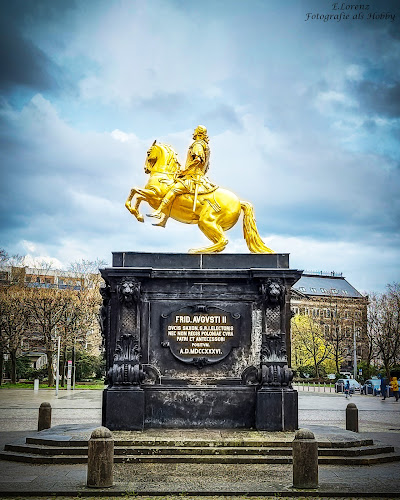
Golden Rider
Find Accommodations Nearby
Recommended Tours & Activities
Visitor Reviews
There are no reviews yet. Be the first one to write one.
Share Your Experience
Have you visited Residenzschloss? Help other travelers by leaving a review.