

Frauenkirche Dresden
About Frauenkirche Dresden
Description
The Frauenkirche Dresden stands as one of the most remarkable stories of loss, memory, and rebirth in all of Europe. When you first lay eyes on this stunning baroque church in Dresden's Neumarkt square, you're looking at something that literally rose from the ashes—and I mean that quite literally. The original church was reduced to rubble during the Allied bombing raids in February 1945, and for decades it remained that way, a pile of blackened stones that served as a war memorial throughout the Cold War era. I still remember the first time I stood in front of it, trying to wrap my head around the fact that this magnificent structure was painstakingly rebuilt stone by stone using original materials wherever possible. The reconstruction wasn't completed until 2005—sixty years after its destruction—making it a relatively young building by European standards yet simultaneously ancient. That juxtaposition fascinates me every time I think about it. The church's distinctive dome, affectionately called the "stone bell" by locals, dominates Dresden's skyline and serves as a powerful symbol of reconciliation and peace. What makes this place so special isn't just its architectural grandeur (though believe me, that's impressive enough), but the sheer human determination it represents. German citizens, along with donations from around the world including Britain—the very nation whose bombers destroyed it—came together to make this resurrection possible. Walking around the exterior, you'll notice something peculiar. The facade looks like a patchwork, with darker stones scattered among lighter ones. Those blackened stones are original pieces salvaged from the rubble, incorporated into the new structure as a deliberate reminder of history. It's haunting and beautiful at the same time, a physical timeline written in sandstone. The interior took my breath away when I first stepped inside. The baroque detailing is absolutely stunning, from the ornate altar to the soaring columns that seem to reach toward heaven itself. The dome rises 91 meters above the ground, and if you're not afraid of heights (and have some decent leg strength), you can climb up for views across Dresden that are absolutely worth the effort.Key Features
- The iconic stone bell dome that defines Dresden's skyline and serves as one of the largest church domes in Europe
- A fascinating mix of original 18th-century stones (the darker ones) integrated with new sandstone in the reconstruction, creating a visual history lesson across the facade
- The magnificent baroque interior with its ornate altar, detailed frescoes, and spectacular acoustics that make concerts here truly special
- Climbing platform at 67 meters offering panoramic views of Dresden's old town, the Elbe River, and surrounding Saxon countryside
- The underground crypt where you can see archaeological remnants and learn about the church's tumultuous history
- Regular organ concerts and chamber music performances that showcase the building's exceptional acoustics
- Guided tours available in multiple languages that dive deep into the reconstruction process and historical significance
- The observation deck accessed via 67 meter climb through the dome structure itself
- Wheelchair accessible entrance making this architectural marvel available to all visitors
- Bronze statue of Martin Luther standing in front of the church, added during the reconstruction
- Original altar built by Johann Christian Feige between 1739-1743, carefully reconstructed from fragments
- Memorial room dedicated to the church's destruction and remarkable rebuilding story
Best Time to Visit
Timing your visit to the Frauenkirche can make a significant difference in your experience, and I've learned this through a bit of trial and error over the years. The absolute best time to visit is during the shoulder seasons—late April through early June, or September through early October. During these months, you'll encounter fewer tour groups, shorter lines for the dome climb, and generally more pleasant weather for exploring the surrounding Neumarkt area. The light during these months is particularly beautiful for photography too, especially in the early morning when the sun hits that distinctive dome. Summer months (July and August) bring the largest crowds, which isn't entirely surprising given that's when most European travel happens. But here's the thing—if you come during summer, you also get to experience the Dresden Music Festival and various outdoor concerts in the square. The church itself hosts incredible musical performances throughout the year, but summer programming is particularly robust. Just be prepared to wait in line and share the space with many other visitors. Winter presents an entirely different experience. The Dresden Christmas markets transform the Neumarkt into something from a fairy tale, with the illuminated Frauenkirche as a backdrop. The Striezelmarkt, one of Germany's oldest Christmas markets, sets up right in the area and the atmosphere is genuinely magical. However, December is absolutely packed with visitors, and the dome climb might be closed due to weather conditions. I'd suggest visiting in early December if you want the Christmas atmosphere without peak crowds. Early mornings are your friend regardless of season. The church typically opens around 10 AM, and if you arrive right at opening time, you'll have a much more contemplative experience. There's something special about experiencing this space before it fills with tour groups. Late afternoon can also work well, particularly if you time it for one of the organ concerts. If you're interested in attending a service, Sunday mornings offer that opportunity, though keep in mind that tourism is limited during worship times, which seems perfectly reasonable to me.How to Get There
Getting to the Frauenkirche is refreshingly straightforward, one of those rare occasions where a major tourist attraction is genuinely easy to reach. If you're arriving in Dresden by train (which many international visitors do), you're looking at a pleasant 15-minute walk from Dresden Hauptbahnhof (main train station) through the Altstadt (old town). Just head north from the station, cross the Wiener Platz, and continue along Prager Strasse—a pedestrian shopping street that leads you straight into the historic center. You can't really get lost because that dome is visible from quite a distance, acting as your beacon. The city's excellent tram system offers another option. Trams 1, 2, and 4 all stop at Pirnaischer Platz, which is literally a two-minute walk from the church. I actually prefer taking the tram because you get to see more of the city, and it's incredibly efficient. A single ticket costs around €2.50, though prices do change, so check current rates. For those staying further out or coming from other parts of Saxony, the S-Bahn (suburban train) is your best bet. Get off at Dresden Mitte station, which is even closer than the Hauptbahnhof—just a 10-minute walk. If you're driving (though I wouldn't particularly recommend it for visiting the old town), there are several parking garages nearby. The Altmarkt-Galerie garage is probably your best option, located about 500 meters from the church. But honestly? Dresden's old town is pedestrianized in many areas, and parking can be expensive and frustrating. For visitors with limited mobility, the church has a wheelchair accessible entrance, which is really important given that many historic European churches struggle with accessibility. The main entrance has some steps, but staff can direct you to the accessible entrance. Many visitors combine the Frauenkirche with other Dresden attractions like the Zwinger Palace or Semperoper, all within walking distance. The entire historic center is quite compact, making it perfect for exploration on foot.Tips for Visiting
Let me share some practical wisdom I've gathered from multiple visits and a few mistakes along the way. First off, don't skip the dome climb just because it involves stairs. Yes, there are 67 meters worth of steps (that's roughly 300 individual stairs if you're counting), but the views are absolutely worth the leg burn. The climb takes you through the dome's construction, which is fascinating in itself. And those views across Dresden's copper-green rooftops toward the Elbe? Stunning. Just maybe skip this if you have serious knee issues or severe claustrophobia, as some passages are narrow. Dress appropriately because this is still a functioning church. While they're not super strict about it, wearing respectful clothing (no beachwear or overly revealing outfits) shows consideration. I've seen people turned away for shorts that were too short, so just use common sense. The guided tours are genuinely worthwhile, not just filler content. The guides share stories about the reconstruction process that you won't get from just wandering around. Did you know they used computer programs to figure out where each salvaged stone originally belonged? Or that a British organization raised significant funds for the reconstruction as a gesture of reconciliation? These details bring the whole experience to life. Photography is allowed inside, but flash photography isn't—it damages the materials and disturbs other visitors. The lighting inside can be challenging for photos, so if you're serious about photography, bring appropriate equipment. The exterior photographs beautifully throughout the day, though golden hour (that time just before sunset) makes those mixed stones really pop. Attend a concert if your schedule allows. The acoustics in this space are phenomenal, and experiencing music here gives you an entirely different appreciation for the architecture. Check the schedule online before your visit—organ concerts happen regularly and often have surprisingly affordable ticket prices. Budget at least 1.5 to 2 hours for a proper visit if you're doing the dome climb and spending time inside. If you're just popping in for a quick look, 30-40 minutes might suffice, but you'd be missing out. Consider visiting twice if you have time—once during the day and once at night when it's illuminated. The evening lighting transforms the building into something almost ethereal. The small entrance fee (around €8 for adults last I checked, though this changes) goes toward maintenance and ongoing preservation work. Some visitors complain about charges for churches, but given the enormous costs of maintaining this structure, it seems entirely reasonable to me. Onsite services include a small shop where you can purchase books about the church's history and reconstruction. There's also a donation opportunity if you want to contribute to the ongoing maintenance—this building depends on visitor contributions and donations to survive. Finally, take a moment to just sit in one of the pews and absorb the space. Beyond all the tourist activity and photo-taking, this is a place of remarkable spiritual and historical significance. Whether you're religious or not, there's something profound about sitting in a space that was completely destroyed and then rebuilt through determination and hope. That human story, more than anything architectural, is what makes the Frauenkirche truly special.Key Features
- Reconstructed 18th-century baroque architecture based on George Bähr’s designs
- Iconic sandstone dome known as the "Stone Bell" offering skyline views
- Interior nave with exceptional acoustics used for concerts and organ recitals
- Visible original fragments and reconciliation exhibits telling its WWII destruction and restoration
- Central location on Neumarkt, close to Dresden’s Altstadt landmarks
More Details
Updated March 30, 2026
Table of Contents
Description
The Frauenkirche Dresden stands as one of the most remarkable stories of loss, memory, and rebirth in all of Europe. When you first lay eyes on this stunning baroque church in Dresden’s Neumarkt square, you’re looking at something that literally rose from the ashes—and I mean that quite literally. The original church was reduced to rubble during the Allied bombing raids in February 1945, and for decades it remained that way, a pile of blackened stones that served as a war memorial throughout the Cold War era.
I still remember the first time I stood in front of it, trying to wrap my head around the fact that this magnificent structure was painstakingly rebuilt stone by stone using original materials wherever possible. The reconstruction wasn’t completed until 2005—sixty years after its destruction—making it a relatively young building by European standards yet simultaneously ancient. That juxtaposition fascinates me every time I think about it.
The church’s distinctive dome, affectionately called the “stone bell” by locals, dominates Dresden’s skyline and serves as a powerful symbol of reconciliation and peace. What makes this place so special isn’t just its architectural grandeur (though believe me, that’s impressive enough), but the sheer human determination it represents. German citizens, along with donations from around the world including Britain—the very nation whose bombers destroyed it—came together to make this resurrection possible.
Walking around the exterior, you’ll notice something peculiar. The facade looks like a patchwork, with darker stones scattered among lighter ones. Those blackened stones are original pieces salvaged from the rubble, incorporated into the new structure as a deliberate reminder of history. It’s haunting and beautiful at the same time, a physical timeline written in sandstone.
The interior took my breath away when I first stepped inside. The baroque detailing is absolutely stunning, from the ornate altar to the soaring columns that seem to reach toward heaven itself. The dome rises 91 meters above the ground, and if you’re not afraid of heights (and have some decent leg strength), you can climb up for views across Dresden that are absolutely worth the effort.
Key Features
- The iconic stone bell dome that defines Dresden’s skyline and serves as one of the largest church domes in Europe
- A fascinating mix of original 18th-century stones (the darker ones) integrated with new sandstone in the reconstruction, creating a visual history lesson across the facade
- The magnificent baroque interior with its ornate altar, detailed frescoes, and spectacular acoustics that make concerts here truly special
- Climbing platform at 67 meters offering panoramic views of Dresden’s old town, the Elbe River, and surrounding Saxon countryside
- The underground crypt where you can see archaeological remnants and learn about the church’s tumultuous history
- Regular organ concerts and chamber music performances that showcase the building’s exceptional acoustics
- Guided tours available in multiple languages that dive deep into the reconstruction process and historical significance
- The observation deck accessed via 67 meter climb through the dome structure itself
- Wheelchair accessible entrance making this architectural marvel available to all visitors
- Bronze statue of Martin Luther standing in front of the church, added during the reconstruction
- Original altar built by Johann Christian Feige between 1739-1743, carefully reconstructed from fragments
- Memorial room dedicated to the church’s destruction and remarkable rebuilding story
Best Time to Visit
Timing your visit to the Frauenkirche can make a significant difference in your experience, and I’ve learned this through a bit of trial and error over the years.
The absolute best time to visit is during the shoulder seasons—late April through early June, or September through early October. During these months, you’ll encounter fewer tour groups, shorter lines for the dome climb, and generally more pleasant weather for exploring the surrounding Neumarkt area. The light during these months is particularly beautiful for photography too, especially in the early morning when the sun hits that distinctive dome.
Summer months (July and August) bring the largest crowds, which isn’t entirely surprising given that’s when most European travel happens. But here’s the thing—if you come during summer, you also get to experience the Dresden Music Festival and various outdoor concerts in the square. The church itself hosts incredible musical performances throughout the year, but summer programming is particularly robust. Just be prepared to wait in line and share the space with many other visitors.
Winter presents an entirely different experience. The Dresden Christmas markets transform the Neumarkt into something from a fairy tale, with the illuminated Frauenkirche as a backdrop. The Striezelmarkt, one of Germany’s oldest Christmas markets, sets up right in the area and the atmosphere is genuinely magical. However, December is absolutely packed with visitors, and the dome climb might be closed due to weather conditions. I’d suggest visiting in early December if you want the Christmas atmosphere without peak crowds.
Early mornings are your friend regardless of season. The church typically opens around 10 AM, and if you arrive right at opening time, you’ll have a much more contemplative experience. There’s something special about experiencing this space before it fills with tour groups. Late afternoon can also work well, particularly if you time it for one of the organ concerts.
If you’re interested in attending a service, Sunday mornings offer that opportunity, though keep in mind that tourism is limited during worship times, which seems perfectly reasonable to me.
How to Get There
Getting to the Frauenkirche is refreshingly straightforward, one of those rare occasions where a major tourist attraction is genuinely easy to reach.
If you’re arriving in Dresden by train (which many international visitors do), you’re looking at a pleasant 15-minute walk from Dresden Hauptbahnhof (main train station) through the Altstadt (old town). Just head north from the station, cross the Wiener Platz, and continue along Prager Strasse—a pedestrian shopping street that leads you straight into the historic center. You can’t really get lost because that dome is visible from quite a distance, acting as your beacon.
The city’s excellent tram system offers another option. Trams 1, 2, and 4 all stop at Pirnaischer Platz, which is literally a two-minute walk from the church. I actually prefer taking the tram because you get to see more of the city, and it’s incredibly efficient. A single ticket costs around €2.50, though prices do change, so check current rates.
For those staying further out or coming from other parts of Saxony, the S-Bahn (suburban train) is your best bet. Get off at Dresden Mitte station, which is even closer than the Hauptbahnhof—just a 10-minute walk.
If you’re driving (though I wouldn’t particularly recommend it for visiting the old town), there are several parking garages nearby. The Altmarkt-Galerie garage is probably your best option, located about 500 meters from the church. But honestly? Dresden’s old town is pedestrianized in many areas, and parking can be expensive and frustrating.
For visitors with limited mobility, the church has a wheelchair accessible entrance, which is really important given that many historic European churches struggle with accessibility. The main entrance has some steps, but staff can direct you to the accessible entrance.
Many visitors combine the Frauenkirche with other Dresden attractions like the Zwinger Palace or Semperoper, all within walking distance. The entire historic center is quite compact, making it perfect for exploration on foot.
Tips for Visiting
Let me share some practical wisdom I’ve gathered from multiple visits and a few mistakes along the way.
First off, don’t skip the dome climb just because it involves stairs. Yes, there are 67 meters worth of steps (that’s roughly 300 individual stairs if you’re counting), but the views are absolutely worth the leg burn. The climb takes you through the dome’s construction, which is fascinating in itself. And those views across Dresden’s copper-green rooftops toward the Elbe? Stunning. Just maybe skip this if you have serious knee issues or severe claustrophobia, as some passages are narrow.
Dress appropriately because this is still a functioning church. While they’re not super strict about it, wearing respectful clothing (no beachwear or overly revealing outfits) shows consideration. I’ve seen people turned away for shorts that were too short, so just use common sense.
The guided tours are genuinely worthwhile, not just filler content. The guides share stories about the reconstruction process that you won’t get from just wandering around. Did you know they used computer programs to figure out where each salvaged stone originally belonged? Or that a British organization raised significant funds for the reconstruction as a gesture of reconciliation? These details bring the whole experience to life.
Photography is allowed inside, but flash photography isn’t—it damages the materials and disturbs other visitors. The lighting inside can be challenging for photos, so if you’re serious about photography, bring appropriate equipment. The exterior photographs beautifully throughout the day, though golden hour (that time just before sunset) makes those mixed stones really pop.
Attend a concert if your schedule allows. The acoustics in this space are phenomenal, and experiencing music here gives you an entirely different appreciation for the architecture. Check the schedule online before your visit—organ concerts happen regularly and often have surprisingly affordable ticket prices.
Budget at least 1.5 to 2 hours for a proper visit if you’re doing the dome climb and spending time inside. If you’re just popping in for a quick look, 30-40 minutes might suffice, but you’d be missing out.
Consider visiting twice if you have time—once during the day and once at night when it’s illuminated. The evening lighting transforms the building into something almost ethereal.
The small entrance fee (around €8 for adults last I checked, though this changes) goes toward maintenance and ongoing preservation work. Some visitors complain about charges for churches, but given the enormous costs of maintaining this structure, it seems entirely reasonable to me.
Onsite services include a small shop where you can purchase books about the church’s history and reconstruction. There’s also a donation opportunity if you want to contribute to the ongoing maintenance—this building depends on visitor contributions and donations to survive.
Finally, take a moment to just sit in one of the pews and absorb the space. Beyond all the tourist activity and photo-taking, this is a place of remarkable spiritual and historical significance. Whether you’re religious or not, there’s something profound about sitting in a space that was completely destroyed and then rebuilt through determination and hope. That human story, more than anything architectural, is what makes the Frauenkirche truly special.
Key Highlights
- Reconstructed 18th-century baroque architecture based on George Bähr’s designs
- Iconic sandstone dome known as the “Stone Bell” offering skyline views
- Interior nave with exceptional acoustics used for concerts and organ recitals
- Visible original fragments and reconciliation exhibits telling its WWII destruction and restoration
- Central location on Neumarkt, close to Dresden’s Altstadt landmarks
Location
Places to Stay Near Frauenkirche Dresden
Find and Book a Tour
Explore More Travel Guides
No reviews found! Be the first to review!
Frauenkirche Dresden is a prominent attractions located in Dresden.
Visit us at: Neumarkt.
Traveler Reviews for Frauenkirche Dresden
There are no reviews yet. Be the first one to write one.
Have you visited Frauenkirche Dresden? Help other travelers by sharing your review.
Nearby Attractions
You Might Also Like
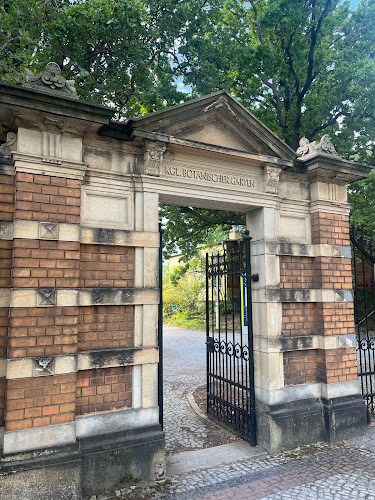
BOT Botanical Garden
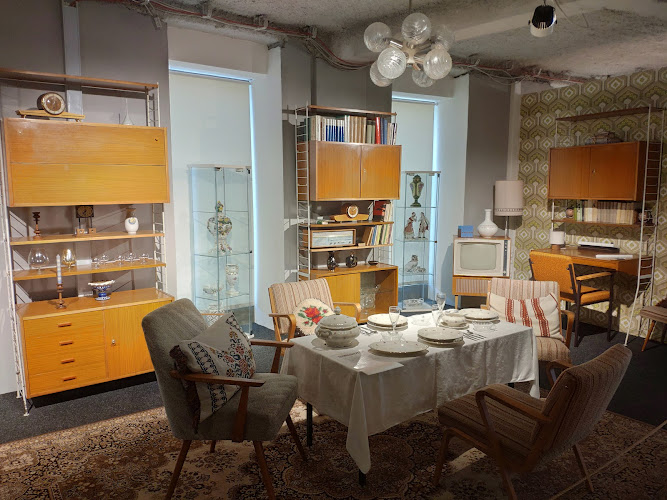
the world of gdr (German Democratic Republic)
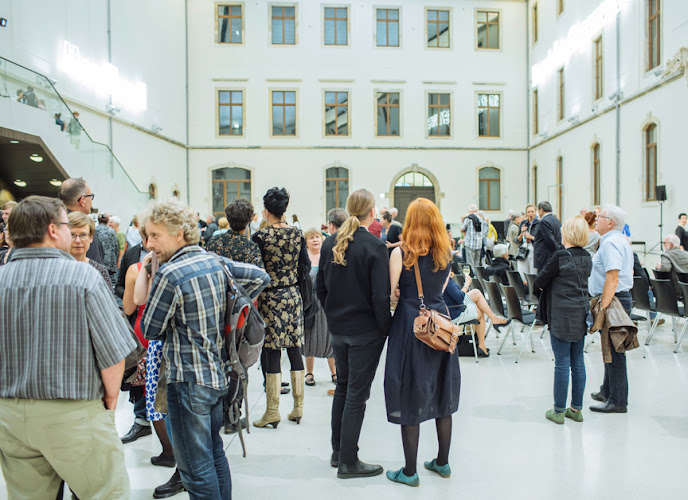
Albertinum (1884-87; Adolph Canzler)
Find Accommodations Nearby
Recommended Tours & Activities
Visitor Reviews
There are no reviews yet. Be the first one to write one.
Share Your Experience
Have you visited Frauenkirche Dresden? Help other travelers by leaving a review.