
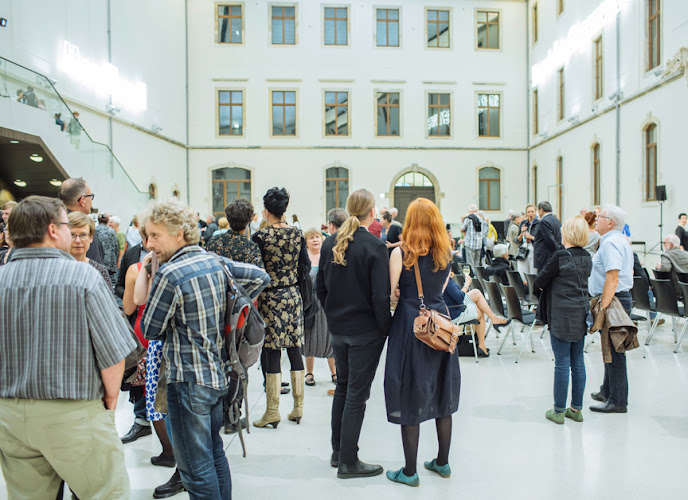
Albertinum (1884-87; Adolph Canzler)
About Albertinum (1884-87; Adolph Canzler)
Description
The Albertinum stands as one of Dresden's most impressive cultural treasures, a monument to art that's been welcoming visitors since architect Adolph Canzler completed this remarkable structure between 1884 and 1887. What makes this place truly special isn't just its grand 19th-century architecture—though that alone could keep your camera busy for hours—but rather how it manages to bridge centuries of artistic expression under one magnificent roof. When you step inside, you're entering a world where German Romanticism meets cutting-edge contemporary installations. The museum houses an extraordinary collection that spans from the Romantic period right through to today's most thought-provoking modern works. And honestly, there's something deeply satisfying about walking through galleries where Caspar David Friedrich's moody landscapes hang in the same building as pieces created just last year. The Albertinum didn't always serve as an art museum, which adds another layer to its fascinating history. Originally, this Renaissance Revival building had different purposes before its transformation into the cultural powerhouse it is today. The building itself survived World War II's devastating Dresden bombing, though it required significant restoration work. What you see now represents both historical preservation and modern innovation—the museum underwent major flood protection renovations in the 2000s, which also modernized its exhibition spaces while respecting Canzler's original architectural vision. The collection focuses primarily on what Germans call the "New Masters"—artists working from Romanticism onward—alongside an impressive sculpture collection that'll have you circling pieces multiple times to catch every angle. This isn't your typical stuffy museum where everything feels untouchable and distant. The curators have done something remarkable here by presenting both historical and contemporary works in ways that speak to each other across time.Key Features
The Albertinum offers visitors an impressive array of features that enhance the museum experience considerably:- An outstanding collection of Caspar David Friedrich paintings, including some of his most celebrated works that define German Romantic painting
- The Sculpture Collection featuring works from Auguste Rodin and an extensive array of 19th and 20th-century sculptures that you can view from multiple perspectives
- New Masters Gallery showcasing paintings and works from Romanticism through Impressionism and Expressionism, with pieces by Claude Monet, Edgar Degas, and other European masters
- Contemporary art exhibitions that rotate regularly, keeping the museum fresh even for repeat visitors
- Complete wheelchair accessibility throughout the building, including entrances, restrooms, and dedicated parking
- An on-site restaurant where you can refuel between galleries without leaving the museum
- Free Wi-Fi throughout the building, perfect for looking up additional information about artworks or sharing your experience
- Live performance spaces that occasionally host musical events and artistic performances
- Family-friendly facilities with discounted admission for children
- Thoughtfully designed rest areas where you can sit and contemplate what you've seen without feeling rushed
- Modern climate control and lighting systems that protect the artworks while providing optimal viewing conditions
Best Time to Visit
Timing your visit to the Albertinum can make a significant difference in your experience, and I've learned this the hard way after visiting museums during peak tourist season more times than I care to admit. The shoulder seasons—April to May and September to October—offer the sweet spot for visiting. During these months, you'll find Dresden's weather pleasant enough for comfortable walking, but the summer tourist crowds have either not yet arrived or already departed. The galleries feel more spacious, you can actually spend time in front of popular paintings without someone's backpack bumping into you, and the whole experience becomes more contemplative. Winter months, particularly January and February, present another excellent option if you don't mind the cold. The museum provides a warm refuge from Dresden's chilly winters, and visitor numbers drop significantly. Plus, there's something almost magical about viewing Romantic winter landscapes while actual snow falls outside the windows. If you're visiting during summer, try to arrive right when doors open in the morning or later in the afternoon on weekdays. Weekends during July and August see the heaviest crowds, which can sometimes detract from the intimate viewing experience these artworks deserve. But summer does bring longer opening hours and occasionally special evening events that are worth planning around. For those interested in special exhibitions—and the Albertinum hosts some genuinely fascinating temporary shows—check their schedule well in advance. These exhibitions often coincide with increased visitor numbers, but they also offer unique opportunities to see works that rarely travel. One insider tip: rainy days in Dresden send everyone indoors, meaning museums get packed. If weather looks questionable, either embrace it and arrive early, or save the Albertinum for a clearer day when other tourists are exploring Dresden's outdoor attractions. The museum tends to be quieter during lunch hours on weekdays, particularly between 1 PM and 3 PM, when many visitors have stepped out for meals. This can be an ideal time to view the most popular galleries if you're willing to eat at off-peak hours.How to Get There
Getting to the Albertinum proves remarkably straightforward, which is something I genuinely appreciate about Dresden's layout. The museum sits in the historic Altstadt (Old Town) district, making it accessible through multiple transportation options. If you're staying anywhere in central Dresden, walking often makes the most sense. The city's compact historic center means many hotels and accommodations are within comfortable walking distance. The museum's location near the Brühlsche Terrasse—Dresden's famous "Balcony of Europe"—makes it easy to spot once you're in the general area. Public transportation works excellently for reaching the Albertinum. Several tram lines stop within a few minutes' walk of the museum. Trams are generally the most efficient way to navigate Dresden, and the city's system is reliable and easy to understand even if you don't speak German. Look for stops near the Altstadt area, and you'll be close. For those arriving by car, parking can be tricky in the Old Town, as it is in most European historic districts. The museum does offer wheelchair-accessible parking, but spaces are limited. Several public parking garages operate nearby, though they fill up quickly during peak tourist season. Honestly, unless you have mobility concerns, leaving your car at your accommodation and using public transport or walking will save you considerable frustration. Dresden's main train station (Hauptbahnhof) connects to the Albertinum via a pleasant 20-minute walk or a short tram ride. If you're doing a day trip from Berlin, Prague, or other nearby cities, this direct connection makes the museum an easy addition to your itinerary. Cyclists will find Dresden generally bike-friendly, with racks available near the museum. The city's relatively flat terrain makes cycling an enjoyable option during warmer months. Taxi services and ride-sharing apps operate throughout Dresden, though given the city's compact size and excellent public transport, you might find these unnecessary unless you're traveling late at night or with limited mobility.Tips for Visiting
After spending more hours in museums than I probably should admit, I've picked up some practical wisdom that can enhance your Albertinum experience significantly. First off, don't try to see everything in one visit. Seriously. Museum fatigue is real, and the Albertinum contains enough artwork to keep you engaged for an entire day. But that doesn't mean you should push through until your feet ache and paintings start blurring together. Focus on specific collections that interest you most, whether that's the Romantic works, the sculpture collection, or contemporary pieces. You can always return, and a focused visit beats an exhausted marathon every time. Download or grab a museum map immediately upon arrival. The building's layout isn't always intuitive, especially after the renovations merged old architecture with new spaces. Knowing where specific collections sit helps you prioritize and prevents backtracking. The audio guide is worth considering, particularly if you're interested in deeper context about the artworks. It provides background information that enriches your understanding without being overwhelming. And the museum's Wi-Fi makes it easy to research pieces on your own if you prefer that approach. Bring a water bottle. Yes, you can't drink in the galleries, but the rest areas allow you to hydrate, and staying refreshed makes a significant difference during longer visits. The on-site restaurant serves decent food, though prices reflect its museum location—consider it an experience rather than a budget meal. Photography policies allow photos without flash in most areas, but always check signage as temporary exhibitions may have restrictions. Taking photos helps you remember specific works, but don't experience the entire museum through your phone screen. I've watched too many people photograph everything while barely looking at the actual art. Wear comfortable shoes. This seems obvious, but the Albertinum's floors are hard, and you'll be standing and walking more than you think. Those stylish-but-pinchy shoes can wait for dinner. The museum's family-friendly approach means children are welcome, but bring activities for younger kids who might not sustain interest through multiple galleries. The sculpture collection often engages children more than paintings simply because they're three-dimensional and can be viewed from different angles. Visit the restrooms before starting your museum tour—they're clean and accessible, but once you're deep in the galleries, backtracking wastes time and breaks your momentum. Check if any live performances are scheduled during your visit. These events add an unexpected dimension to the museum experience and often attract smaller, more engaged crowds. The staff generally speak English and are genuinely helpful if you have questions. Don't hesitate to ask about specific works or recommendations based on your interests. Finally, save some energy for the Brühlsche Terrasse right outside. After immersing yourself in art, the terrace offers spectacular views of the Elbe River and provides the perfect spot for processing what you've seen while enjoying Dresden's architectural beauty from a different perspective. Sometimes the best part of visiting a museum isn't just what's inside the walls but how it connects you to the larger cultural landscape surrounding it.Key Features
- An outstanding collection of Caspar David Friedrich paintings, including some of his most celebrated works that define German Romantic painting
- The Sculpture Collection featuring works from Auguste Rodin and an extensive array of 19th and 20th-century sculptures that you can view from multiple perspectives
- New Masters Gallery showcasing paintings and works from Romanticism through Impressionism and Expressionism, with pieces by Claude Monet, Edgar Degas, and other European masters
- Contemporary art exhibitions that rotate regularly, keeping the museum fresh even for repeat visitors
- Complete wheelchair accessibility throughout the building, including entrances, restrooms, and dedicated parking
- An on-site restaurant where you can refuel between galleries without leaving the museum
- Free Wi-Fi throughout the building, perfect for looking up additional information about artworks or sharing your experience
- Live performance spaces that occasionally host musical events and artistic performances
More Details
Updated March 30, 2026
Table of Contents
- Description
- Key Features
- Best Time to Visit
- How to Get There
- Tips for Visiting
- Key Highlights
- Location
- Places to Stay Near Albertinum (1884-87; Adolph Canzler)
- Find and Book a Tour
- Explore More Travel Guides
- Nearby Places You Might Like
- Traveler Reviews for Albertinum (1884-87; Adolph Canzler)
- Share Your Experience
Description
The Albertinum stands as one of Dresden’s most impressive cultural treasures, a monument to art that’s been welcoming visitors since architect Adolph Canzler completed this remarkable structure between 1884 and 1887. What makes this place truly special isn’t just its grand 19th-century architecture—though that alone could keep your camera busy for hours—but rather how it manages to bridge centuries of artistic expression under one magnificent roof.
When you step inside, you’re entering a world where German Romanticism meets cutting-edge contemporary installations. The museum houses an extraordinary collection that spans from the Romantic period right through to today’s most thought-provoking modern works. And honestly, there’s something deeply satisfying about walking through galleries where Caspar David Friedrich’s moody landscapes hang in the same building as pieces created just last year.
The Albertinum didn’t always serve as an art museum, which adds another layer to its fascinating history. Originally, this Renaissance Revival building had different purposes before its transformation into the cultural powerhouse it is today. The building itself survived World War II’s devastating Dresden bombing, though it required significant restoration work. What you see now represents both historical preservation and modern innovation—the museum underwent major flood protection renovations in the 2000s, which also modernized its exhibition spaces while respecting Canzler’s original architectural vision.
The collection focuses primarily on what Germans call the “New Masters”—artists working from Romanticism onward—alongside an impressive sculpture collection that’ll have you circling pieces multiple times to catch every angle. This isn’t your typical stuffy museum where everything feels untouchable and distant. The curators have done something remarkable here by presenting both historical and contemporary works in ways that speak to each other across time.
Key Features
The Albertinum offers visitors an impressive array of features that enhance the museum experience considerably:
- An outstanding collection of Caspar David Friedrich paintings, including some of his most celebrated works that define German Romantic painting
- The Sculpture Collection featuring works from Auguste Rodin and an extensive array of 19th and 20th-century sculptures that you can view from multiple perspectives
- New Masters Gallery showcasing paintings and works from Romanticism through Impressionism and Expressionism, with pieces by Claude Monet, Edgar Degas, and other European masters
- Contemporary art exhibitions that rotate regularly, keeping the museum fresh even for repeat visitors
- Complete wheelchair accessibility throughout the building, including entrances, restrooms, and dedicated parking
- An on-site restaurant where you can refuel between galleries without leaving the museum
- Free Wi-Fi throughout the building, perfect for looking up additional information about artworks or sharing your experience
- Live performance spaces that occasionally host musical events and artistic performances
- Family-friendly facilities with discounted admission for children
- Thoughtfully designed rest areas where you can sit and contemplate what you’ve seen without feeling rushed
- Modern climate control and lighting systems that protect the artworks while providing optimal viewing conditions
Best Time to Visit
Timing your visit to the Albertinum can make a significant difference in your experience, and I’ve learned this the hard way after visiting museums during peak tourist season more times than I care to admit.
The shoulder seasons—April to May and September to October—offer the sweet spot for visiting. During these months, you’ll find Dresden’s weather pleasant enough for comfortable walking, but the summer tourist crowds have either not yet arrived or already departed. The galleries feel more spacious, you can actually spend time in front of popular paintings without someone’s backpack bumping into you, and the whole experience becomes more contemplative.
Winter months, particularly January and February, present another excellent option if you don’t mind the cold. The museum provides a warm refuge from Dresden’s chilly winters, and visitor numbers drop significantly. Plus, there’s something almost magical about viewing Romantic winter landscapes while actual snow falls outside the windows.
If you’re visiting during summer, try to arrive right when doors open in the morning or later in the afternoon on weekdays. Weekends during July and August see the heaviest crowds, which can sometimes detract from the intimate viewing experience these artworks deserve. But summer does bring longer opening hours and occasionally special evening events that are worth planning around.
For those interested in special exhibitions—and the Albertinum hosts some genuinely fascinating temporary shows—check their schedule well in advance. These exhibitions often coincide with increased visitor numbers, but they also offer unique opportunities to see works that rarely travel.
One insider tip: rainy days in Dresden send everyone indoors, meaning museums get packed. If weather looks questionable, either embrace it and arrive early, or save the Albertinum for a clearer day when other tourists are exploring Dresden’s outdoor attractions.
The museum tends to be quieter during lunch hours on weekdays, particularly between 1 PM and 3 PM, when many visitors have stepped out for meals. This can be an ideal time to view the most popular galleries if you’re willing to eat at off-peak hours.
How to Get There
Getting to the Albertinum proves remarkably straightforward, which is something I genuinely appreciate about Dresden’s layout. The museum sits in the historic Altstadt (Old Town) district, making it accessible through multiple transportation options.
If you’re staying anywhere in central Dresden, walking often makes the most sense. The city’s compact historic center means many hotels and accommodations are within comfortable walking distance. The museum’s location near the Brühlsche Terrasse—Dresden’s famous “Balcony of Europe”—makes it easy to spot once you’re in the general area.
Public transportation works excellently for reaching the Albertinum. Several tram lines stop within a few minutes’ walk of the museum. Trams are generally the most efficient way to navigate Dresden, and the city’s system is reliable and easy to understand even if you don’t speak German. Look for stops near the Altstadt area, and you’ll be close.
For those arriving by car, parking can be tricky in the Old Town, as it is in most European historic districts. The museum does offer wheelchair-accessible parking, but spaces are limited. Several public parking garages operate nearby, though they fill up quickly during peak tourist season. Honestly, unless you have mobility concerns, leaving your car at your accommodation and using public transport or walking will save you considerable frustration.
Dresden’s main train station (Hauptbahnhof) connects to the Albertinum via a pleasant 20-minute walk or a short tram ride. If you’re doing a day trip from Berlin, Prague, or other nearby cities, this direct connection makes the museum an easy addition to your itinerary.
Cyclists will find Dresden generally bike-friendly, with racks available near the museum. The city’s relatively flat terrain makes cycling an enjoyable option during warmer months.
Taxi services and ride-sharing apps operate throughout Dresden, though given the city’s compact size and excellent public transport, you might find these unnecessary unless you’re traveling late at night or with limited mobility.
Tips for Visiting
After spending more hours in museums than I probably should admit, I’ve picked up some practical wisdom that can enhance your Albertinum experience significantly.
First off, don’t try to see everything in one visit. Seriously. Museum fatigue is real, and the Albertinum contains enough artwork to keep you engaged for an entire day. But that doesn’t mean you should push through until your feet ache and paintings start blurring together. Focus on specific collections that interest you most, whether that’s the Romantic works, the sculpture collection, or contemporary pieces. You can always return, and a focused visit beats an exhausted marathon every time.
Download or grab a museum map immediately upon arrival. The building’s layout isn’t always intuitive, especially after the renovations merged old architecture with new spaces. Knowing where specific collections sit helps you prioritize and prevents backtracking.
The audio guide is worth considering, particularly if you’re interested in deeper context about the artworks. It provides background information that enriches your understanding without being overwhelming. And the museum’s Wi-Fi makes it easy to research pieces on your own if you prefer that approach.
Bring a water bottle. Yes, you can’t drink in the galleries, but the rest areas allow you to hydrate, and staying refreshed makes a significant difference during longer visits. The on-site restaurant serves decent food, though prices reflect its museum location—consider it an experience rather than a budget meal.
Photography policies allow photos without flash in most areas, but always check signage as temporary exhibitions may have restrictions. Taking photos helps you remember specific works, but don’t experience the entire museum through your phone screen. I’ve watched too many people photograph everything while barely looking at the actual art.
Wear comfortable shoes. This seems obvious, but the Albertinum’s floors are hard, and you’ll be standing and walking more than you think. Those stylish-but-pinchy shoes can wait for dinner.
The museum’s family-friendly approach means children are welcome, but bring activities for younger kids who might not sustain interest through multiple galleries. The sculpture collection often engages children more than paintings simply because they’re three-dimensional and can be viewed from different angles.
Visit the restrooms before starting your museum tour—they’re clean and accessible, but once you’re deep in the galleries, backtracking wastes time and breaks your momentum.
Check if any live performances are scheduled during your visit. These events add an unexpected dimension to the museum experience and often attract smaller, more engaged crowds.
The staff generally speak English and are genuinely helpful if you have questions. Don’t hesitate to ask about specific works or recommendations based on your interests.
Finally, save some energy for the Brühlsche Terrasse right outside. After immersing yourself in art, the terrace offers spectacular views of the Elbe River and provides the perfect spot for processing what you’ve seen while enjoying Dresden’s architectural beauty from a different perspective. Sometimes the best part of visiting a museum isn’t just what’s inside the walls but how it connects you to the larger cultural landscape surrounding it.
Key Highlights
- An outstanding collection of Caspar David Friedrich paintings, including some of his most celebrated works that define German Romantic painting
- The Sculpture Collection featuring works from Auguste Rodin and an extensive array of 19th and 20th-century sculptures that you can view from multiple perspectives
- New Masters Gallery showcasing paintings and works from Romanticism through Impressionism and Expressionism, with pieces by Claude Monet, Edgar Degas, and other European masters
- Contemporary art exhibitions that rotate regularly, keeping the museum fresh even for repeat visitors
- Complete wheelchair accessibility throughout the building, including entrances, restrooms, and dedicated parking
- An on-site restaurant where you can refuel between galleries without leaving the museum
- Free Wi-Fi throughout the building, perfect for looking up additional information about artworks or sharing your experience
- Live performance spaces that occasionally host musical events and artistic performances
Location
Places to Stay Near Albertinum (1884-87; Adolph Canzler)
Find and Book a Tour
Explore More Travel Guides
No reviews found! Be the first to review!
Albertinum (1884-87; Adolph Canzler) is a prominent museums located in Dresden.
Visit us at: Tzschirnerpl. 2, 01067 Dresden, Germany.
Traveler Reviews for Albertinum (1884-87; Adolph Canzler)
There are no reviews yet. Be the first one to write one.
Have you visited Albertinum (1884-87; Adolph Canzler)? Help other travelers by sharing your review.
You Might Also Like

SKD | Porcelain Collection
Fürstenzug

Dresden Zwinger
Find Accommodations Nearby
Recommended Tours & Activities
Visitor Reviews
There are no reviews yet. Be the first one to write one.
Share Your Experience
Have you visited Albertinum (1884-87; Adolph Canzler)? Help other travelers by leaving a review.