
the world of gdr (German Democratic Republic)
About the world of gdr (German Democratic Republic)
Description
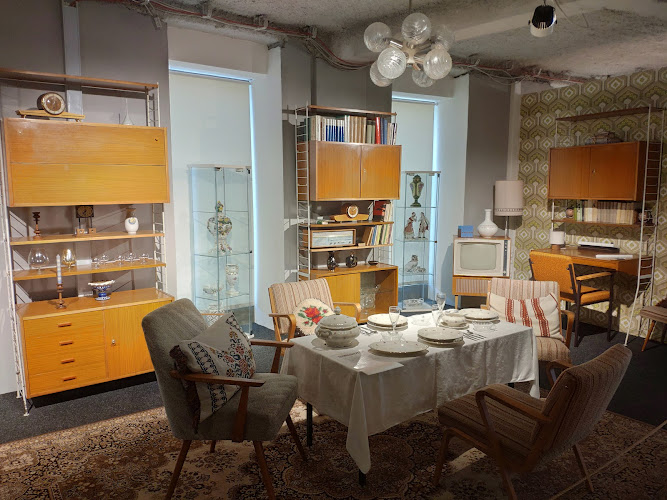
Stepping into the world of the GDR feels like walking through a time machine, honestly. This museum offers visitors a chance to experience what daily life was really like behind the Iron Curtain in East Germany from 1949 to 1990. And I've got to say, it's not your typical stuffy museum experience where you just stare at artifacts behind glass cases. The exhibits are housed in a building that itself tells a story - that distinctive socialist architecture that defined the era. You know the kind I'm talking about: functional, imposing, built with that particular aesthetic that Soviet-influenced countries favored. The moment you approach the building, you're already beginning your journey into this fascinating period of history. What makes this place genuinely special is how it focuses on the everyday aspects of life rather than just the political drama. Sure, the politics are there - you can't separate them from the GDR experience - but you'll find yourself drawn into the intimate details of how regular people actually lived, worked, loved, and got by in a divided Germany. The museum recreates entire rooms and spaces from GDR homes, complete with original furnishings, wallpaper, and those quirky household items that defined an era. I remember reading about someone's grandmother who grew up in the GDR, and she said visiting museums like this brings back floods of memories - some nostalgic, some complicated. That's the thing about this place: it doesn't try to romanticize or demonize the era. It presents it as it was, letting visitors form their own conclusions about this complex chapter in European history.Key Features
The museum packs in an impressive array of exhibits and experiences that bring the GDR era to life: • Authentic recreated living spaces including typical GDR apartments, complete with original furniture and decor that show how families actually lived • A Trabant car display - yes, that iconic vehicle that became a symbol of East Germany, and you might even get the chance to sit in one • Original Stasi surveillance equipment that reveals the unsettling reality of how the state monitored its citizens • Vintage clothing and fashion displays showing what people actually wore, from everyday attire to special occasion outfits • Recreation of a typical GDR classroom where children learned under the socialist education system • Original consumer products, from Spee laundry detergent to Florena cosmetics, that defined shopping experiences in the East • Interactive exhibits where you can experience what it was like to apply for permission to travel or deal with bureaucratic processes • Rotating special exhibitions and events that dive deeper into specific aspects of GDR culture and history • Educational programs suitable for kids that make history accessible and engaging • Full wheelchair accessibility throughout the museum, including the entrance and parking area • Restroom facilities available for visitor comfort • The museum identifies as women-owned, which is worth noting as it brings a particular perspective to how history is presented and interpretedBest Time to Visit
Timing your visit can really make a difference in your experience, though this museum is honestly worthwhile any time of year. Unlike outdoor attractions that are weather-dependent, you've got the advantage of being indoors, so rain or shine works just fine. That said, weekday mornings tend to be quieter if you prefer a more contemplative experience without crowds. I've heard from visitors that arriving right when they open gives you the best opportunity to really absorb the exhibits without feeling rushed or having to navigate around large tour groups. School holidays can get pretty busy since the museum is genuinely good for kids - educational without being boring. If you're traveling with children, you might actually enjoy the energy of having other families around. But if you're looking for a more introspective visit, maybe avoid those peak times. The museum hosts special events throughout the year, some commemorating significant dates in GDR history. Visiting during one of these events can add extra depth to your experience, though you'll need to check their schedule in advance. The anniversary of the fall of the Berlin Wall in November often sees special programming that's particularly moving. Winter visits have their own charm - there's something about experiencing exhibits about life in the GDR while it's cold and grey outside that somehow makes it feel more authentic. The socialist-era building takes on an even more atmospheric quality when fog rolls in. But don't let that stop you from visiting in summer either; the controlled indoor environment provides welcome relief from heat. Weekends obviously draw more visitors, especially Sunday afternoons when families are out. If you can swing a Tuesday or Wednesday visit, you'll likely have a more relaxed experience.How to Get There
Getting to the museum is straightforward, though I won't sugarcoat it - you'll need to do a bit of planning depending on where you're coming from. The location is accessible by various forms of transportation, which is actually pretty fitting for a museum about a society where car ownership wasn't universal. Public transportation is your friend here. The museum is well-connected to the local transit system, and taking public transport actually adds to the experience in a weird way. You're using infrastructure that, in many cases, has evolved from systems that existed during the GDR era itself. If you're driving, there's wheelchair-accessible parking available on site, which is a real plus for visitors with mobility needs. The parking area can fill up during peak times, so arriving earlier rather than later gives you better odds of snagging a spot close to the entrance. For international travelers staying in nearby major cities, you might consider making this a day trip destination. The journey itself can be part of the experience - watching the landscape and architecture change as you travel through areas that were once part of East Germany adds context to what you'll see inside the museum. Walking from nearby transit stops is generally manageable, and the socialist-style building is pretty distinctive, so you're unlikely to walk past it without noticing. The architecture itself serves as a landmark. Taxi or rideshare services work too if you prefer door-to-door convenience. The accessibility features mean that visitors with wheelchairs or mobility aids can enter without hassle, which unfortunately isn't always guaranteed at historical sites.Tips for Visiting
Allow yourself more time than you think you'll need. Seriously. I can't stress this enough. What might seem like "just another museum" has a way of pulling you in, and before you know it, you've spent three hours immersed in exhibits. The details are what make this place special, and rushing through defeats the purpose. The museum is good for kids, but prepare them a bit beforehand. Depending on their age, some context about the Cold War and divided Germany helps them understand what they're seeing. Turn it into a treasure hunt - have them spot items that are different from what we use today, or ask them to imagine what their daily routine would be like in a GDR school. Photography policies vary, so check when you arrive. You'll definitely want to capture some of these exhibits, particularly the recreated rooms and that Trabant. But respect any restrictions - they're usually there for good reasons. Wear comfortable shoes. This should go without saying for any museum visit, but you'll be doing a fair amount of walking and standing. The floors in socialist-style buildings aren't always forgiving on your feet after a couple hours. Don't skip the temporary exhibitions if they have any running during your visit. These often tackle specific aspects of GDR life in greater depth and might cover topics that resonate with your particular interests. While there's no restaurant on site, there are restrooms available. Grab a meal before or after your visit at nearby establishments. Actually, seeking out a restaurant that serves traditional East German cuisine can extend your cultural experience beyond the museum walls. Engage with the interactive elements even if you usually shy away from them. This isn't a hands-off, look-but-don't-touch kind of place in many sections. The interactive components are designed to help you understand what daily life felt like, not just what it looked like. If you've got older family members who lived through this era - whether in East Germany or elsewhere in the Eastern Bloc - consider visiting with them. The conversations that emerge can be incredible, though be prepared for complex emotions. For some people, seeing these artifacts brings back difficult memories alongside nostalgic ones. Read the explanatory texts carefully. The museum does an excellent job providing context, and skipping the written information means you'll miss nuances that make the artifacts meaningful. And here's something people don't always consider: visiting this museum pairs beautifully with exploring the surrounding area. The neighborhood itself often retains architectural and cultural elements from the GDR era, creating a broader educational experience. Lastly, approach your visit with an open mind. The GDR's legacy is complicated - it's not a simple story of oppression or nostalgia. The museum presents multiple perspectives, and the most rewarding visits are those where people engage thoughtfully with that complexity rather than looking for simple narratives.Key Features
- Key Features
- Best Time to Visit
- How to Get There
- Tips for Visiting
More Details
Updated March 30, 2026
Table of Contents
- Description
- Key Features
- Best Time to Visit
- How to Get There
- Tips for Visiting
- Key Highlights
- Location
- Places to Stay Near the world of gdr (German Democratic Republic)
- Find and Book a Tour
- Explore More Travel Guides
- Nearby Places You Might Like
- Traveler Reviews for the world of gdr (German Democratic Republic)
- Share Your Experience
Description
Stepping into the world of the GDR feels like walking through a time machine, honestly. This museum offers visitors a chance to experience what daily life was really like behind the Iron Curtain in East Germany from 1949 to 1990. And I’ve got to say, it’s not your typical stuffy museum experience where you just stare at artifacts behind glass cases.
The exhibits are housed in a building that itself tells a story – that distinctive socialist architecture that defined the era. You know the kind I’m talking about: functional, imposing, built with that particular aesthetic that Soviet-influenced countries favored. The moment you approach the building, you’re already beginning your journey into this fascinating period of history.
What makes this place genuinely special is how it focuses on the everyday aspects of life rather than just the political drama. Sure, the politics are there – you can’t separate them from the GDR experience – but you’ll find yourself drawn into the intimate details of how regular people actually lived, worked, loved, and got by in a divided Germany. The museum recreates entire rooms and spaces from GDR homes, complete with original furnishings, wallpaper, and those quirky household items that defined an era.
I remember reading about someone’s grandmother who grew up in the GDR, and she said visiting museums like this brings back floods of memories – some nostalgic, some complicated. That’s the thing about this place: it doesn’t try to romanticize or demonize the era. It presents it as it was, letting visitors form their own conclusions about this complex chapter in European history.
Key Features
The museum packs in an impressive array of exhibits and experiences that bring the GDR era to life:
• Authentic recreated living spaces including typical GDR apartments, complete with original furniture and decor that show how families actually lived
• A Trabant car display – yes, that iconic vehicle that became a symbol of East Germany, and you might even get the chance to sit in one
• Original Stasi surveillance equipment that reveals the unsettling reality of how the state monitored its citizens
• Vintage clothing and fashion displays showing what people actually wore, from everyday attire to special occasion outfits
• Recreation of a typical GDR classroom where children learned under the socialist education system
• Original consumer products, from Spee laundry detergent to Florena cosmetics, that defined shopping experiences in the East
• Interactive exhibits where you can experience what it was like to apply for permission to travel or deal with bureaucratic processes
• Rotating special exhibitions and events that dive deeper into specific aspects of GDR culture and history
• Educational programs suitable for kids that make history accessible and engaging
• Full wheelchair accessibility throughout the museum, including the entrance and parking area
• Restroom facilities available for visitor comfort
• The museum identifies as women-owned, which is worth noting as it brings a particular perspective to how history is presented and interpreted
Best Time to Visit
Timing your visit can really make a difference in your experience, though this museum is honestly worthwhile any time of year. Unlike outdoor attractions that are weather-dependent, you’ve got the advantage of being indoors, so rain or shine works just fine.
That said, weekday mornings tend to be quieter if you prefer a more contemplative experience without crowds. I’ve heard from visitors that arriving right when they open gives you the best opportunity to really absorb the exhibits without feeling rushed or having to navigate around large tour groups.
School holidays can get pretty busy since the museum is genuinely good for kids – educational without being boring. If you’re traveling with children, you might actually enjoy the energy of having other families around. But if you’re looking for a more introspective visit, maybe avoid those peak times.
The museum hosts special events throughout the year, some commemorating significant dates in GDR history. Visiting during one of these events can add extra depth to your experience, though you’ll need to check their schedule in advance. The anniversary of the fall of the Berlin Wall in November often sees special programming that’s particularly moving.
Winter visits have their own charm – there’s something about experiencing exhibits about life in the GDR while it’s cold and grey outside that somehow makes it feel more authentic. The socialist-era building takes on an even more atmospheric quality when fog rolls in. But don’t let that stop you from visiting in summer either; the controlled indoor environment provides welcome relief from heat.
Weekends obviously draw more visitors, especially Sunday afternoons when families are out. If you can swing a Tuesday or Wednesday visit, you’ll likely have a more relaxed experience.
How to Get There
Getting to the museum is straightforward, though I won’t sugarcoat it – you’ll need to do a bit of planning depending on where you’re coming from. The location is accessible by various forms of transportation, which is actually pretty fitting for a museum about a society where car ownership wasn’t universal.
Public transportation is your friend here. The museum is well-connected to the local transit system, and taking public transport actually adds to the experience in a weird way. You’re using infrastructure that, in many cases, has evolved from systems that existed during the GDR era itself.
If you’re driving, there’s wheelchair-accessible parking available on site, which is a real plus for visitors with mobility needs. The parking area can fill up during peak times, so arriving earlier rather than later gives you better odds of snagging a spot close to the entrance.
For international travelers staying in nearby major cities, you might consider making this a day trip destination. The journey itself can be part of the experience – watching the landscape and architecture change as you travel through areas that were once part of East Germany adds context to what you’ll see inside the museum.
Walking from nearby transit stops is generally manageable, and the socialist-style building is pretty distinctive, so you’re unlikely to walk past it without noticing. The architecture itself serves as a landmark.
Taxi or rideshare services work too if you prefer door-to-door convenience. The accessibility features mean that visitors with wheelchairs or mobility aids can enter without hassle, which unfortunately isn’t always guaranteed at historical sites.
Tips for Visiting
Allow yourself more time than you think you’ll need. Seriously. I can’t stress this enough. What might seem like “just another museum” has a way of pulling you in, and before you know it, you’ve spent three hours immersed in exhibits. The details are what make this place special, and rushing through defeats the purpose.
The museum is good for kids, but prepare them a bit beforehand. Depending on their age, some context about the Cold War and divided Germany helps them understand what they’re seeing. Turn it into a treasure hunt – have them spot items that are different from what we use today, or ask them to imagine what their daily routine would be like in a GDR school.
Photography policies vary, so check when you arrive. You’ll definitely want to capture some of these exhibits, particularly the recreated rooms and that Trabant. But respect any restrictions – they’re usually there for good reasons.
Wear comfortable shoes. This should go without saying for any museum visit, but you’ll be doing a fair amount of walking and standing. The floors in socialist-style buildings aren’t always forgiving on your feet after a couple hours.
Don’t skip the temporary exhibitions if they have any running during your visit. These often tackle specific aspects of GDR life in greater depth and might cover topics that resonate with your particular interests.
While there’s no restaurant on site, there are restrooms available. Grab a meal before or after your visit at nearby establishments. Actually, seeking out a restaurant that serves traditional East German cuisine can extend your cultural experience beyond the museum walls.
Engage with the interactive elements even if you usually shy away from them. This isn’t a hands-off, look-but-don’t-touch kind of place in many sections. The interactive components are designed to help you understand what daily life felt like, not just what it looked like.
If you’ve got older family members who lived through this era – whether in East Germany or elsewhere in the Eastern Bloc – consider visiting with them. The conversations that emerge can be incredible, though be prepared for complex emotions. For some people, seeing these artifacts brings back difficult memories alongside nostalgic ones.
Read the explanatory texts carefully. The museum does an excellent job providing context, and skipping the written information means you’ll miss nuances that make the artifacts meaningful.
And here’s something people don’t always consider: visiting this museum pairs beautifully with exploring the surrounding area. The neighborhood itself often retains architectural and cultural elements from the GDR era, creating a broader educational experience.
Lastly, approach your visit with an open mind. The GDR’s legacy is complicated – it’s not a simple story of oppression or nostalgia. The museum presents multiple perspectives, and the most rewarding visits are those where people engage thoughtfully with that complexity rather than looking for simple narratives.
Key Highlights
- Key Features
- Best Time to Visit
- How to Get There
- Tips for Visiting
Location
Places to Stay Near the world of gdr (German Democratic Republic)
Find and Book a Tour
Explore More Travel Guides
No reviews found! Be the first to review!
the world of gdr (German Democratic Republic) is a prominent museums located in Dresden.
Visit us at: Antonstraße 2A, 01097 Dresden, Germany.
Traveler Reviews for the world of gdr (German Democratic Republic)
There are no reviews yet. Be the first one to write one.
Have you visited the world of gdr (German Democratic Republic)? Help other travelers by sharing your review.
You Might Also Like

Frauenkirche Dresden

SKD | Old Masters Picture Gallery
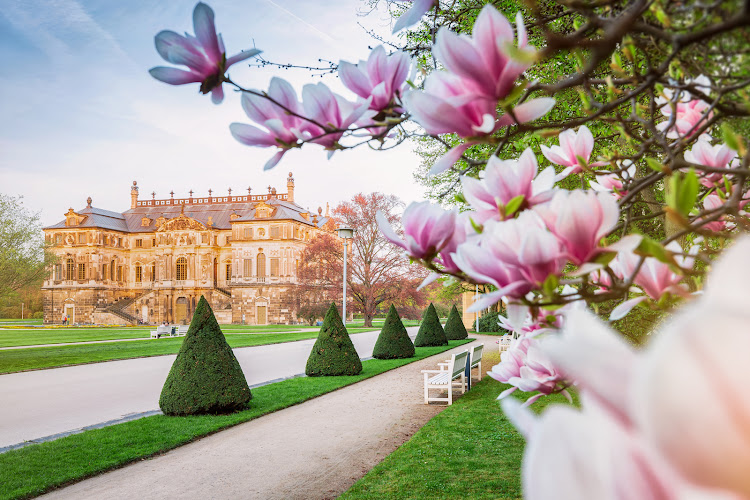
The Grand Garden of Dresden
Find Accommodations Nearby
Recommended Tours & Activities
Visitor Reviews
There are no reviews yet. Be the first one to write one.
Share Your Experience
Have you visited the world of gdr (German Democratic Republic)? Help other travelers by leaving a review.