
Wasserschloss Haus Dellwig
About Wasserschloss Haus Dellwig
Description
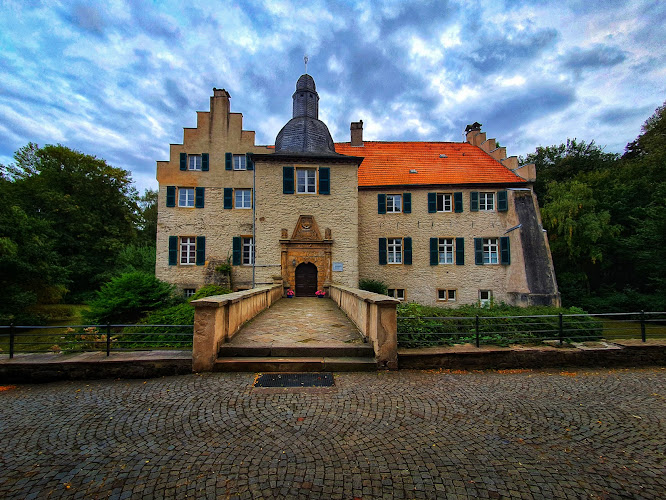
Wasserschloss Haus Dellwig stands as one of those remarkable German water castles that somehow manages to feel both grand and approachable at the same time. Located in the Ruhr region, this moated castle has been around since the 13th century, though what you see today is mostly from later reconstructions and renovations that happened over the centuries. The castle sits beautifully surrounded by water, creating those picture-perfect reflections that make your camera roll fill up fast. What really gets me about this place is how it's evolved beyond just being a historical monument to look at from behind a rope. Sure, the architecture is stunning with its red brick construction and those classic stepped gables that you see in so many North German Renaissance buildings. But the grounds around Wasserschloss Haus Dellwig have become this lovely green space where locals and travelers alike come to unwind, take long walks, and just escape the urban buzz for a while. The castle itself has a somewhat intimate feel compared to the massive fortresses you might encounter elsewhere in Germany. It's not trying to intimidate you with towering walls or imposing battlements. Instead, there's something almost charming about how it sits there in its moat, like it's been patiently waiting for centuries for you to come visit. And honestly? That's part of its appeal.Key Features
The distinctive characteristics of Wasserschloss Haus Dellwig make it worth adding to your travel itinerary when exploring the region: • The moat surrounding the entire castle creates stunning photographic opportunities in every season, particularly when the water reflects the building's red brick facade during golden hour • Well-maintained walking paths circle the property and extend into the surrounding parkland, making it perfect for leisurely strolls or more energetic hikes • Wheelchair accessible entrance and parking facilities ensure that visitors with mobility considerations can enjoy the grounds without barriers • The castle grounds are genuinely kid-friendly, with open spaces where children can run around and explore safely while parents relax • Historic architecture dating back centuries, with visible Renaissance influences in the building's design and structure • Peaceful atmosphere away from major tourist crowds, offering a more authentic and relaxed experience than many heavily-visited German castles • The surrounding nature area provides habitat for various bird species and local wildlife, adding an extra dimension for nature enthusiasts • Free access to the external grounds and walking paths, making it an budget-friendly attraction for travelers watching their expenses • Integration with local hiking trails that connect to broader regional walking routes through the Ruhr area • The water features and landscaping change dramatically with the seasons, giving repeat visitors completely different experiences throughout the yearBest Time to Visit
Timing your visit to Wasserschloss Haus Dellwig can really make a difference in your experience, though I'd argue there's no truly bad time to go. That said, let me share some thoughts based on what works for different types of travelers. Spring, particularly from late April through May, brings the castle grounds to life in ways that feel almost magical. The trees surrounding the moat burst into fresh green foliage, flowers start popping up everywhere, and the whole area just feels rejuvenated after winter. The weather's usually mild enough for comfortable walking without the intense heat that summer sometimes brings. Plus, you'll encounter fewer visitors than during peak summer months. Summer months from June through August draw the largest crowds, and for good reason. The extended daylight hours mean you can visit later in the evening when the light gets really beautiful. The surrounding hiking areas are fully accessible, and the weather's generally cooperative for outdoor exploration. But here's the thing - weekends can get pretty busy with local families making day trips. If you're visiting during summer, try for a weekday morning when the grounds are quieter. Fall might actually be my personal favorite time to visit Wasserschloss Haus Dellwig. September and October transform the landscape around the castle into this gorgeous palette of oranges, reds, and golds. The reflection in the moat becomes even more dramatic with all those autumn colors. The air gets crisp, which makes hiking more pleasant, and the tourist numbers drop off considerably. You'll have more space to yourself for contemplation and photography. Winter has its own austere beauty. The bare trees reveal more of the castle's architectural details, and if you're lucky enough to visit after a snowfall, the scene becomes positively fairytale-like. Sure, it's cold, and you won't want to linger as long, but winter light in Germany has this particular quality that photographers absolutely love. Just dress warmly and watch for icy paths. Avoid major German holidays if you prefer solitude, as locals flock to such places during their time off. Early mornings throughout any season offer the most peaceful experience and the best light for capturing the castle's beauty.How to Get There
Getting yourself to Wasserschloss Haus Dellwig is fairly straightforward, though like many European destinations, your experience will vary depending on your chosen transportation method. By car, the castle is easily accessible from major cities in the Ruhr region. The availability of wheelchair accessible parking makes this particularly convenient if you're traveling with mobility equipment or young children with strollers. Navigation systems will get you there without much trouble, and there's dedicated parking near the grounds. The Ruhr region's highway network connects well to the area, so whether you're coming from Dortmund, Essen, or other nearby cities, you're looking at relatively short drives. Public transportation works well too, though it requires a bit more planning. The German public transit system is reliable and extensive throughout the Ruhr area. You'll likely need to combine train and bus services depending on your starting point. The regional train network can get you to nearby stations, and local buses complete the journey. I'd recommend downloading the local transit app and planning your route ahead of time - it saves a lot of confusion and standing around trying to figure out which platform you need. For cyclists, the Ruhr region has developed extensive bike paths over the years, and cycling to Wasserschloss Haus Dellwig makes for a pleasant journey if weather permits. The relatively flat terrain around the area means you don't need to be a hardcore cyclist to manage it. If you're staying in Dortmund specifically, it's about a 20-30 minute drive depending on traffic. From Essen, you're looking at similar timing. The location within the broader Ruhr metropolitan area means it works well as a half-day excursion combined with other activities in the region. Taxi services and ride-sharing apps operate in the area, though costs can add up if you're coming from farther away. For travelers without cars who want more flexibility than public transit offers, this might be worth the expense.Tips for Visiting
Let me share some practical advice that'll help you make the most of your time at Wasserschloss Haus Dellwig, stuff I wish someone had told me before similar visits to German castles. First off, manage your expectations about interior access. Many visitors arrive assuming they'll tour elaborate rooms filled with period furniture and historical exhibits. The reality is that Wasserschloss Haus Dellwig's primary appeal lies in its exterior beauty and surrounding grounds rather than interior tours. The castle itself serves other purposes now, so your experience will center on the architecture, moat, and parkland. This isn't a disappointment if you know it beforehand - the grounds truly are lovely and worth the visit on their own merit. Bring proper walking shoes. I can't stress this enough. Even though the main paths are well-maintained and wheelchair accessible, if you plan to explore the surrounding hiking areas, you'll want footwear with decent grip and support. The paths can get muddy after rain, and there's nothing worse than slipping around in inappropriate shoes while trying to enjoy nature. Photography enthusiasts should plan for golden hour - that magical time shortly after sunrise or before sunset when the light turns everything gorgeous. The castle's reflection in the moat during these times creates images that look almost too perfect to be real. Bring a polarizing filter if you have one, as it really helps with the water reflections. And honestly, even smartphone cameras capture beautiful shots here, so don't feel like you need fancy equipment. Pack snacks and drinks, especially if you're visiting with children. There aren't extensive dining facilities right at the castle, and while the surrounding area has options, having provisions means you can settle on a bench and relax without needing to leave when hunger strikes. The grounds invite lingering, and you'll want the flexibility to stay as long as the mood takes you. Weather preparation matters more than you might think. German weather can shift quickly, particularly in transitional seasons. Layers work better than one heavy jacket, and a small umbrella doesn't hurt. The area around the moat can feel windier than you'd expect, something about how the air moves across the water. If you're bringing kids, they'll probably enjoy the open spaces more than the architectural details. Let them explore within reason - the area is quite safe and designed to accommodate families. But keep an eye on younger children near the water, obviously. Consider combining your visit with other attractions in the Ruhr region. This area has undergone remarkable transformation from its industrial past, and there's fascinating cultural and historical sites nearby. Wasserschloss Haus Dellwig works beautifully as part of a longer day exploring the region rather than as a standalone destination requiring hours of your time. For international visitors, basic German phrases help but aren't essential. The Ruhr region is accustomed to visitors, and you'll manage fine with English, though locals always appreciate attempts at their language. A simple "Guten Tag" goes a long way. Finally, give yourself permission to simply sit and enjoy the atmosphere. Not every travel experience needs to be rushed or packed with activities. Sometimes the best moments come from finding a quiet spot by the water, watching how the light changes on the castle walls, and just being present in a place that's been standing for centuries. That's the kind of travel memory that stays with you long after you've forgotten which museum you visited on what day. The castle deserves your unhurried attention, your willingness to wander without a strict agenda, and your appreciation for how history and nature combine in this corner of Germany.Key Features
- 13th-century origins with visible Renaissance/Baroque rebuilding
- Picturesque moated setting and reflective water features
- Heimatmuseum in the east wing with local historic exhibits
- Three-winged manor and scenic Dellwiger Bachtal walking paths
- Easily accessible urban green space within Dortmund
More Details
Updated March 30, 2026
Table of Contents
Description
Wasserschloss Haus Dellwig stands as one of those remarkable German water castles that somehow manages to feel both grand and approachable at the same time. Located in the Ruhr region, this moated castle has been around since the 13th century, though what you see today is mostly from later reconstructions and renovations that happened over the centuries. The castle sits beautifully surrounded by water, creating those picture-perfect reflections that make your camera roll fill up fast.
What really gets me about this place is how it’s evolved beyond just being a historical monument to look at from behind a rope. Sure, the architecture is stunning with its red brick construction and those classic stepped gables that you see in so many North German Renaissance buildings. But the grounds around Wasserschloss Haus Dellwig have become this lovely green space where locals and travelers alike come to unwind, take long walks, and just escape the urban buzz for a while.
The castle itself has a somewhat intimate feel compared to the massive fortresses you might encounter elsewhere in Germany. It’s not trying to intimidate you with towering walls or imposing battlements. Instead, there’s something almost charming about how it sits there in its moat, like it’s been patiently waiting for centuries for you to come visit. And honestly? That’s part of its appeal.
Key Features
The distinctive characteristics of Wasserschloss Haus Dellwig make it worth adding to your travel itinerary when exploring the region:
• The moat surrounding the entire castle creates stunning photographic opportunities in every season, particularly when the water reflects the building’s red brick facade during golden hour
• Well-maintained walking paths circle the property and extend into the surrounding parkland, making it perfect for leisurely strolls or more energetic hikes
• Wheelchair accessible entrance and parking facilities ensure that visitors with mobility considerations can enjoy the grounds without barriers
• The castle grounds are genuinely kid-friendly, with open spaces where children can run around and explore safely while parents relax
• Historic architecture dating back centuries, with visible Renaissance influences in the building’s design and structure
• Peaceful atmosphere away from major tourist crowds, offering a more authentic and relaxed experience than many heavily-visited German castles
• The surrounding nature area provides habitat for various bird species and local wildlife, adding an extra dimension for nature enthusiasts
• Free access to the external grounds and walking paths, making it an budget-friendly attraction for travelers watching their expenses
• Integration with local hiking trails that connect to broader regional walking routes through the Ruhr area
• The water features and landscaping change dramatically with the seasons, giving repeat visitors completely different experiences throughout the year
Best Time to Visit
Timing your visit to Wasserschloss Haus Dellwig can really make a difference in your experience, though I’d argue there’s no truly bad time to go. That said, let me share some thoughts based on what works for different types of travelers.
Spring, particularly from late April through May, brings the castle grounds to life in ways that feel almost magical. The trees surrounding the moat burst into fresh green foliage, flowers start popping up everywhere, and the whole area just feels rejuvenated after winter. The weather’s usually mild enough for comfortable walking without the intense heat that summer sometimes brings. Plus, you’ll encounter fewer visitors than during peak summer months.
Summer months from June through August draw the largest crowds, and for good reason. The extended daylight hours mean you can visit later in the evening when the light gets really beautiful. The surrounding hiking areas are fully accessible, and the weather’s generally cooperative for outdoor exploration. But here’s the thing – weekends can get pretty busy with local families making day trips. If you’re visiting during summer, try for a weekday morning when the grounds are quieter.
Fall might actually be my personal favorite time to visit Wasserschloss Haus Dellwig. September and October transform the landscape around the castle into this gorgeous palette of oranges, reds, and golds. The reflection in the moat becomes even more dramatic with all those autumn colors. The air gets crisp, which makes hiking more pleasant, and the tourist numbers drop off considerably. You’ll have more space to yourself for contemplation and photography.
Winter has its own austere beauty. The bare trees reveal more of the castle’s architectural details, and if you’re lucky enough to visit after a snowfall, the scene becomes positively fairytale-like. Sure, it’s cold, and you won’t want to linger as long, but winter light in Germany has this particular quality that photographers absolutely love. Just dress warmly and watch for icy paths.
Avoid major German holidays if you prefer solitude, as locals flock to such places during their time off. Early mornings throughout any season offer the most peaceful experience and the best light for capturing the castle’s beauty.
How to Get There
Getting yourself to Wasserschloss Haus Dellwig is fairly straightforward, though like many European destinations, your experience will vary depending on your chosen transportation method.
By car, the castle is easily accessible from major cities in the Ruhr region. The availability of wheelchair accessible parking makes this particularly convenient if you’re traveling with mobility equipment or young children with strollers. Navigation systems will get you there without much trouble, and there’s dedicated parking near the grounds. The Ruhr region’s highway network connects well to the area, so whether you’re coming from Dortmund, Essen, or other nearby cities, you’re looking at relatively short drives.
Public transportation works well too, though it requires a bit more planning. The German public transit system is reliable and extensive throughout the Ruhr area. You’ll likely need to combine train and bus services depending on your starting point. The regional train network can get you to nearby stations, and local buses complete the journey. I’d recommend downloading the local transit app and planning your route ahead of time – it saves a lot of confusion and standing around trying to figure out which platform you need.
For cyclists, the Ruhr region has developed extensive bike paths over the years, and cycling to Wasserschloss Haus Dellwig makes for a pleasant journey if weather permits. The relatively flat terrain around the area means you don’t need to be a hardcore cyclist to manage it.
If you’re staying in Dortmund specifically, it’s about a 20-30 minute drive depending on traffic. From Essen, you’re looking at similar timing. The location within the broader Ruhr metropolitan area means it works well as a half-day excursion combined with other activities in the region.
Taxi services and ride-sharing apps operate in the area, though costs can add up if you’re coming from farther away. For travelers without cars who want more flexibility than public transit offers, this might be worth the expense.
Tips for Visiting
Let me share some practical advice that’ll help you make the most of your time at Wasserschloss Haus Dellwig, stuff I wish someone had told me before similar visits to German castles.
First off, manage your expectations about interior access. Many visitors arrive assuming they’ll tour elaborate rooms filled with period furniture and historical exhibits. The reality is that Wasserschloss Haus Dellwig’s primary appeal lies in its exterior beauty and surrounding grounds rather than interior tours. The castle itself serves other purposes now, so your experience will center on the architecture, moat, and parkland. This isn’t a disappointment if you know it beforehand – the grounds truly are lovely and worth the visit on their own merit.
Bring proper walking shoes. I can’t stress this enough. Even though the main paths are well-maintained and wheelchair accessible, if you plan to explore the surrounding hiking areas, you’ll want footwear with decent grip and support. The paths can get muddy after rain, and there’s nothing worse than slipping around in inappropriate shoes while trying to enjoy nature.
Photography enthusiasts should plan for golden hour – that magical time shortly after sunrise or before sunset when the light turns everything gorgeous. The castle’s reflection in the moat during these times creates images that look almost too perfect to be real. Bring a polarizing filter if you have one, as it really helps with the water reflections. And honestly, even smartphone cameras capture beautiful shots here, so don’t feel like you need fancy equipment.
Pack snacks and drinks, especially if you’re visiting with children. There aren’t extensive dining facilities right at the castle, and while the surrounding area has options, having provisions means you can settle on a bench and relax without needing to leave when hunger strikes. The grounds invite lingering, and you’ll want the flexibility to stay as long as the mood takes you.
Weather preparation matters more than you might think. German weather can shift quickly, particularly in transitional seasons. Layers work better than one heavy jacket, and a small umbrella doesn’t hurt. The area around the moat can feel windier than you’d expect, something about how the air moves across the water.
If you’re bringing kids, they’ll probably enjoy the open spaces more than the architectural details. Let them explore within reason – the area is quite safe and designed to accommodate families. But keep an eye on younger children near the water, obviously.
Consider combining your visit with other attractions in the Ruhr region. This area has undergone remarkable transformation from its industrial past, and there’s fascinating cultural and historical sites nearby. Wasserschloss Haus Dellwig works beautifully as part of a longer day exploring the region rather than as a standalone destination requiring hours of your time.
For international visitors, basic German phrases help but aren’t essential. The Ruhr region is accustomed to visitors, and you’ll manage fine with English, though locals always appreciate attempts at their language. A simple “Guten Tag” goes a long way.
Finally, give yourself permission to simply sit and enjoy the atmosphere. Not every travel experience needs to be rushed or packed with activities. Sometimes the best moments come from finding a quiet spot by the water, watching how the light changes on the castle walls, and just being present in a place that’s been standing for centuries. That’s the kind of travel memory that stays with you long after you’ve forgotten which museum you visited on what day.
The castle deserves your unhurried attention, your willingness to wander without a strict agenda, and your appreciation for how history and nature combine in this corner of Germany.
Key Highlights
- 13th-century origins with visible Renaissance/Baroque rebuilding
- Picturesque moated setting and reflective water features
- Heimatmuseum in the east wing with local historic exhibits
- Three-winged manor and scenic Dellwiger Bachtal walking paths
- Easily accessible urban green space within Dortmund
Location
Places to Stay Near Wasserschloss Haus Dellwig
Find and Book a Tour
Explore More Travel Guides
No reviews found! Be the first to review!
Wasserschloss Haus Dellwig is a prominent Schloss located in Dortmund.
Visit us at: Dellwiger Str. 130, 44388 Dortmund, Germany.
Traveler Reviews for Wasserschloss Haus Dellwig
There are no reviews yet. Be the first one to write one.
Have you visited Wasserschloss Haus Dellwig? Help other travelers by sharing your review.
Nearby Attractions
You Might Also Like

Museum Ostwall

Signal Iduna Park
Rombergpark Botanical Garden
Find Accommodations Nearby
Recommended Tours & Activities
Visitor Reviews
There are no reviews yet. Be the first one to write one.
Share Your Experience
Have you visited Wasserschloss Haus Dellwig? Help other travelers by leaving a review.