
LWL Industrial Museum Zollern
About LWL Industrial Museum Zollern
Description
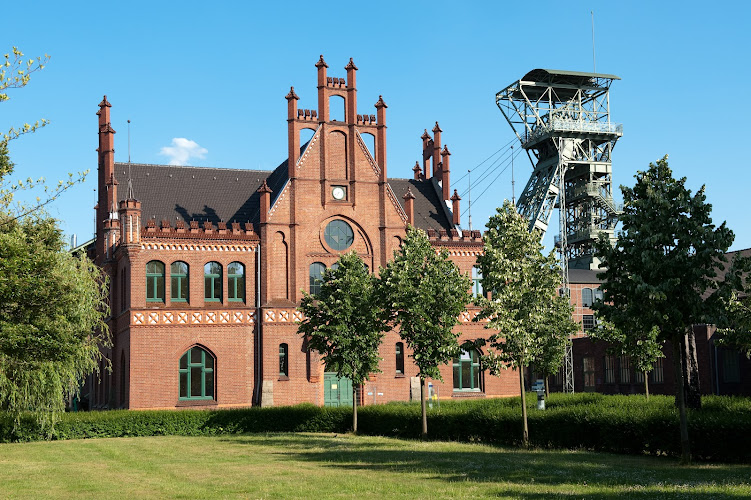
The LWL Industrial Museum Zollern represents one of those rare places where industrial heritage meets genuine artistic beauty, and honestly, it's a combination you don't see every day. This former coal mine in Dortmund stands as a testament to Germany's industrial past, but what really sets it apart from other industrial museums is its stunning art nouveau architecture – something that catches most visitors completely off guard. When I first learned about a colliery with an ornate art nouveau portal, I thought someone was pulling my leg. But nope, it's real, and it's spectacular. This isn't your typical dusty museum with a few old tools behind glass cases. The Zollern colliery operated from 1898 to 1966, and the site has been transformed into a living history experience where original machinery still stands in place, giving you an authentic glimpse into what life was really like for miners during Germany's industrial boom. The machine hall alone is worth the trip – imagine walking into a cathedral, except instead of religious iconography, you're surrounded by massive steam engines and industrial equipment that once powered an entire mining operation. What strikes most people about this place is how the owners back in the day actually cared about aesthetics. The main building's portal looks like something you'd expect to see at a grand opera house, not a coal mine. It's decorated with elaborate brick work, colorful tiles, and intricate metalwork that shows how even industrial sites could embrace the art nouveau movement that was sweeping through Europe at the turn of the 20th century. The museum does an excellent job of telling the story of coal mining's impact on the region, the workers who spent their lives underground, and the technological innovations that shaped the industry. And it doesn't shy away from the harder aspects either – the dangerous working conditions, the social struggles, and the environmental impact. It's educational without being preachy, which is a balance many museums struggle to achieve.Key Features
The LWL Industrial Museum Zollern offers visitors several distinctive features that make it stand out among European industrial heritage sites: • The jaw-dropping art nouveau portal and administrative building that looks more like a palace than a colliery entrance, featuring elaborate brickwork and decorative elements that seem almost out of place at an industrial site • The massive machine hall housing original steam engines and machinery that powered the mining operations, preserved in their original locations with explanatory displays that actually make sense to non-engineers • The authentic headframe structure that towers above the site, serving as a powerful visual reminder of the mine's operational past and offering photo opportunities that'll make your Instagram followers jealous • Original changing rooms where miners would store their clothes and equipment, giving you a genuine sense of the daily rituals and social aspects of mining life • Underground exhibitions and displays that explore the broader context of industrialization in the Ruhr region and its social impact on communities • The gear and compressor building with its impressive collection of mining technology and equipment, maintained in remarkable condition • Regular live performances and cultural events that bring contemporary art and music into this historical space, creating an interesting dialogue between past and present • Family-friendly exhibitions designed specifically for children, making it one of those rare museums where kids actually stay engaged instead of complaining after fifteen minutes • Wheelchair accessible facilities throughout the site, which is impressive considering the age of these buildings and the challenges of adapting industrial architecture for modern accessibility standards • An on-site restaurant where you can grab lunch without having to leave the premises and lose your parking spotBest Time to Visit
Figuring out the best time to visit the LWL Industrial Museum Zollern really depends on what kind of experience you're after, but I've got some thoughts based on practical considerations. Spring and early summer months, particularly May and June, offer probably the most pleasant conditions for exploring the outdoor areas of the museum complex. The weather in Dortmund during this time is generally mild without being too hot, and you can comfortably walk between the different buildings without bundling up or sweating through your shirt. Plus, the trees and green spaces around the site look their best, which adds to the overall atmosphere. That said, autumn has its own charm. September and October bring cooler temperatures that actually feel appropriate for an industrial heritage site – there's something about crisp fall air that just fits with exploring old machinery and brick buildings. The crowds tend to thin out a bit after summer holidays too, giving you more space to explore at your own pace. Winter visits have their advantages too, particularly if you don't mind the cold. The museum's indoor spaces are heated, and there's something atmospheric about seeing the old industrial structures against grey winter skies. December can be especially interesting if they're running any special holiday programs or events. But be prepared for short daylight hours if you're visiting in December or January. Weekday visits are generally quieter than weekends, which matters more than you might think at a place like this. Industrial museums benefit from having fewer people around – it's easier to imagine the historical context and really absorb the atmosphere when you're not constantly navigating around tour groups. Tuesday through Thursday seem to be the sweet spot for avoiding crowds. Special events and live performances happen throughout the year, and honestly, timing your visit to coincide with one of these can elevate the entire experience. Check the museum's event calendar before you plan your trip. The contrast between contemporary performances and the historical industrial setting creates some pretty memorable moments. Avoid visiting during major German school holidays if possible, particularly the summer break. The museum is excellent for kids, which means it attracts lots of families during holiday periods, and the crowds can make it harder to get good photos or spend quality time with the exhibits.How to Get There
Getting to the LWL Industrial Museum Zollern is actually more straightforward than you might expect for an old industrial site that wasn't exactly designed with modern tourism in mind. If you're driving, the museum offers free parking, which is a genuine blessing considering how many tourist attractions try to squeeze every euro out of visitors through parking fees. The parking lot is well-maintained and directly accessible from the main roads. From the A40 autobahn, you can reach the museum in about ten minutes depending on traffic. Navigation systems and GPS apps will get you there without any drama – just search for "LWL Industrial Museum Zollern" and follow the directions. For those using public transportation, Dortmund's transit system connects reasonably well to the museum. The local bus network includes routes that stop within walking distance of the site. The U-Bahn (subway) system can get you into the general area, though you'll likely need to transfer to a bus for the final leg. I won't pretend it's as convenient as driving, but it's certainly doable, especially if you're already staying in Dortmund without a car. If you're coming from other major German cities, Dortmund is well-connected by train. The main Dortmund Hauptbahnhof (central station) receives regular services from across the country. From there, you can either take local public transport to the museum or grab a taxi, which shouldn't cost a fortune since it's not a huge distance from the city center. For international visitors flying into the region, Dortmund Airport is the closest option, though it's smaller and has fewer international connections than Düsseldorf Airport. Both airports are workable – Düsseldorf is larger with more flight options but requires a slightly longer journey to reach the museum. Rental cars are available at both airports if you prefer having your own transportation. The museum's location in the Ruhr region means you're also within reasonable driving distance of other cities like Essen, Bochum, and Gelsenkirchen. If you're doing a broader industrial heritage tour of the area, the Zollern colliery fits nicely into a multi-day itinerary exploring the region's mining and steel production history.Tips for Visiting
Let me share some practical advice that'll help you make the most of your visit to this fascinating place, based on what actually matters when you're there. Give yourself enough time. And I mean really enough time. Too many visitors underestimate how large the site is and how much there is to see. Three hours is a reasonable minimum if you want to explore properly without rushing. If you're particularly interested in industrial history or want to read all the explanatory texts, plan for four hours or even a full day. Wear comfortable walking shoes. This seems obvious, but you'd be surprised how many people show up in inappropriate footwear. You'll be walking on various surfaces including cobblestones, metal grating, and industrial flooring. Your fashionable sneakers might not cut it – go for proper walking shoes with good support. The restaurant on-site is convenient, but it's not gourmet dining. It's perfectly adequate for lunch, offering typical German fare and refreshments, but if you're a foodie, you might want to plan a nice meal elsewhere before or after your visit. That said, having the option to eat without leaving the premises is genuinely useful, especially if you're visiting with kids who need regular feeding. Photography is generally allowed, and you absolutely should bring a decent camera if you're into photography. The industrial architecture and machinery create fantastic visual opportunities, particularly the art nouveau portal and the machine hall. The lighting inside can be challenging, so if you know your camera settings, bump up your ISO. Early morning or late afternoon light works beautifully for exterior shots. The museum is genuinely accessible for wheelchair users and people with mobility challenges, which isn't always the case with historic industrial sites. They've done a good job making accommodations without destroying the authentic character of the buildings. If you need accessibility features, don't hesitate to visit – you won't be disappointed or frustrated by poor planning. For families with children, take advantage of the kid-focused exhibits and activities. The museum has put real effort into making industrial history engaging for younger visitors, with interactive elements and age-appropriate explanations. There are also changing tables for babies, which parents will appreciate. Check what special exhibitions or events might be running during your visit. The museum regularly hosts temporary exhibitions, cultural events, and live performances that add extra dimensions to the experience. These special programs can transform a good visit into a great one. Language might be a consideration if you don't speak German. While many displays include English translations, not everything is bilingual. Audio guides or printed English guides may be available – ask at the entrance. Don't let the language barrier discourage you though. The visual impact of the site and machinery speaks for itself. Visit the restrooms before you start exploring in depth. They're clean and well-maintained, but once you're deep into the complex looking at exhibits, you don't want to have to trek all the way back. Don't skip the headframe area. Some visitors focus on the beautiful portal and machine hall and then run out of energy before properly exploring the entire site. The headframe and surrounding structures are integral to understanding how the colliery actually functioned. If you're visiting in winter, dress in layers. The indoor spaces are heated, but you'll be moving between indoor and outdoor areas, and some of the larger industrial halls can be drafty. Being too cold will cut your visit short and reduce your enjoyment. Take your time in the machine hall. It's easy to walk through, look at the big equipment, and think you've seen it all. But the details matter here – the smaller components, the engineering solutions, the way different systems connected together. These details reveal the ingenuity and complexity of industrial-era technology. Lastly, manage your expectations about what kind of museum this is. It's not flashy or full of multimedia gimmicks. It's authentic, educational, and focused on preserving genuine industrial heritage. If you appreciate that approach, you'll love it. If you need constant entertainment and interactive screens, you might find it less engaging. Know yourself and what you enjoy before visiting.Key Features
- Art Nouveau entrance and stained-glass engine house
- Well-preserved historic engine room with original machinery
- Exhibitions on social and technological history of Ruhr mining
- Part of the European Route of Industrial Heritage
- Accessible grounds with photographic opportunities and guided tours (check locally)
More Details
Updated March 30, 2026
Table of Contents
Description
The LWL Industrial Museum Zollern represents one of those rare places where industrial heritage meets genuine artistic beauty, and honestly, it’s a combination you don’t see every day. This former coal mine in Dortmund stands as a testament to Germany’s industrial past, but what really sets it apart from other industrial museums is its stunning art nouveau architecture – something that catches most visitors completely off guard. When I first learned about a colliery with an ornate art nouveau portal, I thought someone was pulling my leg. But nope, it’s real, and it’s spectacular.
This isn’t your typical dusty museum with a few old tools behind glass cases. The Zollern colliery operated from 1898 to 1966, and the site has been transformed into a living history experience where original machinery still stands in place, giving you an authentic glimpse into what life was really like for miners during Germany’s industrial boom. The machine hall alone is worth the trip – imagine walking into a cathedral, except instead of religious iconography, you’re surrounded by massive steam engines and industrial equipment that once powered an entire mining operation.
What strikes most people about this place is how the owners back in the day actually cared about aesthetics. The main building’s portal looks like something you’d expect to see at a grand opera house, not a coal mine. It’s decorated with elaborate brick work, colorful tiles, and intricate metalwork that shows how even industrial sites could embrace the art nouveau movement that was sweeping through Europe at the turn of the 20th century.
The museum does an excellent job of telling the story of coal mining’s impact on the region, the workers who spent their lives underground, and the technological innovations that shaped the industry. And it doesn’t shy away from the harder aspects either – the dangerous working conditions, the social struggles, and the environmental impact. It’s educational without being preachy, which is a balance many museums struggle to achieve.
Key Features
The LWL Industrial Museum Zollern offers visitors several distinctive features that make it stand out among European industrial heritage sites:
• The jaw-dropping art nouveau portal and administrative building that looks more like a palace than a colliery entrance, featuring elaborate brickwork and decorative elements that seem almost out of place at an industrial site
• The massive machine hall housing original steam engines and machinery that powered the mining operations, preserved in their original locations with explanatory displays that actually make sense to non-engineers
• The authentic headframe structure that towers above the site, serving as a powerful visual reminder of the mine’s operational past and offering photo opportunities that’ll make your Instagram followers jealous
• Original changing rooms where miners would store their clothes and equipment, giving you a genuine sense of the daily rituals and social aspects of mining life
• Underground exhibitions and displays that explore the broader context of industrialization in the Ruhr region and its social impact on communities
• The gear and compressor building with its impressive collection of mining technology and equipment, maintained in remarkable condition
• Regular live performances and cultural events that bring contemporary art and music into this historical space, creating an interesting dialogue between past and present
• Family-friendly exhibitions designed specifically for children, making it one of those rare museums where kids actually stay engaged instead of complaining after fifteen minutes
• Wheelchair accessible facilities throughout the site, which is impressive considering the age of these buildings and the challenges of adapting industrial architecture for modern accessibility standards
• An on-site restaurant where you can grab lunch without having to leave the premises and lose your parking spot
Best Time to Visit
Figuring out the best time to visit the LWL Industrial Museum Zollern really depends on what kind of experience you’re after, but I’ve got some thoughts based on practical considerations.
Spring and early summer months, particularly May and June, offer probably the most pleasant conditions for exploring the outdoor areas of the museum complex. The weather in Dortmund during this time is generally mild without being too hot, and you can comfortably walk between the different buildings without bundling up or sweating through your shirt. Plus, the trees and green spaces around the site look their best, which adds to the overall atmosphere.
That said, autumn has its own charm. September and October bring cooler temperatures that actually feel appropriate for an industrial heritage site – there’s something about crisp fall air that just fits with exploring old machinery and brick buildings. The crowds tend to thin out a bit after summer holidays too, giving you more space to explore at your own pace.
Winter visits have their advantages too, particularly if you don’t mind the cold. The museum’s indoor spaces are heated, and there’s something atmospheric about seeing the old industrial structures against grey winter skies. December can be especially interesting if they’re running any special holiday programs or events. But be prepared for short daylight hours if you’re visiting in December or January.
Weekday visits are generally quieter than weekends, which matters more than you might think at a place like this. Industrial museums benefit from having fewer people around – it’s easier to imagine the historical context and really absorb the atmosphere when you’re not constantly navigating around tour groups. Tuesday through Thursday seem to be the sweet spot for avoiding crowds.
Special events and live performances happen throughout the year, and honestly, timing your visit to coincide with one of these can elevate the entire experience. Check the museum’s event calendar before you plan your trip. The contrast between contemporary performances and the historical industrial setting creates some pretty memorable moments.
Avoid visiting during major German school holidays if possible, particularly the summer break. The museum is excellent for kids, which means it attracts lots of families during holiday periods, and the crowds can make it harder to get good photos or spend quality time with the exhibits.
How to Get There
Getting to the LWL Industrial Museum Zollern is actually more straightforward than you might expect for an old industrial site that wasn’t exactly designed with modern tourism in mind.
If you’re driving, the museum offers free parking, which is a genuine blessing considering how many tourist attractions try to squeeze every euro out of visitors through parking fees. The parking lot is well-maintained and directly accessible from the main roads. From the A40 autobahn, you can reach the museum in about ten minutes depending on traffic. Navigation systems and GPS apps will get you there without any drama – just search for “LWL Industrial Museum Zollern” and follow the directions.
For those using public transportation, Dortmund’s transit system connects reasonably well to the museum. The local bus network includes routes that stop within walking distance of the site. The U-Bahn (subway) system can get you into the general area, though you’ll likely need to transfer to a bus for the final leg. I won’t pretend it’s as convenient as driving, but it’s certainly doable, especially if you’re already staying in Dortmund without a car.
If you’re coming from other major German cities, Dortmund is well-connected by train. The main Dortmund Hauptbahnhof (central station) receives regular services from across the country. From there, you can either take local public transport to the museum or grab a taxi, which shouldn’t cost a fortune since it’s not a huge distance from the city center.
For international visitors flying into the region, Dortmund Airport is the closest option, though it’s smaller and has fewer international connections than Düsseldorf Airport. Both airports are workable – Düsseldorf is larger with more flight options but requires a slightly longer journey to reach the museum. Rental cars are available at both airports if you prefer having your own transportation.
The museum’s location in the Ruhr region means you’re also within reasonable driving distance of other cities like Essen, Bochum, and Gelsenkirchen. If you’re doing a broader industrial heritage tour of the area, the Zollern colliery fits nicely into a multi-day itinerary exploring the region’s mining and steel production history.
Tips for Visiting
Let me share some practical advice that’ll help you make the most of your visit to this fascinating place, based on what actually matters when you’re there.
Give yourself enough time. And I mean really enough time. Too many visitors underestimate how large the site is and how much there is to see. Three hours is a reasonable minimum if you want to explore properly without rushing. If you’re particularly interested in industrial history or want to read all the explanatory texts, plan for four hours or even a full day.
Wear comfortable walking shoes. This seems obvious, but you’d be surprised how many people show up in inappropriate footwear. You’ll be walking on various surfaces including cobblestones, metal grating, and industrial flooring. Your fashionable sneakers might not cut it – go for proper walking shoes with good support.
The restaurant on-site is convenient, but it’s not gourmet dining. It’s perfectly adequate for lunch, offering typical German fare and refreshments, but if you’re a foodie, you might want to plan a nice meal elsewhere before or after your visit. That said, having the option to eat without leaving the premises is genuinely useful, especially if you’re visiting with kids who need regular feeding.
Photography is generally allowed, and you absolutely should bring a decent camera if you’re into photography. The industrial architecture and machinery create fantastic visual opportunities, particularly the art nouveau portal and the machine hall. The lighting inside can be challenging, so if you know your camera settings, bump up your ISO. Early morning or late afternoon light works beautifully for exterior shots.
The museum is genuinely accessible for wheelchair users and people with mobility challenges, which isn’t always the case with historic industrial sites. They’ve done a good job making accommodations without destroying the authentic character of the buildings. If you need accessibility features, don’t hesitate to visit – you won’t be disappointed or frustrated by poor planning.
For families with children, take advantage of the kid-focused exhibits and activities. The museum has put real effort into making industrial history engaging for younger visitors, with interactive elements and age-appropriate explanations. There are also changing tables for babies, which parents will appreciate.
Check what special exhibitions or events might be running during your visit. The museum regularly hosts temporary exhibitions, cultural events, and live performances that add extra dimensions to the experience. These special programs can transform a good visit into a great one.
Language might be a consideration if you don’t speak German. While many displays include English translations, not everything is bilingual. Audio guides or printed English guides may be available – ask at the entrance. Don’t let the language barrier discourage you though. The visual impact of the site and machinery speaks for itself.
Visit the restrooms before you start exploring in depth. They’re clean and well-maintained, but once you’re deep into the complex looking at exhibits, you don’t want to have to trek all the way back.
Don’t skip the headframe area. Some visitors focus on the beautiful portal and machine hall and then run out of energy before properly exploring the entire site. The headframe and surrounding structures are integral to understanding how the colliery actually functioned.
If you’re visiting in winter, dress in layers. The indoor spaces are heated, but you’ll be moving between indoor and outdoor areas, and some of the larger industrial halls can be drafty. Being too cold will cut your visit short and reduce your enjoyment.
Take your time in the machine hall. It’s easy to walk through, look at the big equipment, and think you’ve seen it all. But the details matter here – the smaller components, the engineering solutions, the way different systems connected together. These details reveal the ingenuity and complexity of industrial-era technology.
Lastly, manage your expectations about what kind of museum this is. It’s not flashy or full of multimedia gimmicks. It’s authentic, educational, and focused on preserving genuine industrial heritage. If you appreciate that approach, you’ll love it. If you need constant entertainment and interactive screens, you might find it less engaging. Know yourself and what you enjoy before visiting.
Key Highlights
- Art Nouveau entrance and stained-glass engine house
- Well-preserved historic engine room with original machinery
- Exhibitions on social and technological history of Ruhr mining
- Part of the European Route of Industrial Heritage
- Accessible grounds with photographic opportunities and guided tours (check locally)
Location
Places to Stay Near LWL Industrial Museum Zollern
Find and Book a Tour
Explore More Travel Guides
No reviews found! Be the first to review!
LWL Industrial Museum Zollern is a prominent museums located in Dortmund.
Visit us at: Grubenweg 5, 44388 Dortmund, Germany.
Traveler Reviews for LWL Industrial Museum Zollern
There are no reviews yet. Be the first one to write one.
Have you visited LWL Industrial Museum Zollern? Help other travelers by sharing your review.
Nearby Attractions
You Might Also Like

Museum of Art and Cultural History

Stadtbefestigung Dortmund

Museum Ostwall
Find Accommodations Nearby
Recommended Tours & Activities
Visitor Reviews
There are no reviews yet. Be the first one to write one.
Share Your Experience
Have you visited LWL Industrial Museum Zollern? Help other travelers by leaving a review.