
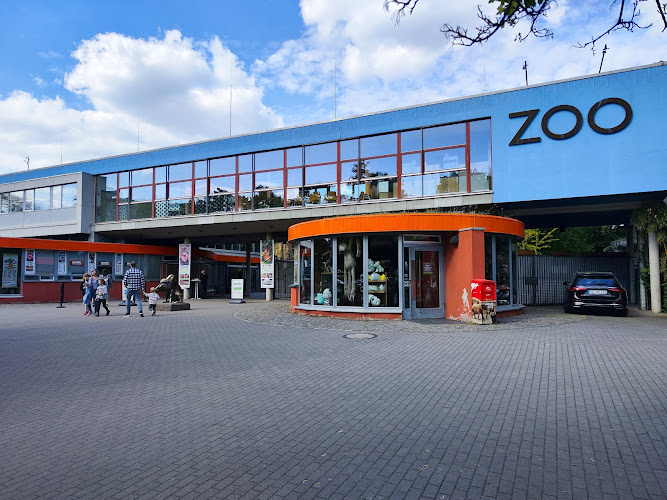
Zoo Dresden
About Zoo Dresden
Description
Zoo Dresden stands as one of Germany's most respected zoological institutions, offering visitors an intimate encounter with over 2000 wild animals representing approximately 300 species from every corner of our planet. What strikes most people when they first walk through the gates is how the zoo manages to create these surprisingly naturalistic environments that feel less like traditional zoo exhibits and more like stepping into actual habitats. I've visited my fair share of zoos across Europe, and there's something genuinely different about how Dresden approaches animal care and visitor experience. The zoo spreads across a thoughtfully designed landscape where animals live in enclosures that mirror their natural environments as closely as possible. You won't find many of those old-fashioned concrete pens here. Instead, the facility has invested considerable effort into creating spaces where animals can exhibit natural behaviors while visitors get meaningful glimpses into wildlife from continents they might never visit themselves. And honestly, that's what makes a zoo worthwhile in the modern age – education coupled with ethical animal stewardship. Located in Dresden, this attraction draws families, wildlife enthusiasts, photographers, and curious travelers who want to spend a day immersed in the animal kingdom without the typical tourist crowds you'd encounter at larger metropolitan zoos. The facility has been continuously evolving, with newer sections showcasing contemporary approaches to zoo design that prioritize animal welfare alongside visitor engagement.Key Features
Zoo Dresden offers several distinctive features that set it apart from other zoological parks travelers might have experienced: • More than 2000 individual animals across 300 species, providing remarkable diversity in a relatively intimate setting where you can actually spend quality time observing each habitat without feeling rushed • Naturalistic enclosures designed to replicate authentic habitats, allowing animals to display behaviors visitors wouldn't see in traditional zoo environments • Comprehensive wheelchair accessibility throughout the facility, including entrances, parking areas, and restrooms, making it genuinely inclusive for visitors with mobility challenges • An excellent playground area that gives children a place to burn off energy between animal exhibits, which parents will appreciate after the third request for ice cream • Birthday party hosting capabilities that transform a child's special day into an unforgettable wildlife adventure with educational components built right in • Multiple payment options including credit cards, debit cards, and NFC mobile payments, because nobody wants to hunt for an ATM when they're trying to enjoy their day • Onsite services that handle everything from food to educational programs, keeping visitors comfortable throughout their stay • Paid parking facilities that, while requiring an extra expense, ensure you'll actually find a spot rather than circling endlessly • Species representation from multiple continents, giving visitors a genuinely global perspective on wildlife conservation and biodiversityBest Time to Visit
Timing your visit to Zoo Dresden can dramatically affect your experience, and I've learned through various zoo visits that when you go matters almost as much as where you go. Spring months from April through early June present ideal conditions for zoo exploration. Animals are typically more active as temperatures warm up after winter, and you'll avoid the peak summer crowds that descend during school holidays. The zoo's gardens and natural plantings also come alive during spring, adding an extra layer of beauty to your visit. Morning hours between 9 AM and noon work particularly well during spring – animals are alert, temperatures are comfortable for walking, and you'll navigate through exhibits before afternoon fatigue sets in. Summer brings the warmest weather but also the largest crowds, especially during July and August when German schools break for vacation. If you must visit during summer, aim for weekday mornings or consider arriving late in the afternoon when day-trippers start heading home. Animals in naturalistic enclosures often retreat to shaded areas during peak heat, so you might see less activity midday. But there's something magical about a summer evening at the zoo when things cool down and animals re-emerge. Fall, particularly September and October, offers another excellent window. Crowds thin out as school resumes, temperatures remain pleasant for extended walking, and autumn colors transform the zoo's landscape into something quite photogenic. I'd argue fall might actually be the secret best time that locals know about but tourists often overlook. Winter visits require more planning. While the zoo remains open, some animals may be in indoor facilities, and weather can be genuinely cold. However, winter visits offer unique advantages – minimal crowds, animals from colder climates displaying peak activity, and a peaceful atmosphere that summer simply cannot provide. Just dress appropriately and accept that you'll see a different side of the zoo than warm-weather visitors experience. Weekdays always beat weekends for crowd management, regardless of season. If your travel schedule allows flexibility, plan your zoo day for Tuesday through Thursday when school groups are less common and weekend visitors haven't yet arrived.How to Get There
Reaching Zoo Dresden requires minimal effort, with multiple transportation options depending on your travel style and starting point within the city. Public transportation provides the most straightforward approach for travelers staying in central Dresden. The city's tram system connects directly to the zoo, and honestly, using Dresden's public transit is part of the authentic local experience. Tram lines offer regular service throughout the day, and tickets can be purchased at stations or increasingly through mobile apps. The journey from Dresden's main train station takes roughly 20-30 minutes depending on your specific route, and you'll pass through residential neighborhoods that give you a better sense of how actual Dresden residents live beyond the tourist center. For visitors driving to the zoo, the facility maintains a paid parking lot directly onsite. Navigation systems and GPS apps recognize the zoo easily, making it nearly impossible to get lost even if you're unfamiliar with Dresden's layout. The parking fee represents an additional expense beyond admission, but the convenience of parking steps from the entrance justifies the cost, especially if you're traveling with young children or prefer not to navigate public transportation in an unfamiliar city. Taxi services and ride-sharing apps operate throughout Dresden, providing door-to-door service if you prioritize convenience over cost. This option works particularly well if you're traveling as a group where splitting fare makes financial sense, or if you're staying in areas less directly connected by tram lines. Cycling represents another viable option for reaching the zoo. Dresden has been expanding its bicycle infrastructure, and if you're comfortable navigating urban cycling, the ride can be quite pleasant depending on your starting location. Some visitors combine cycling with their zoo visit as a full day of outdoor activity, though you'll want to verify bicycle parking availability before committing to this approach.Tips for Visiting
Making the most of your Zoo Dresden experience comes down to preparation and knowing a few insider strategies that casual visitors often miss. Arrive when gates open if you're visiting during busy periods. Those first hours provide the calmest experience, and many animals display peak activity in morning hours before heat and crowds alter behavior patterns. You'll also photograph better in softer morning light rather than harsh midday sun. Bring your own snacks and water, even though the zoo offers onsite food services. Having provisions means you control your schedule rather than losing precious time waiting in food queues during peak lunch hours. The zoo allows outside food, and finding a bench to enjoy your own picnic adds a relaxed element to the day. Wear genuinely comfortable walking shoes – not shoes you think are comfortable, but footwear you've tested on long walks previously. You'll cover considerable distance exploring the zoo's various sections, and discovering your shoes cause blisters three hours into your visit ruins the experience quickly. Check the zoo's feeding schedule and plan your route accordingly. Watching animals during feeding times provides dramatically more interesting experiences than viewing them at rest. Staff members often share information during feedings that you won't learn otherwise, turning a simple viewing into an educational moment. Download any available zoo maps or apps before arriving, especially if you have limited mobile data. Having navigation tools helps you prioritize exhibits that matter most to your group rather than wandering randomly and potentially missing sections you specifically wanted to see. Consider the playground timing strategically if traveling with children. Some parents use the playground as a midday break when kids need to release energy, while others save it as an end-of-visit reward. Know your children's patterns and plan accordingly, because a meltdown at the wrong moment derails everyone's enjoyment. Bring binoculars if you're serious about animal watching. Naturalistic enclosures mean animals aren't always positioned conveniently close to viewing areas, and binoculars let you observe details and behaviors you'd otherwise miss entirely. Even inexpensive binoculars dramatically improve the experience. Visit less popular exhibits during peak crowd times and save major attractions for when crowds disperse. Everyone rushes to see the same famous species first, creating bottlenecks. Going against that flow means you'll see everything without the frustration of jostling for viewing positions. Dress in layers regardless of season. Zoo environments create microclimates – you might be hot walking in full sun but surprisingly cool in shaded forest sections. Being able to adjust your clothing maintains comfort throughout the day. Prepare children beforehand about animal behavior and enclosure distances. Kids sometimes expect zoo animals to perform or position themselves conveniently, and disappointment happens when animals sleep or stay far from viewing areas. Setting realistic expectations prevents frustration and helps children appreciate natural behaviors rather than expecting entertainment-on-demand. Budget more time than you initially think necessary. Rushing through a zoo to check boxes misses the entire point. The magic happens when you slow down, observe carefully, and let yourself become absorbed in watching how animals interact with their environments and each other.Key Features
- Key Features
- Best Time to Visit
- How to Get There
- Tips for Visiting
More Details
Updated March 30, 2026
Table of Contents
Description
Zoo Dresden stands as one of Germany’s most respected zoological institutions, offering visitors an intimate encounter with over 2000 wild animals representing approximately 300 species from every corner of our planet. What strikes most people when they first walk through the gates is how the zoo manages to create these surprisingly naturalistic environments that feel less like traditional zoo exhibits and more like stepping into actual habitats. I’ve visited my fair share of zoos across Europe, and there’s something genuinely different about how Dresden approaches animal care and visitor experience.
The zoo spreads across a thoughtfully designed landscape where animals live in enclosures that mirror their natural environments as closely as possible. You won’t find many of those old-fashioned concrete pens here. Instead, the facility has invested considerable effort into creating spaces where animals can exhibit natural behaviors while visitors get meaningful glimpses into wildlife from continents they might never visit themselves. And honestly, that’s what makes a zoo worthwhile in the modern age – education coupled with ethical animal stewardship.
Located in Dresden, this attraction draws families, wildlife enthusiasts, photographers, and curious travelers who want to spend a day immersed in the animal kingdom without the typical tourist crowds you’d encounter at larger metropolitan zoos. The facility has been continuously evolving, with newer sections showcasing contemporary approaches to zoo design that prioritize animal welfare alongside visitor engagement.
Key Features
Zoo Dresden offers several distinctive features that set it apart from other zoological parks travelers might have experienced:
• More than 2000 individual animals across 300 species, providing remarkable diversity in a relatively intimate setting where you can actually spend quality time observing each habitat without feeling rushed
• Naturalistic enclosures designed to replicate authentic habitats, allowing animals to display behaviors visitors wouldn’t see in traditional zoo environments
• Comprehensive wheelchair accessibility throughout the facility, including entrances, parking areas, and restrooms, making it genuinely inclusive for visitors with mobility challenges
• An excellent playground area that gives children a place to burn off energy between animal exhibits, which parents will appreciate after the third request for ice cream
• Birthday party hosting capabilities that transform a child’s special day into an unforgettable wildlife adventure with educational components built right in
• Multiple payment options including credit cards, debit cards, and NFC mobile payments, because nobody wants to hunt for an ATM when they’re trying to enjoy their day
• Onsite services that handle everything from food to educational programs, keeping visitors comfortable throughout their stay
• Paid parking facilities that, while requiring an extra expense, ensure you’ll actually find a spot rather than circling endlessly
• Species representation from multiple continents, giving visitors a genuinely global perspective on wildlife conservation and biodiversity
Best Time to Visit
Timing your visit to Zoo Dresden can dramatically affect your experience, and I’ve learned through various zoo visits that when you go matters almost as much as where you go.
Spring months from April through early June present ideal conditions for zoo exploration. Animals are typically more active as temperatures warm up after winter, and you’ll avoid the peak summer crowds that descend during school holidays. The zoo’s gardens and natural plantings also come alive during spring, adding an extra layer of beauty to your visit. Morning hours between 9 AM and noon work particularly well during spring – animals are alert, temperatures are comfortable for walking, and you’ll navigate through exhibits before afternoon fatigue sets in.
Summer brings the warmest weather but also the largest crowds, especially during July and August when German schools break for vacation. If you must visit during summer, aim for weekday mornings or consider arriving late in the afternoon when day-trippers start heading home. Animals in naturalistic enclosures often retreat to shaded areas during peak heat, so you might see less activity midday. But there’s something magical about a summer evening at the zoo when things cool down and animals re-emerge.
Fall, particularly September and October, offers another excellent window. Crowds thin out as school resumes, temperatures remain pleasant for extended walking, and autumn colors transform the zoo’s landscape into something quite photogenic. I’d argue fall might actually be the secret best time that locals know about but tourists often overlook.
Winter visits require more planning. While the zoo remains open, some animals may be in indoor facilities, and weather can be genuinely cold. However, winter visits offer unique advantages – minimal crowds, animals from colder climates displaying peak activity, and a peaceful atmosphere that summer simply cannot provide. Just dress appropriately and accept that you’ll see a different side of the zoo than warm-weather visitors experience.
Weekdays always beat weekends for crowd management, regardless of season. If your travel schedule allows flexibility, plan your zoo day for Tuesday through Thursday when school groups are less common and weekend visitors haven’t yet arrived.
How to Get There
Reaching Zoo Dresden requires minimal effort, with multiple transportation options depending on your travel style and starting point within the city.
Public transportation provides the most straightforward approach for travelers staying in central Dresden. The city’s tram system connects directly to the zoo, and honestly, using Dresden’s public transit is part of the authentic local experience. Tram lines offer regular service throughout the day, and tickets can be purchased at stations or increasingly through mobile apps. The journey from Dresden’s main train station takes roughly 20-30 minutes depending on your specific route, and you’ll pass through residential neighborhoods that give you a better sense of how actual Dresden residents live beyond the tourist center.
For visitors driving to the zoo, the facility maintains a paid parking lot directly onsite. Navigation systems and GPS apps recognize the zoo easily, making it nearly impossible to get lost even if you’re unfamiliar with Dresden’s layout. The parking fee represents an additional expense beyond admission, but the convenience of parking steps from the entrance justifies the cost, especially if you’re traveling with young children or prefer not to navigate public transportation in an unfamiliar city.
Taxi services and ride-sharing apps operate throughout Dresden, providing door-to-door service if you prioritize convenience over cost. This option works particularly well if you’re traveling as a group where splitting fare makes financial sense, or if you’re staying in areas less directly connected by tram lines.
Cycling represents another viable option for reaching the zoo. Dresden has been expanding its bicycle infrastructure, and if you’re comfortable navigating urban cycling, the ride can be quite pleasant depending on your starting location. Some visitors combine cycling with their zoo visit as a full day of outdoor activity, though you’ll want to verify bicycle parking availability before committing to this approach.
Tips for Visiting
Making the most of your Zoo Dresden experience comes down to preparation and knowing a few insider strategies that casual visitors often miss.
Arrive when gates open if you’re visiting during busy periods. Those first hours provide the calmest experience, and many animals display peak activity in morning hours before heat and crowds alter behavior patterns. You’ll also photograph better in softer morning light rather than harsh midday sun.
Bring your own snacks and water, even though the zoo offers onsite food services. Having provisions means you control your schedule rather than losing precious time waiting in food queues during peak lunch hours. The zoo allows outside food, and finding a bench to enjoy your own picnic adds a relaxed element to the day.
Wear genuinely comfortable walking shoes – not shoes you think are comfortable, but footwear you’ve tested on long walks previously. You’ll cover considerable distance exploring the zoo’s various sections, and discovering your shoes cause blisters three hours into your visit ruins the experience quickly.
Check the zoo’s feeding schedule and plan your route accordingly. Watching animals during feeding times provides dramatically more interesting experiences than viewing them at rest. Staff members often share information during feedings that you won’t learn otherwise, turning a simple viewing into an educational moment.
Download any available zoo maps or apps before arriving, especially if you have limited mobile data. Having navigation tools helps you prioritize exhibits that matter most to your group rather than wandering randomly and potentially missing sections you specifically wanted to see.
Consider the playground timing strategically if traveling with children. Some parents use the playground as a midday break when kids need to release energy, while others save it as an end-of-visit reward. Know your children’s patterns and plan accordingly, because a meltdown at the wrong moment derails everyone’s enjoyment.
Bring binoculars if you’re serious about animal watching. Naturalistic enclosures mean animals aren’t always positioned conveniently close to viewing areas, and binoculars let you observe details and behaviors you’d otherwise miss entirely. Even inexpensive binoculars dramatically improve the experience.
Visit less popular exhibits during peak crowd times and save major attractions for when crowds disperse. Everyone rushes to see the same famous species first, creating bottlenecks. Going against that flow means you’ll see everything without the frustration of jostling for viewing positions.
Dress in layers regardless of season. Zoo environments create microclimates – you might be hot walking in full sun but surprisingly cool in shaded forest sections. Being able to adjust your clothing maintains comfort throughout the day.
Prepare children beforehand about animal behavior and enclosure distances. Kids sometimes expect zoo animals to perform or position themselves conveniently, and disappointment happens when animals sleep or stay far from viewing areas. Setting realistic expectations prevents frustration and helps children appreciate natural behaviors rather than expecting entertainment-on-demand.
Budget more time than you initially think necessary. Rushing through a zoo to check boxes misses the entire point. The magic happens when you slow down, observe carefully, and let yourself become absorbed in watching how animals interact with their environments and each other.
Key Highlights
- Key Features
- Best Time to Visit
- How to Get There
- Tips for Visiting
Location
Places to Stay Near Zoo Dresden
Find and Book a Tour
Explore More Travel Guides
No reviews found! Be the first to review!
Zoo Dresden is a prominent attractions located in Dresden.
Visit us at: Tiergartenstraße 1.
Traveler Reviews for Zoo Dresden
There are no reviews yet. Be the first one to write one.
Have you visited Zoo Dresden? Help other travelers by sharing your review.
You Might Also Like

German Hygiene Museum
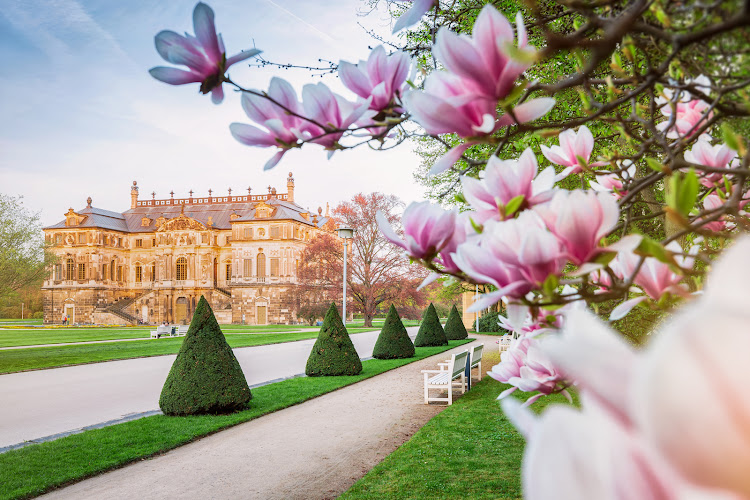
The Grand Garden of Dresden
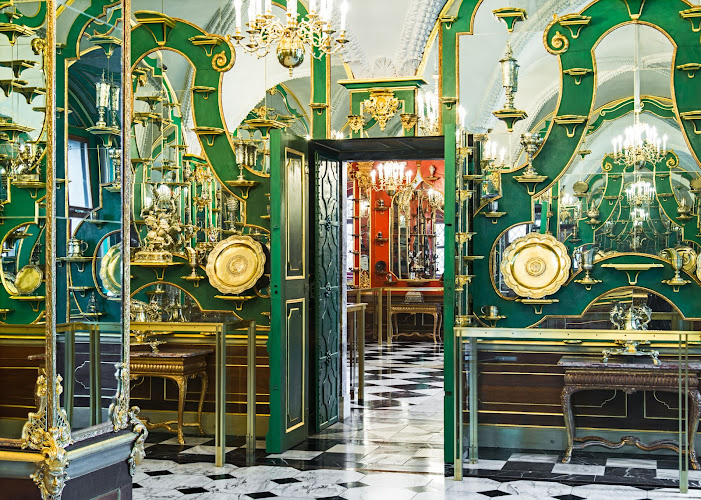
Grünes Gewölbe
Find Accommodations Nearby
Recommended Tours & Activities
Visitor Reviews
There are no reviews yet. Be the first one to write one.
Share Your Experience
Have you visited Zoo Dresden? Help other travelers by leaving a review.