About 01067 Dresden-Altstadt

Description

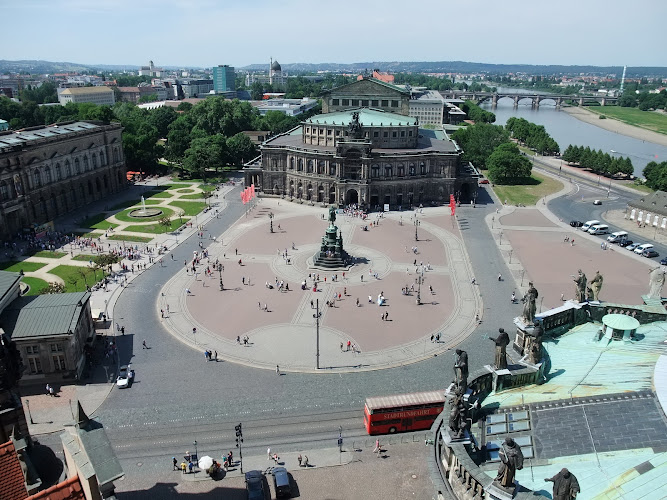
Dresden-Altstadt, specifically the 01067 postal district, represents the historical and cultural heart of one of Germany's most fascinating cities. When I first walked through this area, I honestly wasn't prepared for how much history you could feel just radiating from the cobblestones beneath my feet. This isn't just another European old town – it's a living testament to resilience, reconstruction, and the enduring spirit of Saxon culture. The 01067 district encompasses the core of Dresden's historic center, where centuries of architectural brilliance meet modern urban life in ways that'll make you stop and stare. You're standing in what was once the seat of Saxon kings, where Augustus the Strong held court and transformed Dresden into what people called the "Florence on the Elbe." And yeah, that comparison isn't just tourist-board hype – when you see the baroque architecture glowing at sunset along the Elbe River, you'll get it. What makes this particular postal code special is its concentration of world-class cultural institutions and historic landmarks within an incredibly walkable area. The Semperoper opera house, the Zwinger palace complex, the Residenzschloss castle, and the iconic Frauenkirche cathedral all fall within this district. After World War II devastation that left about 90% of the old town in ruins, Dresden undertook one of history's most ambitious reconstruction projects. Walking through today, you're witnessing a remarkable achievement – buildings meticulously restored using original plans, photographs, and even salvaged stones. But here's what guidebooks often miss: 01067 isn't a museum district. Real people live here, work here, grab their morning coffee here. The postal code includes residential buildings, government offices, and everyday businesses alongside those famous attractions. This creates an atmosphere that feels authentic rather than staged for tourists, which is increasingly rare in European historic centers.

Key Features

  • The Frauenkirche (Church of Our Lady) with its distinctive dome – rebuilt after reunification using original rubble and standing as a powerful symbol of reconciliation
  • The Zwinger palace complex featuring stunning baroque architecture, fountains, and housing multiple museums including the Old Masters Picture Gallery
  • Semperoper opera house, one of Europe's most beautiful performance venues with world-class acoustics
  • The Residenzschloss (Royal Palace) containing the famous Green Vault treasure chamber with one of Europe's richest collections
  • Brühlsche Terrasse, known as the "Balcony of Europe," offering spectacular views along the Elbe River
  • Neumarkt square, the reconstructed market square surrounded by carefully rebuilt baroque and renaissance buildings
  • Augustus Bridge connecting Altstadt with Neustadt across the Elbe
  • Katholische Hofkirche cathedral with its unique baroque architecture and royal crypt
  • Procession of Princes (Fürstenzug), a massive porcelain mural depicting Saxon rulers
  • Excellent concentration of restaurants, cafes, and shops within walking distance of major sites
  • Compact layout making everything accessible on foot within 20-30 minutes

Best Time to Visit

I'll be honest with you – Dresden-Altstadt has distinct personalities depending on when you show up, and your ideal timing really depends on what kind of experience you're after. May through September brings the warmest weather and longest days, which means you can maximize your sightseeing hours and enjoy outdoor dining along the Elbe. The city really comes alive during these months, with street performers on Neumarkt square and open-air concerts happening regularly. But – and this is a big but – you'll be sharing the experience with significantly more tourists. Museums get crowded, restaurant reservations become essential, and accommodation prices spike noticeably. I've got a soft spot for late April and early October. The weather's still pleasant enough for comfortable walking (and you'll be doing a LOT of walking), but the summer crowds haven't arrived yet or have already departed. The light in autumn particularly does something magical to those baroque facades. Plus, accommodation prices drop by maybe 30-40% compared to peak summer. December presents a special case entirely. Dresden's Striezelmarkt is one of Germany's oldest and most authentic Christmas markets, dating back to 1434. The Altstadt transforms into something almost fairy-tale-like, with the smell of Glühwein and roasted almonds filling the air. However, it gets absolutely packed – we're talking shoulder-to-shoulder crowded during peak evening hours. If Christmas markets are your thing, though, experiencing one in this historic setting is pretty much unbeatable. Winter months outside the Christmas market period (January through March) offer the lowest prices and smallest crowds. Museums and attractions are wonderfully quiet, and you'll get those postcard-perfect photos without random strangers in every frame. The tradeoff? Cold weather, shorter daylight hours, and some outdoor attractions or viewpoints being less enjoyable. I once visited in February and basically had the Brühlsche Terrasse to myself at sunset – magical, but freezing. Here's something most visitors don't consider: if you're interested in opera or classical music, check the Semperoper schedule before booking. Their season typically runs September through June, with a summer break in July and August. Attending a performance in that historic hall is genuinely worth planning your trip around.

How to Get There

Getting to Dresden-Altstadt is surprisingly straightforward, regardless of where you're coming from. Dresden Airport sits about 9 kilometers north of the city center, and it's well-connected despite being relatively small. An S-Bahn train (S2 line) runs directly from the airport to Dresden Hauptbahnhof (main train station) in about 20 minutes, costing around 2.50 euros. From Hauptbahnhof, the 01067 district is literally a 10-15 minute walk. No need for taxis or complicated transfers. If you're coming from other German cities or elsewhere in Europe, train travel is probably your best bet. Dresden sits on major rail lines connecting it to Berlin (2 hours), Prague (2.5 hours), Leipzig (1.5 hours), and other cities. The Hauptbahnhof puts you right at the edge of the Altstadt district – you can see the church spires from the station exit. For drivers, the A4 and A17 autobahns provide access to Dresden. But here's my advice: unless you're planning day trips outside the city, don't drive in the Altstadt. Parking is expensive, limited, and honestly unnecessary. The entire 01067 district is designed for pedestrians. If you are driving, look for park-and-ride facilities on the city outskirts and use public transport to reach the center. Once you're in Dresden, the tram system is efficient and covers the city extensively. However, for exploring the 01067 district specifically, your feet are genuinely the best transportation. Everything sits within maybe a one-kilometer radius. I spent three days there and never once felt the need for public transport within the old town itself. From Berlin, FlixBus and similar intercity bus services offer budget-friendly options, usually taking 2.5-3 hours. You'll arrive at Dresden's central bus station, which is adjacent to the Hauptbahnhof.

Tips for Visiting

Buy a Dresden Museums Card if you're planning to visit multiple attractions. It covers admission to basically all the major museums and collections, plus public transport. Depending on how many sites you want to see, it typically pays for itself after just two or three attractions. They come in 1-day and 2-day versions. Book tickets for the Green Vault (Grünes Gewölbe) in advance – like, well in advance if you're visiting during peak season. They limit daily visitor numbers to protect the collection, and tickets often sell out days or even weeks ahead. I learned this the hard way on my first visit and spent half a morning in a fruitless ticket queue. The Frauenkirche is free to enter (donations appreciated), but climbing the dome costs extra and requires separate tickets. The view is spectacular and absolutely worth it, but be prepared for narrow staircases. If you've got mobility issues, maybe skip it. For genuine Saxon cuisine without tourist markups, walk a few streets away from the main squares. Places right on Neumarkt or directly across from major attractions charge premium prices. Three or four streets over, you'll find restaurants where locals actually eat, serving traditional dishes like Sauerbraten or Quarkkeulchen at reasonable prices. Street musicians and performers around Neumarkt are generally talented and worth watching, but be aware that some work in teams with pickpockets. Keep your belongings secure, especially in crowds. This isn't meant to scare you – Dresden is generally very safe – but tourist areas everywhere attract opportunists. The Brühlsche Terrasse (Balcony of Europe) deserves more time than most visitors give it. It's free, offers incredible views, and has several excellent cafes where you can sit with a coffee and just absorb the atmosphere. Go at different times of day if possible – it looks completely different at sunset versus midday. If you're interested in the reconstruction story, look for the darker stones in rebuilt buildings. These are original stones salvaged from the rubble, deliberately incorporated to create a visual record of the destruction and rebuilding. The Frauenkirche is the most obvious example, but you'll spot this throughout the district once you know to look for it. Most museums close Mondays or Tuesdays, so check schedules before planning your daily itinerary. Nothing's more frustrating than showing up to find the one place you really wanted to see is closed. Learn at least basic German pleasantries. While many people in tourist-facing roles speak English, making an effort with "Guten Tag" and "Danke schön" goes a long way. Germans appreciate the attempt, even if you butcher the pronunciation. Finally, give yourself permission to slow down. Dresden-Altstadt isn't a place to rush through checking boxes on an itinerary. Find a cafe along the Elbe, order a coffee or beer, and just watch the city move around you. That's when the real magic happens.

Key Features

  • The Frauenkirche (Church of Our Lady) with its distinctive dome – rebuilt after reunification using original rubble and standing as a powerful symbol of reconciliation
  • The Zwinger palace complex featuring stunning baroque architecture, fountains, and housing multiple museums including the Old Masters Picture Gallery
  • Semperoper opera house, one of Europe's most beautiful performance venues with world-class acoustics
  • The Residenzschloss (Royal Palace) containing the famous Green Vault treasure chamber with one of Europe's richest collections
  • Brühlsche Terrasse, known as the "Balcony of Europe," offering spectacular views along the Elbe River
  • Neumarkt square, the reconstructed market square surrounded by carefully rebuilt baroque and renaissance buildings
  • Augustus Bridge connecting Altstadt with Neustadt across the Elbe
  • Katholische Hofkirche cathedral with its unique baroque architecture and royal crypt

More Details

Updated March 30, 2026

Description

Dresden-Altstadt, specifically the 01067 postal district, represents the historical and cultural heart of one of Germany’s most fascinating cities. When I first walked through this area, I honestly wasn’t prepared for how much history you could feel just radiating from the cobblestones beneath my feet. This isn’t just another European old town – it’s a living testament to resilience, reconstruction, and the enduring spirit of Saxon culture.

The 01067 district encompasses the core of Dresden’s historic center, where centuries of architectural brilliance meet modern urban life in ways that’ll make you stop and stare. You’re standing in what was once the seat of Saxon kings, where Augustus the Strong held court and transformed Dresden into what people called the “Florence on the Elbe.” And yeah, that comparison isn’t just tourist-board hype – when you see the baroque architecture glowing at sunset along the Elbe River, you’ll get it.

What makes this particular postal code special is its concentration of world-class cultural institutions and historic landmarks within an incredibly walkable area. The Semperoper opera house, the Zwinger palace complex, the Residenzschloss castle, and the iconic Frauenkirche cathedral all fall within this district. After World War II devastation that left about 90% of the old town in ruins, Dresden undertook one of history’s most ambitious reconstruction projects. Walking through today, you’re witnessing a remarkable achievement – buildings meticulously restored using original plans, photographs, and even salvaged stones.

But here’s what guidebooks often miss: 01067 isn’t a museum district. Real people live here, work here, grab their morning coffee here. The postal code includes residential buildings, government offices, and everyday businesses alongside those famous attractions. This creates an atmosphere that feels authentic rather than staged for tourists, which is increasingly rare in European historic centers.

Key Features

  • The Frauenkirche (Church of Our Lady) with its distinctive dome – rebuilt after reunification using original rubble and standing as a powerful symbol of reconciliation
  • The Zwinger palace complex featuring stunning baroque architecture, fountains, and housing multiple museums including the Old Masters Picture Gallery
  • Semperoper opera house, one of Europe’s most beautiful performance venues with world-class acoustics
  • The Residenzschloss (Royal Palace) containing the famous Green Vault treasure chamber with one of Europe’s richest collections
  • Brühlsche Terrasse, known as the “Balcony of Europe,” offering spectacular views along the Elbe River
  • Neumarkt square, the reconstructed market square surrounded by carefully rebuilt baroque and renaissance buildings
  • Augustus Bridge connecting Altstadt with Neustadt across the Elbe
  • Katholische Hofkirche cathedral with its unique baroque architecture and royal crypt
  • Procession of Princes (Fürstenzug), a massive porcelain mural depicting Saxon rulers
  • Excellent concentration of restaurants, cafes, and shops within walking distance of major sites
  • Compact layout making everything accessible on foot within 20-30 minutes

Best Time to Visit

I’ll be honest with you – Dresden-Altstadt has distinct personalities depending on when you show up, and your ideal timing really depends on what kind of experience you’re after.

May through September brings the warmest weather and longest days, which means you can maximize your sightseeing hours and enjoy outdoor dining along the Elbe. The city really comes alive during these months, with street performers on Neumarkt square and open-air concerts happening regularly. But – and this is a big but – you’ll be sharing the experience with significantly more tourists. Museums get crowded, restaurant reservations become essential, and accommodation prices spike noticeably.

I’ve got a soft spot for late April and early October. The weather’s still pleasant enough for comfortable walking (and you’ll be doing a LOT of walking), but the summer crowds haven’t arrived yet or have already departed. The light in autumn particularly does something magical to those baroque facades. Plus, accommodation prices drop by maybe 30-40% compared to peak summer.

December presents a special case entirely. Dresden’s Striezelmarkt is one of Germany’s oldest and most authentic Christmas markets, dating back to 1434. The Altstadt transforms into something almost fairy-tale-like, with the smell of Glühwein and roasted almonds filling the air. However, it gets absolutely packed – we’re talking shoulder-to-shoulder crowded during peak evening hours. If Christmas markets are your thing, though, experiencing one in this historic setting is pretty much unbeatable.

Winter months outside the Christmas market period (January through March) offer the lowest prices and smallest crowds. Museums and attractions are wonderfully quiet, and you’ll get those postcard-perfect photos without random strangers in every frame. The tradeoff? Cold weather, shorter daylight hours, and some outdoor attractions or viewpoints being less enjoyable. I once visited in February and basically had the Brühlsche Terrasse to myself at sunset – magical, but freezing.

Here’s something most visitors don’t consider: if you’re interested in opera or classical music, check the Semperoper schedule before booking. Their season typically runs September through June, with a summer break in July and August. Attending a performance in that historic hall is genuinely worth planning your trip around.

How to Get There

Getting to Dresden-Altstadt is surprisingly straightforward, regardless of where you’re coming from. Dresden Airport sits about 9 kilometers north of the city center, and it’s well-connected despite being relatively small. An S-Bahn train (S2 line) runs directly from the airport to Dresden Hauptbahnhof (main train station) in about 20 minutes, costing around 2.50 euros. From Hauptbahnhof, the 01067 district is literally a 10-15 minute walk. No need for taxis or complicated transfers.

If you’re coming from other German cities or elsewhere in Europe, train travel is probably your best bet. Dresden sits on major rail lines connecting it to Berlin (2 hours), Prague (2.5 hours), Leipzig (1.5 hours), and other cities. The Hauptbahnhof puts you right at the edge of the Altstadt district – you can see the church spires from the station exit.

For drivers, the A4 and A17 autobahns provide access to Dresden. But here’s my advice: unless you’re planning day trips outside the city, don’t drive in the Altstadt. Parking is expensive, limited, and honestly unnecessary. The entire 01067 district is designed for pedestrians. If you are driving, look for park-and-ride facilities on the city outskirts and use public transport to reach the center.

Once you’re in Dresden, the tram system is efficient and covers the city extensively. However, for exploring the 01067 district specifically, your feet are genuinely the best transportation. Everything sits within maybe a one-kilometer radius. I spent three days there and never once felt the need for public transport within the old town itself.

From Berlin, FlixBus and similar intercity bus services offer budget-friendly options, usually taking 2.5-3 hours. You’ll arrive at Dresden’s central bus station, which is adjacent to the Hauptbahnhof.

Tips for Visiting

Buy a Dresden Museums Card if you’re planning to visit multiple attractions. It covers admission to basically all the major museums and collections, plus public transport. Depending on how many sites you want to see, it typically pays for itself after just two or three attractions. They come in 1-day and 2-day versions.

Book tickets for the Green Vault (Grünes Gewölbe) in advance – like, well in advance if you’re visiting during peak season. They limit daily visitor numbers to protect the collection, and tickets often sell out days or even weeks ahead. I learned this the hard way on my first visit and spent half a morning in a fruitless ticket queue.

The Frauenkirche is free to enter (donations appreciated), but climbing the dome costs extra and requires separate tickets. The view is spectacular and absolutely worth it, but be prepared for narrow staircases. If you’ve got mobility issues, maybe skip it.

For genuine Saxon cuisine without tourist markups, walk a few streets away from the main squares. Places right on Neumarkt or directly across from major attractions charge premium prices. Three or four streets over, you’ll find restaurants where locals actually eat, serving traditional dishes like Sauerbraten or Quarkkeulchen at reasonable prices.

Street musicians and performers around Neumarkt are generally talented and worth watching, but be aware that some work in teams with pickpockets. Keep your belongings secure, especially in crowds. This isn’t meant to scare you – Dresden is generally very safe – but tourist areas everywhere attract opportunists.

The Brühlsche Terrasse (Balcony of Europe) deserves more time than most visitors give it. It’s free, offers incredible views, and has several excellent cafes where you can sit with a coffee and just absorb the atmosphere. Go at different times of day if possible – it looks completely different at sunset versus midday.

If you’re interested in the reconstruction story, look for the darker stones in rebuilt buildings. These are original stones salvaged from the rubble, deliberately incorporated to create a visual record of the destruction and rebuilding. The Frauenkirche is the most obvious example, but you’ll spot this throughout the district once you know to look for it.

Most museums close Mondays or Tuesdays, so check schedules before planning your daily itinerary. Nothing’s more frustrating than showing up to find the one place you really wanted to see is closed.

Learn at least basic German pleasantries. While many people in tourist-facing roles speak English, making an effort with “Guten Tag” and “Danke schön” goes a long way. Germans appreciate the attempt, even if you butcher the pronunciation.

Finally, give yourself permission to slow down. Dresden-Altstadt isn’t a place to rush through checking boxes on an itinerary. Find a cafe along the Elbe, order a coffee or beer, and just watch the city move around you. That’s when the real magic happens.

Key Highlights

  • The Frauenkirche (Church of Our Lady) with its distinctive dome – rebuilt after reunification using original rubble and standing as a powerful symbol of reconciliation
  • The Zwinger palace complex featuring stunning baroque architecture, fountains, and housing multiple museums including the Old Masters Picture Gallery
  • Semperoper opera house, one of Europe's most beautiful performance venues with world-class acoustics
  • The Residenzschloss (Royal Palace) containing the famous Green Vault treasure chamber with one of Europe's richest collections
  • Brühlsche Terrasse, known as the "Balcony of Europe," offering spectacular views along the Elbe River
  • Neumarkt square, the reconstructed market square surrounded by carefully rebuilt baroque and renaissance buildings
  • Augustus Bridge connecting Altstadt with Neustadt across the Elbe
  • Katholische Hofkirche cathedral with its unique baroque architecture and royal crypt

Location

Places to Stay Near 01067 Dresden-Altstadt

Find and Book a Tour

Explore More Travel Guides

No reviews found! Be the first to review!

01067 Dresden-Altstadt is a prominent Attractions located in Dresden.

Visit us at: Brühlscher Garten 1, 01067 Dresden, Germany.

Traveler Reviews for 01067 Dresden-Altstadt

There are no reviews yet. Be the first one to write one.

Share Your Experience

Have you visited 01067 Dresden-Altstadt? Help other travelers by sharing your review.

Find Accommodations Nearby

Recommended Tours & Activities

Visitor Reviews

There are no reviews yet. Be the first one to write one.

Share Your Experience

Have you visited 01067 Dresden-Altstadt? Help other travelers by leaving a review.