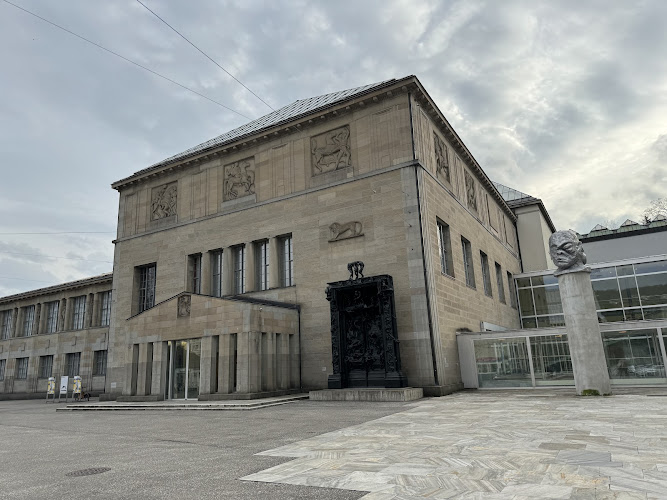
About Kunsthaus Zürich

Description

The Kunsthaus Zürich stands as one of Switzerland's most impressive art institutions, and honestly, it's the kind of place that sneaks up on you in the best possible way. This isn't just another art museum you check off your list – it's a genuine journey through European artistic achievement spanning over five centuries. When travelers think about Zürich, they usually picture banking, chocolate, and those pristine alpine views. But this museum deserves equal billing in any travel itinerary. Walking through the Kunsthaus feels different from many major European art museums. There's something more intimate about the experience, even though the collection itself rivals institutions with far louder international reputations. The museum houses an extraordinary range of works from the 15th century right up to contemporary pieces that might've been created last month. And let me tell you, the way they've curated everything shows a real understanding of how art tells stories across time. What really sets this place apart is its jaw-dropping collection of Alberto Giacometti sculptures and paintings. The museum holds the world's largest collection of his work, which alone makes it a pilgrimage site for art lovers. Those haunting, elongated bronze figures that Giacometti became famous for? You'll find yourself standing inches away from them, experiencing their strange power in person. The building itself underwent a major expansion recently, adding a striking contemporary structure that somehow manages to complement the original 1910 architecture without competing with it. It's a women-owned institution too, which adds another dimension to its progressive approach to both art and museum management. The space feels thoughtfully designed – rooms flow naturally from one era to another, and you never get that exhausted, museum-fatigue feeling that hits you in some of the bigger European collections.

Key Features

  • Houses the world's most extensive Alberto Giacometti collection, featuring his iconic sculptures and paintings that you've probably seen in art history books
  • Displays major European masterworks spanning from the 15th century to present day, including significant pieces by Monet, Picasso, Van Gogh, and Chagall
  • Features a newly expanded architectural space that doubled the exhibition area, creating one of Switzerland's largest art museums
  • Offers rotating temporary exhibitions that bring international contemporary artists and thematic shows throughout the year
  • Includes an impressive Swiss art collection that gives context to the country's often-overlooked artistic contributions
  • Provides wheelchair accessible facilities throughout, including entrance, parking, and restrooms
  • Contains an on-site restaurant where visitors can grab lunch or coffee without leaving the museum grounds
  • Hosts live performances and special events that bring art to life beyond static gallery viewing
  • Maintains free WiFi throughout the building for those who want to dig deeper into the works or share their experience in real-time
  • Creates family-friendly programming with facilities including changing tables and kid-oriented tours
  • Proudly identifies as LGBTQ+ friendly and maintains its reputation as a transgender safe space

Best Time to Visit

Timing your visit to the Kunsthaus Zürich can make a real difference in your experience. From my observations and what seasoned travelers report, weekday mornings – particularly Tuesday through Thursday between 10 AM and noon – offer the most peaceful viewing conditions. The galleries breathe a little easier then, and you can actually stand in front of a Monet without someone's selfie stick invading your peripheral vision. Summer months bring tourist crowds, as you'd expect. July and August see the museum busier than usual, though it never reaches the absolutely crushing levels you'd encounter at the Louvre or Uffizi. Still, if you're visiting Zürich during peak season, getting there right when doors open gives you a solid hour of relatively quiet contemplation before tour groups arrive. Winter visits have their own charm. January and February are genuinely quiet months, and there's something special about escaping Zürich's cold drizzle into warm galleries filled with artistic brilliance. Plus, the city itself is less crowded, making your entire Zürich experience more manageable. But here's something most guidebooks won't tell you – pay attention to the temporary exhibition schedule. The Kunsthaus regularly hosts blockbuster shows that draw massive crowds regardless of season. Check their exhibition calendar before booking your trip. If there's a major contemporary artist featured, expect bigger crowds but also a more electric atmosphere. Weekends are predictably busier, especially Saturday afternoons when locals mix with tourists. Sunday mornings offer a nice middle ground – busy enough that the museum feels alive but not so packed that you're shuffling through galleries in a queue. The museum stays open late on Wednesdays until 8 PM, which creates an entirely different vibe. Evening visits attract a different crowd – more locals, more young people, more of that relaxed energy that comes when you're not racing through to hit other tourist spots.

How to Get There

Getting to the Kunsthaus Zürich is refreshingly straightforward, which says a lot about Swiss public transportation efficiency. The museum sits in central Zürich, easily reachable by pretty much any method you choose. Tram is your best bet, honestly. Lines 3, 5, 8, and 9 all stop at Kunsthaus, which is literally right outside the entrance. Zürich's tram system is clean, punctual (this is Switzerland after all), and covers the entire city like a well-planned spiderweb. If you're staying anywhere in the city center, you're probably within a 15-minute tram ride. Buy your ticket before boarding – there are machines at every stop, and inspectors don't accept the "I'm a tourist" excuse. Walking works wonderfully if you're based around Zürich's old town or near the lake. The museum sits just a few minutes stroll from the main shopping district on Bahnhofstrasse. I've walked there from the central train station in about 20 minutes, which gave me a chance to see the city and arrive at the museum with that energized feeling you get from urban exploration. If you're arriving from Zürich Airport, take the train to Zürich Hauptbahnhof (the main station), then hop on one of those trams I mentioned. The entire journey takes maybe 30-40 minutes depending on connections, and it's infinitely more pleasant than dealing with taxis or ride-shares in an unfamiliar city. For drivers, parking exists but comes with the usual Swiss city center challenges – expensive and somewhat limited. There's accessible parking specifically designated for visitors with disabilities, which the museum has thoughtfully provided. But honestly, unless you have mobility concerns, skip the car hassle and embrace public transport. The beauty of Zürich's transportation system is that most hotels provide free public transport passes during your stay. Check with your accommodation – you might already have unlimited travel without realizing it.

Tips for Visiting

Plan for at least three hours if you want to properly experience the collection. I know, I know – everyone says they'll spend more time than they actually do in museums. But the Kunsthaus genuinely deserves it. Rushing through here means missing nuances that make the collection special. Download their app or grab an audio guide. The context provided transforms your visit from "looking at old paintings" to understanding artistic movements, historical connections, and individual artist stories. Some pieces that might not grab you visually suddenly become fascinating when you know their backstory. Wear comfortable shoes. This sounds obvious, but those polished concrete floors look great and feel absolutely brutal after two hours of standing and slow walking. Your feet will thank you for choosing comfort over style. The museum restaurant actually serves decent food, which isn't something you can say about every museum cafe. If you're planning a long visit, factor in a lunch break there. The prices are reasonable by Swiss standards (though everything's expensive in Switzerland, let's be real), and it beats leaving the museum then fighting your way back in. Photography is generally allowed for the permanent collection, but flash is prohibited and some temporary exhibitions restrict photos entirely. Check the specific rules when you arrive, and be respectful – nobody wants to view art through a forest of raised phones. Student discounts and Swiss travel passes often provide reduced admission. Bring ID and any relevant cards that might score you a discount. The Swiss take their documentation seriously, so have it ready. Visit the Giacometti collection first while your energy is high. Those sculptures deserve focused attention, and they're haunting enough that experiencing them when you're mentally fresh creates a stronger impact. You can always circle back if you want. Check if there are guided tours in English during your visit. The insights from knowledgeable guides add layers of understanding you'd miss exploring solo. Plus, they often share insider stories about acquisitions and lesser-known pieces that don't make it into the audio guides. The museum shop is actually worth browsing, unlike some tourist-trap museum stores. They stock quality art books, unique gifts, and exhibition catalogs that make genuine keepsakes rather than dusty shelf-fillers. If you're traveling with kids, ask about family programming. The museum takes its family-friendly designation seriously, offering activities that engage younger visitors without dumbing down the art. Changing tables are available, making visits with very young children more manageable. Don't try to see everything. Seriously. Museum exhaustion is real, and the Kunsthaus collection is extensive enough that completionism becomes counterproductive. Pick your priorities – maybe it's the Impressionists, maybe it's contemporary works, maybe it's just the Giacometti collection. Deep engagement with fewer pieces beats superficial exposure to everything. Wednesday evening visits offer a different atmosphere if your schedule allows. The museum takes on a more local, less touristy feeling, and you might catch special programming or performances that aren't available during regular hours. Finally, give yourself permission to sit and just observe. There are benches throughout the galleries for a reason. Sometimes the best museum experiences come from parking yourself in front of a single painting for ten minutes, letting it really sink in rather than photographing everything and moving on.

Key Features

  • Comprehensive collection from the 13th century to contemporary art
  • One of the most extensive Giacometti holdings worldwide
  • Significant collection of Edvard Munch paintings outside Norway
  • Rotating temporary exhibitions of international calibre
  • On-site café and museum shop; accessible central location

More Details

Updated January 17, 2026

Description

The Kunsthaus Zürich stands as one of Switzerland’s most impressive art institutions, and honestly, it’s the kind of place that sneaks up on you in the best possible way. This isn’t just another art museum you check off your list – it’s a genuine journey through European artistic achievement spanning over five centuries. When travelers think about Zürich, they usually picture banking, chocolate, and those pristine alpine views. But this museum deserves equal billing in any travel itinerary.

Walking through the Kunsthaus feels different from many major European art museums. There’s something more intimate about the experience, even though the collection itself rivals institutions with far louder international reputations. The museum houses an extraordinary range of works from the 15th century right up to contemporary pieces that might’ve been created last month. And let me tell you, the way they’ve curated everything shows a real understanding of how art tells stories across time.

What really sets this place apart is its jaw-dropping collection of Alberto Giacometti sculptures and paintings. The museum holds the world’s largest collection of his work, which alone makes it a pilgrimage site for art lovers. Those haunting, elongated bronze figures that Giacometti became famous for? You’ll find yourself standing inches away from them, experiencing their strange power in person.

The building itself underwent a major expansion recently, adding a striking contemporary structure that somehow manages to complement the original 1910 architecture without competing with it. It’s a women-owned institution too, which adds another dimension to its progressive approach to both art and museum management. The space feels thoughtfully designed – rooms flow naturally from one era to another, and you never get that exhausted, museum-fatigue feeling that hits you in some of the bigger European collections.

Key Features

  • Houses the world’s most extensive Alberto Giacometti collection, featuring his iconic sculptures and paintings that you’ve probably seen in art history books
  • Displays major European masterworks spanning from the 15th century to present day, including significant pieces by Monet, Picasso, Van Gogh, and Chagall
  • Features a newly expanded architectural space that doubled the exhibition area, creating one of Switzerland’s largest art museums
  • Offers rotating temporary exhibitions that bring international contemporary artists and thematic shows throughout the year
  • Includes an impressive Swiss art collection that gives context to the country’s often-overlooked artistic contributions
  • Provides wheelchair accessible facilities throughout, including entrance, parking, and restrooms
  • Contains an on-site restaurant where visitors can grab lunch or coffee without leaving the museum grounds
  • Hosts live performances and special events that bring art to life beyond static gallery viewing
  • Maintains free WiFi throughout the building for those who want to dig deeper into the works or share their experience in real-time
  • Creates family-friendly programming with facilities including changing tables and kid-oriented tours
  • Proudly identifies as LGBTQ+ friendly and maintains its reputation as a transgender safe space

Best Time to Visit

Timing your visit to the Kunsthaus Zürich can make a real difference in your experience. From my observations and what seasoned travelers report, weekday mornings – particularly Tuesday through Thursday between 10 AM and noon – offer the most peaceful viewing conditions. The galleries breathe a little easier then, and you can actually stand in front of a Monet without someone’s selfie stick invading your peripheral vision.

Summer months bring tourist crowds, as you’d expect. July and August see the museum busier than usual, though it never reaches the absolutely crushing levels you’d encounter at the Louvre or Uffizi. Still, if you’re visiting Zürich during peak season, getting there right when doors open gives you a solid hour of relatively quiet contemplation before tour groups arrive.

Winter visits have their own charm. January and February are genuinely quiet months, and there’s something special about escaping Zürich’s cold drizzle into warm galleries filled with artistic brilliance. Plus, the city itself is less crowded, making your entire Zürich experience more manageable.

But here’s something most guidebooks won’t tell you – pay attention to the temporary exhibition schedule. The Kunsthaus regularly hosts blockbuster shows that draw massive crowds regardless of season. Check their exhibition calendar before booking your trip. If there’s a major contemporary artist featured, expect bigger crowds but also a more electric atmosphere.

Weekends are predictably busier, especially Saturday afternoons when locals mix with tourists. Sunday mornings offer a nice middle ground – busy enough that the museum feels alive but not so packed that you’re shuffling through galleries in a queue.

The museum stays open late on Wednesdays until 8 PM, which creates an entirely different vibe. Evening visits attract a different crowd – more locals, more young people, more of that relaxed energy that comes when you’re not racing through to hit other tourist spots.

How to Get There

Getting to the Kunsthaus Zürich is refreshingly straightforward, which says a lot about Swiss public transportation efficiency. The museum sits in central Zürich, easily reachable by pretty much any method you choose.

Tram is your best bet, honestly. Lines 3, 5, 8, and 9 all stop at Kunsthaus, which is literally right outside the entrance. Zürich’s tram system is clean, punctual (this is Switzerland after all), and covers the entire city like a well-planned spiderweb. If you’re staying anywhere in the city center, you’re probably within a 15-minute tram ride. Buy your ticket before boarding – there are machines at every stop, and inspectors don’t accept the “I’m a tourist” excuse.

Walking works wonderfully if you’re based around Zürich’s old town or near the lake. The museum sits just a few minutes stroll from the main shopping district on Bahnhofstrasse. I’ve walked there from the central train station in about 20 minutes, which gave me a chance to see the city and arrive at the museum with that energized feeling you get from urban exploration.

If you’re arriving from Zürich Airport, take the train to Zürich Hauptbahnhof (the main station), then hop on one of those trams I mentioned. The entire journey takes maybe 30-40 minutes depending on connections, and it’s infinitely more pleasant than dealing with taxis or ride-shares in an unfamiliar city.

For drivers, parking exists but comes with the usual Swiss city center challenges – expensive and somewhat limited. There’s accessible parking specifically designated for visitors with disabilities, which the museum has thoughtfully provided. But honestly, unless you have mobility concerns, skip the car hassle and embrace public transport.

The beauty of Zürich’s transportation system is that most hotels provide free public transport passes during your stay. Check with your accommodation – you might already have unlimited travel without realizing it.

Tips for Visiting

Plan for at least three hours if you want to properly experience the collection. I know, I know – everyone says they’ll spend more time than they actually do in museums. But the Kunsthaus genuinely deserves it. Rushing through here means missing nuances that make the collection special.

Download their app or grab an audio guide. The context provided transforms your visit from “looking at old paintings” to understanding artistic movements, historical connections, and individual artist stories. Some pieces that might not grab you visually suddenly become fascinating when you know their backstory.

Wear comfortable shoes. This sounds obvious, but those polished concrete floors look great and feel absolutely brutal after two hours of standing and slow walking. Your feet will thank you for choosing comfort over style.

The museum restaurant actually serves decent food, which isn’t something you can say about every museum cafe. If you’re planning a long visit, factor in a lunch break there. The prices are reasonable by Swiss standards (though everything’s expensive in Switzerland, let’s be real), and it beats leaving the museum then fighting your way back in.

Photography is generally allowed for the permanent collection, but flash is prohibited and some temporary exhibitions restrict photos entirely. Check the specific rules when you arrive, and be respectful – nobody wants to view art through a forest of raised phones.

Student discounts and Swiss travel passes often provide reduced admission. Bring ID and any relevant cards that might score you a discount. The Swiss take their documentation seriously, so have it ready.

Visit the Giacometti collection first while your energy is high. Those sculptures deserve focused attention, and they’re haunting enough that experiencing them when you’re mentally fresh creates a stronger impact. You can always circle back if you want.

Check if there are guided tours in English during your visit. The insights from knowledgeable guides add layers of understanding you’d miss exploring solo. Plus, they often share insider stories about acquisitions and lesser-known pieces that don’t make it into the audio guides.

The museum shop is actually worth browsing, unlike some tourist-trap museum stores. They stock quality art books, unique gifts, and exhibition catalogs that make genuine keepsakes rather than dusty shelf-fillers.

If you’re traveling with kids, ask about family programming. The museum takes its family-friendly designation seriously, offering activities that engage younger visitors without dumbing down the art. Changing tables are available, making visits with very young children more manageable.

Don’t try to see everything. Seriously. Museum exhaustion is real, and the Kunsthaus collection is extensive enough that completionism becomes counterproductive. Pick your priorities – maybe it’s the Impressionists, maybe it’s contemporary works, maybe it’s just the Giacometti collection. Deep engagement with fewer pieces beats superficial exposure to everything.

Wednesday evening visits offer a different atmosphere if your schedule allows. The museum takes on a more local, less touristy feeling, and you might catch special programming or performances that aren’t available during regular hours.

Finally, give yourself permission to sit and just observe. There are benches throughout the galleries for a reason. Sometimes the best museum experiences come from parking yourself in front of a single painting for ten minutes, letting it really sink in rather than photographing everything and moving on.

Key Highlights

  • Comprehensive collection from the 13th century to contemporary art
  • One of the most extensive Giacometti holdings worldwide
  • Significant collection of Edvard Munch paintings outside Norway
  • Rotating temporary exhibitions of international calibre
  • On-site café and museum shop; accessible central location

Location

Places to Stay Near Kunsthaus Zürich

Find and Book a Tour

Explore More Travel Guides

No reviews found! Be the first to review!

Traveler Reviews for Kunsthaus Zürich

There are no reviews yet. Be the first one to write one.

Share Your Experience

Have you visited Kunsthaus Zürich? Help other travelers by sharing your review.

Nearby Attractions

Old Town (Altstadt) of Zürich Limmatquai and riverside promenades Swiss National Museum or other central Zürich museums

Find Accommodations Nearby

Recommended Tours & Activities

Visitor Reviews

There are no reviews yet. Be the first one to write one.

Share Your Experience

Have you visited Kunsthaus Zürich? Help other travelers by leaving a review.