Museum Rietberg
About Museum Rietberg
Description
Museum Rietberg stands as Switzerland's only museum dedicated exclusively to non-European art, and honestly, it's one of those places that catches you completely off guard in the best possible way. Set within the beautiful Rieterpark in Zurich, this cultural gem combines the elegance of a 19th-century villa with a strikingly modern underground extension that somehow manages to blend seamlessly with the historic architecture above ground. The museum houses an impressive collection spanning Asian, African, American, and ancient Mediterranean cultures. Walking through these galleries feels less like a typical museum visit and more like embarking on a global journey without ever leaving Swiss soil. The collection includes everything from Buddhist sculptures and Indian miniatures to masks from West Africa and textiles from the Americas. What makes this place particularly special is how the curators present these artifacts - not as exotic curiosities but as sophisticated artistic achievements that deserve the same reverence as European masterpieces. The villa itself, called Villa Wesendonck, has its own fascinating history. Richard Wagner once lived nearby and was inspired by the villa's owner's wife to compose parts of his famous opera Tristan und Isolde. You can almost feel that creative energy still lingering in the rooms. But the real architectural surprise comes when you descend into the "Emerald," the modern extension designed by architects Alfred Grazioli and Adolf Krischanitz. This underground space brings natural light flooding in through carefully placed glass pavilions, creating an atmosphere that's both contemporary and contemplative. The park surrounding the museum deserves mention too. It's not just a backdrop but an integral part of the experience. Ancient trees, sweeping lawns, and peaceful pathways make the approach to the museum feel special. On a sunny afternoon, you'll find locals picnicking on the grass and families letting their kids run free before or after their museum visit.Key Features
The Museum Rietberg offers travelers a distinctive cultural experience with several standout features: • An extensive collection of Asian art including Chinese ceramics, Japanese woodblock prints, and Buddhist sculptures spanning multiple centuries and artistic movements • African art galleries showcasing masks, sculptures, and textiles that demonstrate the continent's diverse creative traditions beyond stereotypical representations • The remarkable underground "Emerald" extension that uses innovative architecture to create naturally lit exhibition spaces below ground level • Live performances and cultural events that bring the artworks to life through music, dance, and theatrical presentations rooted in the cultures represented in the collection • A well-regarded restaurant and cafe where visitors can enjoy refreshments in a setting that overlooks the park, making it easy to spend an entire day at the museum without feeling rushed • Fully accessible facilities including wheelchair-friendly entrances, parking, and restrooms, making the museum welcoming for all visitors regardless of mobility needs • A villa setting that provides an intimate viewing experience quite different from massive institutional museums, allowing for more personal connections with the artworks • Temporary exhibitions that rotate regularly, ensuring there's always something new to discover even for repeat visitors • Family-friendly amenities including changing tables and educational programs designed specifically for younger audiences to engage with world cultures • A museum shop offering unique gifts, books, and reproductions that you won't find in typical Swiss souvenir shopsBest Time to Visit
Timing your visit to Museum Rietberg can really enhance the experience, though I'll admit this isn't the kind of place that gets uncomfortably crowded even during peak tourist season. That's one of its charms, actually. Spring and early summer, particularly from April through June, offer probably the most rewarding experience. The park surrounding the museum comes alive with blooming flowers and lush greenery, and the weather is perfect for wandering the grounds before or after exploring the galleries. You can actually make a whole afternoon of it - museum visit, lunch at the cafe, then a leisurely walk through Rieterpark. The combination of indoor cultural immersion and outdoor relaxation feels particularly satisfying during these months. Autumn, especially September and October, runs a close second. The fall foliage in the park creates this golden atmosphere that somehow makes the museum feel even more contemplative. Plus, tourist numbers drop slightly as schools go back into session, meaning you'll have more breathing room in the galleries. Winter visits have their own appeal, particularly during the darker months when that underground Emerald space feels extra cozy and the heating is just right. And if you're in Zurich during the holiday season, the museum offers a welcome respite from the commercial Christmas markets. There's something meditative about studying ancient Buddhist art while snow falls outside. As for time of day, weekday mornings tend to be quietest. The museum opens at 10 AM most days, and arriving shortly after opening means you'll practically have the place to yourself for an hour or two. Weekends bring more families, which isn't necessarily a bad thing - there's something heartwarming about seeing kids genuinely engaged with art from cultures different from their own. I'd suggest avoiding the first Sunday of each month if you prefer solitude. That's when many Zurich museums offer free or reduced admission, which draws larger crowds. But if you're on a budget, it's worth tolerating a few extra people to save on entrance fees.How to Get There
Getting to Museum Rietberg is refreshingly straightforward, especially by Swiss public transportation standards (which are admittedly very high). The museum sits in the Enge district, just south of Zurich's city center. By tram, you've got a couple of options. Tram number 7 heading toward Wollishofen will drop you at the "Museum Rietberg" stop - they literally named the stop after the museum, so you really can't miss it. From there, it's maybe a five-minute walk through the park. Alternatively, you can take tram 5 or 9 and get off at "Rentenanstalt," which requires a slightly longer but very pleasant walk through residential streets. The S-Bahn works too. If you're coming from further afield or the train station, take the S2, S8, S21, or S24 to "Enge" station, then it's about a 10-minute walk uphill through the park. The walk is part of the experience really - you're gradually ascending into this green oasis above the city. Now, there is parking available if you're driving, but I'll be honest - parking in Zurich is expensive and sometimes frustrating. The museum has a paid parking lot that's wheelchair accessible, but spots fill up quickly on weekends. Unless you have mobility concerns or you're combining the museum with other destinations outside the city, public transport makes more sense financially and stress-wise. One thing I learned the hard way: Google Maps sometimes suggests routes that take you through odd corners of the park. While these aren't dangerous or anything, the signage isn't always clear. Stick to the main pathways, and you'll see directional signs pointing toward the museum. If you're staying in central Zurich, consider walking. It's about 30 minutes from the main station, mostly along the lake or through interesting neighborhoods. You'll pass by some stunning villas and get a real feel for how Zurich's wealthier residents live.Tips for Visiting
After several visits spread across different seasons, I've picked up some insights that'll help you make the most of Museum Rietberg. First, budget more time than you think you need. This isn't a place to rush through in 45 minutes. The collection demands attention and reflection. I'd recommend setting aside at least two to three hours, possibly more if you're genuinely interested in non-European art. The underground galleries especially deserve slow, thoughtful viewing. Download the museum's audio guide app before you arrive if they offer it, or inquire about audio guides at the entrance. The context they provide transforms your understanding of the pieces. Without explanation, some artifacts might seem like simple objects, but the stories behind them - their cultural significance, creation methods, and historical context - are absolutely fascinating. The restaurant and cafe situation deserves strategy. The main restaurant serves lunch and can get busy between noon and 1:30 PM, especially on weekends. If you want a proper meal, either arrive early around 11:30 or wait until after 2 PM. The cafe stays open longer and offers lighter fare - perfect for just coffee and cake while watching people in the park. Speaking of the park, seriously don't skip it. Even if you're not typically a "nature person," take 15 minutes to wander around before heading into the museum. It puts you in the right mindset, slows you down from whatever rushed touristy pace you might be maintaining. Photography policies are generally reasonable - you can take photos in most areas without flash, but some temporary exhibitions prohibit photography entirely. Check the signs or ask staff rather than assuming. For families with kids, the museum offers special family tours and activity sheets that help younger visitors engage with the collection. Don't assume your children will be bored - I've seen plenty of kids utterly captivated by the masks and sculptures. The changing tables throughout the facility show they've really thought about family needs. The museum shop is actually worth browsing, unlike some museum stores that peddle generic souvenirs. You'll find quality books on Asian and African art, unique jewelry inspired by collection pieces, and thoughtful gifts that reflect actual cultural traditions rather than tourist kitsch. Check the website for special events and performances before your visit. The live performances they host - traditional music, dance, or theatrical presentations - add incredible depth to the collection. Experiencing gamelan music while surrounded by Indonesian artifacts, for example, creates connections that static displays alone can't achieve. Wear comfortable shoes. Between the walk through the park, standing in galleries, and potentially exploring multiple floors, you'll be on your feet more than you might expect. This isn't the place for breaking in new sandals. Finally, visit the toilets before entering the main galleries. They're located near the entrance, and while facilities exist throughout the museum, it's easier to take care of this practical matter before immersing yourself in ancient civilizations. One last thing - and this might sound strange - try visiting twice if you have time in Zurich. My first visit felt overwhelming with so much to absorb. Returning a second time allowed me to slow down, focus on specific sections, and develop deeper appreciation for pieces I'd rushed past initially. The museum rewards repeated visits in ways that more obvious tourist attractions simply don't.Key Features
- Key Features
- Best Time to Visit
- How to Get There
- Tips for Visiting
More Details
Updated January 17, 2026
Table of Contents
Description
Museum Rietberg stands as Switzerland’s only museum dedicated exclusively to non-European art, and honestly, it’s one of those places that catches you completely off guard in the best possible way. Set within the beautiful Rieterpark in Zurich, this cultural gem combines the elegance of a 19th-century villa with a strikingly modern underground extension that somehow manages to blend seamlessly with the historic architecture above ground.
The museum houses an impressive collection spanning Asian, African, American, and ancient Mediterranean cultures. Walking through these galleries feels less like a typical museum visit and more like embarking on a global journey without ever leaving Swiss soil. The collection includes everything from Buddhist sculptures and Indian miniatures to masks from West Africa and textiles from the Americas. What makes this place particularly special is how the curators present these artifacts – not as exotic curiosities but as sophisticated artistic achievements that deserve the same reverence as European masterpieces.
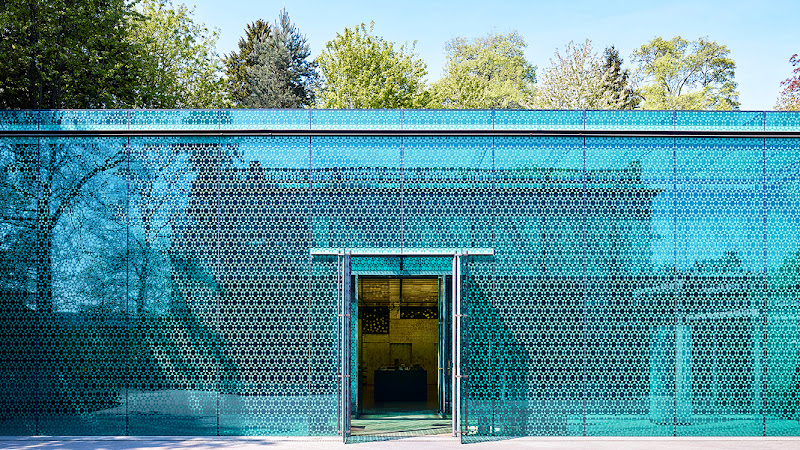
The villa itself, called Villa Wesendonck, has its own fascinating history. Richard Wagner once lived nearby and was inspired by the villa’s owner’s wife to compose parts of his famous opera Tristan und Isolde. You can almost feel that creative energy still lingering in the rooms. But the real architectural surprise comes when you descend into the “Emerald,” the modern extension designed by architects Alfred Grazioli and Adolf Krischanitz. This underground space brings natural light flooding in through carefully placed glass pavilions, creating an atmosphere that’s both contemporary and contemplative.
The park surrounding the museum deserves mention too. It’s not just a backdrop but an integral part of the experience. Ancient trees, sweeping lawns, and peaceful pathways make the approach to the museum feel special. On a sunny afternoon, you’ll find locals picnicking on the grass and families letting their kids run free before or after their museum visit.
Key Features
The Museum Rietberg offers travelers a distinctive cultural experience with several standout features:
• An extensive collection of Asian art including Chinese ceramics, Japanese woodblock prints, and Buddhist sculptures spanning multiple centuries and artistic movements
• African art galleries showcasing masks, sculptures, and textiles that demonstrate the continent’s diverse creative traditions beyond stereotypical representations
• The remarkable underground “Emerald” extension that uses innovative architecture to create naturally lit exhibition spaces below ground level
• Live performances and cultural events that bring the artworks to life through music, dance, and theatrical presentations rooted in the cultures represented in the collection
• A well-regarded restaurant and cafe where visitors can enjoy refreshments in a setting that overlooks the park, making it easy to spend an entire day at the museum without feeling rushed
• Fully accessible facilities including wheelchair-friendly entrances, parking, and restrooms, making the museum welcoming for all visitors regardless of mobility needs
• A villa setting that provides an intimate viewing experience quite different from massive institutional museums, allowing for more personal connections with the artworks
• Temporary exhibitions that rotate regularly, ensuring there’s always something new to discover even for repeat visitors
• Family-friendly amenities including changing tables and educational programs designed specifically for younger audiences to engage with world cultures
• A museum shop offering unique gifts, books, and reproductions that you won’t find in typical Swiss souvenir shops
Best Time to Visit
Timing your visit to Museum Rietberg can really enhance the experience, though I’ll admit this isn’t the kind of place that gets uncomfortably crowded even during peak tourist season. That’s one of its charms, actually.
Spring and early summer, particularly from April through June, offer probably the most rewarding experience. The park surrounding the museum comes alive with blooming flowers and lush greenery, and the weather is perfect for wandering the grounds before or after exploring the galleries. You can actually make a whole afternoon of it – museum visit, lunch at the cafe, then a leisurely walk through Rieterpark. The combination of indoor cultural immersion and outdoor relaxation feels particularly satisfying during these months.
Autumn, especially September and October, runs a close second. The fall foliage in the park creates this golden atmosphere that somehow makes the museum feel even more contemplative. Plus, tourist numbers drop slightly as schools go back into session, meaning you’ll have more breathing room in the galleries.
Winter visits have their own appeal, particularly during the darker months when that underground Emerald space feels extra cozy and the heating is just right. And if you’re in Zurich during the holiday season, the museum offers a welcome respite from the commercial Christmas markets. There’s something meditative about studying ancient Buddhist art while snow falls outside.
As for time of day, weekday mornings tend to be quietest. The museum opens at 10 AM most days, and arriving shortly after opening means you’ll practically have the place to yourself for an hour or two. Weekends bring more families, which isn’t necessarily a bad thing – there’s something heartwarming about seeing kids genuinely engaged with art from cultures different from their own.
I’d suggest avoiding the first Sunday of each month if you prefer solitude. That’s when many Zurich museums offer free or reduced admission, which draws larger crowds. But if you’re on a budget, it’s worth tolerating a few extra people to save on entrance fees.
How to Get There
Getting to Museum Rietberg is refreshingly straightforward, especially by Swiss public transportation standards (which are admittedly very high). The museum sits in the Enge district, just south of Zurich’s city center.
By tram, you’ve got a couple of options. Tram number 7 heading toward Wollishofen will drop you at the “Museum Rietberg” stop – they literally named the stop after the museum, so you really can’t miss it. From there, it’s maybe a five-minute walk through the park. Alternatively, you can take tram 5 or 9 and get off at “Rentenanstalt,” which requires a slightly longer but very pleasant walk through residential streets.
The S-Bahn works too. If you’re coming from further afield or the train station, take the S2, S8, S21, or S24 to “Enge” station, then it’s about a 10-minute walk uphill through the park. The walk is part of the experience really – you’re gradually ascending into this green oasis above the city.
Now, there is parking available if you’re driving, but I’ll be honest – parking in Zurich is expensive and sometimes frustrating. The museum has a paid parking lot that’s wheelchair accessible, but spots fill up quickly on weekends. Unless you have mobility concerns or you’re combining the museum with other destinations outside the city, public transport makes more sense financially and stress-wise.
One thing I learned the hard way: Google Maps sometimes suggests routes that take you through odd corners of the park. While these aren’t dangerous or anything, the signage isn’t always clear. Stick to the main pathways, and you’ll see directional signs pointing toward the museum.
If you’re staying in central Zurich, consider walking. It’s about 30 minutes from the main station, mostly along the lake or through interesting neighborhoods. You’ll pass by some stunning villas and get a real feel for how Zurich’s wealthier residents live.
Tips for Visiting
After several visits spread across different seasons, I’ve picked up some insights that’ll help you make the most of Museum Rietberg.
First, budget more time than you think you need. This isn’t a place to rush through in 45 minutes. The collection demands attention and reflection. I’d recommend setting aside at least two to three hours, possibly more if you’re genuinely interested in non-European art. The underground galleries especially deserve slow, thoughtful viewing.
Download the museum’s audio guide app before you arrive if they offer it, or inquire about audio guides at the entrance. The context they provide transforms your understanding of the pieces. Without explanation, some artifacts might seem like simple objects, but the stories behind them – their cultural significance, creation methods, and historical context – are absolutely fascinating.
The restaurant and cafe situation deserves strategy. The main restaurant serves lunch and can get busy between noon and 1:30 PM, especially on weekends. If you want a proper meal, either arrive early around 11:30 or wait until after 2 PM. The cafe stays open longer and offers lighter fare – perfect for just coffee and cake while watching people in the park.
Speaking of the park, seriously don’t skip it. Even if you’re not typically a “nature person,” take 15 minutes to wander around before heading into the museum. It puts you in the right mindset, slows you down from whatever rushed touristy pace you might be maintaining.
Photography policies are generally reasonable – you can take photos in most areas without flash, but some temporary exhibitions prohibit photography entirely. Check the signs or ask staff rather than assuming.
For families with kids, the museum offers special family tours and activity sheets that help younger visitors engage with the collection. Don’t assume your children will be bored – I’ve seen plenty of kids utterly captivated by the masks and sculptures. The changing tables throughout the facility show they’ve really thought about family needs.
The museum shop is actually worth browsing, unlike some museum stores that peddle generic souvenirs. You’ll find quality books on Asian and African art, unique jewelry inspired by collection pieces, and thoughtful gifts that reflect actual cultural traditions rather than tourist kitsch.
Check the website for special events and performances before your visit. The live performances they host – traditional music, dance, or theatrical presentations – add incredible depth to the collection. Experiencing gamelan music while surrounded by Indonesian artifacts, for example, creates connections that static displays alone can’t achieve.
Wear comfortable shoes. Between the walk through the park, standing in galleries, and potentially exploring multiple floors, you’ll be on your feet more than you might expect. This isn’t the place for breaking in new sandals.
Finally, visit the toilets before entering the main galleries. They’re located near the entrance, and while facilities exist throughout the museum, it’s easier to take care of this practical matter before immersing yourself in ancient civilizations.
One last thing – and this might sound strange – try visiting twice if you have time in Zurich. My first visit felt overwhelming with so much to absorb. Returning a second time allowed me to slow down, focus on specific sections, and develop deeper appreciation for pieces I’d rushed past initially. The museum rewards repeated visits in ways that more obvious tourist attractions simply don’t.
Key Highlights
- Key Features
- Best Time to Visit
- How to Get There
- Tips for Visiting
Location
Places to Stay Near Museum Rietberg
Find and Book a Tour
Explore More Travel Guides
No reviews found! Be the first to review!
Traveler Reviews for Museum Rietberg
There are no reviews yet. Be the first one to write one.
Have you visited Museum Rietberg? Help other travelers by sharing your review.
Find Accommodations Nearby
Recommended Tours & Activities
Visitor Reviews
There are no reviews yet. Be the first one to write one.
Share Your Experience
Have you visited Museum Rietberg? Help other travelers by leaving a review.
