
Zoo Zürich
About Zoo Zürich
Zoo Zürich stands as one of Switzerland’s most visited attractions, and honestly, it’s not hard to see why once you’ve spent a day wandering through its thoughtfully designed grounds. Since opening its doors in 1929, this place has evolved far beyond the traditional cage-and-concrete zoo concept that many of us remember from childhood visits elsewhere. Instead, what greets visitors today is a modern conservation facility where more than 370 animal species live in environments that actually resemble their natural habitats.
The zoo sprawls across a hillside location that gives it this unique topography – you’ll definitely get your steps in during a visit, but the varied terrain actually adds to the experience rather than detracting from it. What really sets this place apart is how the designers have created these immersive themed habitats that transport you from one ecosystem to another as you move through the grounds. One moment you’re observing Masoala rainforest inhabitants in a humid tropical setting, and twenty minutes later you’re watching snow leopards navigate rocky mountain terrain.
I remember my first visit here, and what struck me most was how the animals seemed genuinely content compared to other zoos I’d been to. There’s something about seeing a penguin colony swimming in properly chilled water or watching elephants interact in a spacious area that changes your whole perception of what a zoo can be. The facility takes its conservation mission seriously too, participating in numerous breeding programs for endangered species and educating visitors about habitat preservation in ways that don’t feel preachy or overwhelming.
Key Features
The zoo offers several standout experiences that deserve your attention during a visit:
• The Masoala Rainforest Hall represents the largest zoo-based rainforest ecosystem in the world, housing creatures from Madagascar in a massive enclosed habitat complete with free-flying birds, lemurs, and even a pond system with various aquatic species. The humidity hits you the moment you enter, and it genuinely feels like stepping into another continent.
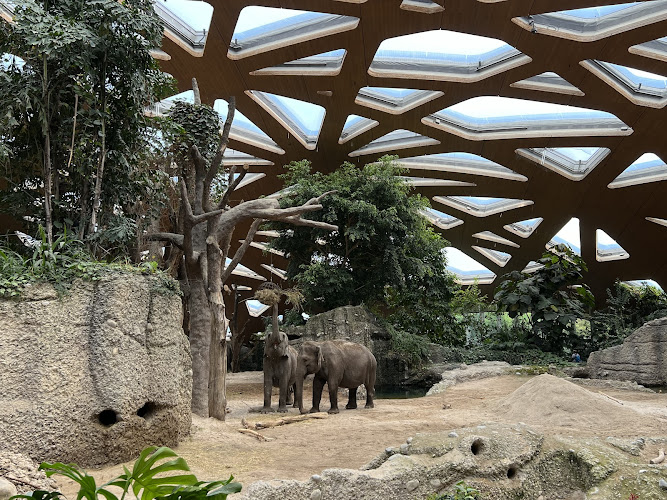
• Kaeng Krachan Elephant Park provides one of Europe’s most impressive elephant facilities, with both indoor and outdoor spaces designed to accommodate the complex social structures of Asian elephant herds. Watching these magnificent animals interact through the underwater viewing areas offers perspectives you simply can’t get elsewhere.
• The penguin parade happens daily (weather permitting) and lets these tuxedoed birds waddle around outside their enclosure for exercise and enrichment. It’s become something of a crowd favorite, though you’ll want to check timing when you arrive.
• An aquarium section showcases marine life from various ocean ecosystems, though it’s smaller than dedicated aquarium facilities you might find in coastal cities.
• Interactive feeding sessions and keeper talks occur throughout the day, giving you insights into animal behavior and conservation efforts directly from the staff who work with these creatures daily.
• A playground area for children provides a necessary break for families with young ones who need to burn off energy between animal exhibits.
• The zoo operates wheelchair accessible pathways throughout most of the facility, making it more inclusive than many hillside attractions manage to be.
• Electric vehicle charging stations are available in the parking area – not something every attraction offers yet, which is forward-thinking for travelers driving electric or hybrid vehicles.
Best Time to Visit
Timing your visit to Zoo Zürich can genuinely make or break your experience, and I learned this the hard way. The zoo operates year-round, but each season offers distinctly different atmospheres and considerations.
Summer months from June through August bring the warmest weather and the most crowds. We’re talking packed pathways, longer wait times at popular exhibits, and that general buzz of activity that comes with peak tourist season. But summer also means all outdoor exhibits are fully active, animals tend to be more visible early in the morning before the heat sets in, and the extended opening hours give you more time to explore at a relaxed pace.
Spring and autumn represent the sweet spot for many visitors. April, May, September, and October offer milder temperatures that are actually more comfortable for walking the hilly terrain, and animals often display more active behaviors in cooler weather. The baby animal season typically peaks in spring too, which adds an extra layer of charm to your visit. Crowds thin out compared to summer, making it easier to spend quality time at exhibits without jostling for viewing positions.
Winter visiting has its own unique appeal that most tourists overlook. Yes, it’s cold – this is Switzerland after all – but many tropical and cold-weather species become more animated in winter conditions. The Masoala Rainforest Hall feels especially magical when you step from crisp winter air into that warm, humid environment. Plus, you’ll practically have the place to yourself on weekdays. Just be aware that some outdoor exhibits may have reduced visibility as certain animals prefer their heated indoor quarters.
Weekday visits trump weekends almost universally unless you’re specifically looking for that energetic family atmosphere. Tuesday through Thursday mornings right when gates open tend to offer the calmest experience. School holidays and Swiss public holidays bring local crowds, so checking the calendar before booking helps avoid unexpected masses.
Weather matters more than you might think for an outdoor zoo. Rainy days actually work surprisingly well here since many exhibits have covered viewing areas, and animals don’t always retreat during light rain. However, heavy downpours make the hillside paths slippery and less enjoyable.
How to Get There
Getting to Zoo Zürich is refreshingly straightforward, especially compared to some attractions that require elaborate journey planning. The facility sits in the Zürichberg area, easily accessible from the city center through multiple transportation options.
Public transportation represents the most hassle-free approach for most travelers. Tram line 6 runs directly to the zoo stop, making the journey from Zürich’s main train station (Hauptbahnhof) take roughly 15 minutes. The tram drops you right at the entrance, eliminating any confusion about which direction to walk or where exactly you’re going. This option works particularly well if you’re staying anywhere along Zürich’s excellent tram network.
Bus routes also service the zoo, though the tram tends to be more frequent and reliable. If you’re coming from areas not served by tram line 6, checking the SBB Mobile app or Google Maps for current route options helps identify the best connection for your starting point.
Driving remains an option, though with some caveats worth considering. The zoo operates paid parking lots that can fill up completely during peak season weekends and holidays. Arriving early helps secure a spot, but be prepared for backup plans if the lots are full. Paid street parking exists in surrounding neighborhoods, though navigating Swiss parking regulations in an unfamiliar area can feel stressful when you’re trying to start a fun day out.
For electric vehicle drivers, those charging stations I mentioned earlier make the zoo a practical stop on longer journeys. The facility offers CHAdeMO, CCS, and Type 2 connectors with varying power levels, though availability can fluctuate based on demand.
Cycling to the zoo is absolutely feasible for those staying in Zürich or nearby areas, with bike parking available on site. The route involves some uphill sections that match the zoo’s hillside location, so factor in your fitness level and the weather conditions.
Taxi and ride-sharing services work fine for reaching the zoo, though you’ll pay significantly more than public transport would cost. This option makes sense for groups splitting the fare or travelers with mobility concerns who prefer door-to-door service.
Tips for Visiting
Having learned from both successful visits and a few missteps, these practical tips will help you make the most of your time at Zoo Zürich.
Purchase tickets in advance online rather than at the gate. This isn’t just a suggestion – the zoo actively recommends advance booking, and you’ll save yourself waiting time at the entrance, especially during busier periods. The online system is straightforward and accepts major credit cards, debit cards, and mobile payment options.
Wear comfortable walking shoes with good grip. I can’t stress this enough. The hillside terrain includes slopes, stairs, and pathways that can get slippery when wet. Those cute sandals or brand new sneakers you haven’t broken in yet? Leave them at your hotel. Your feet will thank you after covering the considerable distance required to see everything.
Bring layers regardless of the season. The Masoala Rainforest Hall stays warm and humid year-round, while outdoor areas can be significantly cooler. You’ll be constantly moving between different climate zones, so having a light jacket you can tie around your waist or stuff in a bag provides flexibility.
Budget more time than you think you’ll need. First-time visitors often assume three hours will suffice, but you could easily spend an entire day here without feeling bored. Six to seven hours allows for a relaxed pace with meal breaks and time to catch those scheduled keeper talks and feeding sessions.
The zoo’s dining options exist but don’t exactly represent Switzerland’s finest cuisine. Prices reflect typical attraction markups, and quality sits firmly in the adequate-but-unremarkable category. Consider eating a substantial breakfast before arriving or bringing snacks if dietary preferences or budget constraints matter to you. Picnic areas are available if you want to bring your own food.
Download the zoo map on your phone or grab a paper copy at the entrance. The layout isn’t immediately intuitive given the hillside terrain, and wandering aimlessly means you’ll likely miss sections entirely or waste energy backtracking unnecessarily.
Stroller accessibility works throughout most of the zoo despite the hills, though you’ll definitely feel the workout pushing uphill sections. Baby changing facilities exist in main bathroom areas. For older kids, the playground provides a crucial pressure-release valve when animal-viewing fatigue sets in.
Photography enthusiasts should bring proper camera equipment rather than relying solely on phones. Many exhibits offer excellent photo opportunities, though glass reflections and viewing distances can challenge smartphone cameras. Morning light generally provides better conditions than harsh midday sun.
Check the daily schedule for animal presentations and feeding times when you arrive. These events genuinely enhance the experience by providing context and allowing you to see animals at their most active. Building your route around these scheduled activities maximizes what you’ll witness.
Respect the posted rules about not tapping on glass, not feeding animals, and maintaining appropriate noise levels. These aren’t arbitrary restrictions – they protect both animal welfare and visitor safety. Plus, animals often retreat from noisy crowds, so keeping volume reasonable actually improves your viewing experience.
The gift shop near the exit offers the usual array of plush animals and souvenirs, but prices run high even by Swiss standards. If you’ve got kids lobbying for purchases, setting expectations and budgets before entering helps avoid meltdowns later.
Accessibility features extend beyond just wheelchair ramps – if you have specific mobility needs, contacting the zoo in advance can help them provide guidance on routes and facilities that best suit your requirements.
Visit the lesser-known exhibits during peak hours when crowds concentrate at popular areas like the elephant park and penguin colony. The smaller animal houses often contain fascinating creatures that get overlooked in the rush to see charismatic megafauna.
Key Features
- Masoala Rainforest hall — indoor tropical ecosystem with free-flying birds and reptiles
- Kaeng Krachan Elephant Park — spacious, modern elephant habitat with viewing platforms
- Diverse species collection including big cats, primates, birds and aquatic life
- Educational programs, keeper talks and conservation-focused exhibits
- Accessible location on Zürichberg with scenic grounds and family facilities
Nearby Attractions
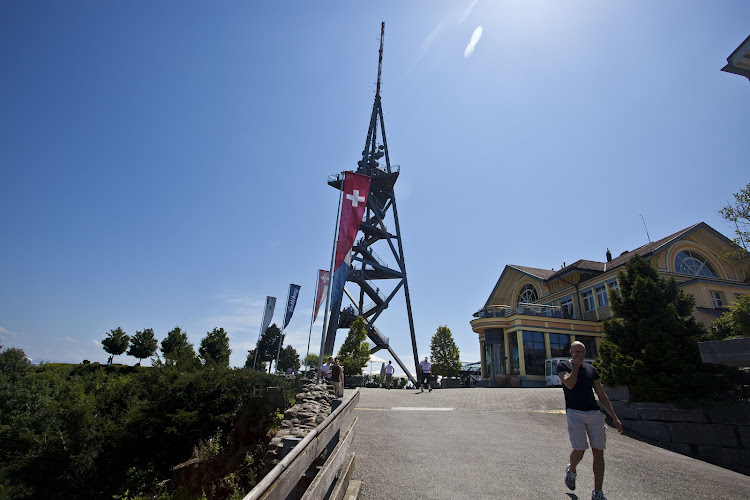
Uetliberg (city viewpoint and hiking)
Museum Rietberg (art and cultural museum)
Zürich city center and Bahnhofstrasse (shopping and old town)
You Might Also Like
Aussichtsturm Uetliberg

Bar Campo

Chinagarten Zürich
Tours & Activities
GetYourGuide provides this tour inventory. We may earn a commission if you book through it; verify current availability, prices, and terms with the provider.
Visitor Reviews
There are no reviews yet. Be the first one to write one.
Share Your Experience
Have you visited Zoo Zürich? Help other travelers by leaving a review.