
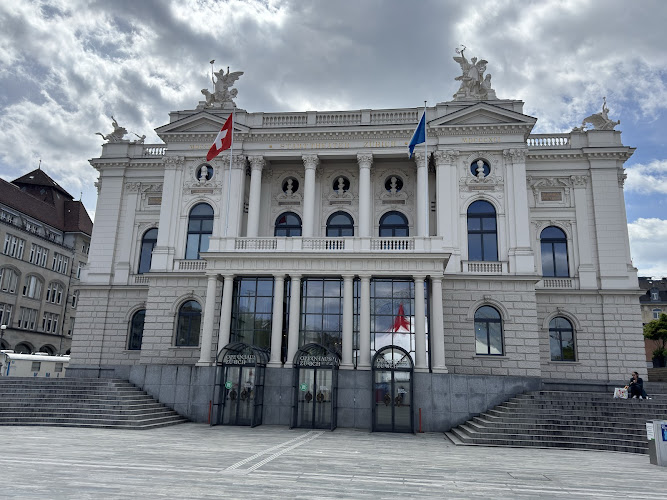
Zürich Opera House
About Zürich Opera House
Description
The Zürich Opera House stands as one of Europe's premier cultural institutions, drawing opera enthusiasts and curious travelers from around the globe to Switzerland's largest city. Since opening its doors in 1891, this architectural gem has maintained its reputation for world-class performances while adapting beautifully to contemporary artistic demands. The building itself tells a story - its neo-baroque facade features elegant columns and ornate details that immediately signal you're about to experience something special. I remember walking past it for the first time on a crisp autumn evening, and even from the outside, the energy was palpable. People dressed in everything from formal evening wear to smart casual outfits were streaming in, and there was this wonderful sense of anticipation in the air. That's the thing about this opera house - it manages to feel both grand and approachable at the same time. The venue hosts over 250 performances annually, showcasing classic operas, contemporary works, and stunning ballet productions. What really sets this place apart is its commitment to artistic excellence without being stuffy about it. Sure, you'll see traditional productions of Wagner and Verdi, but you'll also find innovative interpretations that challenge what you might think opera should be. The Zürich Opera House Ballet company is particularly impressive, consistently ranked among Europe's top ballet ensembles. The interior is just as impressive as the facade promises. The main auditorium seats around 1,100 guests across multiple levels, each offering distinct perspectives on the performances. And honestly, I've found that even the more affordable seats provide excellent sightlines and acoustics - the architects really knew what they were doing back in the 19th century.Key Features
The Zürich Opera House offers travelers an array of features that enhance the overall experience: • World-renowned performances featuring internationally acclaimed singers, dancers, and musicians who regularly grace stages in Vienna, Milan, and New York • Stunning neo-baroque architecture with decorative elements that transport visitors to another era while incorporating modern technical capabilities • Guided tours available for those who want to peek behind the curtain and explore backstage areas, costume workshops, and learn about the venue's fascinating history • Full accessibility throughout the building, including wheelchair-accessible entrances, seating areas, restrooms, and parking facilities • Onsite bar and restaurant where you can enjoy pre-show dining or intermission refreshments without rushing outside • Free Wi-Fi throughout the venue for sharing those memorable moments or checking program notes • Family-friendly programming with special performances designed to introduce younger audiences to opera and ballet • Inclusive environment that welcomes LGBTQ+ visitors and serves as a recognized safe space for transgender individuals • Modern payment options including credit cards, debit cards, and NFC mobile payments for convenient ticket purchases and concessions • Baby changing facilities for parents traveling with young children • State-of-the-art acoustics and stage technology that rival any opera house worldwideBest Time to Visit
The Zürich Opera House operates on a seasonal schedule that typically runs from September through July, with the summer months serving as a break period. But here's where planning gets interesting - the "best" time really depends on what kind of experience you're after. September through November marks the season's opening, and there's an undeniable excitement during this period. New productions premiere, the company is fresh from summer break, and audiences are eager to return. The downside? Everyone else has the same idea, so tickets can be competitive and prices reflect peak demand. December brings special holiday performances that can be absolutely magical. I've heard from several travelers who timed their Zürich Christmas market visit to catch a performance of The Nutcracker, and they said it was the highlight of their trip. The city is already decorated and festive, adding an extra layer of enchantment to the experience. January through March offers what I'd call the "insider's advantage" period. Tourist numbers drop slightly after the holidays, but the quality of performances doesn't waver one bit. You'll often find better ticket availability and sometimes slightly better prices. Plus, experiencing opera in Zürich during winter just feels right - stepping from the cold into this warm, ornate space creates a wonderful contrast. April through June sees the season building toward its finale with some particularly ambitious productions. The weather in Zürich becomes lovely during these months, making it easier to explore the city before or after performances. This period works brilliantly if you're combining cultural experiences with general sightseeing. Regardless of when you visit, booking tickets well in advance is basically essential. Popular productions can sell out months ahead, and while last-minute tickets sometimes become available, you don't want to risk missing out. The opera house releases its season schedule in spring, giving planners plenty of time to coordinate.How to Get There
Getting to the Zürich Opera House is refreshingly straightforward, which isn't something you can say about every major cultural venue. The building sits right at Sechseläutenplatz, essentially at the edge of Lake Zürich, making it hard to miss once you're in the general area. The tram system is probably your best friend here. Trams 2, 4, 5, 8, 9, and 11 all stop at either Bellevue or Opernhaus stations, both within easy walking distance. And when I say easy, I mean it - we're talking less than five minutes on foot. The Swiss public transportation system runs like clockwork (pun intended), so you can reliably plan your arrival time. If you're staying anywhere in central Zürich, walking might actually be your most enjoyable option. The opera house sits in a beautiful part of the city with lakefront views and elegant streets. A stroll from the Hauptbahnhof (main train station) takes roughly 15-20 minutes depending on your pace and how often you stop to admire the scenery. For those driving, well, I'd honestly suggest reconsidering. Parking in this part of Zürich can be challenging and expensive. But if you must drive or have accessibility needs that make it necessary, there are parking facilities nearby including the Bellevue parking garage. Just remember that prices reflect prime city-center location. Taxis and ride-sharing services can drop you right at the entrance, which is convenient especially if you're dressed up and don't want to navigate public transport in formal wear. The extra cost might be worth it for special occasions. Coming from Zürich Airport? Take the train to Hauptbahnhof and then catch a tram or walk from there. The entire journey shouldn't take more than 30-40 minutes, making it entirely feasible to catch an evening performance on your arrival day if you're feeling ambitious.Tips for Visiting
Let me share some practical wisdom that'll help you make the most of your Zürich Opera House experience, because there's definitely a learning curve if you've never visited before. First off, dress codes here are more relaxed than you might expect for such a prestigious venue. While you'll certainly see people in evening gowns and tuxedos - particularly for premieres and gala performances - smart casual is perfectly acceptable for most shows. That said, the Swiss do tend to dress well in general, so maybe skip the sneakers and shorts. When in doubt, aim for what you'd wear to a nice restaurant. Arrive early. And I mean earlier than you think you need to. Aim for at least 30 minutes before curtain time, especially if it's your first visit. This gives you time to find your seats, grab a drink, browse the program, and most importantly, soak in the atmosphere. The pre-show energy in the foyer is part of the experience. Speaking of programs, they're worth getting. Yes, they cost extra, but they contain valuable context about the production, cast biographies, and often insights into the director's vision. Plus they make nice souvenirs. If you don't speak German, don't let that stop you. Most operas are performed in their original language anyway, and the opera house has excellent surtitle systems projecting translations. You'll be able to follow along just fine. The onsite restaurant requires reservations for pre-show dining, so don't just show up expecting a table. However, the bar area operates on a first-come basis and serves lighter fare that's perfect if you just want a bite before the performance. Intermissions can get crowded at the bars, so if you know you'll want a drink, ordering before the lights go down sometimes works better. They'll have it ready for you during the break. For families with children, check the specific programming carefully. While the venue is family-friendly and some productions are specifically designed for younger audiences, a three-hour Wagner opera probably isn't ideal for most kids. The opera house regularly schedules shorter, child-appropriate performances that introduce young people to the art form without testing their patience. Photography and recording during performances is strictly prohibited, as it should be. But you can definitely snap some shots of the gorgeous architecture before the show starts and during intermission. Consider taking one of the guided tours even if you're already planning to see a performance. They offer behind-the-scenes access and historical context that enriches your appreciation of the building and productions. Tours are typically offered in multiple languages. If budget is a concern - and let's be honest, Zürich isn't exactly cheap - the standing room tickets and upper balcony seats offer significantly lower prices while still providing the full acoustic experience. The view might not be perfect, but your ears won't know the difference. Finally, embrace the local customs. The Swiss audience tends to be knowledgeable and appreciative but not overly demonstrative. Don't expect American-style standing ovations for everything, but that doesn't mean people aren't enjoying themselves immensely.Key Features
- Historic 1891 building with restored auditorium and ornate foyer
- High-calibre opera and ballet productions with 15–17 new productions annually
- Resident orchestra and frequent guest international artists
- Educational programs, studio stage performances and guided tours
- Seasonal open-air events like Opera for All / Ballet for All
More Details
Updated January 17, 2026
Table of Contents
Description
The Zürich Opera House stands as one of Europe’s premier cultural institutions, drawing opera enthusiasts and curious travelers from around the globe to Switzerland’s largest city. Since opening its doors in 1891, this architectural gem has maintained its reputation for world-class performances while adapting beautifully to contemporary artistic demands. The building itself tells a story – its neo-baroque facade features elegant columns and ornate details that immediately signal you’re about to experience something special.
I remember walking past it for the first time on a crisp autumn evening, and even from the outside, the energy was palpable. People dressed in everything from formal evening wear to smart casual outfits were streaming in, and there was this wonderful sense of anticipation in the air. That’s the thing about this opera house – it manages to feel both grand and approachable at the same time.
The venue hosts over 250 performances annually, showcasing classic operas, contemporary works, and stunning ballet productions. What really sets this place apart is its commitment to artistic excellence without being stuffy about it. Sure, you’ll see traditional productions of Wagner and Verdi, but you’ll also find innovative interpretations that challenge what you might think opera should be. The Zürich Opera House Ballet company is particularly impressive, consistently ranked among Europe’s top ballet ensembles.
The interior is just as impressive as the facade promises. The main auditorium seats around 1,100 guests across multiple levels, each offering distinct perspectives on the performances. And honestly, I’ve found that even the more affordable seats provide excellent sightlines and acoustics – the architects really knew what they were doing back in the 19th century.
Key Features
The Zürich Opera House offers travelers an array of features that enhance the overall experience:
• World-renowned performances featuring internationally acclaimed singers, dancers, and musicians who regularly grace stages in Vienna, Milan, and New York
• Stunning neo-baroque architecture with decorative elements that transport visitors to another era while incorporating modern technical capabilities
• Guided tours available for those who want to peek behind the curtain and explore backstage areas, costume workshops, and learn about the venue’s fascinating history
• Full accessibility throughout the building, including wheelchair-accessible entrances, seating areas, restrooms, and parking facilities
• Onsite bar and restaurant where you can enjoy pre-show dining or intermission refreshments without rushing outside
• Free Wi-Fi throughout the venue for sharing those memorable moments or checking program notes
• Family-friendly programming with special performances designed to introduce younger audiences to opera and ballet
• Inclusive environment that welcomes LGBTQ+ visitors and serves as a recognized safe space for transgender individuals
• Modern payment options including credit cards, debit cards, and NFC mobile payments for convenient ticket purchases and concessions
• Baby changing facilities for parents traveling with young children
• State-of-the-art acoustics and stage technology that rival any opera house worldwide
Best Time to Visit
The Zürich Opera House operates on a seasonal schedule that typically runs from September through July, with the summer months serving as a break period. But here’s where planning gets interesting – the “best” time really depends on what kind of experience you’re after.
September through November marks the season’s opening, and there’s an undeniable excitement during this period. New productions premiere, the company is fresh from summer break, and audiences are eager to return. The downside? Everyone else has the same idea, so tickets can be competitive and prices reflect peak demand.
December brings special holiday performances that can be absolutely magical. I’ve heard from several travelers who timed their Zürich Christmas market visit to catch a performance of The Nutcracker, and they said it was the highlight of their trip. The city is already decorated and festive, adding an extra layer of enchantment to the experience.
January through March offers what I’d call the “insider’s advantage” period. Tourist numbers drop slightly after the holidays, but the quality of performances doesn’t waver one bit. You’ll often find better ticket availability and sometimes slightly better prices. Plus, experiencing opera in Zürich during winter just feels right – stepping from the cold into this warm, ornate space creates a wonderful contrast.
April through June sees the season building toward its finale with some particularly ambitious productions. The weather in Zürich becomes lovely during these months, making it easier to explore the city before or after performances. This period works brilliantly if you’re combining cultural experiences with general sightseeing.
Regardless of when you visit, booking tickets well in advance is basically essential. Popular productions can sell out months ahead, and while last-minute tickets sometimes become available, you don’t want to risk missing out. The opera house releases its season schedule in spring, giving planners plenty of time to coordinate.
How to Get There
Getting to the Zürich Opera House is refreshingly straightforward, which isn’t something you can say about every major cultural venue. The building sits right at Sechseläutenplatz, essentially at the edge of Lake Zürich, making it hard to miss once you’re in the general area.
The tram system is probably your best friend here. Trams 2, 4, 5, 8, 9, and 11 all stop at either Bellevue or Opernhaus stations, both within easy walking distance. And when I say easy, I mean it – we’re talking less than five minutes on foot. The Swiss public transportation system runs like clockwork (pun intended), so you can reliably plan your arrival time.
If you’re staying anywhere in central Zürich, walking might actually be your most enjoyable option. The opera house sits in a beautiful part of the city with lakefront views and elegant streets. A stroll from the Hauptbahnhof (main train station) takes roughly 15-20 minutes depending on your pace and how often you stop to admire the scenery.
For those driving, well, I’d honestly suggest reconsidering. Parking in this part of Zürich can be challenging and expensive. But if you must drive or have accessibility needs that make it necessary, there are parking facilities nearby including the Bellevue parking garage. Just remember that prices reflect prime city-center location.
Taxis and ride-sharing services can drop you right at the entrance, which is convenient especially if you’re dressed up and don’t want to navigate public transport in formal wear. The extra cost might be worth it for special occasions.
Coming from Zürich Airport? Take the train to Hauptbahnhof and then catch a tram or walk from there. The entire journey shouldn’t take more than 30-40 minutes, making it entirely feasible to catch an evening performance on your arrival day if you’re feeling ambitious.
Tips for Visiting
Let me share some practical wisdom that’ll help you make the most of your Zürich Opera House experience, because there’s definitely a learning curve if you’ve never visited before.
First off, dress codes here are more relaxed than you might expect for such a prestigious venue. While you’ll certainly see people in evening gowns and tuxedos – particularly for premieres and gala performances – smart casual is perfectly acceptable for most shows. That said, the Swiss do tend to dress well in general, so maybe skip the sneakers and shorts. When in doubt, aim for what you’d wear to a nice restaurant.
Arrive early. And I mean earlier than you think you need to. Aim for at least 30 minutes before curtain time, especially if it’s your first visit. This gives you time to find your seats, grab a drink, browse the program, and most importantly, soak in the atmosphere. The pre-show energy in the foyer is part of the experience.
Speaking of programs, they’re worth getting. Yes, they cost extra, but they contain valuable context about the production, cast biographies, and often insights into the director’s vision. Plus they make nice souvenirs.
If you don’t speak German, don’t let that stop you. Most operas are performed in their original language anyway, and the opera house has excellent surtitle systems projecting translations. You’ll be able to follow along just fine.
The onsite restaurant requires reservations for pre-show dining, so don’t just show up expecting a table. However, the bar area operates on a first-come basis and serves lighter fare that’s perfect if you just want a bite before the performance.
Intermissions can get crowded at the bars, so if you know you’ll want a drink, ordering before the lights go down sometimes works better. They’ll have it ready for you during the break.
For families with children, check the specific programming carefully. While the venue is family-friendly and some productions are specifically designed for younger audiences, a three-hour Wagner opera probably isn’t ideal for most kids. The opera house regularly schedules shorter, child-appropriate performances that introduce young people to the art form without testing their patience.
Photography and recording during performances is strictly prohibited, as it should be. But you can definitely snap some shots of the gorgeous architecture before the show starts and during intermission.
Consider taking one of the guided tours even if you’re already planning to see a performance. They offer behind-the-scenes access and historical context that enriches your appreciation of the building and productions. Tours are typically offered in multiple languages.
If budget is a concern – and let’s be honest, Zürich isn’t exactly cheap – the standing room tickets and upper balcony seats offer significantly lower prices while still providing the full acoustic experience. The view might not be perfect, but your ears won’t know the difference.
Finally, embrace the local customs. The Swiss audience tends to be knowledgeable and appreciative but not overly demonstrative. Don’t expect American-style standing ovations for everything, but that doesn’t mean people aren’t enjoying themselves immensely.
Key Highlights
- Historic 1891 building with restored auditorium and ornate foyer
- High-calibre opera and ballet productions with 15–17 new productions annually
- Resident orchestra and frequent guest international artists
- Educational programs, studio stage performances and guided tours
- Seasonal open-air events like Opera for All / Ballet for All
Location
Places to Stay Near Zürich Opera House
Find and Book a Tour
Explore More Travel Guides
No reviews found! Be the first to review!
Traveler Reviews for Zürich Opera House
There are no reviews yet. Be the first one to write one.
Have you visited Zürich Opera House? Help other travelers by sharing your review.
Nearby Attractions
You Might Also Like
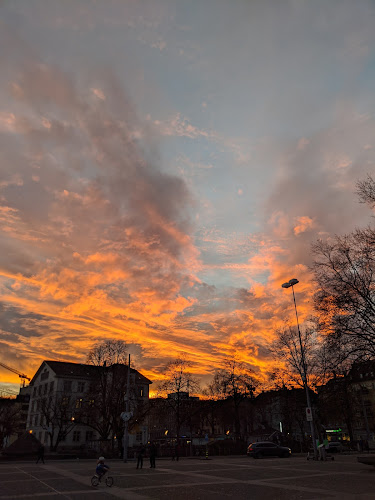
Bar Campo
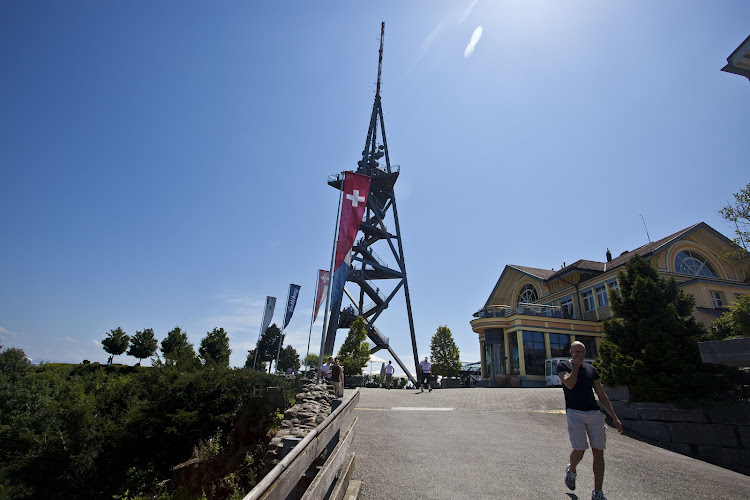
Aussichtsturm Uetliberg

Zurich Succulent Plant Collection
Find Accommodations Nearby
Recommended Tours & Activities
Visitor Reviews
There are no reviews yet. Be the first one to write one.
Share Your Experience
Have you visited Zürich Opera House? Help other travelers by leaving a review.