

Quaibrücke
About Quaibrücke
Description
The Quaibrücke stands as one of Zurich's most recognizable landmarks, stretching gracefully across the Limmat River where it meets Lake Zurich. Built in the late 1800s, this historic bridge has become an essential part of the city's daily rhythm, connecting the eastern and western sides of Zurich's downtown area. Unlike many other European bridges that serve purely ceremonial purposes nowadays, the Quaibrücke remains a working bridge in every sense—trams rumble across it, cars navigate its lanes, cyclists pedal along their designated paths, and pedestrians pause to take in the stunning alpine views. What makes this bridge particularly special is how it manages to be both functional and beautiful at the same time. It's not trying too hard to impress you with ornate architecture or dramatic engineering feats. Instead, the Quaibrücke wins you over with its understated elegance and the incredible views it offers. On a clear day, standing on this bridge feels like you've discovered Zurich's living room window—you can see the lake stretching out before you, boats gliding across the water, and on those perfect weather days, the snow-capped Alps standing guard in the distance. I remember my first time crossing the Quaibrücke on foot. I'd planned to just walk straight across to get to my destination on the other side, but I ended up stopping three or four times because the views kept catching me off guard. And that's really what this bridge does best—it surprises you with moments of beauty even when you're just trying to get from point A to point B.Key Features
The Quaibrücke offers travelers several distinctive characteristics that make it worth including in any Zurich itinerary:- Multi-purpose Infrastructure: This isn't just a pedestrian bridge—it accommodates trams, cars, bicycles, and foot traffic all at once, giving visitors a genuine taste of how Zurich residents navigate their city daily
- Panoramic Lake Views: The bridge provides unobstructed sightlines of Lake Zurich, with the water stretching toward the horizon and the Alpine mountains creating a dramatic backdrop when weather conditions cooperate
- Historical Architecture: The late 19th-century construction reflects the engineering standards and aesthetic sensibilities of that era, though it's been maintained and updated to handle modern traffic demands
- Photography Opportunities: Both sunrise and sunset create exceptional lighting conditions for photography, particularly when capturing the interplay between the lake, mountains, and cityscape
- Wheelchair Accessible: The bridge features proper accessibility accommodations, making it navigable for visitors with mobility considerations
- Central Location: The Quaibrücke sits at a crucial junction in Zurich's geography, making it easy to incorporate into walking tours and convenient to reach from major tourist areas
- Swan and Waterfowl Viewing: The areas around the bridge attract swans, ducks, and other birds, adding an unexpected wildlife element to an urban setting
- Year-Round Appeal: Unlike some attractions that lose their charm in certain seasons, the bridge offers different experiences throughout the year—summer lake activities, autumn colors, winter snow, and spring renewal
Best Time to Visit
Timing your visit to the Quaibrücke really depends on what kind of experience you're after. But let me share what I've learned from multiple visits and from talking with locals who cross this bridge regularly. Summer months from June through August bring the most reliably pleasant weather. The lake comes alive with boats and swimmers, outdoor cafes along the quays are buzzing, and those Alpine views tend to be clearest. However, this is also when tourist crowds peak. You'll be sharing your photo spots with plenty of other travelers, and the bridge can feel quite busy during midday hours. Early mornings offer something special regardless of season. Between 6:30 and 8:00 AM, you'll catch locals commuting to work, runners doing their morning circuits, and that magical early light hitting the water. The city feels more authentic at this hour—less performed, more lived-in. Plus, photographers absolutely love the golden hour lighting conditions. Spring (April and May) might actually be my favorite time. The weather's warming up, flowers are blooming along the waterfront, but the summer crowds haven't arrived yet. You get that sense of renewal that makes European cities particularly charming. And honestly, the locals seem happier too after shaking off winter. Winter visits create a completely different atmosphere. Yes, it's cold—sometimes properly cold with temperatures well below freezing. But if you catch the Quaibrücke after a snowfall, with the Alps crystal clear in the background and maybe some fog rolling off the lake, it becomes downright magical. Just bundle up properly and watch your footing because those pedestrian paths can get slippery. Sunset hours work wonderfully from late spring through early autumn when the sun sets over the lake and mountains. Arrive about 45 minutes before actual sunset to secure a good viewing spot and watch the light change gradually. One thing worth mentioning—weekday mornings and evenings have a completely different energy than weekend afternoons. If you want to see the bridge as part of Zurich's working infrastructure, visit during commute times. For a more leisurely experience, weekend mornings work great.How to Get There
Getting to the Quaibrücke ranks among the easiest navigation tasks you'll face in Zurich, which is saying something because the entire city is remarkably accessible. The tram system provides the most convenient approach for most travelers. Multiple tram lines cross directly over the Quaibrücke itself, including lines 2, 5, 8, 9, and 11. You can simply hop on any of these trams and experience crossing the bridge as part of your journey. The nearest tram stops are Bürkliplatz on the western side and Bellevue on the eastern side. Both stops serve multiple lines and connect to broader transportation networks throughout the city. Walking to the Quaibrücke is equally straightforward if you're already exploring downtown Zurich. From the main train station (Hauptbahnhof), it's roughly a 15-minute walk following Bahnhofstrasse, Zurich's famous shopping street, until you reach the lake. You can't really get lost—just walk toward the water and you'll eventually hit the Quaibrücke. The bridge is also accessible by bus, though trams tend to be more direct for most travelers. Bus routes serving the area include several local and regional lines stopping at Bürkliplatz or Bellevue. For those cycling around Zurich—and many visitors do rent bikes because the city has excellent cycling infrastructure—the Quaibrücke includes designated bike lanes. Just be aware that these lanes can get busy during commute hours, and you'll need to share space with confident local cyclists who know exactly where they're going. If you're taking a boat tour on Lake Zurich, you'll pass under or near the Quaibrücke depending on your route, giving you a unique perspective from water level. Several boat departure points sit close to the bridge, making it easy to combine a bridge visit with a lake excursion. Taxi or ride-sharing services can drop you at either end of the bridge, though given how central the location is, this seems like overkill unless you have mobility concerns or lots of luggage.Tips for Visiting
After spending considerable time on and around the Quaibrücke, here are practical insights that'll help you make the most of your visit. Watch out for the trams. Seriously. They move quietly, they move fast, and they have right-of-way. Tourists occasionally get so caught up photographing the lake views that they wander into the tram lanes. Don't be that person. The designated pedestrian areas are clearly marked—stick to them. Bring layers even in summer. That lake breeze can be chillier than you'd expect, especially if you're planning to spend time standing on the bridge taking photos. I've watched countless tourists shivering in their t-shirts while the locals walk by in light jackets. The viewing experience changes dramatically depending on which side of the bridge you're on. The southern side (facing the lake) obviously offers those famous water and mountain views. But don't ignore the northern side, which looks upriver and gives you a different perspective on the city architecture and the river flowing from Lake Zurich. If you're serious about photography, consider visiting multiple times under different conditions. The morning light hits differently than evening light. Cloudy days create moody atmospheres that can be more interesting than perfect blue skies. And after rain, when the pavement is still wet and reflecting everything, you can capture some really unique shots. The bridge gets busy during commute hours (roughly 7:30-9:00 AM and 5:00-6:30 PM on weekdays). This isn't necessarily bad—watching the flow of local life has its own appeal—but if crowds bother you or you want clearer photos, time your visit accordingly. Combine your bridge visit with exploring the lakefront promenades on either side. Both Bürkliplatz and Bellevue areas have cafes, parks, and interesting architecture worth checking out. Making the Quaibrücke part of a longer lakefront walk makes more sense than treating it as an isolated destination. Don't rush across. I know it's tempting to check it off your list and move on, but the whole point of the Quaibrücke is pausing to appreciate the views and the moment. Give yourself at least 15-20 minutes to really experience it rather than just crossing it. Weather apps are your friend when planning a visit. Those mountain views disappear completely on foggy or overcast days. Check the forecast and aim for clear conditions if seeing the Alps is important to you. The wheelchair accessibility is genuine—the bridge surface is smooth and there aren't stairs involved. However, the lakefront areas on either side have some steps and elevation changes that might require alternate routes for those with mobility devices. Finally, resist the urge to compare it to more famous bridges in other cities. The Quaibrücke isn't trying to be the Charles Bridge or Brooklyn Bridge. Its charm lies in being a working piece of urban infrastructure that just happens to offer beautiful views. Appreciate it for what it is rather than what it isn't.Key Features
- Historic late-19th-century construction and design tied to Zürich’s quay development
- Central location linking Bellevue and Bürkliplatz with direct tram and pedestrian access
- Wide sidewalks and bike lanes offering panoramic views of Lake Zurich and the old town
- Vibrant year-round activity — ferries, street life, and seasonal events nearby
- Close proximity to promenades, boat piers and public transit for onward exploration
More Details
Updated January 17, 2026
Table of Contents
Description
The Quaibrücke stands as one of Zurich’s most recognizable landmarks, stretching gracefully across the Limmat River where it meets Lake Zurich. Built in the late 1800s, this historic bridge has become an essential part of the city’s daily rhythm, connecting the eastern and western sides of Zurich’s downtown area. Unlike many other European bridges that serve purely ceremonial purposes nowadays, the Quaibrücke remains a working bridge in every sense—trams rumble across it, cars navigate its lanes, cyclists pedal along their designated paths, and pedestrians pause to take in the stunning alpine views.
What makes this bridge particularly special is how it manages to be both functional and beautiful at the same time. It’s not trying too hard to impress you with ornate architecture or dramatic engineering feats. Instead, the Quaibrücke wins you over with its understated elegance and the incredible views it offers. On a clear day, standing on this bridge feels like you’ve discovered Zurich’s living room window—you can see the lake stretching out before you, boats gliding across the water, and on those perfect weather days, the snow-capped Alps standing guard in the distance.
I remember my first time crossing the Quaibrücke on foot. I’d planned to just walk straight across to get to my destination on the other side, but I ended up stopping three or four times because the views kept catching me off guard. And that’s really what this bridge does best—it surprises you with moments of beauty even when you’re just trying to get from point A to point B.
Key Features
The Quaibrücke offers travelers several distinctive characteristics that make it worth including in any Zurich itinerary:
- Multi-purpose Infrastructure: This isn’t just a pedestrian bridge—it accommodates trams, cars, bicycles, and foot traffic all at once, giving visitors a genuine taste of how Zurich residents navigate their city daily
- Panoramic Lake Views: The bridge provides unobstructed sightlines of Lake Zurich, with the water stretching toward the horizon and the Alpine mountains creating a dramatic backdrop when weather conditions cooperate
- Historical Architecture: The late 19th-century construction reflects the engineering standards and aesthetic sensibilities of that era, though it’s been maintained and updated to handle modern traffic demands
- Photography Opportunities: Both sunrise and sunset create exceptional lighting conditions for photography, particularly when capturing the interplay between the lake, mountains, and cityscape
- Wheelchair Accessible: The bridge features proper accessibility accommodations, making it navigable for visitors with mobility considerations
- Central Location: The Quaibrücke sits at a crucial junction in Zurich’s geography, making it easy to incorporate into walking tours and convenient to reach from major tourist areas
- Swan and Waterfowl Viewing: The areas around the bridge attract swans, ducks, and other birds, adding an unexpected wildlife element to an urban setting
- Year-Round Appeal: Unlike some attractions that lose their charm in certain seasons, the bridge offers different experiences throughout the year—summer lake activities, autumn colors, winter snow, and spring renewal
Best Time to Visit
Timing your visit to the Quaibrücke really depends on what kind of experience you’re after. But let me share what I’ve learned from multiple visits and from talking with locals who cross this bridge regularly.
Summer months from June through August bring the most reliably pleasant weather. The lake comes alive with boats and swimmers, outdoor cafes along the quays are buzzing, and those Alpine views tend to be clearest. However, this is also when tourist crowds peak. You’ll be sharing your photo spots with plenty of other travelers, and the bridge can feel quite busy during midday hours.
Early mornings offer something special regardless of season. Between 6:30 and 8:00 AM, you’ll catch locals commuting to work, runners doing their morning circuits, and that magical early light hitting the water. The city feels more authentic at this hour—less performed, more lived-in. Plus, photographers absolutely love the golden hour lighting conditions.
Spring (April and May) might actually be my favorite time. The weather’s warming up, flowers are blooming along the waterfront, but the summer crowds haven’t arrived yet. You get that sense of renewal that makes European cities particularly charming. And honestly, the locals seem happier too after shaking off winter.
Winter visits create a completely different atmosphere. Yes, it’s cold—sometimes properly cold with temperatures well below freezing. But if you catch the Quaibrücke after a snowfall, with the Alps crystal clear in the background and maybe some fog rolling off the lake, it becomes downright magical. Just bundle up properly and watch your footing because those pedestrian paths can get slippery.
Sunset hours work wonderfully from late spring through early autumn when the sun sets over the lake and mountains. Arrive about 45 minutes before actual sunset to secure a good viewing spot and watch the light change gradually.
One thing worth mentioning—weekday mornings and evenings have a completely different energy than weekend afternoons. If you want to see the bridge as part of Zurich’s working infrastructure, visit during commute times. For a more leisurely experience, weekend mornings work great.
How to Get There
Getting to the Quaibrücke ranks among the easiest navigation tasks you’ll face in Zurich, which is saying something because the entire city is remarkably accessible.
The tram system provides the most convenient approach for most travelers. Multiple tram lines cross directly over the Quaibrücke itself, including lines 2, 5, 8, 9, and 11. You can simply hop on any of these trams and experience crossing the bridge as part of your journey. The nearest tram stops are Bürkliplatz on the western side and Bellevue on the eastern side. Both stops serve multiple lines and connect to broader transportation networks throughout the city.
Walking to the Quaibrücke is equally straightforward if you’re already exploring downtown Zurich. From the main train station (Hauptbahnhof), it’s roughly a 15-minute walk following Bahnhofstrasse, Zurich’s famous shopping street, until you reach the lake. You can’t really get lost—just walk toward the water and you’ll eventually hit the Quaibrücke.
The bridge is also accessible by bus, though trams tend to be more direct for most travelers. Bus routes serving the area include several local and regional lines stopping at Bürkliplatz or Bellevue.
For those cycling around Zurich—and many visitors do rent bikes because the city has excellent cycling infrastructure—the Quaibrücke includes designated bike lanes. Just be aware that these lanes can get busy during commute hours, and you’ll need to share space with confident local cyclists who know exactly where they’re going.
If you’re taking a boat tour on Lake Zurich, you’ll pass under or near the Quaibrücke depending on your route, giving you a unique perspective from water level. Several boat departure points sit close to the bridge, making it easy to combine a bridge visit with a lake excursion.
Taxi or ride-sharing services can drop you at either end of the bridge, though given how central the location is, this seems like overkill unless you have mobility concerns or lots of luggage.
Tips for Visiting
After spending considerable time on and around the Quaibrücke, here are practical insights that’ll help you make the most of your visit.
Watch out for the trams. Seriously. They move quietly, they move fast, and they have right-of-way. Tourists occasionally get so caught up photographing the lake views that they wander into the tram lanes. Don’t be that person. The designated pedestrian areas are clearly marked—stick to them.
Bring layers even in summer. That lake breeze can be chillier than you’d expect, especially if you’re planning to spend time standing on the bridge taking photos. I’ve watched countless tourists shivering in their t-shirts while the locals walk by in light jackets.
The viewing experience changes dramatically depending on which side of the bridge you’re on. The southern side (facing the lake) obviously offers those famous water and mountain views. But don’t ignore the northern side, which looks upriver and gives you a different perspective on the city architecture and the river flowing from Lake Zurich.
If you’re serious about photography, consider visiting multiple times under different conditions. The morning light hits differently than evening light. Cloudy days create moody atmospheres that can be more interesting than perfect blue skies. And after rain, when the pavement is still wet and reflecting everything, you can capture some really unique shots.
The bridge gets busy during commute hours (roughly 7:30-9:00 AM and 5:00-6:30 PM on weekdays). This isn’t necessarily bad—watching the flow of local life has its own appeal—but if crowds bother you or you want clearer photos, time your visit accordingly.
Combine your bridge visit with exploring the lakefront promenades on either side. Both Bürkliplatz and Bellevue areas have cafes, parks, and interesting architecture worth checking out. Making the Quaibrücke part of a longer lakefront walk makes more sense than treating it as an isolated destination.
Don’t rush across. I know it’s tempting to check it off your list and move on, but the whole point of the Quaibrücke is pausing to appreciate the views and the moment. Give yourself at least 15-20 minutes to really experience it rather than just crossing it.
Weather apps are your friend when planning a visit. Those mountain views disappear completely on foggy or overcast days. Check the forecast and aim for clear conditions if seeing the Alps is important to you.
The wheelchair accessibility is genuine—the bridge surface is smooth and there aren’t stairs involved. However, the lakefront areas on either side have some steps and elevation changes that might require alternate routes for those with mobility devices.
Finally, resist the urge to compare it to more famous bridges in other cities. The Quaibrücke isn’t trying to be the Charles Bridge or Brooklyn Bridge. Its charm lies in being a working piece of urban infrastructure that just happens to offer beautiful views. Appreciate it for what it is rather than what it isn’t.
Key Highlights
- Historic late-19th-century construction and design tied to Zürich’s quay development
- Central location linking Bellevue and Bürkliplatz with direct tram and pedestrian access
- Wide sidewalks and bike lanes offering panoramic views of Lake Zurich and the old town
- Vibrant year-round activity — ferries, street life, and seasonal events nearby
- Close proximity to promenades, boat piers and public transit for onward exploration
Location
Places to Stay Near Quaibrücke
Find and Book a Tour
Explore More Travel Guides
No reviews found! Be the first to review!
Traveler Reviews for Quaibrücke
There are no reviews yet. Be the first one to write one.
Have you visited Quaibrücke? Help other travelers by sharing your review.
Nearby Attractions
You Might Also Like
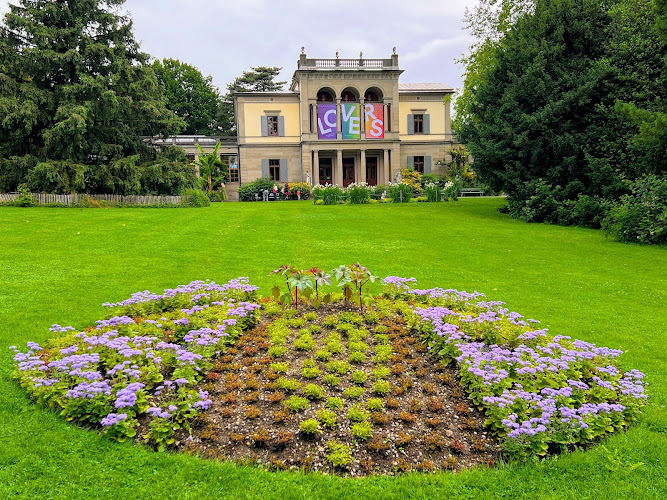
Rieterpark
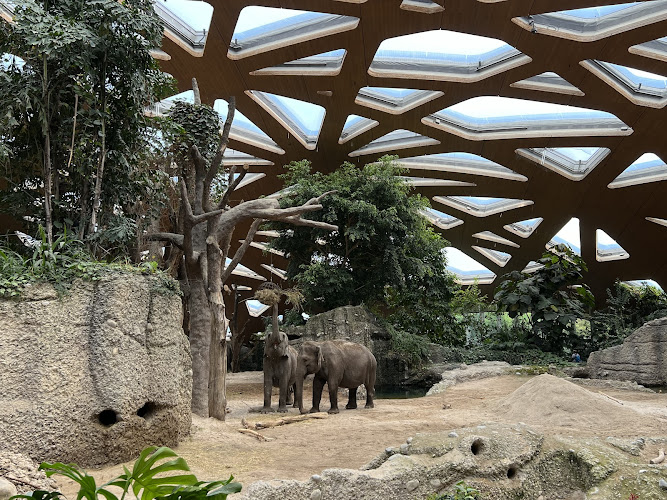
Zoo Zürich
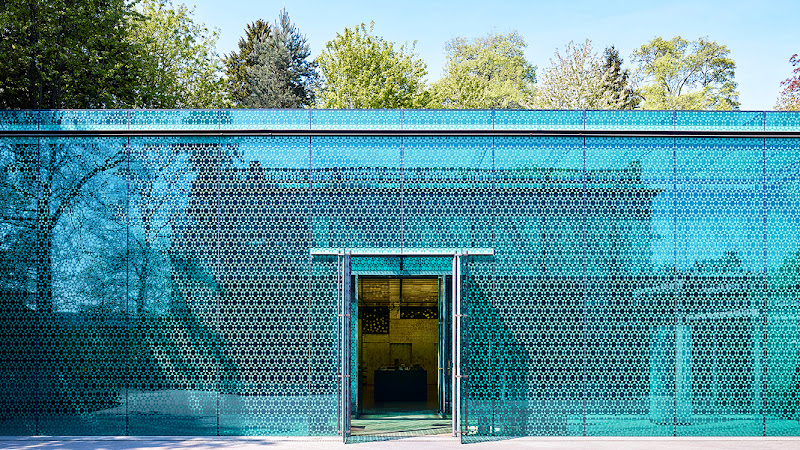
Museum Rietberg
Find Accommodations Nearby
Recommended Tours & Activities
Visitor Reviews
There are no reviews yet. Be the first one to write one.
Share Your Experience
Have you visited Quaibrücke? Help other travelers by leaving a review.