FIFA Museum
About FIFA Museum
Description
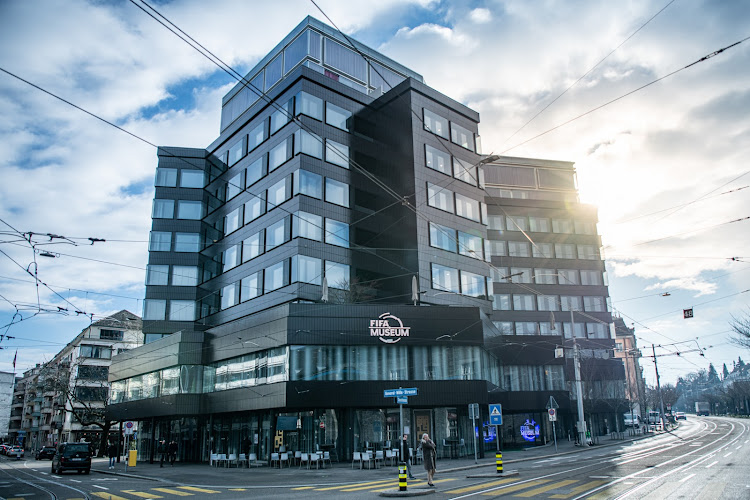
The FIFA Museum stands as a testament to the beautiful game, offering football enthusiasts and curious travelers alike an immersive journey through the sport's incredible history. Located in Zurich, Switzerland, this modern facility houses over 1,000 exhibits that chronicle football's evolution from its humble beginnings to the global phenomenon it is today. And honestly, whether you're a die-hard fan who knows every World Cup winner by heart or someone who just enjoys the occasional match, there's something genuinely captivating about walking through these halls. When I first heard about a museum dedicated entirely to football, I'll admit I was skeptical. How much can you really say about kicking a ball around? But the FIFA Museum proved me wonderfully wrong. It's not just about displaying old jerseys and trophies—though there are plenty of those. It's about storytelling, emotion, and the way this sport has woven itself into the fabric of cultures across every continent. The museum opened its doors in 2016, and since then, it's become a must-visit destination for anyone passing through Zurich who has even a passing interest in the world's most popular sport. The building itself spans three floors, each dedicated to different aspects of football's rich tapestry. You'll find everything from the original FIFA World Cup trophy to interactive gaming zones where you can test your own skills. The museum does an excellent job of balancing reverence for the sport's history with modern, engaging displays that keep visitors of all ages interested. Plus, there's a sports bar and restaurant on-site, which means you can grab a bite while discussing whether Maradona's "Hand of God" was genius or cheating.Key Features
The FIFA Museum packs an impressive array of attractions into its space, making it easy to spend several hours exploring. Here's what makes this place truly special:- The FIFA World Cup Gallery – This is the crown jewel, featuring all the official FIFA World Cup trophies and memorabilia from every tournament dating back to 1930. Seeing these golden trophies up close gives you chills, especially when you think about the legends who've lifted them.
- Interactive Gaming Zones – Test your penalty kick skills, try your hand at commentary, or challenge friends to football-themed games. These aren't just gimmicky additions; they're genuinely fun and well-designed experiences.
- Pinball Machine Collection – Over 500 pinball machines from different eras line one section, creating a unique fusion of football history and gaming culture that you won't find anywhere else.
- Player Memorabilia – Jerseys worn by Pelé, Maradona, Messi, Ronaldo, and countless other legends hang throughout the museum. Each piece tells its own story about a particular match or moment in football history.
- Multimedia Presentations – Large screens showcase unforgettable goals, saves, and moments that defined generations. Watching these compilations reminds you why football captures hearts worldwide.
- The Library and Archive – For serious football historians and researchers, the museum maintains an extensive collection of documents, photographs, and publications related to the sport's development.
- Temporary Exhibitions – The museum regularly rotates special exhibits, ensuring that even repeat visitors will find something new to discover.
- Accessibility Features – Wheelchair accessible throughout, with entrances, parking, and restrooms designed for visitors with mobility challenges.
- Family-Friendly Amenities – Kids areas, interactive displays at various heights, and engaging content that keeps younger visitors entertained while adults soak in the nostalgia.
- Onsite Dining – The sports bar and restaurant serve up decent food with great atmosphere, perfect for refueling between galleries or catching a live match.
Best Time to Visit
Timing your visit to the FIFA Museum can make a real difference in your experience. Based on what I've learned from fellow travelers and football fans, weekday mornings tend to be the sweet spot. You'll encounter smaller crowds, which means more time to linger at your favorite exhibits without feeling rushed or jostling for position. The museum gets particularly busy during school holidays and weekends, especially when major football tournaments are happening or about to kick off. But here's the thing—visiting during World Cup season, even if it's crowded, brings an electric energy that's hard to replicate. Everyone's buzzing with football fever, and that shared excitement creates a special atmosphere. If you're planning a trip to Zurich specifically for the museum, consider visiting during the shoulder seasons of spring (April to May) or fall (September to October). The weather in Switzerland is pleasant, tourist numbers are manageable, and you'll have a more relaxed experience overall. Summer brings the most visitors to Zurich, which naturally means more museum traffic. Tuesday through Thursday mornings, right when the doors open, offer your best chance for a quieter visit. The museum opens at 10 AM on most days, though hours can vary seasonally, so checking ahead is smart. And if you're someone who enjoys taking your time reading every placard and watching every video (no judgment—I'm totally that person too), arriving early gives you the breathing room to do exactly that. One insider tip: avoid visiting on rainy weekends. When the weather turns bad in Zurich, everyone flocks to indoor attractions, and the FIFA Museum is high on that list. Conversely, if it's a gorgeous sunny day, you might find the museum surprisingly empty as locals head outdoors.How to Get There
Getting to the FIFA Museum is straightforward, which is one of the nice things about Zurich's excellent public transportation system. The museum sits in the Enge district, just south of the city center along Lake Zurich's western shore. The most convenient option for most travelers is taking the tram. Tram lines 5, 6, and 7 all stop at either "Enge Bahnhof" or "Bahnhof Enge/FIFA Museum" depending on which line you take. From those stops, it's literally a five-minute walk to the museum entrance. Zurich's trams run like clockwork—punctual, clean, and efficient. You'll need to purchase a ticket from the machines at tram stops before boarding. If you're staying in central Zurich, the S-Bahn (commuter train) is another solid choice. The S2, S8, S21, and S24 lines stop at Zürich Enge station, which is right next to the museum. The S-Bahn connects you to Zurich's main train station (Hauptbahnhof) in just one stop, making it incredibly convenient if you're arriving from other Swiss cities or from the airport. Speaking of the airport, getting from Zurich Airport to the FIFA Museum takes about 30-40 minutes. Take any train from the airport to Zurich Hauptbahnhof, then transfer to one of the S-Bahn lines mentioned above. The Swiss public transport system is integrated, so one ticket covers your entire journey. For those who prefer driving, there's wheelchair-accessible parking available, though parking in Zurich can be expensive and somewhat limited. Honestly, unless you have mobility concerns, public transport is the way to go. It's cheaper, eliminates parking hassles, and gives you a more authentic local experience. Walking to the museum from Zurich's city center is feasible too—it's about 20-25 minutes along the lake, which offers lovely views. On a nice day, this might actually be your best option, letting you see more of the city while building anticipation for the museum visit.Tips for Visiting
After spending considerable time researching and hearing from folks who've visited, here are some practical tips that'll enhance your FIFA Museum experience. First off, budget at least two to three hours for your visit. You could rush through in 90 minutes, but why would you? There's so much to absorb, and the interactive elements deserve time to fully enjoy. I've talked to visitors who spent five hours there and didn't feel it was too much. Photography is allowed in most areas, which is fantastic because you'll want to capture moments like standing next to the World Cup trophy or your favorite player's jersey. However, be respectful of other visitors and avoid using flash in certain galleries where it might be restricted. The museum shop is surprisingly good. Unlike some tourist traps that peddle overpriced junk, the FIFA Museum store stocks quality merchandise, from replica jerseys to unique football books you won't find elsewhere. Budget some extra funds if you're a collector or looking for gifts for the football fan back home. Regarding accessibility, the museum truly does cater to visitors with different needs. Wheelchairs are available free of charge, and the entire facility is designed with accessibility in mind. If you're traveling with someone who has mobility challenges, you'll find this to be one of the more accommodating museums in Europe. The onsite restaurant and sports bar are decent but not exceptional. They serve the purpose if you're hungry, but Zurich has amazing dining options nearby if you'd rather explore. That said, grabbing a beer at the sports bar while a match plays on the big screen creates a fun atmosphere that fits the museum's theme. Wi-Fi is available throughout the building, which is helpful for sharing photos in real-time or looking up additional information about exhibits that catch your interest. Here's something many visitors don't realize: the museum offers guided tours in multiple languages. If you really want to deepen your understanding of particular exhibits or football history, booking a guide can be worthwhile. They share stories and context that you'd miss just reading the placards. Families should know that while the museum is absolutely kid-friendly, younger children might lose interest in some of the more historical sections. The interactive zones keep them engaged, but pacing your visit with breaks helps. The good news is those breaks can happen at the sports bar or in designated rest areas scattered throughout. Ticket prices are reasonable considering what you get, but students, seniors, and families can often find discounts. Combination tickets that include other Zurich attractions might save you money if you're planning multiple museum visits. One thing that surprised me learning about this place is how it handles the less savory aspects of football history. The museum doesn't shy away from controversies, corruption scandals, or difficult moments in the sport's past. This honest approach adds credibility and depth that purely celebratory museums sometimes lack. Finally, check the museum's schedule for special events before you visit. They host film screenings, expert talks, and temporary exhibitions that might align perfectly with your interests. Timing your visit around these events can add an extra dimension to the experience. The FIFA Museum manages to be both a shrine to football's greatest moments and an honest examination of the sport's complex history. Whether you bleed your national team's colors or just appreciate good storytelling and well-curated exhibits, this museum delivers an experience that transcends typical tourist attractions.Key Features
- Over 1,000 artefacts and memorabilia covering football history
- Original FIFA World Cup Trophy (on display) and FIFA Club World Cup Trophy (permanent exhibit as of 13 Jan 2026)
- Interactive, multimedia and digital exhibitions suitable for all ages
- Rotating special exhibitions and themed displays
- Museum shop and on-site café for souvenirs and refreshments
More Details
Updated January 17, 2026
Table of Contents
Description
The FIFA Museum stands as a testament to the beautiful game, offering football enthusiasts and curious travelers alike an immersive journey through the sport’s incredible history. Located in Zurich, Switzerland, this modern facility houses over 1,000 exhibits that chronicle football’s evolution from its humble beginnings to the global phenomenon it is today. And honestly, whether you’re a die-hard fan who knows every World Cup winner by heart or someone who just enjoys the occasional match, there’s something genuinely captivating about walking through these halls.
When I first heard about a museum dedicated entirely to football, I’ll admit I was skeptical. How much can you really say about kicking a ball around? But the FIFA Museum proved me wonderfully wrong. It’s not just about displaying old jerseys and trophies—though there are plenty of those. It’s about storytelling, emotion, and the way this sport has woven itself into the fabric of cultures across every continent. The museum opened its doors in 2016, and since then, it’s become a must-visit destination for anyone passing through Zurich who has even a passing interest in the world’s most popular sport.
The building itself spans three floors, each dedicated to different aspects of football’s rich tapestry. You’ll find everything from the original FIFA World Cup trophy to interactive gaming zones where you can test your own skills. The museum does an excellent job of balancing reverence for the sport’s history with modern, engaging displays that keep visitors of all ages interested. Plus, there’s a sports bar and restaurant on-site, which means you can grab a bite while discussing whether Maradona’s “Hand of God” was genius or cheating.
Key Features
The FIFA Museum packs an impressive array of attractions into its space, making it easy to spend several hours exploring. Here’s what makes this place truly special:
- The FIFA World Cup Gallery – This is the crown jewel, featuring all the official FIFA World Cup trophies and memorabilia from every tournament dating back to 1930. Seeing these golden trophies up close gives you chills, especially when you think about the legends who’ve lifted them.
- Interactive Gaming Zones – Test your penalty kick skills, try your hand at commentary, or challenge friends to football-themed games. These aren’t just gimmicky additions; they’re genuinely fun and well-designed experiences.
- Pinball Machine Collection – Over 500 pinball machines from different eras line one section, creating a unique fusion of football history and gaming culture that you won’t find anywhere else.
- Player Memorabilia – Jerseys worn by Pelé, Maradona, Messi, Ronaldo, and countless other legends hang throughout the museum. Each piece tells its own story about a particular match or moment in football history.
- Multimedia Presentations – Large screens showcase unforgettable goals, saves, and moments that defined generations. Watching these compilations reminds you why football captures hearts worldwide.
- The Library and Archive – For serious football historians and researchers, the museum maintains an extensive collection of documents, photographs, and publications related to the sport’s development.
- Temporary Exhibitions – The museum regularly rotates special exhibits, ensuring that even repeat visitors will find something new to discover.
- Accessibility Features – Wheelchair accessible throughout, with entrances, parking, and restrooms designed for visitors with mobility challenges.
- Family-Friendly Amenities – Kids areas, interactive displays at various heights, and engaging content that keeps younger visitors entertained while adults soak in the nostalgia.
- Onsite Dining – The sports bar and restaurant serve up decent food with great atmosphere, perfect for refueling between galleries or catching a live match.
Best Time to Visit
Timing your visit to the FIFA Museum can make a real difference in your experience. Based on what I’ve learned from fellow travelers and football fans, weekday mornings tend to be the sweet spot. You’ll encounter smaller crowds, which means more time to linger at your favorite exhibits without feeling rushed or jostling for position.
The museum gets particularly busy during school holidays and weekends, especially when major football tournaments are happening or about to kick off. But here’s the thing—visiting during World Cup season, even if it’s crowded, brings an electric energy that’s hard to replicate. Everyone’s buzzing with football fever, and that shared excitement creates a special atmosphere.
If you’re planning a trip to Zurich specifically for the museum, consider visiting during the shoulder seasons of spring (April to May) or fall (September to October). The weather in Switzerland is pleasant, tourist numbers are manageable, and you’ll have a more relaxed experience overall. Summer brings the most visitors to Zurich, which naturally means more museum traffic.
Tuesday through Thursday mornings, right when the doors open, offer your best chance for a quieter visit. The museum opens at 10 AM on most days, though hours can vary seasonally, so checking ahead is smart. And if you’re someone who enjoys taking your time reading every placard and watching every video (no judgment—I’m totally that person too), arriving early gives you the breathing room to do exactly that.
One insider tip: avoid visiting on rainy weekends. When the weather turns bad in Zurich, everyone flocks to indoor attractions, and the FIFA Museum is high on that list. Conversely, if it’s a gorgeous sunny day, you might find the museum surprisingly empty as locals head outdoors.
How to Get There
Getting to the FIFA Museum is straightforward, which is one of the nice things about Zurich’s excellent public transportation system. The museum sits in the Enge district, just south of the city center along Lake Zurich’s western shore.
The most convenient option for most travelers is taking the tram. Tram lines 5, 6, and 7 all stop at either “Enge Bahnhof” or “Bahnhof Enge/FIFA Museum” depending on which line you take. From those stops, it’s literally a five-minute walk to the museum entrance. Zurich’s trams run like clockwork—punctual, clean, and efficient. You’ll need to purchase a ticket from the machines at tram stops before boarding.
If you’re staying in central Zurich, the S-Bahn (commuter train) is another solid choice. The S2, S8, S21, and S24 lines stop at Zürich Enge station, which is right next to the museum. The S-Bahn connects you to Zurich’s main train station (Hauptbahnhof) in just one stop, making it incredibly convenient if you’re arriving from other Swiss cities or from the airport.
Speaking of the airport, getting from Zurich Airport to the FIFA Museum takes about 30-40 minutes. Take any train from the airport to Zurich Hauptbahnhof, then transfer to one of the S-Bahn lines mentioned above. The Swiss public transport system is integrated, so one ticket covers your entire journey.
For those who prefer driving, there’s wheelchair-accessible parking available, though parking in Zurich can be expensive and somewhat limited. Honestly, unless you have mobility concerns, public transport is the way to go. It’s cheaper, eliminates parking hassles, and gives you a more authentic local experience.
Walking to the museum from Zurich’s city center is feasible too—it’s about 20-25 minutes along the lake, which offers lovely views. On a nice day, this might actually be your best option, letting you see more of the city while building anticipation for the museum visit.
Tips for Visiting
After spending considerable time researching and hearing from folks who’ve visited, here are some practical tips that’ll enhance your FIFA Museum experience.
First off, budget at least two to three hours for your visit. You could rush through in 90 minutes, but why would you? There’s so much to absorb, and the interactive elements deserve time to fully enjoy. I’ve talked to visitors who spent five hours there and didn’t feel it was too much.
Photography is allowed in most areas, which is fantastic because you’ll want to capture moments like standing next to the World Cup trophy or your favorite player’s jersey. However, be respectful of other visitors and avoid using flash in certain galleries where it might be restricted.
The museum shop is surprisingly good. Unlike some tourist traps that peddle overpriced junk, the FIFA Museum store stocks quality merchandise, from replica jerseys to unique football books you won’t find elsewhere. Budget some extra funds if you’re a collector or looking for gifts for the football fan back home.
Regarding accessibility, the museum truly does cater to visitors with different needs. Wheelchairs are available free of charge, and the entire facility is designed with accessibility in mind. If you’re traveling with someone who has mobility challenges, you’ll find this to be one of the more accommodating museums in Europe.
The onsite restaurant and sports bar are decent but not exceptional. They serve the purpose if you’re hungry, but Zurich has amazing dining options nearby if you’d rather explore. That said, grabbing a beer at the sports bar while a match plays on the big screen creates a fun atmosphere that fits the museum’s theme.
Wi-Fi is available throughout the building, which is helpful for sharing photos in real-time or looking up additional information about exhibits that catch your interest.
Here’s something many visitors don’t realize: the museum offers guided tours in multiple languages. If you really want to deepen your understanding of particular exhibits or football history, booking a guide can be worthwhile. They share stories and context that you’d miss just reading the placards.
Families should know that while the museum is absolutely kid-friendly, younger children might lose interest in some of the more historical sections. The interactive zones keep them engaged, but pacing your visit with breaks helps. The good news is those breaks can happen at the sports bar or in designated rest areas scattered throughout.
Ticket prices are reasonable considering what you get, but students, seniors, and families can often find discounts. Combination tickets that include other Zurich attractions might save you money if you’re planning multiple museum visits.
One thing that surprised me learning about this place is how it handles the less savory aspects of football history. The museum doesn’t shy away from controversies, corruption scandals, or difficult moments in the sport’s past. This honest approach adds credibility and depth that purely celebratory museums sometimes lack.
Finally, check the museum’s schedule for special events before you visit. They host film screenings, expert talks, and temporary exhibitions that might align perfectly with your interests. Timing your visit around these events can add an extra dimension to the experience.
The FIFA Museum manages to be both a shrine to football’s greatest moments and an honest examination of the sport’s complex history. Whether you bleed your national team’s colors or just appreciate good storytelling and well-curated exhibits, this museum delivers an experience that transcends typical tourist attractions.
Key Highlights
- Over 1,000 artefacts and memorabilia covering football history
- Original FIFA World Cup Trophy (on display) and FIFA Club World Cup Trophy (permanent exhibit as of 13 Jan 2026)
- Interactive, multimedia and digital exhibitions suitable for all ages
- Rotating special exhibitions and themed displays
- Museum shop and on-site café for souvenirs and refreshments
Location
Places to Stay Near FIFA Museum
Find and Book a Tour
Explore More Travel Guides
No reviews found! Be the first to review!
Traveler Reviews for FIFA Museum
There are no reviews yet. Be the first one to write one.
Have you visited FIFA Museum? Help other travelers by sharing your review.
Nearby Attractions
Find Accommodations Nearby
Recommended Tours & Activities
Visitor Reviews
There are no reviews yet. Be the first one to write one.
Share Your Experience
Have you visited FIFA Museum? Help other travelers by leaving a review.
