
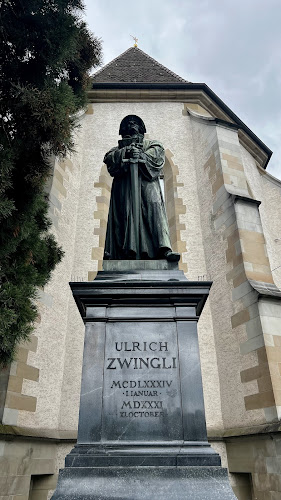
Ulrich Zwingli Monument
About Ulrich Zwingli Monument
Description
Standing tall in Zurich, the Ulrich Zwingli Monument honors one of Switzerland's most influential religious reformers who fundamentally shaped the Protestant Reformation during the 16th century. The statue captures Zwingli in a commanding pose, clutching a Bible and sword—symbols that represent his dual role as both a spiritual leader and a citizen willing to defend his beliefs with force if necessary. And honestly, when you first encounter this monument, there's something genuinely powerful about how it captures the intensity of that tumultuous period in European history. The monument sits in a location that invites contemplation and reflection, making it more than just another statue you'll rush past while sightseeing. I remember visiting similar historical monuments across Europe, and what struck me about this particular piece is how it doesn't try to soften Zwingli's legacy or present him as some sanitized historical figure. The sword is right there, reminding everyone that the Reformation wasn't just about theological debates—it was a movement that sometimes turned violent. For travelers interested in religious history, Renaissance architecture, or the complex tapestry of Swiss heritage, this monument serves as an essential stop. It's not the Eiffel Tower or the Colosseum in terms of global recognition, but for understanding Switzerland's unique path through the Reformation, you really can't skip it. The craftsmanship of the statue itself showcases the artistic standards of its time, with careful attention paid to Zwingli's facial features, the draping of his robes, and even the texture of the sword he holds.Key Features
The Ulrich Zwingli Monument offers several distinctive characteristics that make it worth including in your Zurich itinerary:- Historical Significance: Commemorates Ulrich Zwingli, who led the Reformation in Switzerland starting in 1519 and whose theological ideas influenced Protestant churches worldwide
- Symbolic Elements: The Bible and sword represent Zwingli's dual commitment to preaching reform and defending it militarily, reflecting the complex nature of 16th-century religious conflicts
- Artistic Merit: The sculpture demonstrates impressive attention to period-accurate details in clothing, posture, and facial expression that bring historical authenticity to the representation
- Wheelchair Accessible: The monument features barrier-free access, ensuring visitors with mobility challenges can experience the site comfortably
- Family-Friendly: Suitable for children and provides an educational opportunity for families to discuss religious history and Swiss culture in an engaging outdoor setting
- Photographic Appeal: The monument's imposing stature and detailed craftsmanship create excellent opportunities for memorable travel photography
- Cultural Context: Located in an area that helps visitors understand Zurich's role as a center of Reformation activity during a pivotal period in European history
- Educational Value: Informational elements near the monument provide context about Zwingli's life, his theological contributions, and his ultimate death in battle
Best Time to Visit
Timing your visit to the Ulrich Zwingli Monument can significantly enhance your experience, though I'll be straight with you—it's an outdoor monument, so it's accessible year-round. But that doesn't mean all seasons offer the same experience. Spring months from April through June present arguably the most pleasant conditions for visiting. The weather's typically mild, the tourist crowds haven't reached their summer peak, and you'll have better opportunities for unobstructed photos. I've found that early morning visits during spring offer particularly beautiful lighting for photography enthusiasts. Summer, specifically July and August, brings warmer weather and longer daylight hours, which means you can visit later in the evening when the temperature cools down. However, these months also attract the highest number of tourists to Zurich, so you might encounter more people around the monument. If you don't mind sharing the space with fellow travelers, summer works perfectly fine. Fall, particularly September and early October, offers another sweet spot. The weather remains comfortable, the summer crowds have thinned out, and there's something about autumn light that makes historical monuments look particularly striking. Plus, you'll likely find better deals on accommodation during this shoulder season. Winter visits have their own charm, though you'll need to bundle up. Snow-covered Zurich has a magical quality, and seeing the monument against a winter backdrop creates a dramatically different atmosphere. Just be prepared for shorter daylight hours and potentially slippery conditions. Regarding time of day, early morning visits around 8-9 AM or late afternoon around 4-5 PM typically offer the best natural lighting and fewer crowds. Weekdays generally see less foot traffic than weekends, which matters if you're hoping for a more contemplative experience.How to Get There
Getting to the Ulrich Zwingli Monument is refreshingly straightforward, especially considering Zurich's excellent public transportation system. The city's efficiency in this department really does live up to the Swiss reputation. Public transportation represents the most practical option for most visitors. Zurich's tram and bus network is comprehensive, reliable, and honestly quite enjoyable to use. Multiple tram lines serve the area near the monument, and the stops are clearly marked with detailed maps. If you're staying anywhere in central Zurich, you're probably within a 20-minute tram ride. The Swiss Travel System is wonderfully integrated, so if you've purchased a Zurich Card or Swiss Travel Pass, you'll have unlimited access to public transport throughout your stay. These passes often include additional benefits like museum discounts, making them worthwhile investments for travelers planning to explore the city thoroughly. Walking to the monument is absolutely feasible if you're already in Zurich's Old Town or nearby districts. The city is quite pedestrian-friendly, with well-maintained sidewalks and clear signage. And honestly, walking through Zurich lets you absorb the city's atmosphere in ways that zipping past in a tram just can't match. You'll stumble upon cafes, shops, and other historical sites along the way. For those who prefer cycling, Zurich offers bike-sharing programs and dedicated cycling lanes throughout the city. It's a popular local transportation method, and the infrastructure supports it well. Just remember that Swiss cycling etiquette is taken seriously—stay in designated lanes and follow traffic signals. Taxis and ride-sharing services are available but generally unnecessary given the public transport options. They're more expensive and don't really save you time in a city where trams run this efficiently. If you're driving into Zurich from outside the city, be aware that parking can be challenging and expensive in the central areas. Public parking garages exist, but you'll pay premium rates. Most travelers find it easier to park on the city's outskirts and use public transport for the final leg.Tips for Visiting
Making the most of your visit to the Ulrich Zwingli Monument requires a bit of preparation and some insider knowledge that'll enhance your experience significantly. First off, do some homework before you arrive. Reading even a brief biography of Ulrich Zwingli will transform the monument from just another statue into a meaningful historical connection. Understanding that he died in battle at age 47, fighting for his beliefs, adds weight to that sword he's holding. There are excellent English-language resources available online, and many guidebooks cover his role in the Reformation. Bring a good camera or ensure your phone is charged. The monument's details reward close examination, and you'll want to capture those elements. But here's something I learned the hard way at similar monuments—don't experience the entire visit through a lens. Take your photos, then put the camera down for a few minutes and just observe. Consider combining your visit with nearby attractions to create a fuller historical experience. Zurich has numerous sites connected to the Reformation and Swiss history within walking distance. This approach maximizes your time and creates a more cohesive understanding of the period. The monument is wheelchair accessible, which is genuinely commendable, but if you're visiting with someone who has mobility concerns, check current conditions beforehand. Weather can affect accessibility, particularly during winter when ice might create temporary challenges. For families traveling with children, prepare age-appropriate context about who Zwingli was and why he matters. Kids often respond better to stories than dry historical facts—frame it as an adventure or mystery about someone who changed how people thought about religion. The sword element usually captures their attention pretty quickly. Respect the space around the monument. While it's a tourist attraction, it's also a memorial to a significant historical figure. Keep voices at reasonable levels and be mindful of others who might be there for more contemplative reasons. Weather in Zurich can change quickly, so dress in layers regardless of season. I've experienced sunny mornings that turned rainy by afternoon more times than I can count in Swiss cities. A small umbrella or waterproof jacket doesn't take much space in your bag but can save your visit from becoming uncomfortable. If you're interested in deeper historical context, consider joining a guided walking tour that includes the monument as part of a broader Reformation or Zurich history tour. Local guides often share details and stories that you won't find in guidebooks, and their passion for the subject can be genuinely infectious. Finally, take advantage of the monument's location to explore the surrounding area. Zurich rewards wandering, and some of the best travel experiences happen when you allow yourself to deviate from rigid itineraries. That cafe down a side street or that small museum you didn't plan to visit might end up being highlights of your trip.Key Features
- Key Features
- Best Time to Visit
- How to Get There
- Tips for Visiting
More Details
Updated January 17, 2026
Table of Contents
Description
Standing tall in Zurich, the Ulrich Zwingli Monument honors one of Switzerland’s most influential religious reformers who fundamentally shaped the Protestant Reformation during the 16th century. The statue captures Zwingli in a commanding pose, clutching a Bible and sword—symbols that represent his dual role as both a spiritual leader and a citizen willing to defend his beliefs with force if necessary. And honestly, when you first encounter this monument, there’s something genuinely powerful about how it captures the intensity of that tumultuous period in European history.
The monument sits in a location that invites contemplation and reflection, making it more than just another statue you’ll rush past while sightseeing. I remember visiting similar historical monuments across Europe, and what struck me about this particular piece is how it doesn’t try to soften Zwingli’s legacy or present him as some sanitized historical figure. The sword is right there, reminding everyone that the Reformation wasn’t just about theological debates—it was a movement that sometimes turned violent.
For travelers interested in religious history, Renaissance architecture, or the complex tapestry of Swiss heritage, this monument serves as an essential stop. It’s not the Eiffel Tower or the Colosseum in terms of global recognition, but for understanding Switzerland’s unique path through the Reformation, you really can’t skip it. The craftsmanship of the statue itself showcases the artistic standards of its time, with careful attention paid to Zwingli’s facial features, the draping of his robes, and even the texture of the sword he holds.
Key Features
The Ulrich Zwingli Monument offers several distinctive characteristics that make it worth including in your Zurich itinerary:
- Historical Significance: Commemorates Ulrich Zwingli, who led the Reformation in Switzerland starting in 1519 and whose theological ideas influenced Protestant churches worldwide
- Symbolic Elements: The Bible and sword represent Zwingli’s dual commitment to preaching reform and defending it militarily, reflecting the complex nature of 16th-century religious conflicts
- Artistic Merit: The sculpture demonstrates impressive attention to period-accurate details in clothing, posture, and facial expression that bring historical authenticity to the representation
- Wheelchair Accessible: The monument features barrier-free access, ensuring visitors with mobility challenges can experience the site comfortably
- Family-Friendly: Suitable for children and provides an educational opportunity for families to discuss religious history and Swiss culture in an engaging outdoor setting
- Photographic Appeal: The monument’s imposing stature and detailed craftsmanship create excellent opportunities for memorable travel photography
- Cultural Context: Located in an area that helps visitors understand Zurich’s role as a center of Reformation activity during a pivotal period in European history
- Educational Value: Informational elements near the monument provide context about Zwingli’s life, his theological contributions, and his ultimate death in battle
Best Time to Visit
Timing your visit to the Ulrich Zwingli Monument can significantly enhance your experience, though I’ll be straight with you—it’s an outdoor monument, so it’s accessible year-round. But that doesn’t mean all seasons offer the same experience.
Spring months from April through June present arguably the most pleasant conditions for visiting. The weather’s typically mild, the tourist crowds haven’t reached their summer peak, and you’ll have better opportunities for unobstructed photos. I’ve found that early morning visits during spring offer particularly beautiful lighting for photography enthusiasts.
Summer, specifically July and August, brings warmer weather and longer daylight hours, which means you can visit later in the evening when the temperature cools down. However, these months also attract the highest number of tourists to Zurich, so you might encounter more people around the monument. If you don’t mind sharing the space with fellow travelers, summer works perfectly fine.
Fall, particularly September and early October, offers another sweet spot. The weather remains comfortable, the summer crowds have thinned out, and there’s something about autumn light that makes historical monuments look particularly striking. Plus, you’ll likely find better deals on accommodation during this shoulder season.
Winter visits have their own charm, though you’ll need to bundle up. Snow-covered Zurich has a magical quality, and seeing the monument against a winter backdrop creates a dramatically different atmosphere. Just be prepared for shorter daylight hours and potentially slippery conditions.
Regarding time of day, early morning visits around 8-9 AM or late afternoon around 4-5 PM typically offer the best natural lighting and fewer crowds. Weekdays generally see less foot traffic than weekends, which matters if you’re hoping for a more contemplative experience.
How to Get There
Getting to the Ulrich Zwingli Monument is refreshingly straightforward, especially considering Zurich’s excellent public transportation system. The city’s efficiency in this department really does live up to the Swiss reputation.
Public transportation represents the most practical option for most visitors. Zurich’s tram and bus network is comprehensive, reliable, and honestly quite enjoyable to use. Multiple tram lines serve the area near the monument, and the stops are clearly marked with detailed maps. If you’re staying anywhere in central Zurich, you’re probably within a 20-minute tram ride.
The Swiss Travel System is wonderfully integrated, so if you’ve purchased a Zurich Card or Swiss Travel Pass, you’ll have unlimited access to public transport throughout your stay. These passes often include additional benefits like museum discounts, making them worthwhile investments for travelers planning to explore the city thoroughly.
Walking to the monument is absolutely feasible if you’re already in Zurich’s Old Town or nearby districts. The city is quite pedestrian-friendly, with well-maintained sidewalks and clear signage. And honestly, walking through Zurich lets you absorb the city’s atmosphere in ways that zipping past in a tram just can’t match. You’ll stumble upon cafes, shops, and other historical sites along the way.
For those who prefer cycling, Zurich offers bike-sharing programs and dedicated cycling lanes throughout the city. It’s a popular local transportation method, and the infrastructure supports it well. Just remember that Swiss cycling etiquette is taken seriously—stay in designated lanes and follow traffic signals.
Taxis and ride-sharing services are available but generally unnecessary given the public transport options. They’re more expensive and don’t really save you time in a city where trams run this efficiently.
If you’re driving into Zurich from outside the city, be aware that parking can be challenging and expensive in the central areas. Public parking garages exist, but you’ll pay premium rates. Most travelers find it easier to park on the city’s outskirts and use public transport for the final leg.
Tips for Visiting
Making the most of your visit to the Ulrich Zwingli Monument requires a bit of preparation and some insider knowledge that’ll enhance your experience significantly.
First off, do some homework before you arrive. Reading even a brief biography of Ulrich Zwingli will transform the monument from just another statue into a meaningful historical connection. Understanding that he died in battle at age 47, fighting for his beliefs, adds weight to that sword he’s holding. There are excellent English-language resources available online, and many guidebooks cover his role in the Reformation.
Bring a good camera or ensure your phone is charged. The monument’s details reward close examination, and you’ll want to capture those elements. But here’s something I learned the hard way at similar monuments—don’t experience the entire visit through a lens. Take your photos, then put the camera down for a few minutes and just observe.
Consider combining your visit with nearby attractions to create a fuller historical experience. Zurich has numerous sites connected to the Reformation and Swiss history within walking distance. This approach maximizes your time and creates a more cohesive understanding of the period.
The monument is wheelchair accessible, which is genuinely commendable, but if you’re visiting with someone who has mobility concerns, check current conditions beforehand. Weather can affect accessibility, particularly during winter when ice might create temporary challenges.
For families traveling with children, prepare age-appropriate context about who Zwingli was and why he matters. Kids often respond better to stories than dry historical facts—frame it as an adventure or mystery about someone who changed how people thought about religion. The sword element usually captures their attention pretty quickly.
Respect the space around the monument. While it’s a tourist attraction, it’s also a memorial to a significant historical figure. Keep voices at reasonable levels and be mindful of others who might be there for more contemplative reasons.
Weather in Zurich can change quickly, so dress in layers regardless of season. I’ve experienced sunny mornings that turned rainy by afternoon more times than I can count in Swiss cities. A small umbrella or waterproof jacket doesn’t take much space in your bag but can save your visit from becoming uncomfortable.
If you’re interested in deeper historical context, consider joining a guided walking tour that includes the monument as part of a broader Reformation or Zurich history tour. Local guides often share details and stories that you won’t find in guidebooks, and their passion for the subject can be genuinely infectious.
Finally, take advantage of the monument’s location to explore the surrounding area. Zurich rewards wandering, and some of the best travel experiences happen when you allow yourself to deviate from rigid itineraries. That cafe down a side street or that small museum you didn’t plan to visit might end up being highlights of your trip.
Key Highlights
- Key Features
- Best Time to Visit
- How to Get There
- Tips for Visiting
Location
Places to Stay Near Ulrich Zwingli Monument
Find and Book a Tour
Explore More Travel Guides
No reviews found! Be the first to review!
Traveler Reviews for Ulrich Zwingli Monument
There are no reviews yet. Be the first one to write one.
Have you visited Ulrich Zwingli Monument? Help other travelers by sharing your review.
You Might Also Like

Zurich Succulent Plant Collection

Uhrenmuseum Beyer Zürich
Wasserkirche
Find Accommodations Nearby
Recommended Tours & Activities
Visitor Reviews
There are no reviews yet. Be the first one to write one.
Share Your Experience
Have you visited Ulrich Zwingli Monument? Help other travelers by leaving a review.