

Giacometti-Halle
About Giacometti-Halle
Description
The Giacometti-Halle represents one of those delightful surprises that travelers stumble upon in Switzerland, and honestly, it's not something you'd expect to find inside a police station of all places. This stunning entrance hall transforms what would otherwise be a mundane administrative building into an absolute work of art that draws visitors from around the globe. The renowned Swiss artist Augusto Giacometti - cousin to the more famous Alberto Giacometti - created this masterpiece in the early 20th century, turning an ordinary space into what locals affectionately call the "flower hall." Walking into a police station might not be on most travelers' bucket lists, but this particular hall challenges every expectation. The painted ceiling stretches above visitors in a riot of colors and organic forms that seem to dance across the architectural space. Giacometti's vision was to bring nature indoors through his distinctive style that blends Art Nouveau influences with his own unique interpretation of floral and natural motifs. And the result is genuinely breathtaking - thousands of painted flowers, abstract forms, and color combinations that shift depending on the light and time of day. What makes this place particularly special is its accessibility to the public despite being located within an active police headquarters. The authorities have recognized the cultural significance of this space and maintain it as a tourist attraction that visitors can experience firsthand. It's a testament to how art and civic architecture can coexist in ways that enrich community life while serving practical functions. The hall itself dates back to 1925 when Giacometti completed this ambitious project, and it has since become an iconic example of early 20th-century Swiss art. The artist spent considerable time developing techniques that would allow the colors to remain vivid and the details sharp even after decades of exposure to foot traffic and environmental conditions. His dedication shows in every brushstroke, and you can spend quite a while just standing there with your neck craned upward trying to take it all in.Key Features
The Giacometti-Halle offers visitors several distinctive elements that make it worth adding to any Swiss itinerary:- The ceiling frescoes span approximately 600 square meters of hand-painted artistry featuring Giacometti's signature floral patterns and abstract natural forms in brilliant blues, golds, reds, and greens
- The architectural design of the hall itself complements the artwork with high ceilings and natural light sources that illuminate different aspects of the paintings throughout the day
- Original Art Nouveau influenced details throughout the space including decorative columns and period-appropriate architectural elements that frame Giacometti's work
- Free admission to the public during designated hours despite being housed within an active government building
- A relatively quiet and uncrowded atmosphere compared to major museums, allowing for contemplative viewing without jostling through tourist crowds
- Historical significance as one of Giacometti's major public commissions and a prime example of integrating fine art into civic architecture
- Photo opportunities that capture both the grandeur of the overall space and intricate details within the painted compositions
- Proximity to other cultural attractions in Zurich making it easy to incorporate into a broader sightseeing itinerary
- The unique experience of visiting fine art in an unexpected location that challenges conventional ideas about where masterpieces should be displayed
Best Time to Visit
Timing your visit to the Giacometti-Halle requires some planning since it operates on limited hours compared to traditional museums. The hall is typically open during weekday business hours, which means you'll want to arrange your visit sometime between Monday and Friday. Weekends are generally not an option since the building functions primarily as government offices. I'd recommend visiting during late morning or early afternoon when natural light streams through the windows at optimal angles. The interplay between daylight and Giacometti's painted forms creates effects that artificial lighting simply cannot replicate. Around 11 AM to 2 PM seems to be the sweet spot when the colors appear most brilliant and the details are easiest to appreciate. Seasonally speaking, any time of year works for this indoor attraction, but winter months offer a particular advantage. When it's cold and potentially rainy outside, stepping into this warm space filled with painted flowers and natural imagery provides a welcome respite. Plus, tourist numbers tend to drop in Zurich during January and February, meaning you might have the hall almost entirely to yourself. Summer brings more visitors overall to Switzerland, and while the Giacometti-Halle never gets overwhelmingly crowded, you might encounter small tour groups during peak season months of June through August. But honestly, even with a few other people around, the space is large enough that it doesn't feel congested. Try to avoid visiting right at opening or closing times. The hall typically opens after the morning rush of police staff arriving for work and closes before end-of-day activities pick up. Arriving mid-morning gives everyone time to settle into their routines, and you won't feel rushed by closing time. Keep in mind that the hall occasionally closes for private events or maintenance work. It's worth checking ahead before making special plans, though these closures are relatively rare. School holidays can bring small field trip groups, so if you prefer absolute quiet, mid-week visits during regular school terms work best.How to Get There
Getting to the Giacometti-Halle is refreshingly straightforward thanks to Zurich's excellent public transportation system. The building is located in central Zurich within easy walking distance of several major landmarks, making it simple to incorporate into a day of exploration. The most convenient option involves taking Zurich's tram system, which is honestly one of the best urban transport networks I've encountered. Multiple tram lines pass within a short walk of the police headquarters. Visitors can hop on trams that stop at nearby stations and then follow signage or use a map application for the final approach on foot. For those arriving by train, Zurich's main railway station (Hauptbahnhof) sits close enough that walking is entirely feasible - perhaps 15 to 20 minutes depending on your pace. The walk takes you through some pleasant parts of the city center, so it doubles as a mini sightseeing opportunity. And if you're not up for the walk, catching a tram from the station takes just a few minutes. Visitors already exploring Zurich's old town area will find the Giacometti-Halle within reasonable walking distance. The city center is compact enough that most major attractions connect naturally on foot, and this hall fits nicely into routes that might include the Kunsthaus art museum, the Fraumünster church, or the shopping district along Bahnhofstrasse. Driving is generally not recommended for this particular destination. Zurich's city center has limited parking, traffic can be frustrating, and public transport really is the better option. But if you must drive, there are several parking garages in the general vicinity where you can leave your vehicle and walk the remaining distance. Bicycle rental is another popular option in Zurich, with multiple bike-sharing systems available throughout the city. The ride from most hotels or other attractions takes just minutes, and bike parking near the building is adequate though not extensive.Tips for Visiting
First and foremost, remember that you're entering an active police headquarters, not a typical museum. Security protocols apply, so bring valid identification and be prepared for security screening. Leave large bags at your hotel if possible since they might not be permitted inside. And obviously, behave respectfully - this is a working government building where people are conducting serious business. Photography policies can vary, so ask permission before snapping pictures. Generally speaking, photos of the artistic elements are allowed, but avoid photographing anything that might be security-sensitive or capturing images of police personnel or operational areas. When in doubt, ask the staff at the entrance who are usually quite helpful. The visit doesn't take terribly long - most people spend 20 to 40 minutes in the hall depending on their level of interest in art and architecture. It's not an all-day attraction, which makes it perfect for filling a gap in your schedule or adding to an itinerary that includes nearby sites. Don't rush, though. Take time to really look at different sections of the ceiling work and notice how Giacometti varied his approach across the space. Bring binoculars if you're serious about art appreciation. I know that sounds odd, but the ceiling details are intricate, and some of the most interesting elements are far overhead. A small pair of opera glasses or travel binoculars lets you examine brushwork and smaller compositional details that you'd otherwise miss. Consider visiting on a day when you're already dressed somewhat nicely. While there's no formal dress code, showing up in beachwear or extremely casual attire might feel awkward in this setting. Smart casual clothing strikes the right balance - comfortable for sightseeing but appropriate for a government building. The hall is accessible to visitors with mobility limitations, though like many older European buildings, some features might present challenges. Contact the facility in advance if you have specific accessibility questions or requirements. There's no cafe or gift shop at this attraction since it's not a traditional tourist venue. Plan accordingly by having snacks and water with you, though you'll need to consume these outside the building. The surrounding area has plenty of cafes and restaurants for before or after your visit. Don't expect extensive educational materials or guided tours. Unlike museums with docents and audio guides, the Giacometti-Halle offers a more independent viewing experience. Doing some research beforehand enhances your visit significantly - understanding Giacometti's artistic philosophy and the historical context of the work makes the experience richer. Finally, combine your visit with other nearby attractions to maximize your time in the area. The hall works perfectly as part of a broader cultural tour of Zurich's architectural and artistic highlights, and its central location makes such planning easy.Key Features
- The architectural design of the hall itself complements the artwork with high ceilings and natural light sources that illuminate different aspects of the paintings throughout the day
- Original Art Nouveau influenced details throughout the space including decorative columns and period-appropriate architectural elements that frame Giacometti's work
- Free admission to the public during designated hours despite being housed within an active government building
- A relatively quiet and uncrowded atmosphere compared to major museums, allowing for contemplative viewing without jostling through tourist crowds
- Historical significance as one of Giacometti's major public commissions and a prime example of integrating fine art into civic architecture
- Photo opportunities that capture both the grandeur of the overall space and intricate details within the painted compositions
- Proximity to other cultural attractions in Zurich making it easy to incorporate into a broader sightseeing itinerary
More Details
Updated January 17, 2026
Table of Contents
Description
The Giacometti-Halle represents one of those delightful surprises that travelers stumble upon in Switzerland, and honestly, it’s not something you’d expect to find inside a police station of all places. This stunning entrance hall transforms what would otherwise be a mundane administrative building into an absolute work of art that draws visitors from around the globe. The renowned Swiss artist Augusto Giacometti – cousin to the more famous Alberto Giacometti – created this masterpiece in the early 20th century, turning an ordinary space into what locals affectionately call the “flower hall.”
Walking into a police station might not be on most travelers’ bucket lists, but this particular hall challenges every expectation. The painted ceiling stretches above visitors in a riot of colors and organic forms that seem to dance across the architectural space. Giacometti’s vision was to bring nature indoors through his distinctive style that blends Art Nouveau influences with his own unique interpretation of floral and natural motifs. And the result is genuinely breathtaking – thousands of painted flowers, abstract forms, and color combinations that shift depending on the light and time of day.
What makes this place particularly special is its accessibility to the public despite being located within an active police headquarters. The authorities have recognized the cultural significance of this space and maintain it as a tourist attraction that visitors can experience firsthand. It’s a testament to how art and civic architecture can coexist in ways that enrich community life while serving practical functions.
The hall itself dates back to 1925 when Giacometti completed this ambitious project, and it has since become an iconic example of early 20th-century Swiss art. The artist spent considerable time developing techniques that would allow the colors to remain vivid and the details sharp even after decades of exposure to foot traffic and environmental conditions. His dedication shows in every brushstroke, and you can spend quite a while just standing there with your neck craned upward trying to take it all in.
Key Features
The Giacometti-Halle offers visitors several distinctive elements that make it worth adding to any Swiss itinerary:
- The ceiling frescoes span approximately 600 square meters of hand-painted artistry featuring Giacometti’s signature floral patterns and abstract natural forms in brilliant blues, golds, reds, and greens
- The architectural design of the hall itself complements the artwork with high ceilings and natural light sources that illuminate different aspects of the paintings throughout the day
- Original Art Nouveau influenced details throughout the space including decorative columns and period-appropriate architectural elements that frame Giacometti’s work
- Free admission to the public during designated hours despite being housed within an active government building
- A relatively quiet and uncrowded atmosphere compared to major museums, allowing for contemplative viewing without jostling through tourist crowds
- Historical significance as one of Giacometti’s major public commissions and a prime example of integrating fine art into civic architecture
- Photo opportunities that capture both the grandeur of the overall space and intricate details within the painted compositions
- Proximity to other cultural attractions in Zurich making it easy to incorporate into a broader sightseeing itinerary
- The unique experience of visiting fine art in an unexpected location that challenges conventional ideas about where masterpieces should be displayed
Best Time to Visit
Timing your visit to the Giacometti-Halle requires some planning since it operates on limited hours compared to traditional museums. The hall is typically open during weekday business hours, which means you’ll want to arrange your visit sometime between Monday and Friday. Weekends are generally not an option since the building functions primarily as government offices.
I’d recommend visiting during late morning or early afternoon when natural light streams through the windows at optimal angles. The interplay between daylight and Giacometti’s painted forms creates effects that artificial lighting simply cannot replicate. Around 11 AM to 2 PM seems to be the sweet spot when the colors appear most brilliant and the details are easiest to appreciate.
Seasonally speaking, any time of year works for this indoor attraction, but winter months offer a particular advantage. When it’s cold and potentially rainy outside, stepping into this warm space filled with painted flowers and natural imagery provides a welcome respite. Plus, tourist numbers tend to drop in Zurich during January and February, meaning you might have the hall almost entirely to yourself.
Summer brings more visitors overall to Switzerland, and while the Giacometti-Halle never gets overwhelmingly crowded, you might encounter small tour groups during peak season months of June through August. But honestly, even with a few other people around, the space is large enough that it doesn’t feel congested.
Try to avoid visiting right at opening or closing times. The hall typically opens after the morning rush of police staff arriving for work and closes before end-of-day activities pick up. Arriving mid-morning gives everyone time to settle into their routines, and you won’t feel rushed by closing time.
Keep in mind that the hall occasionally closes for private events or maintenance work. It’s worth checking ahead before making special plans, though these closures are relatively rare. School holidays can bring small field trip groups, so if you prefer absolute quiet, mid-week visits during regular school terms work best.
How to Get There
Getting to the Giacometti-Halle is refreshingly straightforward thanks to Zurich’s excellent public transportation system. The building is located in central Zurich within easy walking distance of several major landmarks, making it simple to incorporate into a day of exploration.
The most convenient option involves taking Zurich’s tram system, which is honestly one of the best urban transport networks I’ve encountered. Multiple tram lines pass within a short walk of the police headquarters. Visitors can hop on trams that stop at nearby stations and then follow signage or use a map application for the final approach on foot.
For those arriving by train, Zurich’s main railway station (Hauptbahnhof) sits close enough that walking is entirely feasible – perhaps 15 to 20 minutes depending on your pace. The walk takes you through some pleasant parts of the city center, so it doubles as a mini sightseeing opportunity. And if you’re not up for the walk, catching a tram from the station takes just a few minutes.
Visitors already exploring Zurich’s old town area will find the Giacometti-Halle within reasonable walking distance. The city center is compact enough that most major attractions connect naturally on foot, and this hall fits nicely into routes that might include the Kunsthaus art museum, the Fraumünster church, or the shopping district along Bahnhofstrasse.
Driving is generally not recommended for this particular destination. Zurich’s city center has limited parking, traffic can be frustrating, and public transport really is the better option. But if you must drive, there are several parking garages in the general vicinity where you can leave your vehicle and walk the remaining distance.
Bicycle rental is another popular option in Zurich, with multiple bike-sharing systems available throughout the city. The ride from most hotels or other attractions takes just minutes, and bike parking near the building is adequate though not extensive.
Tips for Visiting
First and foremost, remember that you’re entering an active police headquarters, not a typical museum. Security protocols apply, so bring valid identification and be prepared for security screening. Leave large bags at your hotel if possible since they might not be permitted inside. And obviously, behave respectfully – this is a working government building where people are conducting serious business.
Photography policies can vary, so ask permission before snapping pictures. Generally speaking, photos of the artistic elements are allowed, but avoid photographing anything that might be security-sensitive or capturing images of police personnel or operational areas. When in doubt, ask the staff at the entrance who are usually quite helpful.
The visit doesn’t take terribly long – most people spend 20 to 40 minutes in the hall depending on their level of interest in art and architecture. It’s not an all-day attraction, which makes it perfect for filling a gap in your schedule or adding to an itinerary that includes nearby sites. Don’t rush, though. Take time to really look at different sections of the ceiling work and notice how Giacometti varied his approach across the space.
Bring binoculars if you’re serious about art appreciation. I know that sounds odd, but the ceiling details are intricate, and some of the most interesting elements are far overhead. A small pair of opera glasses or travel binoculars lets you examine brushwork and smaller compositional details that you’d otherwise miss.
Consider visiting on a day when you’re already dressed somewhat nicely. While there’s no formal dress code, showing up in beachwear or extremely casual attire might feel awkward in this setting. Smart casual clothing strikes the right balance – comfortable for sightseeing but appropriate for a government building.
The hall is accessible to visitors with mobility limitations, though like many older European buildings, some features might present challenges. Contact the facility in advance if you have specific accessibility questions or requirements.
There’s no cafe or gift shop at this attraction since it’s not a traditional tourist venue. Plan accordingly by having snacks and water with you, though you’ll need to consume these outside the building. The surrounding area has plenty of cafes and restaurants for before or after your visit.
Don’t expect extensive educational materials or guided tours. Unlike museums with docents and audio guides, the Giacometti-Halle offers a more independent viewing experience. Doing some research beforehand enhances your visit significantly – understanding Giacometti’s artistic philosophy and the historical context of the work makes the experience richer.
Finally, combine your visit with other nearby attractions to maximize your time in the area. The hall works perfectly as part of a broader cultural tour of Zurich’s architectural and artistic highlights, and its central location makes such planning easy.
Key Highlights
- The architectural design of the hall itself complements the artwork with high ceilings and natural light sources that illuminate different aspects of the paintings throughout the day
- Original Art Nouveau influenced details throughout the space including decorative columns and period-appropriate architectural elements that frame Giacometti's work
- Free admission to the public during designated hours despite being housed within an active government building
- A relatively quiet and uncrowded atmosphere compared to major museums, allowing for contemplative viewing without jostling through tourist crowds
- Historical significance as one of Giacometti's major public commissions and a prime example of integrating fine art into civic architecture
- Photo opportunities that capture both the grandeur of the overall space and intricate details within the painted compositions
- Proximity to other cultural attractions in Zurich making it easy to incorporate into a broader sightseeing itinerary
Location
Places to Stay Near Giacometti-Halle
Find and Book a Tour
Explore More Travel Guides
No reviews found! Be the first to review!
Traveler Reviews for Giacometti-Halle
There are no reviews yet. Be the first one to write one.
Have you visited Giacometti-Halle? Help other travelers by sharing your review.
You Might Also Like
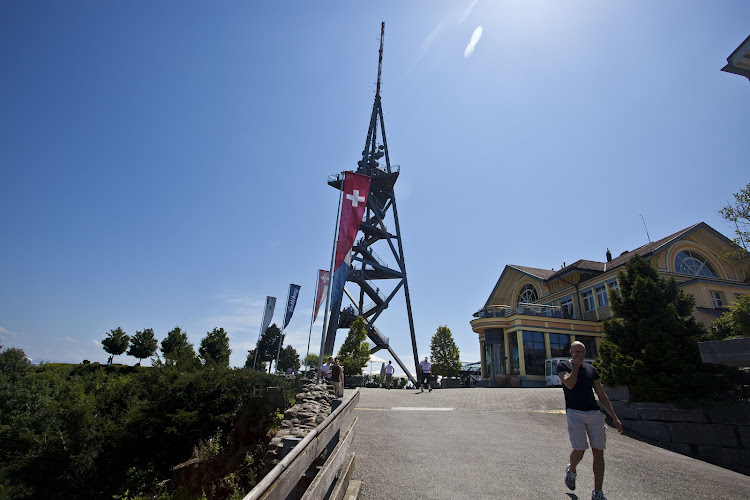
Aussichtsturm Uetliberg

Old Botanical Garden

Uhrenmuseum Beyer Zürich
Find Accommodations Nearby
Recommended Tours & Activities
Visitor Reviews
There are no reviews yet. Be the first one to write one.
Share Your Experience
Have you visited Giacometti-Halle? Help other travelers by leaving a review.