
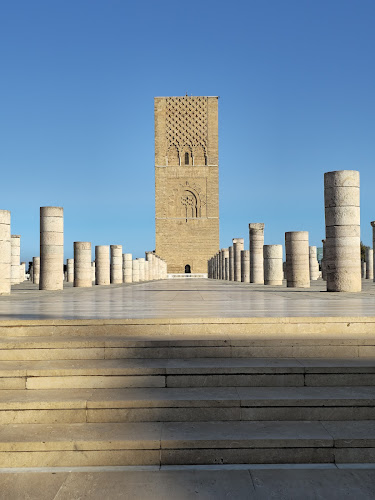
Hassan Tower
About Hassan Tower
Description
Standing tall against the Moroccan sky, Hassan Tower represents one of those architectural dreams that never quite reached completion, yet somehow became more fascinating because of it. This red sandstone minaret towers over Rabat as a testament to ambitious 12th-century construction that history interrupted. When Sultan Yacoub al-Mansour commissioned this massive project back in 1195, he envisioned the largest mosque in the world—a structure so grand it would rival anything else in the Islamic empire. But then he died in 1199, and well, construction just stopped. Just like that. The tower you see today reaches about 44 meters into the air, though it was supposed to climb to 86 meters. And honestly? There's something beautifully poetic about an unfinished monument. It's become this powerful symbol of Morocco's rich history, drawing travelers from every corner of the globe who want to witness what could have been while appreciating what actually is. The site itself covers quite a bit of ground, with the tower serving as the centerpiece of a broader archaeological area. Walking among the hundreds of columns that once would have supported the mosque's roof feels a bit like stepping into an open-air museum where time decided to pause. These columns, some standing and others toppled by the devastating 1755 Lisbon earthquake that shook this whole region, create this haunting forest of stone that photographers absolutely love. I've heard from countless travelers who initially thought they'd spend maybe 20 minutes here, only to find themselves wandering the grounds for well over an hour, completely absorbed in imagining what this place might have looked like in its intended glory. The craftsmanship on the tower itself is remarkable—intricate geometric patterns and designs carved into that distinctive red sandstone tell stories of the incredible skill Moroccan artisans possessed eight centuries ago.Key Features
The Hassan Tower complex offers visitors several distinctive elements that make it worth adding to any Moroccan itinerary:- The incomplete minaret itself, showcasing classic Almohad architectural style with detailed carvings and patterns that have weathered centuries surprisingly well
- Over 200 columns scattered across the site, creating dramatic photo opportunities especially during golden hour when shadows play across the ancient stones
- The adjacent Mausoleum of Mohammed V, a stunning 20th-century addition where Morocco's royal family members are interred, featuring exquisite tile work and marble
- Wide open plaza areas perfect for understanding the massive scale of what the original mosque complex would have encompassed
- Wheelchair accessible pathways throughout most of the site, making it genuinely accessible for visitors with mobility considerations
- Guard ceremonies at the mausoleum that happen regularly, offering glimpses into Moroccan royal traditions
- Unobstructed views across Rabat and toward the Bouregreg River, particularly beautiful as the sun sets
- Educational plaques and information boards explaining the historical significance, though admittedly they could use some updating
- Well-maintained grounds with gardens that provide pleasant shade on hot days
- Close proximity to other Rabat attractions, making it easy to combine with a fuller day of exploration
Best Time to Visit
Here's the thing about visiting Hassan Tower—timing really does matter if you want to have the best experience possible. Morocco's climate can be pretty intense depending on when you show up, and since this is largely an outdoor site with limited shade, you'll want to plan accordingly. The absolute sweet spot for visiting falls between October and April. During these months, temperatures hover in that comfortable range where you can walk around without feeling like you're slowly melting into the sandstone. Spring months, particularly March and April, bring some gorgeous weather and you might catch wildflowers blooming in the surrounding areas. Fall, especially November, offers similar pleasant conditions with the added bonus of fewer tourist crowds. Summer visits are certainly possible, but prepare yourself. June through August can get brutally hot, with temperatures regularly pushing past 35°C (95°F). If you're visiting during summer, get there early—like right when it opens around 9 AM early. The morning light is spectacular for photography anyway, and you'll avoid the worst heat. Plus, tour groups typically arrive later in the morning, so early birds get the peaceful experience. Winter visits work wonderfully too, though you'll want to bring a light jacket since evenings can get surprisingly chilly. January and February see occasional rain, but it's usually brief and the site remains open unless conditions get truly nasty. For the absolute best lighting and atmosphere, try to time your visit for late afternoon, maybe around 4 or 5 PM. The red sandstone practically glows in the setting sun, and the shadows cast by those countless columns create this almost mystical atmosphere. I've seen photos from visitors who caught sunset here and honestly, they're stunning. Friday mornings can be busier due to local worship schedules, so if you prefer quieter exploration, maybe skip that time slot. Weekday visits generally offer more tranquil experiences than weekends when local families often come out for picnics and leisure time around the grounds.How to Get There
Getting to Hassan Tower is refreshingly straightforward, which is something you don't always get with historical sites. The tower sits pretty much right in central Rabat, making it accessible through various transportation methods depending on your travel style and budget. If you're staying anywhere in Rabat's city center or the medina area, you can honestly just walk there. The tower is visible from quite a distance, so it's hard to get too lost. The walk from the medina takes about 15-20 minutes depending on your pace, and it's a pleasant stroll through some interesting neighborhoods. Taxis are everywhere in Rabat and they're pretty affordable by international standards. Just make sure to either use the meter or agree on a price before you start moving—this saves awkward conversations later. Most taxi drivers know exactly where Hassan Tower is (locals call it "Tour Hassan"), so you won't need to provide complicated directions. From the Rabat Ville train station, expect to pay around 15-20 dirhams for the short ride. The tram system offers another solid option, though it doesn't drop you directly at the site. You'd take the tram to either the "Bab El Had" or "Hassan" stop, then walk about 10-15 minutes. The tram is modern, air-conditioned, and costs just 6 dirhams per ride—definitely worth considering if you enjoy using local public transport. For those arriving from other Moroccan cities, Rabat is well-connected by train. The ONCF rail network links Rabat to Casablanca (about an hour away), Tangier, Marrakech, and other major cities. From Rabat Ville station, you're looking at about 2 kilometers to Hassan Tower, easily covered by taxi or even on foot if you're feeling energetic. Driving yourself is possible, and there's parking available near the site. But Rabat traffic can be a bit chaotic if you're not used to Moroccan driving styles, so maybe save the rental car for day trips outside the city rather than navigating urban areas. Many visitors combine Hassan Tower with the nearby Kasbah of the Udayas, which sits just across the plaza and down toward the river. You can easily walk between these attractions, making for an efficient sightseeing route.Tips for Visiting
Want to make the most of your Hassan Tower experience? Here are some practical tips that'll help you avoid common pitfalls and really appreciate what you're seeing. First off, this is an active religious and historical site, so dress respectfully. You don't need to cover up as much as you would inside a functioning mosque, but keeping shoulders and knees covered shows good cultural awareness. Comfortable walking shoes are essential—those ancient stones can be uneven, and you'll be doing more walking than you probably expect. Bring water, especially if you're visiting during warmer months. There are vendors around the perimeter, but they charge tourist prices. A refillable bottle saves money and reduces plastic waste. The site is officially free to enter, which is awesome, but that also means it attracts vendors and unofficial "guides" who may approach you offering their services. Some are genuinely knowledgeable and worth hiring for maybe 50-100 dirhams if you want deeper historical context. Others are just looking to make quick money without providing much value. It's perfectly okay to politely decline and explore on your own—there's enough information available through signage and guidebooks. Photography is allowed and encouraged, so bring your camera. The contrast between the red sandstone and blue Moroccan sky creates incredible images. For the best shots, walk around the entire tower rather than just photographing from the main entrance. The column forest on the eastern side offers particularly interesting compositions. If you're traveling with kids, they'll have plenty of space to run around, but keep an eye on them near any uneven ground or toppled columns. The site is generally very kid-friendly, and many local families use it as a park area where children can play while learning about their heritage. Plan to spend at least an hour here, maybe two if you're really into history or photography. Rushing through defeats the purpose—this is a place for contemplation and imagination as much as sightseeing. The adjacent Mausoleum of Mohammed V maintains stricter rules than the open-air Hassan Tower area. You'll need to remove shoes before entering, and silence is expected. Non-Muslims can visit but cannot enter the actual tomb chamber—you'll view it from the perimeter, which honestly still provides beautiful views of the intricate interior. Guards at the mausoleum perform changing ceremonies that happen periodically throughout the day. These are worth watching if you time it right, offering colorful traditional uniforms and precise military movements. Combine your visit with the nearby archaeological museum if you want deeper historical context about the Almohad period and Moroccan history generally. It's a short walk and helps piece together the broader story. Don't skip the views from the platform area overlooking the river. On clear days, you can see across to Salé, Rabat's sister city, and watch boats moving along the Bouregreg. It's a nice break from focusing solely on the ruins. Finally, manage expectations about what you're seeing. This isn't a perfectly preserved ancient wonder—it's an incomplete project that nature and time have weathered considerably. But that incompleteness is precisely what makes it special. You're witnessing ambition frozen in stone, a moment when history changed direction and left behind this beautiful, melancholy reminder of what might have been.Key Features
- Unfinished 12th-century Almohad minaret showcasing red sandstone craftsmanship
- Expansive hypostyle mosque foundations with dozens of visible columns
- Adjacent Mausoleum of Mohammed V with ornate modern‑traditional mausoleum architecture
- Panoramic views over the Bou Regreg and the medina of Salé
- UNESCO World Heritage context within Rabat’s historic district
More Details
Updated January 17, 2026
Table of Contents
Description
Standing tall against the Moroccan sky, Hassan Tower represents one of those architectural dreams that never quite reached completion, yet somehow became more fascinating because of it. This red sandstone minaret towers over Rabat as a testament to ambitious 12th-century construction that history interrupted. When Sultan Yacoub al-Mansour commissioned this massive project back in 1195, he envisioned the largest mosque in the world—a structure so grand it would rival anything else in the Islamic empire. But then he died in 1199, and well, construction just stopped. Just like that.
The tower you see today reaches about 44 meters into the air, though it was supposed to climb to 86 meters. And honestly? There’s something beautifully poetic about an unfinished monument. It’s become this powerful symbol of Morocco’s rich history, drawing travelers from every corner of the globe who want to witness what could have been while appreciating what actually is.
The site itself covers quite a bit of ground, with the tower serving as the centerpiece of a broader archaeological area. Walking among the hundreds of columns that once would have supported the mosque’s roof feels a bit like stepping into an open-air museum where time decided to pause. These columns, some standing and others toppled by the devastating 1755 Lisbon earthquake that shook this whole region, create this haunting forest of stone that photographers absolutely love.
I’ve heard from countless travelers who initially thought they’d spend maybe 20 minutes here, only to find themselves wandering the grounds for well over an hour, completely absorbed in imagining what this place might have looked like in its intended glory. The craftsmanship on the tower itself is remarkable—intricate geometric patterns and designs carved into that distinctive red sandstone tell stories of the incredible skill Moroccan artisans possessed eight centuries ago.
Key Features
The Hassan Tower complex offers visitors several distinctive elements that make it worth adding to any Moroccan itinerary:
- The incomplete minaret itself, showcasing classic Almohad architectural style with detailed carvings and patterns that have weathered centuries surprisingly well
- Over 200 columns scattered across the site, creating dramatic photo opportunities especially during golden hour when shadows play across the ancient stones
- The adjacent Mausoleum of Mohammed V, a stunning 20th-century addition where Morocco’s royal family members are interred, featuring exquisite tile work and marble
- Wide open plaza areas perfect for understanding the massive scale of what the original mosque complex would have encompassed
- Wheelchair accessible pathways throughout most of the site, making it genuinely accessible for visitors with mobility considerations
- Guard ceremonies at the mausoleum that happen regularly, offering glimpses into Moroccan royal traditions
- Unobstructed views across Rabat and toward the Bouregreg River, particularly beautiful as the sun sets
- Educational plaques and information boards explaining the historical significance, though admittedly they could use some updating
- Well-maintained grounds with gardens that provide pleasant shade on hot days
- Close proximity to other Rabat attractions, making it easy to combine with a fuller day of exploration
Best Time to Visit
Here’s the thing about visiting Hassan Tower—timing really does matter if you want to have the best experience possible. Morocco’s climate can be pretty intense depending on when you show up, and since this is largely an outdoor site with limited shade, you’ll want to plan accordingly.
The absolute sweet spot for visiting falls between October and April. During these months, temperatures hover in that comfortable range where you can walk around without feeling like you’re slowly melting into the sandstone. Spring months, particularly March and April, bring some gorgeous weather and you might catch wildflowers blooming in the surrounding areas. Fall, especially November, offers similar pleasant conditions with the added bonus of fewer tourist crowds.
Summer visits are certainly possible, but prepare yourself. June through August can get brutally hot, with temperatures regularly pushing past 35°C (95°F). If you’re visiting during summer, get there early—like right when it opens around 9 AM early. The morning light is spectacular for photography anyway, and you’ll avoid the worst heat. Plus, tour groups typically arrive later in the morning, so early birds get the peaceful experience.
Winter visits work wonderfully too, though you’ll want to bring a light jacket since evenings can get surprisingly chilly. January and February see occasional rain, but it’s usually brief and the site remains open unless conditions get truly nasty.
For the absolute best lighting and atmosphere, try to time your visit for late afternoon, maybe around 4 or 5 PM. The red sandstone practically glows in the setting sun, and the shadows cast by those countless columns create this almost mystical atmosphere. I’ve seen photos from visitors who caught sunset here and honestly, they’re stunning.
Friday mornings can be busier due to local worship schedules, so if you prefer quieter exploration, maybe skip that time slot. Weekday visits generally offer more tranquil experiences than weekends when local families often come out for picnics and leisure time around the grounds.
How to Get There
Getting to Hassan Tower is refreshingly straightforward, which is something you don’t always get with historical sites. The tower sits pretty much right in central Rabat, making it accessible through various transportation methods depending on your travel style and budget.
If you’re staying anywhere in Rabat’s city center or the medina area, you can honestly just walk there. The tower is visible from quite a distance, so it’s hard to get too lost. The walk from the medina takes about 15-20 minutes depending on your pace, and it’s a pleasant stroll through some interesting neighborhoods.
Taxis are everywhere in Rabat and they’re pretty affordable by international standards. Just make sure to either use the meter or agree on a price before you start moving—this saves awkward conversations later. Most taxi drivers know exactly where Hassan Tower is (locals call it “Tour Hassan”), so you won’t need to provide complicated directions. From the Rabat Ville train station, expect to pay around 15-20 dirhams for the short ride.
The tram system offers another solid option, though it doesn’t drop you directly at the site. You’d take the tram to either the “Bab El Had” or “Hassan” stop, then walk about 10-15 minutes. The tram is modern, air-conditioned, and costs just 6 dirhams per ride—definitely worth considering if you enjoy using local public transport.
For those arriving from other Moroccan cities, Rabat is well-connected by train. The ONCF rail network links Rabat to Casablanca (about an hour away), Tangier, Marrakech, and other major cities. From Rabat Ville station, you’re looking at about 2 kilometers to Hassan Tower, easily covered by taxi or even on foot if you’re feeling energetic.
Driving yourself is possible, and there’s parking available near the site. But Rabat traffic can be a bit chaotic if you’re not used to Moroccan driving styles, so maybe save the rental car for day trips outside the city rather than navigating urban areas.
Many visitors combine Hassan Tower with the nearby Kasbah of the Udayas, which sits just across the plaza and down toward the river. You can easily walk between these attractions, making for an efficient sightseeing route.
Tips for Visiting
Want to make the most of your Hassan Tower experience? Here are some practical tips that’ll help you avoid common pitfalls and really appreciate what you’re seeing.
First off, this is an active religious and historical site, so dress respectfully. You don’t need to cover up as much as you would inside a functioning mosque, but keeping shoulders and knees covered shows good cultural awareness. Comfortable walking shoes are essential—those ancient stones can be uneven, and you’ll be doing more walking than you probably expect.
Bring water, especially if you’re visiting during warmer months. There are vendors around the perimeter, but they charge tourist prices. A refillable bottle saves money and reduces plastic waste.
The site is officially free to enter, which is awesome, but that also means it attracts vendors and unofficial “guides” who may approach you offering their services. Some are genuinely knowledgeable and worth hiring for maybe 50-100 dirhams if you want deeper historical context. Others are just looking to make quick money without providing much value. It’s perfectly okay to politely decline and explore on your own—there’s enough information available through signage and guidebooks.
Photography is allowed and encouraged, so bring your camera. The contrast between the red sandstone and blue Moroccan sky creates incredible images. For the best shots, walk around the entire tower rather than just photographing from the main entrance. The column forest on the eastern side offers particularly interesting compositions.
If you’re traveling with kids, they’ll have plenty of space to run around, but keep an eye on them near any uneven ground or toppled columns. The site is generally very kid-friendly, and many local families use it as a park area where children can play while learning about their heritage.
Plan to spend at least an hour here, maybe two if you’re really into history or photography. Rushing through defeats the purpose—this is a place for contemplation and imagination as much as sightseeing.
The adjacent Mausoleum of Mohammed V maintains stricter rules than the open-air Hassan Tower area. You’ll need to remove shoes before entering, and silence is expected. Non-Muslims can visit but cannot enter the actual tomb chamber—you’ll view it from the perimeter, which honestly still provides beautiful views of the intricate interior.
Guards at the mausoleum perform changing ceremonies that happen periodically throughout the day. These are worth watching if you time it right, offering colorful traditional uniforms and precise military movements.
Combine your visit with the nearby archaeological museum if you want deeper historical context about the Almohad period and Moroccan history generally. It’s a short walk and helps piece together the broader story.
Don’t skip the views from the platform area overlooking the river. On clear days, you can see across to Salé, Rabat’s sister city, and watch boats moving along the Bouregreg. It’s a nice break from focusing solely on the ruins.
Finally, manage expectations about what you’re seeing. This isn’t a perfectly preserved ancient wonder—it’s an incomplete project that nature and time have weathered considerably. But that incompleteness is precisely what makes it special. You’re witnessing ambition frozen in stone, a moment when history changed direction and left behind this beautiful, melancholy reminder of what might have been.
Key Highlights
- Unfinished 12th-century Almohad minaret showcasing red sandstone craftsmanship
- Expansive hypostyle mosque foundations with dozens of visible columns
- Adjacent Mausoleum of Mohammed V with ornate modern‑traditional mausoleum architecture
- Panoramic views over the Bou Regreg and the medina of Salé
- UNESCO World Heritage context within Rabat’s historic district
Location
Places to Stay Near Hassan Tower
Find and Book a Tour
Explore More Travel Guides
No reviews found! Be the first to review!
Traveler Reviews for Hassan Tower
There are no reviews yet. Be the first one to write one.
Have you visited Hassan Tower? Help other travelers by sharing your review.
Nearby Attractions
You Might Also Like

CYM
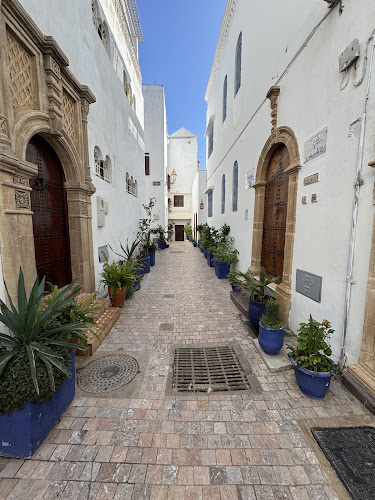
Kasbah des Oudayas
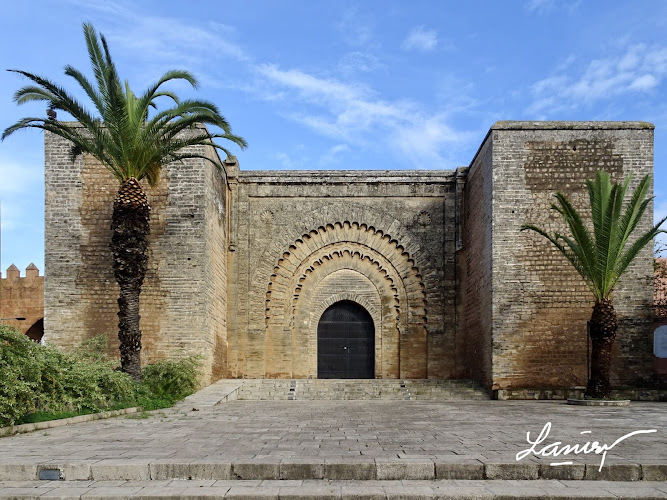
Bab Rouah Gate
Find Accommodations Nearby
Recommended Tours & Activities
Visitor Reviews
There are no reviews yet. Be the first one to write one.
Share Your Experience
Have you visited Hassan Tower? Help other travelers by leaving a review.