
Exposition Poupées du Monde
About Exposition Poupées du Monde
Description
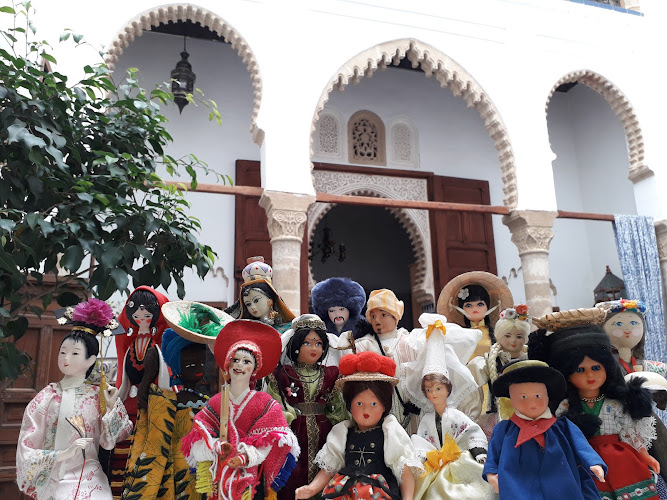
Hidden in the winding alleys of Rabat’s old Medina, the Exposition Poupées du Monde feels like stepping through a secret door into a kaleidoscope of cultures. The space isn’t grand or flashy—it’s tucked inside a traditional Moroccan house, the kind with patterned tiles and a calm, shaded courtyard that smells faintly of mint tea. Inside, though, the walls come alive with stories. Over 2,500 dolls from around 90 countries stand proudly in their glass cases, each one dressed in the traditional costume of its homeland. It’s like the world shrunk into one room, and every tiny face has something to say about where it came from.
Honestly, I didn’t expect to be so moved by dolls. But there’s something oddly powerful about seeing how much care and detail went into each one—embroidered dresses from Eastern Europe, delicate kimonos from Japan, bright beadwork from Kenya, and even the layered fabrics of Moroccan Amazigh heritage. The collection feels deeply personal, like someone’s lifelong passion project rather than a museum built for tourists. That’s probably because it is. The owner, a collector with a love for global traditions, spent decades gathering these dolls, and you can feel that love in every corner of the place.
It’s quiet here, almost meditative. The dolls aren’t just toys—they’re ambassadors of culture, snapshots of human creativity. You might find yourself lingering longer than you planned, lost in the tiny details of a miniature sari or the hand-painted eyes of a wooden figure from Scandinavia. And if you’re traveling with kids, this place is a gentle way to introduce them to the idea that the world is big, beautiful, and full of difference worth celebrating.
Sure, the museum isn’t perfect. The space can get a bit tight, and it’s not fully wheelchair accessible, which is something to keep in mind. But what it lacks in infrastructure, it more than makes up for in heart. It’s one of those places that remind you travel isn’t always about grand monuments—it’s about the small, human stories that connect us all.
Key Features
- Extensive Collection: Over 2,500 dolls from 90 countries, each dressed in authentic traditional attire.
- Cultural Diversity: A fascinating look into global traditions, clothing, and craftsmanship.
- Authentic Setting: Housed in a traditional Moroccan home in the heart of Rabat’s Medina, giving the visit a cozy, intimate feel.
- Family-Friendly: Perfect for families and children who enjoy interactive and visual learning experiences.
- Gender-Neutral Restroom: Inclusive facilities available on-site.
- Personal Touch: A privately curated collection that reflects decades of passion and cultural appreciation.
- Educational Value: Offers a unique insight into global heritage, costume design, and social customs.
Best Time to Visit
Rabat is pleasant most of the year, but if you want to enjoy the Medina without feeling like you’re melting, aim for spring (March to May) or autumn (September to November). The weather during these months is mild, perfect for wandering the narrow streets before ducking into the museum. Summer can get quite warm, and while the traditional house keeps the interior relatively cool, exploring the Medina beforehand might leave you craving shade and a cold drink.
Weekday mornings are usually quieter. If you prefer a slower, more reflective experience, that’s your window. Weekends tend to draw more local families, which can be lovely too—it adds a layer of warmth and chatter that makes the space feel alive. Personally, I found visiting in the late afternoon magical. The light filters through the small windows just right, casting soft shadows over the dolls’ faces. It’s oddly cinematic.
How to Get There
Getting to the Exposition Poupées du Monde is part of the adventure. The museum is located inside the Medina of Rabat, so cars can’t take you directly there. You’ll likely start from one of the Medina gates—Bab Chellah or Bab Bouiba are good starting points—and then follow the narrow, winding streets. If you’re anything like me, you’ll probably get a little lost. But that’s half the fun. The locals are friendly and used to guiding travelers toward hidden gems, so don’t hesitate to ask for directions. Just mention “Poupées du Monde,” and someone will point you the right way.
If you’re staying in central Rabat, walking is the easiest option. It’s also possible to take a petit taxi to the edge of the Medina and continue on foot. For those coming from outside the city, Rabat Ville train station is only a short taxi ride away. Public transportation works fine, but honestly, strolling through the Medina’s labyrinthine alleys gives you a richer experience—especially when you stumble upon spice stalls, artisans at work, and the occasional street musician.
Tips for Visiting
Here’s what I wish I’d known before going. First, bring cash. Some small museums in Morocco, including this one, don’t always accept cards. Entry fees are modest, and the proceeds help maintain the collection. Second, take your time. It’s tempting to breeze through, but every display has a story. If you’re curious, strike up a conversation with the staff—they’re genuinely passionate and often share fascinating tidbits about the origins of particular dolls.
Photography is usually allowed, but always ask first. Some dolls are quite delicate, and flash photography can damage the materials. And if you’re traveling with children, prepare for a surprisingly engaging experience. Kids often love spotting dolls from countries they’ve heard about in school—it turns into a kind of global treasure hunt.
Accessibility-wise, it’s good to know the entrance isn’t wheelchair-friendly, and the narrow staircases might be tricky for those with mobility issues. But for most visitors, the charm of the place more than compensates. There’s also a gender-neutral restroom available, which is a thoughtful touch you don’t always find in older buildings like this.
I’d also recommend combining your visit with a walk around the Medina. You can grab a mint tea afterward at one of the nearby riads or cafés—there’s something poetic about sipping tea after spending an hour surrounded by miniature versions of the world. It’s the kind of place that lingers in your mind. Even weeks later, I found myself remembering a tiny doll from Peru, her woven shawl so intricate it looked real. That’s the magic of this museum—it’s small, but it leaves a big impression.
If you’re a traveler who loves discovering lesser-known cultural spots, this one’s a must. It’s not the kind of museum that shouts for attention. It whispers. And if you listen closely, it tells you stories from every corner of the earth—stories stitched, painted, and carved into the tiniest of forms. So, when you’re in Rabat, take a detour from the usual tourist trail and step into this quiet, colorful world. It’s a reminder that sometimes, the smallest things hold the biggest stories.
Key Features
- Key Features
- Best Time to Visit
- How to Get There
- Tips for Visiting
More Details
Updated October 8, 2025
Table of Contents
Description
Hidden in the winding alleys of Rabat’s old Medina, the Exposition Poupées du Monde feels like stepping through a secret door into a kaleidoscope of cultures. The space isn’t grand or flashy—it’s tucked inside a traditional Moroccan house, the kind with patterned tiles and a calm, shaded courtyard that smells faintly of mint tea. Inside, though, the walls come alive with stories. Over 2,500 dolls from around 90 countries stand proudly in their glass cases, each one dressed in the traditional costume of its homeland. It’s like the world shrunk into one room, and every tiny face has something to say about where it came from.
Honestly, I didn’t expect to be so moved by dolls. But there’s something oddly powerful about seeing how much care and detail went into each one—embroidered dresses from Eastern Europe, delicate kimonos from Japan, bright beadwork from Kenya, and even the layered fabrics of Moroccan Amazigh heritage. The collection feels deeply personal, like someone’s lifelong passion project rather than a museum built for tourists. That’s probably because it is. The owner, a collector with a love for global traditions, spent decades gathering these dolls, and you can feel that love in every corner of the place.
It’s quiet here, almost meditative. The dolls aren’t just toys—they’re ambassadors of culture, snapshots of human creativity. You might find yourself lingering longer than you planned, lost in the tiny details of a miniature sari or the hand-painted eyes of a wooden figure from Scandinavia. And if you’re traveling with kids, this place is a gentle way to introduce them to the idea that the world is big, beautiful, and full of difference worth celebrating.
Sure, the museum isn’t perfect. The space can get a bit tight, and it’s not fully wheelchair accessible, which is something to keep in mind. But what it lacks in infrastructure, it more than makes up for in heart. It’s one of those places that remind you travel isn’t always about grand monuments—it’s about the small, human stories that connect us all.
Key Features
- Extensive Collection: Over 2,500 dolls from 90 countries, each dressed in authentic traditional attire.
- Cultural Diversity: A fascinating look into global traditions, clothing, and craftsmanship.
- Authentic Setting: Housed in a traditional Moroccan home in the heart of Rabat’s Medina, giving the visit a cozy, intimate feel.
- Family-Friendly: Perfect for families and children who enjoy interactive and visual learning experiences.
- Gender-Neutral Restroom: Inclusive facilities available on-site.
- Personal Touch: A privately curated collection that reflects decades of passion and cultural appreciation.
- Educational Value: Offers a unique insight into global heritage, costume design, and social customs.
Best Time to Visit
Rabat is pleasant most of the year, but if you want to enjoy the Medina without feeling like you’re melting, aim for spring (March to May) or autumn (September to November). The weather during these months is mild, perfect for wandering the narrow streets before ducking into the museum. Summer can get quite warm, and while the traditional house keeps the interior relatively cool, exploring the Medina beforehand might leave you craving shade and a cold drink.
Weekday mornings are usually quieter. If you prefer a slower, more reflective experience, that’s your window. Weekends tend to draw more local families, which can be lovely too—it adds a layer of warmth and chatter that makes the space feel alive. Personally, I found visiting in the late afternoon magical. The light filters through the small windows just right, casting soft shadows over the dolls’ faces. It’s oddly cinematic.
How to Get There
Getting to the Exposition Poupées du Monde is part of the adventure. The museum is located inside the Medina of Rabat, so cars can’t take you directly there. You’ll likely start from one of the Medina gates—Bab Chellah or Bab Bouiba are good starting points—and then follow the narrow, winding streets. If you’re anything like me, you’ll probably get a little lost. But that’s half the fun. The locals are friendly and used to guiding travelers toward hidden gems, so don’t hesitate to ask for directions. Just mention “Poupées du Monde,” and someone will point you the right way.
If you’re staying in central Rabat, walking is the easiest option. It’s also possible to take a petit taxi to the edge of the Medina and continue on foot. For those coming from outside the city, Rabat Ville train station is only a short taxi ride away. Public transportation works fine, but honestly, strolling through the Medina’s labyrinthine alleys gives you a richer experience—especially when you stumble upon spice stalls, artisans at work, and the occasional street musician.
Tips for Visiting
Here’s what I wish I’d known before going. First, bring cash. Some small museums in Morocco, including this one, don’t always accept cards. Entry fees are modest, and the proceeds help maintain the collection. Second, take your time. It’s tempting to breeze through, but every display has a story. If you’re curious, strike up a conversation with the staff—they’re genuinely passionate and often share fascinating tidbits about the origins of particular dolls.
Photography is usually allowed, but always ask first. Some dolls are quite delicate, and flash photography can damage the materials. And if you’re traveling with children, prepare for a surprisingly engaging experience. Kids often love spotting dolls from countries they’ve heard about in school—it turns into a kind of global treasure hunt.
Accessibility-wise, it’s good to know the entrance isn’t wheelchair-friendly, and the narrow staircases might be tricky for those with mobility issues. But for most visitors, the charm of the place more than compensates. There’s also a gender-neutral restroom available, which is a thoughtful touch you don’t always find in older buildings like this.
I’d also recommend combining your visit with a walk around the Medina. You can grab a mint tea afterward at one of the nearby riads or cafés—there’s something poetic about sipping tea after spending an hour surrounded by miniature versions of the world. It’s the kind of place that lingers in your mind. Even weeks later, I found myself remembering a tiny doll from Peru, her woven shawl so intricate it looked real. That’s the magic of this museum—it’s small, but it leaves a big impression.
If you’re a traveler who loves discovering lesser-known cultural spots, this one’s a must. It’s not the kind of museum that shouts for attention. It whispers. And if you listen closely, it tells you stories from every corner of the earth—stories stitched, painted, and carved into the tiniest of forms. So, when you’re in Rabat, take a detour from the usual tourist trail and step into this quiet, colorful world. It’s a reminder that sometimes, the smallest things hold the biggest stories.
Key Highlights
- Key Features
- Best Time to Visit
- How to Get There
- Tips for Visiting
Location
Places to Stay Near Exposition Poupées du Monde
Find and Book a Tour
Explore More Travel Guides
No reviews found! Be the first to review!
Traveler Reviews for Exposition Poupées du Monde
There are no reviews yet. Be the first one to write one.
Have you visited Exposition Poupées du Monde? Help other travelers by sharing your review.
You Might Also Like
Botanical Garden

Rabat Old Market
Musée National de la Photographie
Find Accommodations Nearby
Recommended Tours & Activities
Visitor Reviews
There are no reviews yet. Be the first one to write one.
Share Your Experience
Have you visited Exposition Poupées du Monde? Help other travelers by leaving a review.