
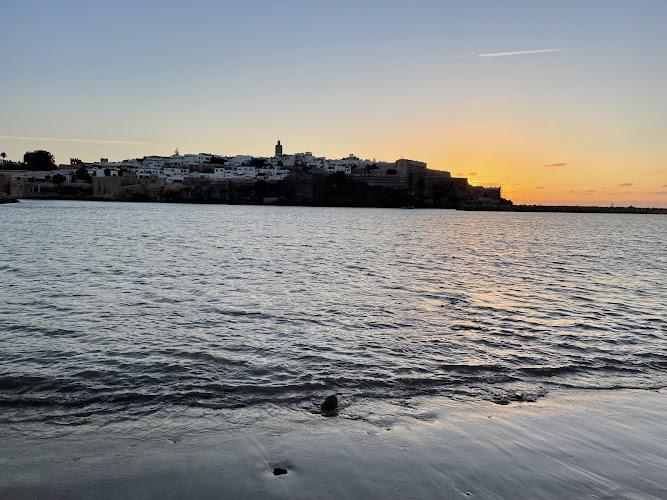
Kasbah of the Udayas
About Kasbah of the Udayas
Description
The Kasbah of the Udayas, perched proudly at the mouth of the Bou Regreg River in Rabat, Morocco, is one of those places that somehow feels frozen in time yet alive with stories. It’s a fortress, yes—but also a living neighborhood, a maze of blue-and-white alleyways that whisper tales of pirates, dynasties, and centuries of trade. The moment one steps through the monumental gate, there’s this quiet shift in atmosphere. The noise of the modern city fades, replaced by the soft echo of footsteps on cobblestone and the scent of sea air drifting in from the Atlantic.
Built during the Almohad dynasty in the 12th century, the Kasbah of the Udayas has seen empires rise and fall. It once served as a military base, a haven for Andalusian refugees, and later, a symbol of Rabat’s layered identity. Today, it’s a UNESCO World Heritage Site—though honestly, it feels more like a secret garden of history than a tourist stop. The walls, painted in that signature cobalt blue, seem to glow in the afternoon sun. And if you’re anything like me, you’ll find yourself pausing every few steps just to take in the play of light and color that gives this place its soul.
There’s something deeply human about the Kasbah. Locals still live here, hanging laundry between centuries-old walls, chatting in doorways, or selling mint tea to curious visitors. It’s not polished or pretentious—it’s real. And that’s part of its charm. The Andalusian Gardens, tucked inside the kasbah, offer a shady retreat where the hum of bees and the trickle of fountains make time feel irrelevant. I remember sitting there once, sipping tea from a small café overlooking the Bou Regreg, watching the boats drift lazily by. It was one of those rare travel moments where you realize you’re exactly where you’re supposed to be.
Key Features
- Historic Fortress: Originally built as a military stronghold in the 12th century by the Almohads, the kasbah’s massive walls and gates still stand as a testament to Morocco’s architectural prowess.
- Andalusian Gardens: A peaceful oasis within the fortress, filled with orange trees, palms, and fountains—a perfect spot to rest and reflect.
- Blue-and-White Streets: The narrow lanes painted in calming shades of blue and white are reminiscent of Chefchaouen but with their own coastal charm.
- Panoramic Views: From the kasbah’s ramparts, visitors can enjoy breathtaking views of the Atlantic Ocean, the Bou Regreg River, and the city of Salé on the opposite bank.
- Traditional Moroccan Architecture: Intricate doorways, carved wooden ceilings, and zellij tilework that showcase centuries of craftsmanship.
- Local Life: A functioning neighborhood where residents still live, adding authenticity and warmth to the experience.
- UNESCO World Heritage Site: Recognized for its cultural and historical significance as part of the city of Rabat’s heritage.
Best Time to Visit
If you’re planning a trip, spring (March to May) and autumn (September to November) are ideal. The weather during these months is comfortably warm, and the light has that golden quality photographers dream about. Summer can be beautiful too, but the midday heat tends to turn the stone pathways into miniature ovens—so early mornings or late afternoons are your best bet.
I once visited in late October, and the timing couldn’t have been better. The crowds were thinner, the air crisp, and the sunsets over the Atlantic? Absolutely unforgettable. Winter has its own charm, especially if you enjoy quieter travel. The sea breeze can be cool, but wrapping up in a light jacket while wandering the kasbah’s alleys gives the whole experience a cozy, nostalgic feel.
How to Get There
Reaching the Kasbah of the Udayas is surprisingly easy. It’s located in the heart of Rabat, close to the Medina and the city’s main attractions. From Rabat Ville train station, it’s just a short taxi ride or a pleasant 20-minute walk. If you’re coming from Casablanca, the train journey takes about an hour, and from there, local taxis can drop you right at the kasbah’s entrance.
For those who love walking (and I do), the best way to approach the kasbah is through the old Medina. Wandering through the market streets before arriving at the grand gate of Bab Oudaïa feels like stepping through layers of time. You can also cross the river from Salé by boat—a small local ferry that costs next to nothing but offers one of the most scenic approaches you’ll find anywhere in Morocco.
Tips for Visiting
Here’s where a few insider tips can make your visit smoother and more memorable. First, go early. The kasbah opens its gates at sunrise, and those first hours of soft light are pure magic for photography. Plus, you’ll have the narrow streets almost to yourself. Midday tends to bring in more visitors and tour groups, which can make it harder to soak in the quiet charm.
Second, wear comfortable shoes. The cobblestone paths can be uneven, and there’s a fair bit of walking involved—especially if you plan to explore the gardens and ramparts. Bring a hat and sunscreen too; the Moroccan sun doesn’t mess around. And don’t forget some cash—many of the small cafés and shops inside the kasbah don’t accept cards.
If you’re into history, consider hiring a local guide. They can tell you stories about the kasbah’s role in Rabat’s defense, its Andalusian settlers, and even a few ghost tales that locals swear are true. On my last visit, my guide told me about the pirates who once used the kasbah as a base in the 17th century—imagine that! It gave the place an entirely new layer of intrigue.
Another tip: climb up to the terrace near Café Maure for a panoramic view of the river and the ocean. Order a mint tea (trust me, it’s the best you’ll find) and just sit for a while. Watching the boats drift by and hearing the call to prayer echo across the water is something you’ll remember long after you’ve left Morocco.
Lastly, respect the residents. Remember, this isn’t just a tourist site—it’s home to real families who’ve lived here for generations. Keep your voice down, ask before taking photos of people, and try to support the local artisans who sell handmade goods. Buying a small ceramic or woven basket might seem minor, but it helps sustain the community that keeps this historic gem alive.
The Kasbah of the Udayas isn’t just a place to tick off your travel list—it’s an experience that lingers. It’s the kind of destination that invites you to slow down, breathe, and connect with Morocco’s layered past. Whether you’re a history buff, a photographer, or simply someone who loves wandering through beautiful, storied places, the kasbah will leave its mark on you. And if you’re anything like me, you’ll find yourself daydreaming about those blue walls and ocean breezes long after you’ve gone home.
Key Features
- Key Features
- Best Time to Visit
- How to Get There
- Tips for Visiting
More Details
Updated October 8, 2025
Table of Contents
Description
The Kasbah of the Udayas, perched proudly at the mouth of the Bou Regreg River in Rabat, Morocco, is one of those places that somehow feels frozen in time yet alive with stories. It’s a fortress, yes—but also a living neighborhood, a maze of blue-and-white alleyways that whisper tales of pirates, dynasties, and centuries of trade. The moment one steps through the monumental gate, there’s this quiet shift in atmosphere. The noise of the modern city fades, replaced by the soft echo of footsteps on cobblestone and the scent of sea air drifting in from the Atlantic.
Built during the Almohad dynasty in the 12th century, the Kasbah of the Udayas has seen empires rise and fall. It once served as a military base, a haven for Andalusian refugees, and later, a symbol of Rabat’s layered identity. Today, it’s a UNESCO World Heritage Site—though honestly, it feels more like a secret garden of history than a tourist stop. The walls, painted in that signature cobalt blue, seem to glow in the afternoon sun. And if you’re anything like me, you’ll find yourself pausing every few steps just to take in the play of light and color that gives this place its soul.
There’s something deeply human about the Kasbah. Locals still live here, hanging laundry between centuries-old walls, chatting in doorways, or selling mint tea to curious visitors. It’s not polished or pretentious—it’s real. And that’s part of its charm. The Andalusian Gardens, tucked inside the kasbah, offer a shady retreat where the hum of bees and the trickle of fountains make time feel irrelevant. I remember sitting there once, sipping tea from a small café overlooking the Bou Regreg, watching the boats drift lazily by. It was one of those rare travel moments where you realize you’re exactly where you’re supposed to be.
Key Features
- Historic Fortress: Originally built as a military stronghold in the 12th century by the Almohads, the kasbah’s massive walls and gates still stand as a testament to Morocco’s architectural prowess.
- Andalusian Gardens: A peaceful oasis within the fortress, filled with orange trees, palms, and fountains—a perfect spot to rest and reflect.
- Blue-and-White Streets: The narrow lanes painted in calming shades of blue and white are reminiscent of Chefchaouen but with their own coastal charm.
- Panoramic Views: From the kasbah’s ramparts, visitors can enjoy breathtaking views of the Atlantic Ocean, the Bou Regreg River, and the city of Salé on the opposite bank.
- Traditional Moroccan Architecture: Intricate doorways, carved wooden ceilings, and zellij tilework that showcase centuries of craftsmanship.
- Local Life: A functioning neighborhood where residents still live, adding authenticity and warmth to the experience.
- UNESCO World Heritage Site: Recognized for its cultural and historical significance as part of the city of Rabat’s heritage.
Best Time to Visit
If you’re planning a trip, spring (March to May) and autumn (September to November) are ideal. The weather during these months is comfortably warm, and the light has that golden quality photographers dream about. Summer can be beautiful too, but the midday heat tends to turn the stone pathways into miniature ovens—so early mornings or late afternoons are your best bet.
I once visited in late October, and the timing couldn’t have been better. The crowds were thinner, the air crisp, and the sunsets over the Atlantic? Absolutely unforgettable. Winter has its own charm, especially if you enjoy quieter travel. The sea breeze can be cool, but wrapping up in a light jacket while wandering the kasbah’s alleys gives the whole experience a cozy, nostalgic feel.
How to Get There
Reaching the Kasbah of the Udayas is surprisingly easy. It’s located in the heart of Rabat, close to the Medina and the city’s main attractions. From Rabat Ville train station, it’s just a short taxi ride or a pleasant 20-minute walk. If you’re coming from Casablanca, the train journey takes about an hour, and from there, local taxis can drop you right at the kasbah’s entrance.
For those who love walking (and I do), the best way to approach the kasbah is through the old Medina. Wandering through the market streets before arriving at the grand gate of Bab Oudaïa feels like stepping through layers of time. You can also cross the river from Salé by boat—a small local ferry that costs next to nothing but offers one of the most scenic approaches you’ll find anywhere in Morocco.
Tips for Visiting
Here’s where a few insider tips can make your visit smoother and more memorable. First, go early. The kasbah opens its gates at sunrise, and those first hours of soft light are pure magic for photography. Plus, you’ll have the narrow streets almost to yourself. Midday tends to bring in more visitors and tour groups, which can make it harder to soak in the quiet charm.
Second, wear comfortable shoes. The cobblestone paths can be uneven, and there’s a fair bit of walking involved—especially if you plan to explore the gardens and ramparts. Bring a hat and sunscreen too; the Moroccan sun doesn’t mess around. And don’t forget some cash—many of the small cafés and shops inside the kasbah don’t accept cards.
If you’re into history, consider hiring a local guide. They can tell you stories about the kasbah’s role in Rabat’s defense, its Andalusian settlers, and even a few ghost tales that locals swear are true. On my last visit, my guide told me about the pirates who once used the kasbah as a base in the 17th century—imagine that! It gave the place an entirely new layer of intrigue.
Another tip: climb up to the terrace near Café Maure for a panoramic view of the river and the ocean. Order a mint tea (trust me, it’s the best you’ll find) and just sit for a while. Watching the boats drift by and hearing the call to prayer echo across the water is something you’ll remember long after you’ve left Morocco.
Lastly, respect the residents. Remember, this isn’t just a tourist site—it’s home to real families who’ve lived here for generations. Keep your voice down, ask before taking photos of people, and try to support the local artisans who sell handmade goods. Buying a small ceramic or woven basket might seem minor, but it helps sustain the community that keeps this historic gem alive.
The Kasbah of the Udayas isn’t just a place to tick off your travel list—it’s an experience that lingers. It’s the kind of destination that invites you to slow down, breathe, and connect with Morocco’s layered past. Whether you’re a history buff, a photographer, or simply someone who loves wandering through beautiful, storied places, the kasbah will leave its mark on you. And if you’re anything like me, you’ll find yourself daydreaming about those blue walls and ocean breezes long after you’ve gone home.
Key Highlights
- Key Features
- Best Time to Visit
- How to Get There
- Tips for Visiting
Location
Places to Stay Near Kasbah of the Udayas
Find and Book a Tour
Explore More Travel Guides
No reviews found! Be the first to review!
Traveler Reviews for Kasbah of the Udayas
There are no reviews yet. Be the first one to write one.
Have you visited Kasbah of the Udayas? Help other travelers by sharing your review.
You Might Also Like

Mohammed VI Museum of Modern & Contemporary Art
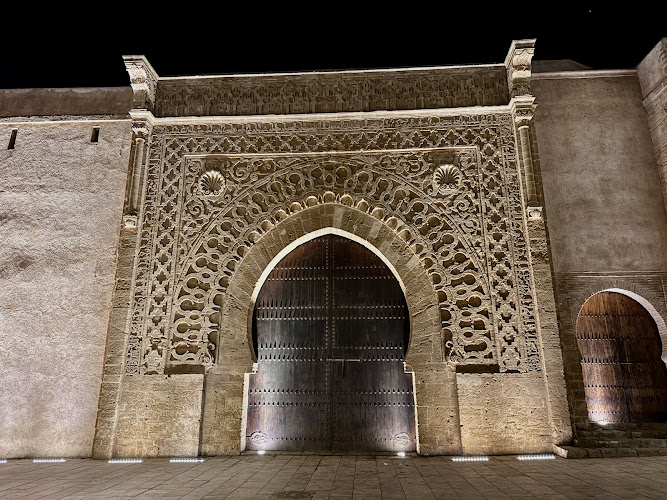
Bab Oudayas

Chellah Castle
Find Accommodations Nearby
Recommended Tours & Activities
Visitor Reviews
There are no reviews yet. Be the first one to write one.
Share Your Experience
Have you visited Kasbah of the Udayas? Help other travelers by leaving a review.