
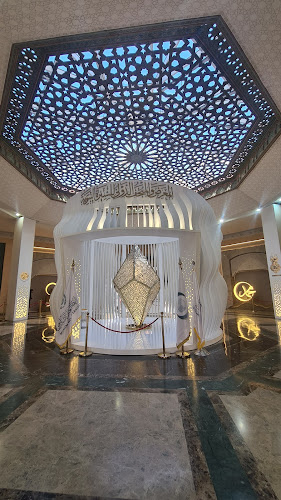
The International Fair and Museum of the Prophet’s Biography and Islamic Civilization – Rabat
About The International Fair and Museum of the Prophet’s Biography and Islamic Civilization – Rabat
Description
The International Fair and Museum of the Prophet’s Biography and Islamic Civilization in Rabat is one of those places that quietly takes your breath away. It’s not just another museum—it’s more like stepping into a living story. The moment visitors walk through its doors, they’re surrounded by a sense of reverence and curiosity. The museum is dedicated to presenting the life of the Prophet Muhammad (peace be upon him) and the broader history of Islamic civilization in a way that feels deeply human and accessible. It’s immersive, educational, and emotional all at once. And honestly, even for those who might not know much about Islamic history, there’s something profoundly moving about how the story unfolds here.
What sets this museum apart is its ability to merge technology and tradition so seamlessly. It uses interactive displays, multimedia exhibits, and detailed reconstructions to bring centuries of history to life. The curators clearly put their hearts into making it more than just a collection of artifacts. It’s an experience that invites reflection, offering context to a faith and civilization that have shaped much of the world’s culture, art, and science. The storytelling is vivid, the visuals are stunning, and the atmosphere is calm yet charged with meaning. You can almost feel time slow down as you move from one gallery to another.
It’s also worth noting how well-organized and accessible the museum is. The design is modern but respectful of its subject matter, and the staff are genuinely welcoming. Families, students, and scholars all find something here that speaks to them. And it’s not just about religion—it’s about understanding how Islamic civilization contributed to everything from astronomy to architecture, from philosophy to poetry. The museum manages to make these complex ideas approachable, even for younger visitors. In a world that often rushes past the details, this place reminds you to pause and think.
Of course, like any major attraction, it has its small flaws—occasional crowds, a few exhibits that could use clearer translations, maybe even moments when the technology feels a bit too ambitious. But those are minor compared to what you gain from the visit. The overall impression is one of care, authenticity, and purpose. It’s the kind of place that stays with you long after you’ve left, sparking conversations and reflections about history, faith, and what connects us as people. If you’re traveling through Rabat, it’s absolutely worth carving out a few hours to explore this museum properly. You might even find yourself returning for a second visit just to take it all in again.
Key Features
- Immersive Exhibits: The museum uses advanced audiovisual technology and interactive displays to tell the story of the Prophet’s life and the evolution of Islamic civilization.
- Educational Focus: Thoughtfully curated content helps visitors understand the historical, cultural, and scientific contributions of Islamic societies.
- Family-Friendly Environment: Designed to engage visitors of all ages, with sections that are particularly accessible and enjoyable for children.
- Accessibility: The entire space is wheelchair accessible, with ramps, restrooms, and parking facilities designed for ease of movement.
- Peaceful Ambiance: The architecture and interior design create an atmosphere of calm reflection, encouraging visitors to slow down and absorb the experience.
- Free Parking: Convenient and free parking is available, making it easy for travelers to visit without worrying about logistics.
- Onsite Services: Clean restrooms, helpful staff, and organized ticketing services make the visit smooth and comfortable.
- Multilingual Displays: Exhibits are presented in multiple languages, allowing international visitors to fully engage with the content.
- Modern Architecture: The museum’s design blends contemporary aesthetics with subtle traditional elements, reflecting the harmony between past and present.
- Spiritual and Cultural Depth: Beyond facts and figures, the museum aims to build empathy and understanding through storytelling and artistic presentation.
Best Time to Visit
Timing can make a big difference when visiting the International Fair and Museum of the Prophet’s Biography and Islamic Civilization. Rabat itself enjoys a mild Mediterranean climate, so honestly, there’s no truly bad time to go. But if you want the most comfortable experience, spring (March to May) and autumn (September to November) are ideal. The weather is pleasantly warm, and the city feels alive without being overcrowded. During these months, strolling around the museum grounds before or after your visit feels like a treat in itself.
Weekdays, especially in the morning, tend to be quieter. That’s when you can really take your time exploring each exhibit without feeling rushed. Weekends and holidays, on the other hand, can get busy—families, school groups, and tourists from all over Morocco and beyond come to see it. If you don’t mind the buzz of a crowd, that can actually add to the atmosphere. But if you’re like me and prefer a slower, more contemplative experience, aim for a weekday visit. And one more thing—if you happen to visit during Ramadan, the museum sometimes hosts special events and extended hours, which can make your experience even more meaningful.
How to Get There
Rabat is well-connected and easy to navigate, which makes reaching the museum straightforward. If you’re staying in the city center, a short taxi ride or even a quick drive will get you there in no time. Public transportation options, like buses and trams, also run close to the museum area. For those coming from Casablanca, the train to Rabat is efficient and scenic, taking about an hour. Once you arrive in Rabat, taxis are abundant and reasonably priced—just make sure to confirm the fare before starting your trip.
If you’re driving, you’ll be relieved to know that the museum offers free parking. It’s one of those little conveniences that make travel days smoother. And for travelers who enjoy walking, the museum’s location makes it easy to pair your visit with nearby attractions. You might explore Rabat’s historic medina or the Hassan Tower afterward, both of which are within easy reach. Personally, I love combining a museum visit with a leisurely lunch somewhere nearby—Rabat has no shortage of cozy cafés where you can sit, sip mint tea, and let the experience sink in.
Tips for Visiting
Visiting the International Fair and Museum of the Prophet’s Biography and Islamic Civilization is best enjoyed when you plan ahead just a little. Here are a few tips that might help you make the most of your time there:
- Book tickets in advance: It’s generally recommended to secure tickets ahead of time, especially during weekends or school holidays. It saves you from waiting in line and ensures your preferred visiting slot.
- Allow enough time: Don’t rush. Set aside at least two to three hours to explore properly. The exhibits are detailed, and you’ll want time to absorb the information and atmosphere.
- Dress comfortably: The museum is spacious, and you’ll likely be walking quite a bit. Comfortable shoes are your best friend here.
- Be mindful: This is a place of cultural and religious significance. Modest attire and respectful behavior go a long way in maintaining the serene environment.
- Bring curiosity: Even if you’re not deeply familiar with Islamic history, approach the exhibits with an open mind. You’ll walk away with a richer understanding of a civilization that has influenced so much of the world.
- Photography etiquette: Some areas may restrict photography, particularly where digital projections or sensitive materials are displayed. Always check signage or ask the staff before snapping pictures.
- Visit with kids: If you’re traveling with children, they’ll find plenty to engage them. The interactive displays and visual storytelling make history come alive in ways that are both fun and educational.
- Take breaks: There’s no onsite restaurant, but there are rest areas where you can pause, reflect, and rest your feet before continuing your exploration.
- Ask questions: The staff are knowledgeable and friendly. Don’t hesitate to strike up a conversation—they often share fascinating insights that aren’t written on the display panels.
- Reflect afterward: One of the most rewarding parts of a visit here is the feeling it leaves behind. Take a moment afterward—maybe over coffee or a walk—to think about what resonated with you most.
In the end, the International Fair and Museum of the Prophet’s Biography and Islamic Civilization isn’t just a stop on a travel itinerary—it’s an experience that lingers. It invites visitors to see the world through a broader lens, to appreciate the depth of Islamic culture and the universal values it promotes: compassion, knowledge, and unity. Whether you’re a history enthusiast, a spiritual seeker, or simply a curious traveler, this museum offers something that speaks to the heart. And if you’re anything like me, you’ll leave with a quiet sense of awe—and maybe even a newfound appreciation for how interconnected our world truly is.
Key Features
- Extensive collection of manuscripts and Qur'anic calligraphy
- Multimedia and immersive exhibits explaining the Prophet's life
- Displays of Islamic decorative arts and historical artifacts
- Temporary exhibitions and fair-related cultural events
- Quiet, contemplative galleries integrated with Rabat’s cultural scene
More Details
Updated December 1, 2025
Table of Contents
- Description
- Key Features
- Best Time to Visit
- How to Get There
- Tips for Visiting
- Key Highlights
- Location
- Places to Stay Near The International Fair and Museum of the Prophet's Biography and Islamic Civilization - Rabat
- Find and Book a Tour
- Explore More Travel Guides
- Nearby Places You Might Like
- Traveler Reviews for The International Fair and Museum of the Prophet’s Biography and Islamic Civilization – Rabat
- Share Your Experience
Description
The International Fair and Museum of the Prophet’s Biography and Islamic Civilization in Rabat is one of those places that quietly takes your breath away. It’s not just another museum—it’s more like stepping into a living story. The moment visitors walk through its doors, they’re surrounded by a sense of reverence and curiosity. The museum is dedicated to presenting the life of the Prophet Muhammad (peace be upon him) and the broader history of Islamic civilization in a way that feels deeply human and accessible. It’s immersive, educational, and emotional all at once. And honestly, even for those who might not know much about Islamic history, there’s something profoundly moving about how the story unfolds here.
What sets this museum apart is its ability to merge technology and tradition so seamlessly. It uses interactive displays, multimedia exhibits, and detailed reconstructions to bring centuries of history to life. The curators clearly put their hearts into making it more than just a collection of artifacts. It’s an experience that invites reflection, offering context to a faith and civilization that have shaped much of the world’s culture, art, and science. The storytelling is vivid, the visuals are stunning, and the atmosphere is calm yet charged with meaning. You can almost feel time slow down as you move from one gallery to another.
It’s also worth noting how well-organized and accessible the museum is. The design is modern but respectful of its subject matter, and the staff are genuinely welcoming. Families, students, and scholars all find something here that speaks to them. And it’s not just about religion—it’s about understanding how Islamic civilization contributed to everything from astronomy to architecture, from philosophy to poetry. The museum manages to make these complex ideas approachable, even for younger visitors. In a world that often rushes past the details, this place reminds you to pause and think.
Of course, like any major attraction, it has its small flaws—occasional crowds, a few exhibits that could use clearer translations, maybe even moments when the technology feels a bit too ambitious. But those are minor compared to what you gain from the visit. The overall impression is one of care, authenticity, and purpose. It’s the kind of place that stays with you long after you’ve left, sparking conversations and reflections about history, faith, and what connects us as people. If you’re traveling through Rabat, it’s absolutely worth carving out a few hours to explore this museum properly. You might even find yourself returning for a second visit just to take it all in again.
Key Features
- Immersive Exhibits: The museum uses advanced audiovisual technology and interactive displays to tell the story of the Prophet’s life and the evolution of Islamic civilization.
- Educational Focus: Thoughtfully curated content helps visitors understand the historical, cultural, and scientific contributions of Islamic societies.
- Family-Friendly Environment: Designed to engage visitors of all ages, with sections that are particularly accessible and enjoyable for children.
- Accessibility: The entire space is wheelchair accessible, with ramps, restrooms, and parking facilities designed for ease of movement.
- Peaceful Ambiance: The architecture and interior design create an atmosphere of calm reflection, encouraging visitors to slow down and absorb the experience.
- Free Parking: Convenient and free parking is available, making it easy for travelers to visit without worrying about logistics.
- Onsite Services: Clean restrooms, helpful staff, and organized ticketing services make the visit smooth and comfortable.
- Multilingual Displays: Exhibits are presented in multiple languages, allowing international visitors to fully engage with the content.
- Modern Architecture: The museum’s design blends contemporary aesthetics with subtle traditional elements, reflecting the harmony between past and present.
- Spiritual and Cultural Depth: Beyond facts and figures, the museum aims to build empathy and understanding through storytelling and artistic presentation.
Best Time to Visit
Timing can make a big difference when visiting the International Fair and Museum of the Prophet’s Biography and Islamic Civilization. Rabat itself enjoys a mild Mediterranean climate, so honestly, there’s no truly bad time to go. But if you want the most comfortable experience, spring (March to May) and autumn (September to November) are ideal. The weather is pleasantly warm, and the city feels alive without being overcrowded. During these months, strolling around the museum grounds before or after your visit feels like a treat in itself.
Weekdays, especially in the morning, tend to be quieter. That’s when you can really take your time exploring each exhibit without feeling rushed. Weekends and holidays, on the other hand, can get busy—families, school groups, and tourists from all over Morocco and beyond come to see it. If you don’t mind the buzz of a crowd, that can actually add to the atmosphere. But if you’re like me and prefer a slower, more contemplative experience, aim for a weekday visit. And one more thing—if you happen to visit during Ramadan, the museum sometimes hosts special events and extended hours, which can make your experience even more meaningful.
How to Get There
Rabat is well-connected and easy to navigate, which makes reaching the museum straightforward. If you’re staying in the city center, a short taxi ride or even a quick drive will get you there in no time. Public transportation options, like buses and trams, also run close to the museum area. For those coming from Casablanca, the train to Rabat is efficient and scenic, taking about an hour. Once you arrive in Rabat, taxis are abundant and reasonably priced—just make sure to confirm the fare before starting your trip.
If you’re driving, you’ll be relieved to know that the museum offers free parking. It’s one of those little conveniences that make travel days smoother. And for travelers who enjoy walking, the museum’s location makes it easy to pair your visit with nearby attractions. You might explore Rabat’s historic medina or the Hassan Tower afterward, both of which are within easy reach. Personally, I love combining a museum visit with a leisurely lunch somewhere nearby—Rabat has no shortage of cozy cafés where you can sit, sip mint tea, and let the experience sink in.
Tips for Visiting
Visiting the International Fair and Museum of the Prophet’s Biography and Islamic Civilization is best enjoyed when you plan ahead just a little. Here are a few tips that might help you make the most of your time there:
- Book tickets in advance: It’s generally recommended to secure tickets ahead of time, especially during weekends or school holidays. It saves you from waiting in line and ensures your preferred visiting slot.
- Allow enough time: Don’t rush. Set aside at least two to three hours to explore properly. The exhibits are detailed, and you’ll want time to absorb the information and atmosphere.
- Dress comfortably: The museum is spacious, and you’ll likely be walking quite a bit. Comfortable shoes are your best friend here.
- Be mindful: This is a place of cultural and religious significance. Modest attire and respectful behavior go a long way in maintaining the serene environment.
- Bring curiosity: Even if you’re not deeply familiar with Islamic history, approach the exhibits with an open mind. You’ll walk away with a richer understanding of a civilization that has influenced so much of the world.
- Photography etiquette: Some areas may restrict photography, particularly where digital projections or sensitive materials are displayed. Always check signage or ask the staff before snapping pictures.
- Visit with kids: If you’re traveling with children, they’ll find plenty to engage them. The interactive displays and visual storytelling make history come alive in ways that are both fun and educational.
- Take breaks: There’s no onsite restaurant, but there are rest areas where you can pause, reflect, and rest your feet before continuing your exploration.
- Ask questions: The staff are knowledgeable and friendly. Don’t hesitate to strike up a conversation—they often share fascinating insights that aren’t written on the display panels.
- Reflect afterward: One of the most rewarding parts of a visit here is the feeling it leaves behind. Take a moment afterward—maybe over coffee or a walk—to think about what resonated with you most.
In the end, the International Fair and Museum of the Prophet’s Biography and Islamic Civilization isn’t just a stop on a travel itinerary—it’s an experience that lingers. It invites visitors to see the world through a broader lens, to appreciate the depth of Islamic culture and the universal values it promotes: compassion, knowledge, and unity. Whether you’re a history enthusiast, a spiritual seeker, or simply a curious traveler, this museum offers something that speaks to the heart. And if you’re anything like me, you’ll leave with a quiet sense of awe—and maybe even a newfound appreciation for how interconnected our world truly is.
Key Highlights
- Extensive collection of manuscripts and Qur’anic calligraphy
- Multimedia and immersive exhibits explaining the Prophet’s life
- Displays of Islamic decorative arts and historical artifacts
- Temporary exhibitions and fair-related cultural events
- Quiet, contemplative galleries integrated with Rabat’s cultural scene
Location
Places to Stay Near The International Fair and Museum of the Prophet's Biography and Islamic Civilization - Rabat
Find and Book a Tour
Explore More Travel Guides
No reviews found! Be the first to review!
Traveler Reviews for The International Fair and Museum of the Prophet’s Biography and Islamic Civilization – Rabat
There are no reviews yet. Be the first one to write one.
Have you visited The International Fair and Museum of the Prophet’s Biography and Islamic Civilization – Rabat? Help other travelers by sharing your review.
Nearby Attractions
You Might Also Like
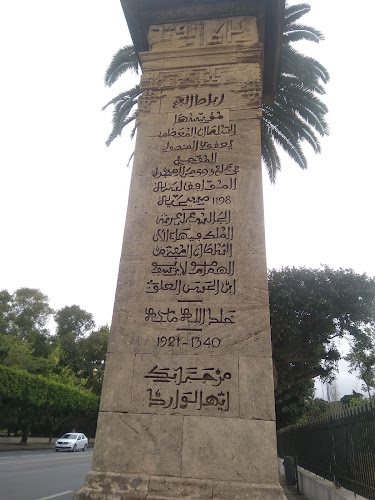
Av. Annasr

The International Fair and Museum of the Prophet

Chellah Castle
Find Accommodations Nearby
Recommended Tours & Activities
Visitor Reviews
There are no reviews yet. Be the first one to write one.
Share Your Experience
Have you visited The International Fair and Museum of the Prophet’s Biography and Islamic Civilization – Rabat? Help other travelers by leaving a review.