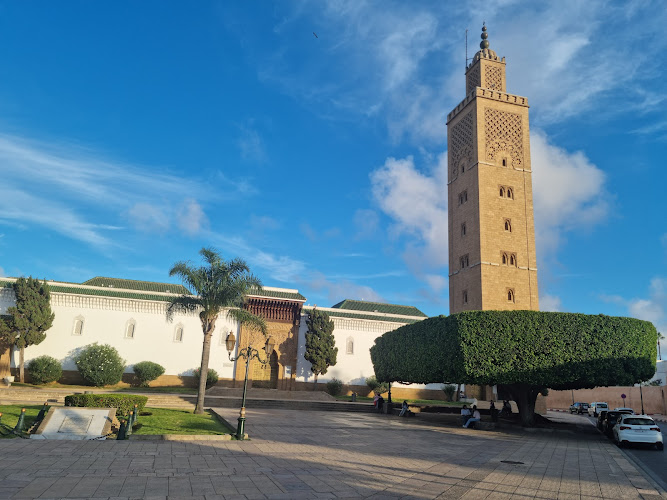
Assounna Mosque
About Assounna Mosque
Description
The Assounna Mosque stands as one of those architectural treasures that genuinely surprises visitors who stumble upon it during their travels. I've found that the most memorable places aren't always the ones plastered across every travel brochure, and this mosque definitely fits that category. It's a working house of worship that welcomes visitors throughout the year, offering travelers a chance to appreciate Islamic architecture and experience the peaceful atmosphere that permeates its grounds. What makes this mosque particularly special is how it manages to serve both its local community and curious travelers seamlessly. You'll notice right away that this isn't some dusty museum piece – it's alive with daily prayers, community gatherings, and the gentle hum of spiritual practice. The architecture showcases traditional Islamic design elements while incorporating practical features that make it accessible to everyone, regardless of physical ability. The building itself tells a story through its construction. Traditional geometric patterns dance across surfaces, intricate calligraphy adorns walls, and the attention to detail in every corner reflects the dedication of those who built it. And honestly, there's something profoundly moving about standing in a space designed specifically to inspire contemplation and connection. Whether you're religious or not, the atmosphere tends to slow you down in the best possible way. Many travelers who visit report feeling an unexpected sense of tranquility here. Maybe it's the architecture, maybe it's the community spirit, or maybe it's just the break from the typical tourist hustle. Whatever the reason, the mosque has earned its reputation as a worthwhile stop for those seeking authentic cultural experiences.Key Features
The Assounna Mosque offers several distinctive features that set it apart and make it particularly appealing for travelers: • Full wheelchair accessibility throughout the entire facility, including dedicated parking spaces, entrance ramps, and adapted restroom facilities – something not every historic or religious building can claim • Traditional Islamic architectural elements that showcase regional craftsmanship and design principles, perfect for photography enthusiasts and architecture buffs • Clean, well-maintained restroom facilities available for visitors, which any seasoned traveler knows is worth its weight in gold • Active prayer spaces where you can observe (respectfully) the daily rhythms of Islamic worship and community life • Peaceful courtyard areas that provide quiet spots for reflection or simply escaping the heat during warmer months • Welcoming atmosphere where non-Muslim visitors are generally received warmly, provided they observe basic etiquette and dress codes • Architectural photography opportunities that capture both grand scale elements and intimate decorative details • Community engagement programs that sometimes allow visitors to learn more about Islamic practices and local culture • Strategic location that makes it accessible for most travelers without requiring extensive detours • Well-preserved interior spaces that demonstrate ongoing care and maintenance by the communityBest Time to Visit
Timing your visit to the Assounna Mosque can really make or break your experience, so let me share what I've learned about planning this right. The mosque is technically open throughout the year, but certain times offer better experiences than others depending on what you're after. For the most peaceful visit with fewer crowds, weekday mornings outside of prayer times work beautifully. You'll have more space to appreciate the architecture and take photographs without feeling rushed or intrusive. Mid-morning, say around 10 AM to 11 AM, often hits that sweet spot where morning prayers have concluded but the lunch rush hasn't begun. But here's the thing – visiting during prayer times can actually be incredibly rewarding if you're interested in experiencing the mosque as a living, breathing community space rather than just a building. The call to prayer echoing through the halls, the gathering of worshippers, the palpable sense of devotion – these elements add layers of meaning you simply can't get from an empty building. Just be extra respectful during these times and stay in designated visitor areas. Friday afternoons tend to get quite busy since that's when the main weekly congregational prayer happens. Unless you specifically want to witness this important gathering, you might want to schedule your visit for another day. The energy is remarkable, but it's not the time for leisurely architectural appreciation. Weather-wise, early morning or late afternoon visits during summer months help you avoid the peak heat, especially if you're exploring outdoor courtyard areas. The golden hour light also does magical things to Islamic architecture – those geometric patterns and decorative elements practically glow. Winter visits have their own charm. Cooler temperatures make exploration more comfortable, and there's often less tourist traffic overall. Plus, the morning light during winter months creates different shadows and highlights on the architectural features. Avoiding major Islamic holidays might be wise unless you're specifically interested in observing celebrations. During Ramadan, for instance, the mosque sees increased activity and heightened spiritual atmosphere, which can be fascinating but also means less opportunity for quiet observation.How to Get There
Getting to the Assounna Mosque is generally straightforward, though like with most worthwhile destinations, a bit of planning helps ensure a smooth journey. The mosque's accessibility features extend to its parking facilities, which is great news for those traveling by car. If you're driving, the dedicated parking lot includes wheelchair accessible spaces close to the entrance. Navigation apps will get you to the general vicinity without much trouble, though I'd recommend confirming the exact location with your accommodation beforehand. Sometimes these apps get a little confused with religious buildings that don't have conventional street addresses in their systems. Public transportation options vary depending on your starting point, but many visitors find that local buses serve the area reasonably well. Ask your hotel concierge or hostel staff about the best route from your specific location – they'll have current information about schedules and any recent changes to bus routes. And don't be shy about asking locals for directions once you're in the neighborhood. Most people are genuinely happy to help travelers find their way. Taxi services and ride-sharing apps work well for reaching the mosque, especially if you're not familiar with the public transport system. The fare is usually reasonable, and you avoid the stress of navigating unfamiliar streets. Just make sure your driver understands exactly which mosque you're heading to, as cities often have multiple prayer houses. For the adventurous traveler who enjoys walking, the surrounding neighborhood often rewards exploration. If your accommodation is within a couple kilometers, consider making it a walking journey. You'll discover street life, local shops, and authentic glimpses of daily life that you'd completely miss from a car window. The wheelchair accessible entrance means visitors with mobility challenges can enter with dignity and ease – something that honestly should be standard everywhere but sadly isn't. The thoughtful infrastructure here demonstrates that accessibility was prioritized in the design or renovation process.Tips for Visiting
Let me share some practical wisdom that'll help make your visit to the Assounna Mosque smooth and respectful. These aren't just generic travel tips – they're specific things I've learned matter at religious sites like this. First and foremost, dress modestly. This isn't optional, and it's not about anyone trying to restrict your personal freedom – it's about respect for a sacred space. For women, that means covering your hair with a scarf, wearing long sleeves, and ensuring your legs are covered. Long skirts or loose pants work perfectly. Men should wear long pants and shirts that cover their shoulders. Some mosques provide coverings for unprepared visitors, but don't count on it. Bring your own scarf and dress appropriately from the start. Remove your shoes before entering the prayer areas. You'll typically see a designated spot for footwear near the entrance. This practice keeps the prayer spaces clean since worshippers often sit or prostrate directly on the floor or carpets. Wearing socks is a good idea – both for hygiene and comfort. Photography etiquette matters tremendously. While architectural photography is generally acceptable in designated areas, never photograph people praying without explicit permission. Actually, just don't photograph people praying, period. It's intrusive and disrespectful. If you're unsure whether photography is allowed in a particular space, ask or look for signage. When in doubt, put the camera away and just experience the moment. Timing your visit around prayer times requires some thought. If you want to observe prayers, arrive a bit early and position yourself in a designated visitor area where you won't be in the way. Stay quiet, keep still, and observe without interfering. If you prefer exploring without the crowds that gather for prayers, check the prayer schedule and plan accordingly. The restroom facilities are available, but remember this is a place of worship, not a tourist center. Use them respectfully and leave them as clean as you found them. The availability of accessible restrooms makes this mosque particularly welcoming for travelers with various needs. Silence your phone completely – not just vibrate, but fully silent. And honestly, consider leaving it in your pocket or bag except for those quick architectural photos. Being fully present in the space creates a much richer experience than viewing it through a screen. If you're visiting with children, prepare them beforehand about expected behavior. Mosques are generally welcoming to families, but running, shouting, or disruptive behavior isn't appropriate. This is a great opportunity to teach kids about respecting different cultures and sacred spaces. Consider visiting with a local guide or joining a cultural tour if you want deeper insights into Islamic architecture and practices. Many travelers find this context enriches the experience tremendously. But solo visits work fine too if you do a bit of research beforehand and approach the space with an open, respectful attitude. Don't bring food or drinks into the prayer areas. There's usually a designated space if you need to take a water break, especially during hot weather, but the sacred spaces themselves should remain free of eating and drinking. Engage respectfully with any community members you encounter. A smile and a polite greeting go a long way. Many people are happy to answer questions about their faith or the mosque's history if approached with genuine curiosity and respect. Just remember they're there to worship, not serve as tour guides, so read the situation appropriately. Finally, take a moment to actually appreciate what you're experiencing. Yes, get those photos for your social media or travel journal. But also just sit quietly for a few minutes, observe the play of light through windows, notice the craftsmanship in the decorative elements, and soak in the peaceful atmosphere. These moments of genuine connection with a place are what you'll remember long after the trip ends. The Assounna Mosque offers travelers something increasingly rare – an authentic glimpse into living religious practice combined with architectural beauty and genuine community spirit. Visit with an open heart and respectful attitude, and you'll likely leave with a deeper appreciation for Islamic culture and perhaps a few moments of unexpected tranquility to carry forward in your travels.Key Features
- Prominent minaret with traditional Moroccan design
- Spacious courtyard offering a quiet retreat
- Location on Avenue Mohammed V — great for photos framed by palm-lined boulevard
- Example of Alawite-era architectural details and horseshoe arches
- Active local congregation — authentic cultural atmosphere
More Details
Updated January 17, 2026
Table of Contents
Description
The Assounna Mosque stands as one of those architectural treasures that genuinely surprises visitors who stumble upon it during their travels. I’ve found that the most memorable places aren’t always the ones plastered across every travel brochure, and this mosque definitely fits that category. It’s a working house of worship that welcomes visitors throughout the year, offering travelers a chance to appreciate Islamic architecture and experience the peaceful atmosphere that permeates its grounds.
What makes this mosque particularly special is how it manages to serve both its local community and curious travelers seamlessly. You’ll notice right away that this isn’t some dusty museum piece – it’s alive with daily prayers, community gatherings, and the gentle hum of spiritual practice. The architecture showcases traditional Islamic design elements while incorporating practical features that make it accessible to everyone, regardless of physical ability.
The building itself tells a story through its construction. Traditional geometric patterns dance across surfaces, intricate calligraphy adorns walls, and the attention to detail in every corner reflects the dedication of those who built it. And honestly, there’s something profoundly moving about standing in a space designed specifically to inspire contemplation and connection. Whether you’re religious or not, the atmosphere tends to slow you down in the best possible way.
Many travelers who visit report feeling an unexpected sense of tranquility here. Maybe it’s the architecture, maybe it’s the community spirit, or maybe it’s just the break from the typical tourist hustle. Whatever the reason, the mosque has earned its reputation as a worthwhile stop for those seeking authentic cultural experiences.
Key Features
The Assounna Mosque offers several distinctive features that set it apart and make it particularly appealing for travelers:
• Full wheelchair accessibility throughout the entire facility, including dedicated parking spaces, entrance ramps, and adapted restroom facilities – something not every historic or religious building can claim
• Traditional Islamic architectural elements that showcase regional craftsmanship and design principles, perfect for photography enthusiasts and architecture buffs
• Clean, well-maintained restroom facilities available for visitors, which any seasoned traveler knows is worth its weight in gold
• Active prayer spaces where you can observe (respectfully) the daily rhythms of Islamic worship and community life
• Peaceful courtyard areas that provide quiet spots for reflection or simply escaping the heat during warmer months
• Welcoming atmosphere where non-Muslim visitors are generally received warmly, provided they observe basic etiquette and dress codes
• Architectural photography opportunities that capture both grand scale elements and intimate decorative details
• Community engagement programs that sometimes allow visitors to learn more about Islamic practices and local culture
• Strategic location that makes it accessible for most travelers without requiring extensive detours
• Well-preserved interior spaces that demonstrate ongoing care and maintenance by the community
Best Time to Visit
Timing your visit to the Assounna Mosque can really make or break your experience, so let me share what I’ve learned about planning this right. The mosque is technically open throughout the year, but certain times offer better experiences than others depending on what you’re after.
For the most peaceful visit with fewer crowds, weekday mornings outside of prayer times work beautifully. You’ll have more space to appreciate the architecture and take photographs without feeling rushed or intrusive. Mid-morning, say around 10 AM to 11 AM, often hits that sweet spot where morning prayers have concluded but the lunch rush hasn’t begun.
But here’s the thing – visiting during prayer times can actually be incredibly rewarding if you’re interested in experiencing the mosque as a living, breathing community space rather than just a building. The call to prayer echoing through the halls, the gathering of worshippers, the palpable sense of devotion – these elements add layers of meaning you simply can’t get from an empty building. Just be extra respectful during these times and stay in designated visitor areas.
Friday afternoons tend to get quite busy since that’s when the main weekly congregational prayer happens. Unless you specifically want to witness this important gathering, you might want to schedule your visit for another day. The energy is remarkable, but it’s not the time for leisurely architectural appreciation.
Weather-wise, early morning or late afternoon visits during summer months help you avoid the peak heat, especially if you’re exploring outdoor courtyard areas. The golden hour light also does magical things to Islamic architecture – those geometric patterns and decorative elements practically glow.
Winter visits have their own charm. Cooler temperatures make exploration more comfortable, and there’s often less tourist traffic overall. Plus, the morning light during winter months creates different shadows and highlights on the architectural features.
Avoiding major Islamic holidays might be wise unless you’re specifically interested in observing celebrations. During Ramadan, for instance, the mosque sees increased activity and heightened spiritual atmosphere, which can be fascinating but also means less opportunity for quiet observation.
How to Get There
Getting to the Assounna Mosque is generally straightforward, though like with most worthwhile destinations, a bit of planning helps ensure a smooth journey. The mosque’s accessibility features extend to its parking facilities, which is great news for those traveling by car.
If you’re driving, the dedicated parking lot includes wheelchair accessible spaces close to the entrance. Navigation apps will get you to the general vicinity without much trouble, though I’d recommend confirming the exact location with your accommodation beforehand. Sometimes these apps get a little confused with religious buildings that don’t have conventional street addresses in their systems.
Public transportation options vary depending on your starting point, but many visitors find that local buses serve the area reasonably well. Ask your hotel concierge or hostel staff about the best route from your specific location – they’ll have current information about schedules and any recent changes to bus routes. And don’t be shy about asking locals for directions once you’re in the neighborhood. Most people are genuinely happy to help travelers find their way.
Taxi services and ride-sharing apps work well for reaching the mosque, especially if you’re not familiar with the public transport system. The fare is usually reasonable, and you avoid the stress of navigating unfamiliar streets. Just make sure your driver understands exactly which mosque you’re heading to, as cities often have multiple prayer houses.
For the adventurous traveler who enjoys walking, the surrounding neighborhood often rewards exploration. If your accommodation is within a couple kilometers, consider making it a walking journey. You’ll discover street life, local shops, and authentic glimpses of daily life that you’d completely miss from a car window.
The wheelchair accessible entrance means visitors with mobility challenges can enter with dignity and ease – something that honestly should be standard everywhere but sadly isn’t. The thoughtful infrastructure here demonstrates that accessibility was prioritized in the design or renovation process.
Tips for Visiting
Let me share some practical wisdom that’ll help make your visit to the Assounna Mosque smooth and respectful. These aren’t just generic travel tips – they’re specific things I’ve learned matter at religious sites like this.
First and foremost, dress modestly. This isn’t optional, and it’s not about anyone trying to restrict your personal freedom – it’s about respect for a sacred space. For women, that means covering your hair with a scarf, wearing long sleeves, and ensuring your legs are covered. Long skirts or loose pants work perfectly. Men should wear long pants and shirts that cover their shoulders. Some mosques provide coverings for unprepared visitors, but don’t count on it. Bring your own scarf and dress appropriately from the start.
Remove your shoes before entering the prayer areas. You’ll typically see a designated spot for footwear near the entrance. This practice keeps the prayer spaces clean since worshippers often sit or prostrate directly on the floor or carpets. Wearing socks is a good idea – both for hygiene and comfort.
Photography etiquette matters tremendously. While architectural photography is generally acceptable in designated areas, never photograph people praying without explicit permission. Actually, just don’t photograph people praying, period. It’s intrusive and disrespectful. If you’re unsure whether photography is allowed in a particular space, ask or look for signage. When in doubt, put the camera away and just experience the moment.
Timing your visit around prayer times requires some thought. If you want to observe prayers, arrive a bit early and position yourself in a designated visitor area where you won’t be in the way. Stay quiet, keep still, and observe without interfering. If you prefer exploring without the crowds that gather for prayers, check the prayer schedule and plan accordingly.
The restroom facilities are available, but remember this is a place of worship, not a tourist center. Use them respectfully and leave them as clean as you found them. The availability of accessible restrooms makes this mosque particularly welcoming for travelers with various needs.
Silence your phone completely – not just vibrate, but fully silent. And honestly, consider leaving it in your pocket or bag except for those quick architectural photos. Being fully present in the space creates a much richer experience than viewing it through a screen.
If you’re visiting with children, prepare them beforehand about expected behavior. Mosques are generally welcoming to families, but running, shouting, or disruptive behavior isn’t appropriate. This is a great opportunity to teach kids about respecting different cultures and sacred spaces.
Consider visiting with a local guide or joining a cultural tour if you want deeper insights into Islamic architecture and practices. Many travelers find this context enriches the experience tremendously. But solo visits work fine too if you do a bit of research beforehand and approach the space with an open, respectful attitude.
Don’t bring food or drinks into the prayer areas. There’s usually a designated space if you need to take a water break, especially during hot weather, but the sacred spaces themselves should remain free of eating and drinking.
Engage respectfully with any community members you encounter. A smile and a polite greeting go a long way. Many people are happy to answer questions about their faith or the mosque’s history if approached with genuine curiosity and respect. Just remember they’re there to worship, not serve as tour guides, so read the situation appropriately.
Finally, take a moment to actually appreciate what you’re experiencing. Yes, get those photos for your social media or travel journal. But also just sit quietly for a few minutes, observe the play of light through windows, notice the craftsmanship in the decorative elements, and soak in the peaceful atmosphere. These moments of genuine connection with a place are what you’ll remember long after the trip ends.
The Assounna Mosque offers travelers something increasingly rare – an authentic glimpse into living religious practice combined with architectural beauty and genuine community spirit. Visit with an open heart and respectful attitude, and you’ll likely leave with a deeper appreciation for Islamic culture and perhaps a few moments of unexpected tranquility to carry forward in your travels.

Key Highlights
- Prominent minaret with traditional Moroccan design
- Spacious courtyard offering a quiet retreat
- Location on Avenue Mohammed V — great for photos framed by palm-lined boulevard
- Example of Alawite-era architectural details and horseshoe arches
- Active local congregation — authentic cultural atmosphere
Location
Places to Stay Near Assounna Mosque
Find and Book a Tour
Explore More Travel Guides
No reviews found! Be the first to review!
Traveler Reviews for Assounna Mosque
There are no reviews yet. Be the first one to write one.
Have you visited Assounna Mosque? Help other travelers by sharing your review.
Nearby Attractions
Find Accommodations Nearby
Recommended Tours & Activities
Visitor Reviews
There are no reviews yet. Be the first one to write one.
Share Your Experience
Have you visited Assounna Mosque? Help other travelers by leaving a review.